The currency is renminbi, the unit is yuan, and the word you may hear at the counter is kuai. China gives one price three perfectly compatible names.
3 min readReviewed 29 July 2026
¥One wallet, three namesRenminbi, Yuan and Kuai
A menu may print RMB, an exchange screen may show CNY, a cashier may say kuai, and the note in your hand still says yuan. None of these is a second currency. Learning the layers makes Chinese prices feel much less mysterious before you learn a single banknote.
The quick answer Renminbi, or RMB, is the legal currency. Yuan is its main unit and CNY is the international currency code. In everyday speech, kuai commonly replaces yuan. One yuan equals 10 jiao, and one jiao equals 10 fen; mao is the everyday spoken word for jiao. The main yuan banknotes are 1, 5, 10, 20, 50 and 100.
Meet the CNY
Paper money
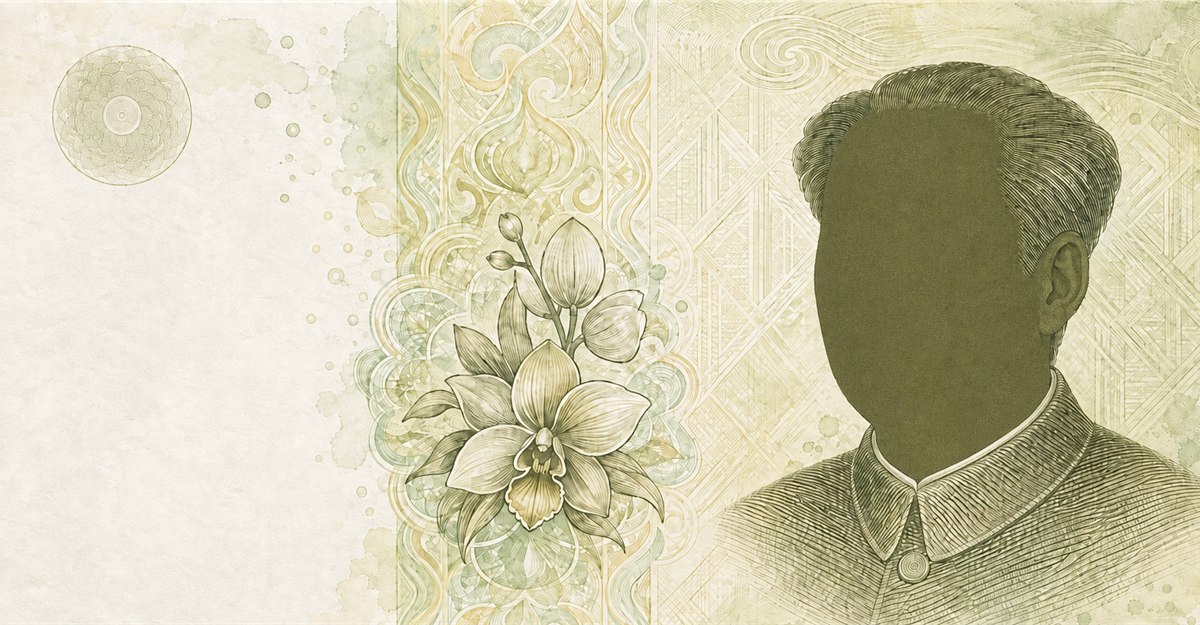
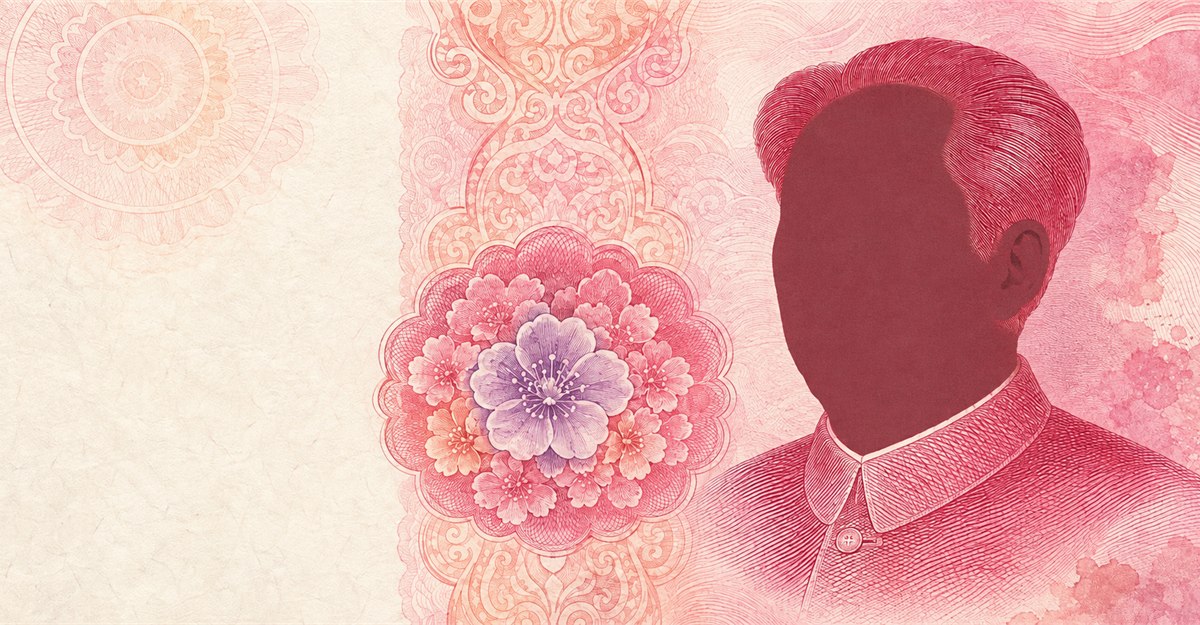
Chinese yuan notes climb through a bright colour ladder, pairing Mao with landscapes across China; the 1, 5, 10, 20, 50 and 100 yuan are easy to sort at a glance.
Checking the latest reference rate...
CNY
Chinese Yuan
1
1
CNY banknote
1CNY
1 CNY banknote · West Lake
CNY
Chinese Yuan
5
5
CNY banknote
5CNY
5 CNY banknote · Mount Tai
CNY
Chinese Yuan
10
10
CNY banknote
10CNY
10 CNY banknote · Three Gorges and Kuimen
CNY
Chinese Yuan
20
20
CNY banknote
20CNY
20 CNY banknote · Guilin landscape
CNY
Chinese Yuan
50
50
CNY banknote
50CNY
50 CNY banknote · Potala Palace
CNY
Chinese Yuan
100
100
CNY banknote
100CNY
100 CNY banknote · Great Hall of the People
Renminbi notes share a consistent portrait side, while the reverses travel through celebrated Chinese landscapes and landmarks including West Lake, Mount Tai, Guilin and the Potala Palace. Cash by Country artwork is an original, simplified interpretation and is not legal tender.
Three labels, one amount
RENMINBIThe name of the currencyYUANThe formal unitKUAIThe everyday spoken unit
The decimal ladder has nicknames too
One yuan divides into 10 jiao, and one jiao into 10 fen. In conversation, jiao often becomes mao. A price spoken as "shi kuai wu" means 10 yuan and 5 jiao, or 10.50 yuan, not fifteen yuan.
Six yuan notes tell a landscape story
The main banknotes in daily use are 1, 5, 10, 20, 50 and 100 yuan. Their reverse sides move through West Lake, Mount Tai, the Three Gorges, Guilin, the Potala Palace and the Great Hall of the People. Colour helps, but the large printed denomination should make the final decision.
One yuan can be paper or metal
The 1-yuan value exists as both a banknote and a coin. Regional habits and the change available at a counter can determine which arrives. The everyday coin set also includes 1 jiao and 5 jiao, while tiny fen values have little practical role in an ordinary visitor's pocket.
RMB, CNY and the symbol on the screen
RMB is the familiar abbreviation for renminbi. CNY is the ISO currency code used by banks, card statements and exchange tools. The symbol is written with a yuan sign, often shown as ¥. Context matters because the Japanese yen uses the same symbol; a Chinese checkout should still settle in CNY.
Large starts at one hundred
The largest normal banknote is 100 yuan. That keeps even a modest withdrawal physically manageable, but a small stall may still prefer 10 or 20 yuan for a low purchase. Build useful change in a staffed shop rather than expecting every street counter to break the largest note.