EUR
Euro
5
5
EUR banknote
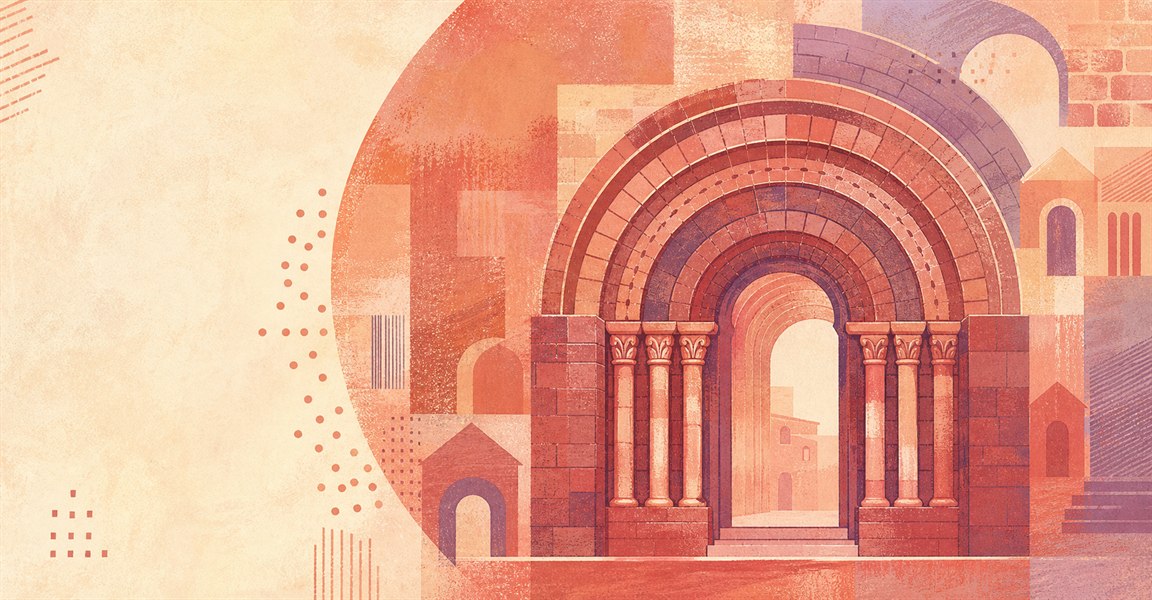
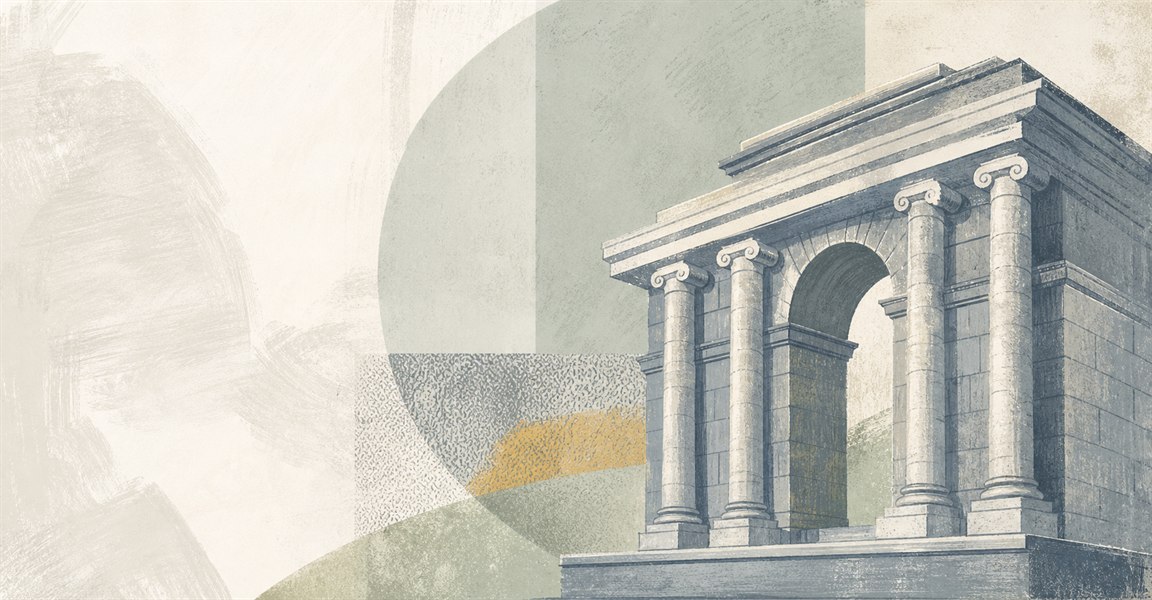
5 EUR banknote · Classical gateway
About 5 dollars 40 cents
Meet a euro wallet shaped by the Adriatic: checkerboard coins, ferry reservations, coastal cash pockets and toll gates that reward a little planning.
Croatia uses familiar euros in an unusually geographic wallet: ferry tickets at the water, small cash on the island and a card or euros ready before the motorway barrier.
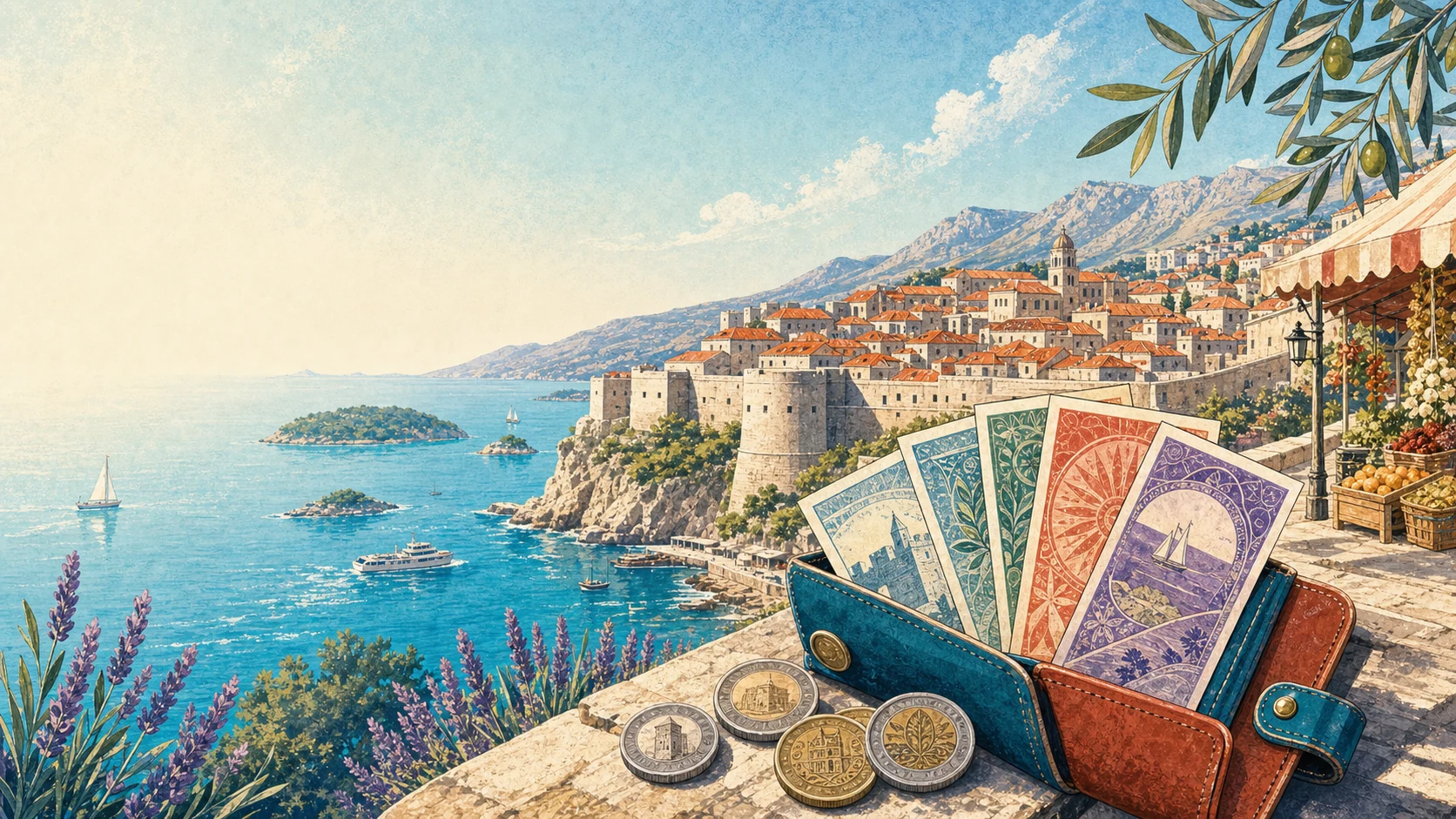
Bring a low-fee Visa or Mastercard, a separate backup and EUR 80–150 in small notes. Cards handle much of the city and resort trip; cash covers the konoba, market, tip and island moment where the terminal is not the plan.
Croatia adopted the euro in 2023, but its travel-money rhythm is still distinctly local. The route matters more than a national cash-or-card rule: Zagreb, a car ferry, a small island and an Adriatic motorway each ask the wallet a different question.
Euro notes follow an easy architectural colour ladder - grey €5, red €10, blue €20, orange €50, green €100 and yellow €200 - wherever you spend them in Europe.
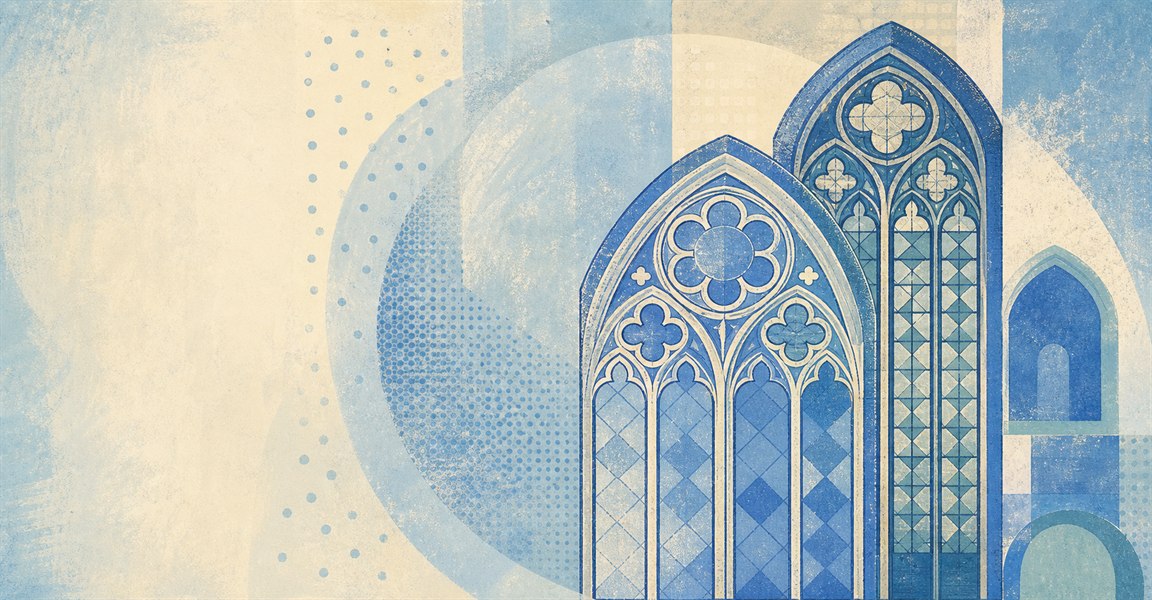
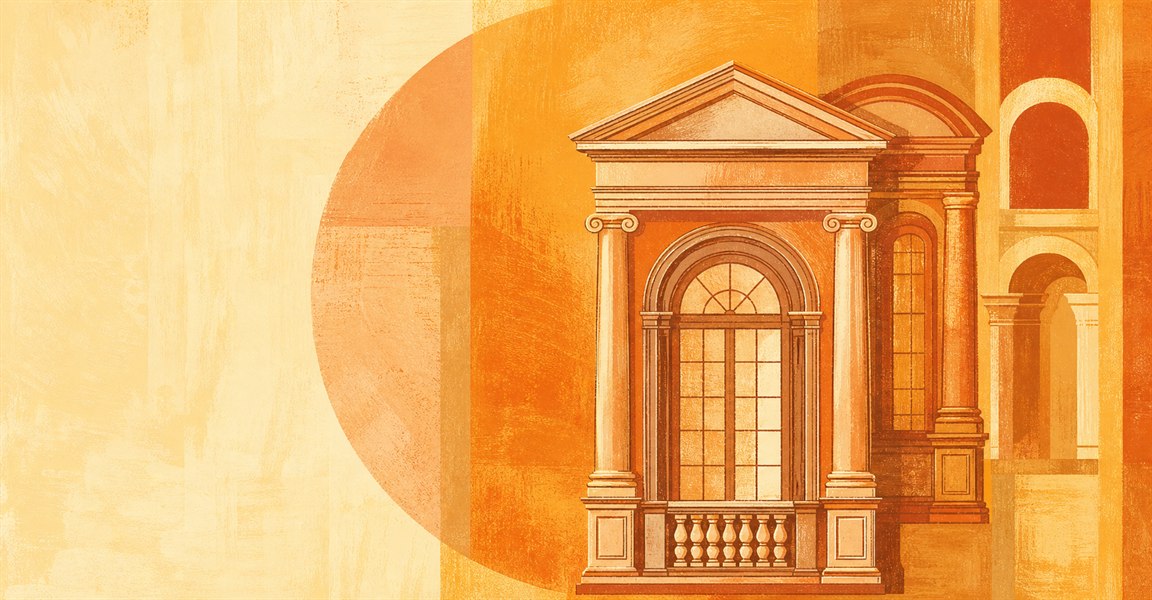
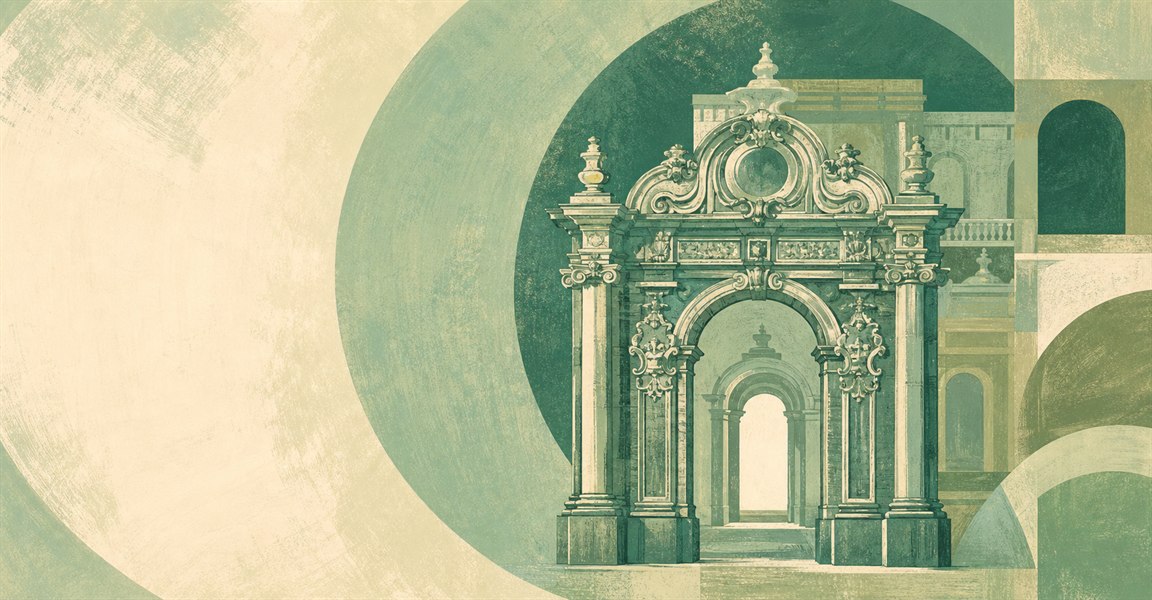
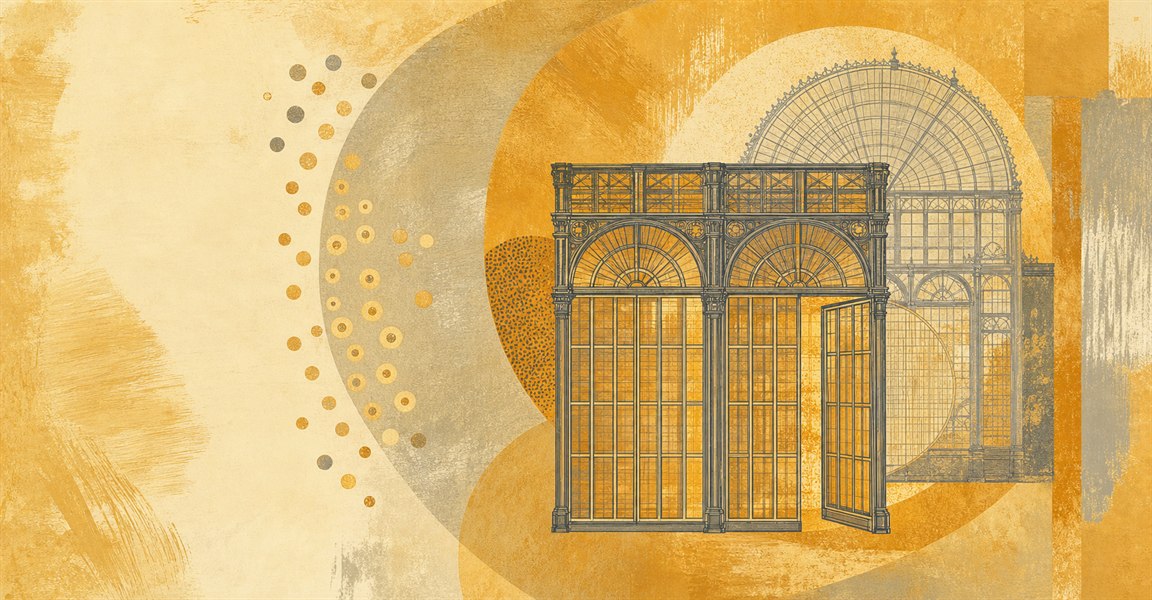
The euro banknote theme is imagined European architecture rather than real monuments: windows and gateways move from classical to modern styles, while bridges on the reverse suggest connection. Cash by Country artwork is an original, simplified interpretation and is not legal tender.
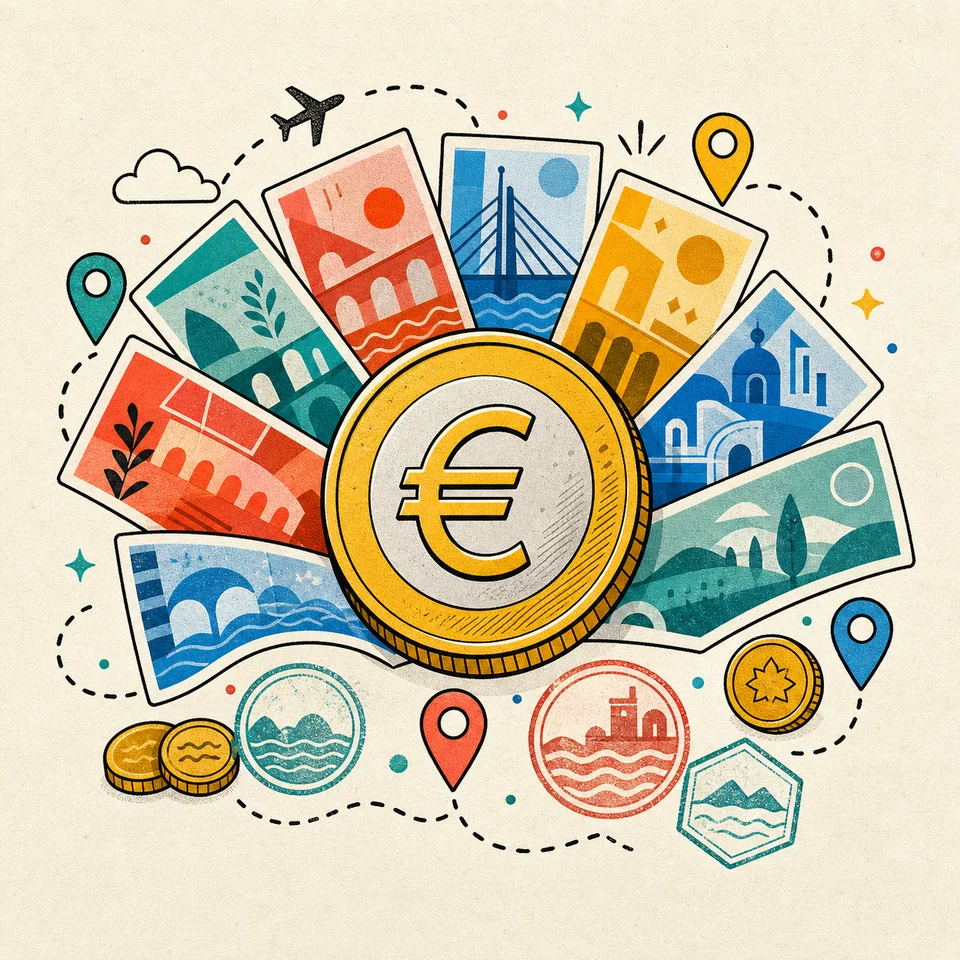
Shared currency guide One euro, many destinations See where the euro is used, what stays the same and why the coins change. Explore →Choose your currency. EUR stays locked to this guide.
Croatia makes the euro feel maritime. Learn the stories on the coins, give ferry tickets the right meaning and prepare separate pockets for islands, toll roads and a generous meal.
Meet Glagolitic letters, Nikola Tesla, the marten that named the kuna and Croatia's freedom line around EUR 2.
Turn over Croatia's euros 02 Ticket, reservation, shorelineKnow when a ferry ticket guarantees a place, when arrival order matters and how much payment backup belongs on the island.
Pack for the crossing 03 City card, konoba cashBuild a mixed wallet for Zagreb, Dubrovnik, the coast, markets, guesthouses and small family restaurants.
Build the coastal wallet 04 Pay before the barrierChoose the correct lane, keep the entry ticket and pay Croatian motorway tolls with cash, card or ENC.
Drive through prepared 05 A thank-you, not a taxHandle restaurants, cafes, taxis, boats, hotels and guides with a relaxed five-to-ten-percent rhythm.
Tip like a welcome guest 04 One currency, many countriesMeet the euro-area members, agreement countries and de facto users, then see why the notes match while the coins can look local.
Explore the euroSources include the ECB, Croatian National Bank, Jadrolinija, Croatian Motorways and current destination guidance.