EUR
Euro
5
5
EUR banknote
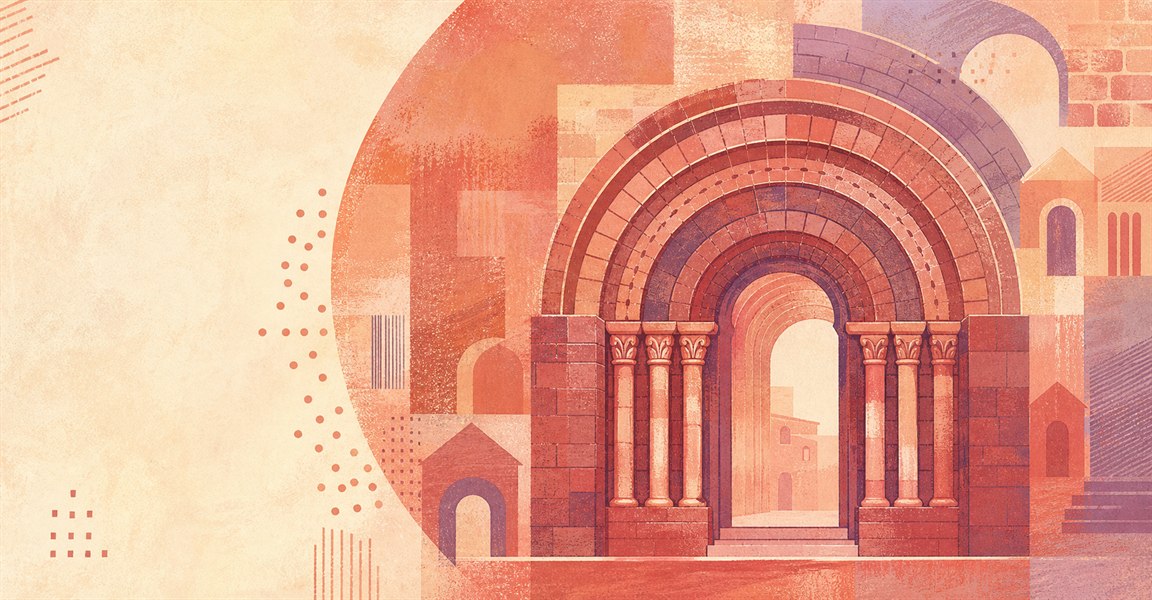
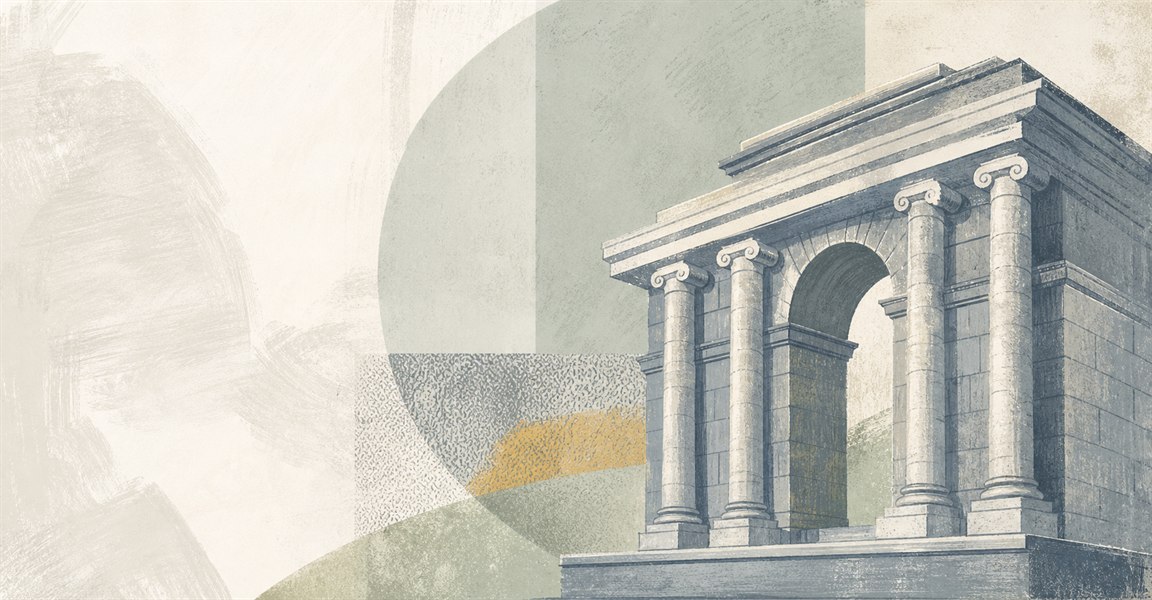
5 EUR banknote · Classical gateway
Meet a euro wallet with a Belgian accent: three royal coin series, a Bancontact-first payment culture and a transport tap that changes its meaning between Brussels, Flanders, Wallonia and the national railway.
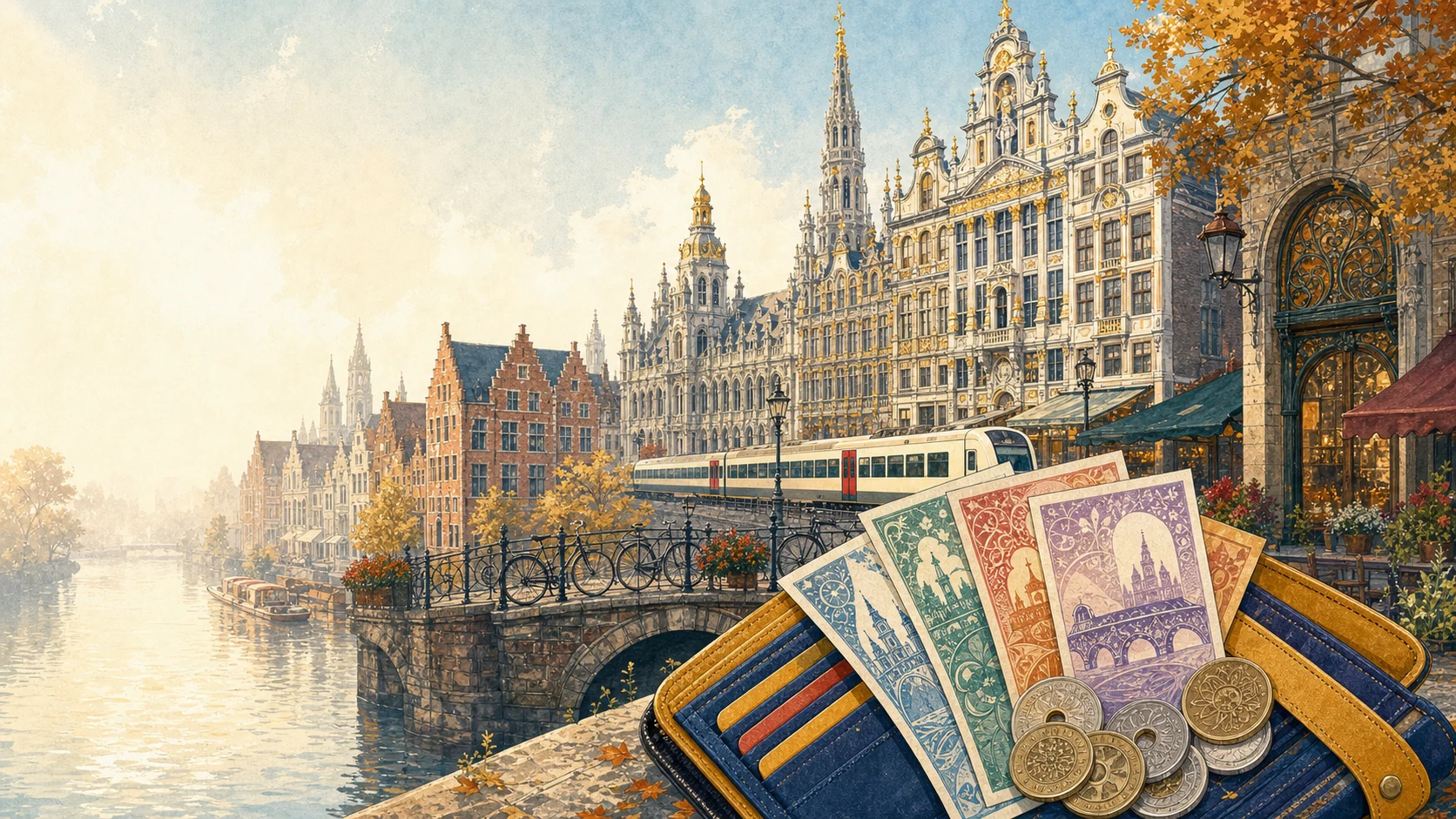
Bring a Visa or Mastercard with low foreign-use fees, a separate backup and a compact stack of euros. Check the logos before ordering: Belgium requires an electronic payment option, but the merchant chooses which one.
Belgium makes room for both cash and digital payment. Consumer-facing businesses must offer at least one electronic method, while cash remains accepted subject to limited exceptions. The interesting travel detail is compatibility: a local QR code or Bancontact-only route may not speak to a visitor's ordinary foreign banking app.
Euro notes follow an easy architectural colour ladder - grey €5, red €10, blue €20, orange €50, green €100 and yellow €200 - wherever you spend them in Europe.
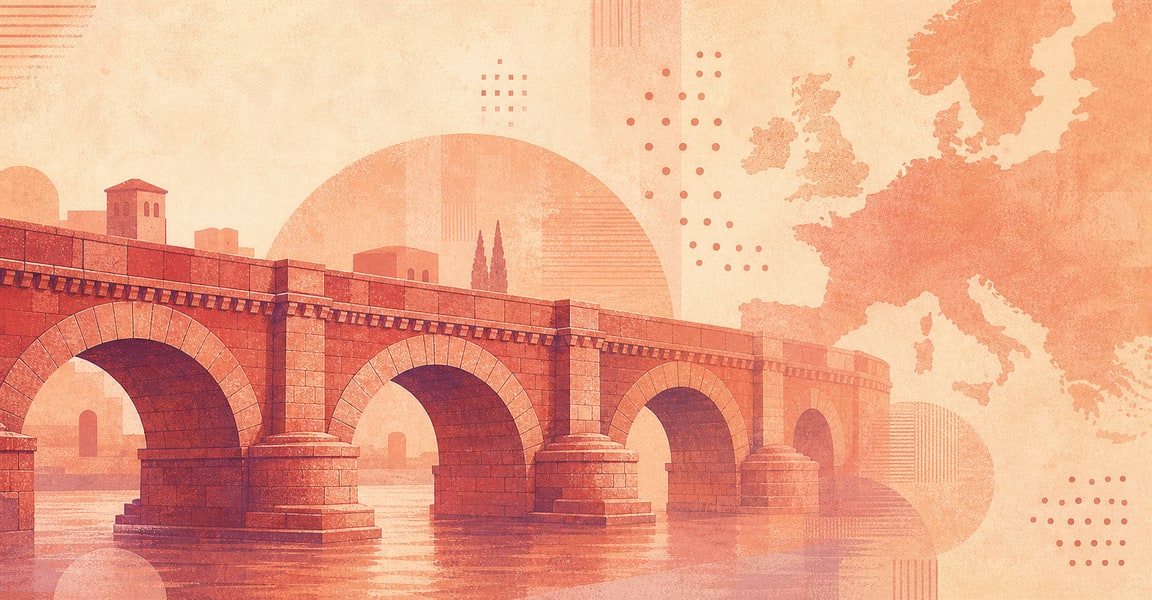
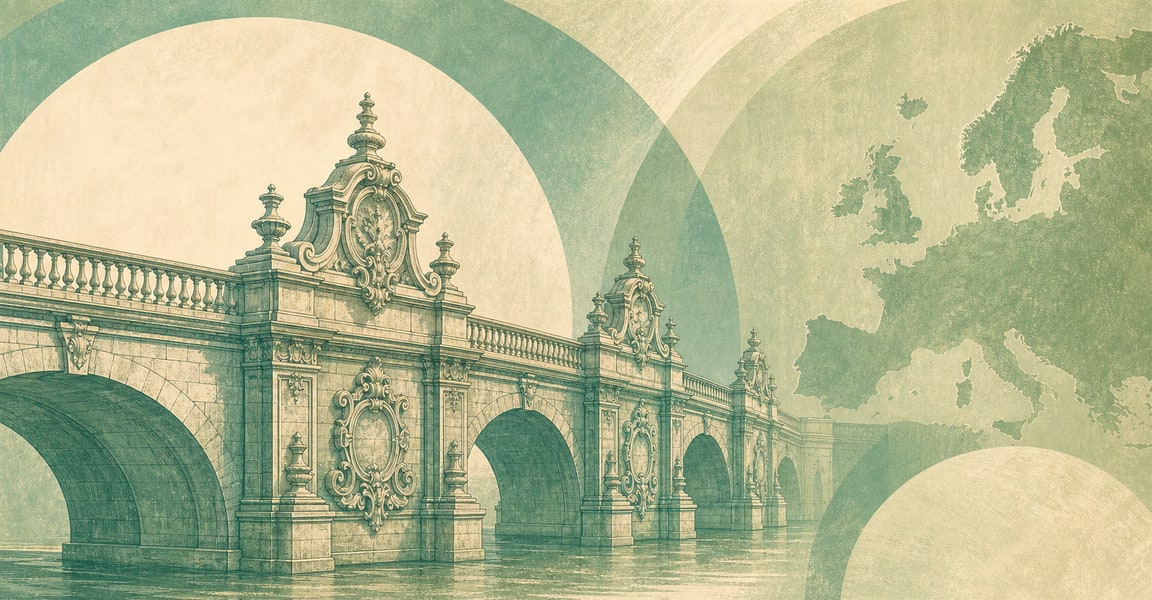
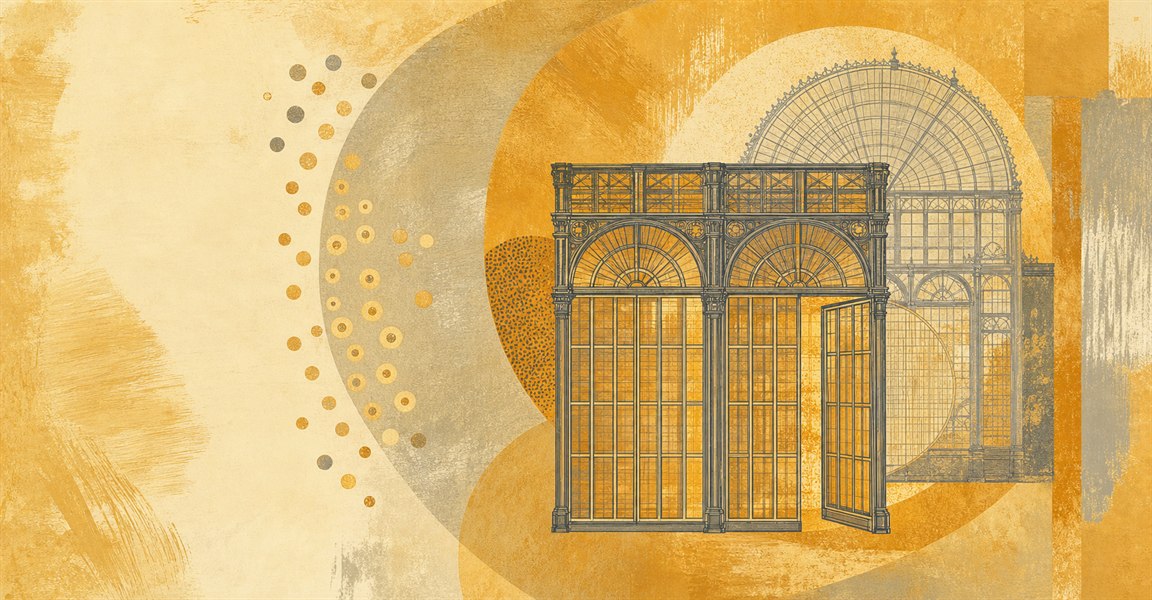
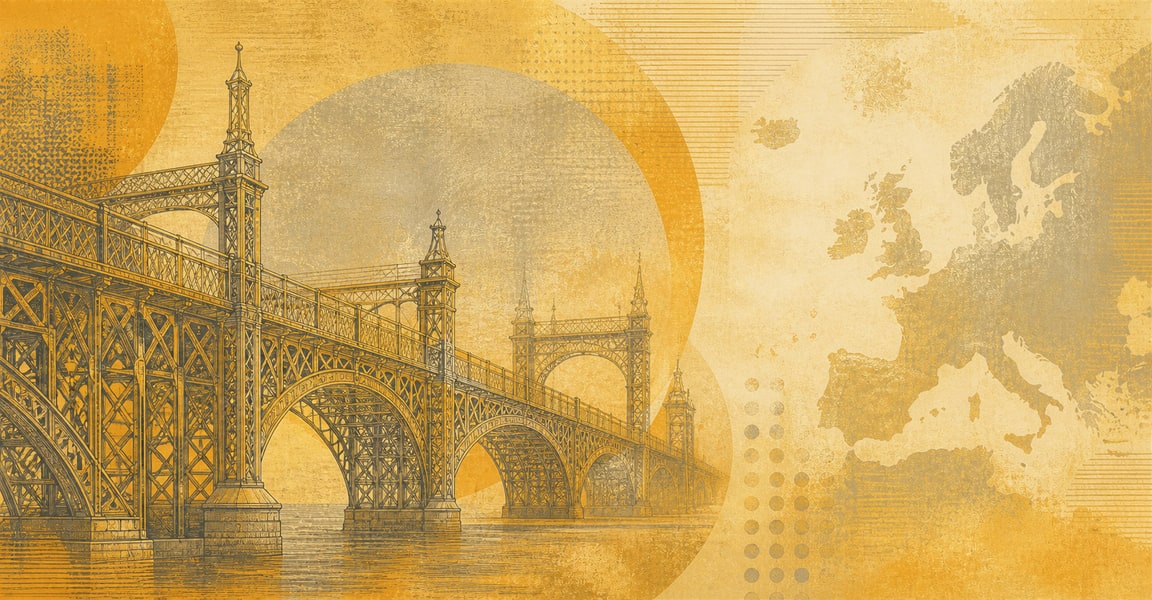
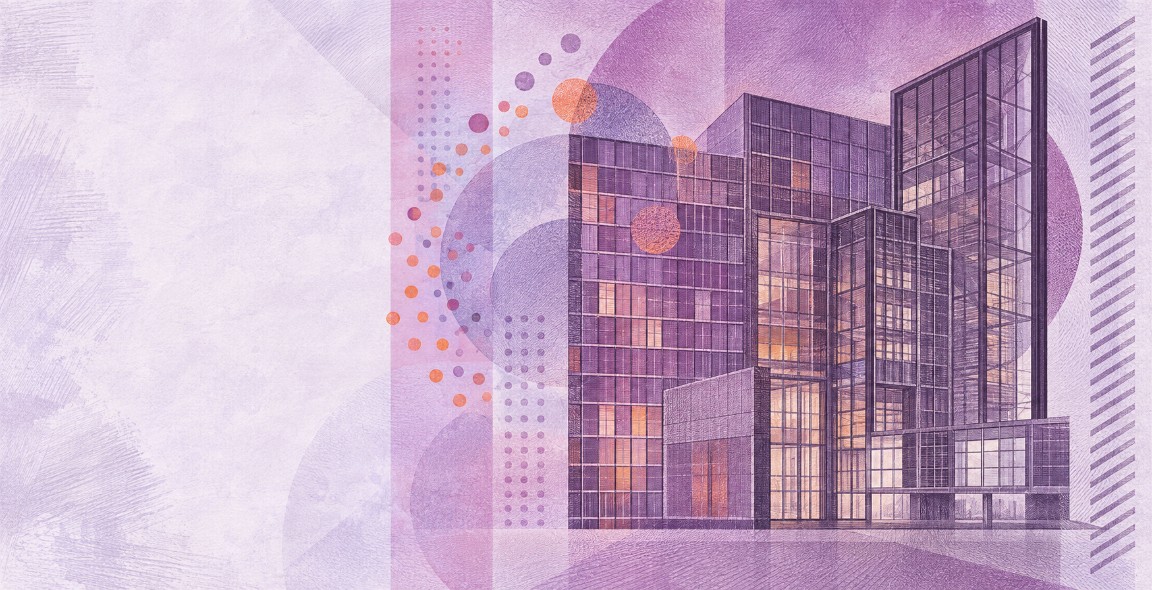
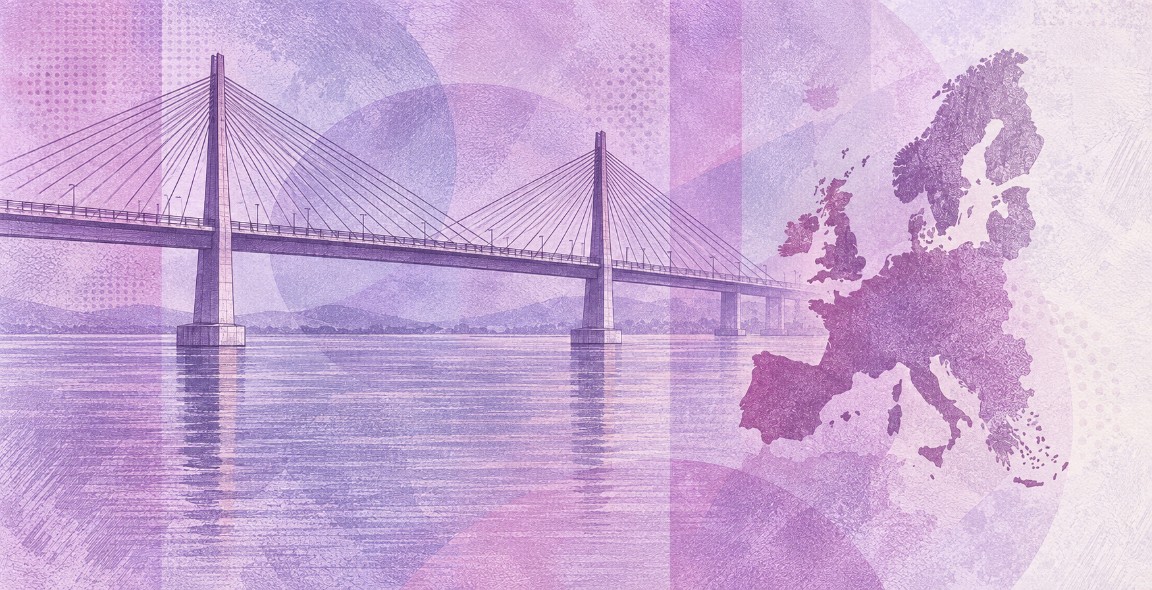
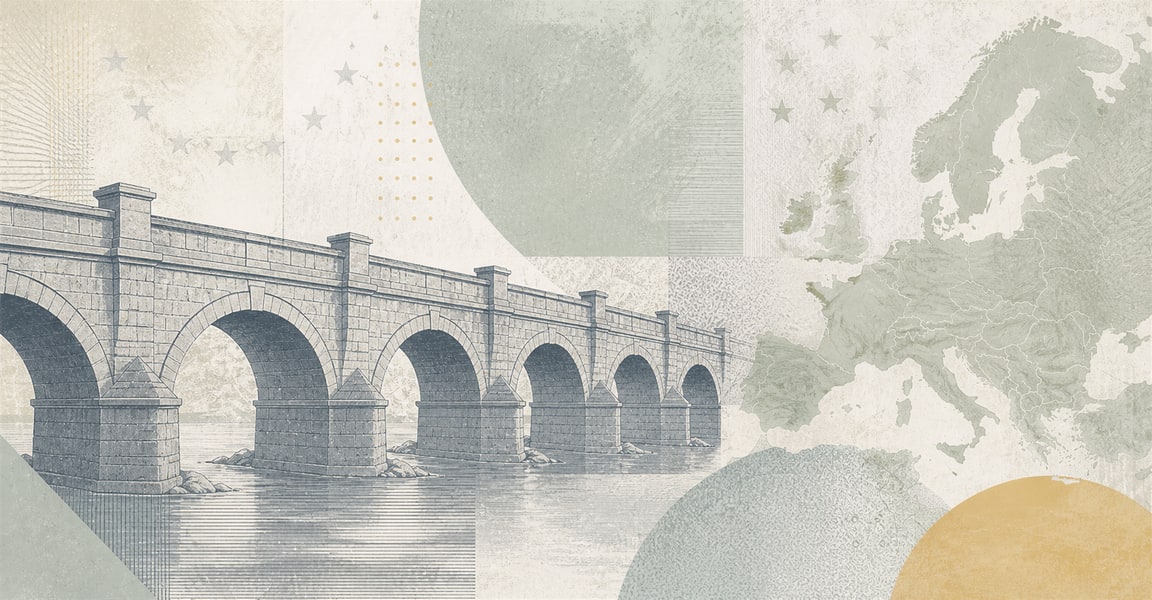
The euro banknote theme is imagined European architecture rather than real monuments: windows and gateways move from classical to modern styles, while bridges on the reverse suggest connection. Cash by Country artwork is an original, simplified interpretation and is not legal tender.
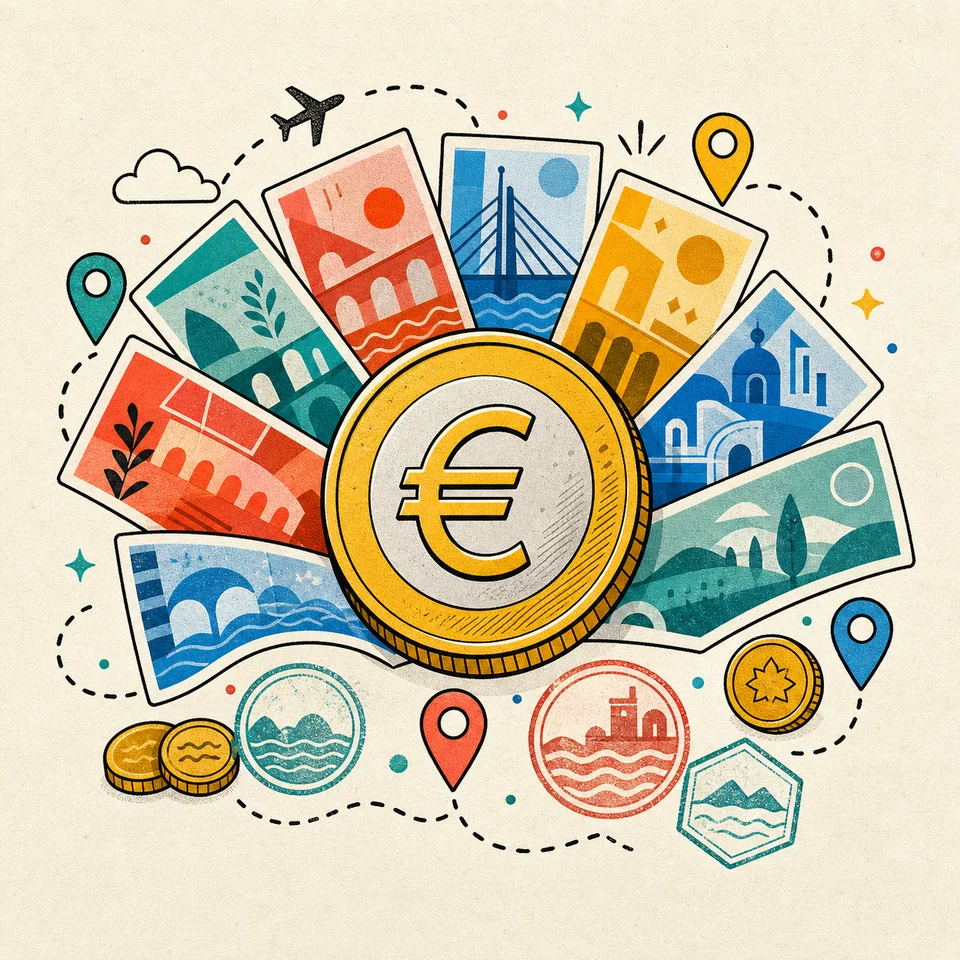
Shared currency guide One euro, many destinations See where the euro is used, what stays the same and why the coins change. Explore →Choose your currency. EUR stays locked to this guide.
Belgium turns familiar euros into a surprisingly local payment puzzle. Meet the royal coins, decode Bancontact, tap the right transport network and keep tipping pleasantly optional.
Recognize three valid Belgian coin series, learn why cash totals skip 1 and 2 cents, and sort the shared euro notes.
Meet Belgium's euros Decode the payment logoUnderstand Belgium's electronic-payment rule, local Bancontact network and shared bank-neutral CASH points.
Build your wallet One country, four tap rulesUse a bank card in Brussels, pay for a group on De Lijn, prepare TEC before boarding and buy SNCB tickets before the train.
Tap the right network Service is already includedRound up a good restaurant, bar or taxi experience without treating an optional thank-you as another bill.
Tip without pressure Build a spendable reserveChoose a Brussels, market, coast or rural reserve and pack it in denominations that survive cash rounding.
Plan your euros One currency, many countriesMeet the euro-area members, agreement countries and de facto users, then see why the notes match while the coins can look local.
Explore the euroSources include Belgian consumer law, the National Bank, official payment networks, transport operators, customs and regional tourism offices.