The banknotes are European. The coins are a pocket-sized royal album, with three Belgian portrait series circulating at the same time.
3 min readReviewed 28 July 2026
€ALBERT II / PHILIPPEOne euro, three Belgian chapters
Belgium uses the same euro banknotes as the rest of the euro area, but its coins have a national face. The surprise is that there is no single Belgian design to memorize: coins showing King Albert II from two different layouts and coins showing King Philippe are all valid.
The fast pocket rule Sort notes by color, coins by value and do not reject an older royal portrait. Belgium's three national coin series can meet in the same handful of change.
See the cash
Paper money
Euro notes follow an easy architectural colour ladder - grey €5, red €10, blue €20, orange €50, green €100 and yellow €200 - wherever you spend them in Europe.
Checking the latest reference rate...
EUR
Euro
5
5
EUR banknote
5EUR
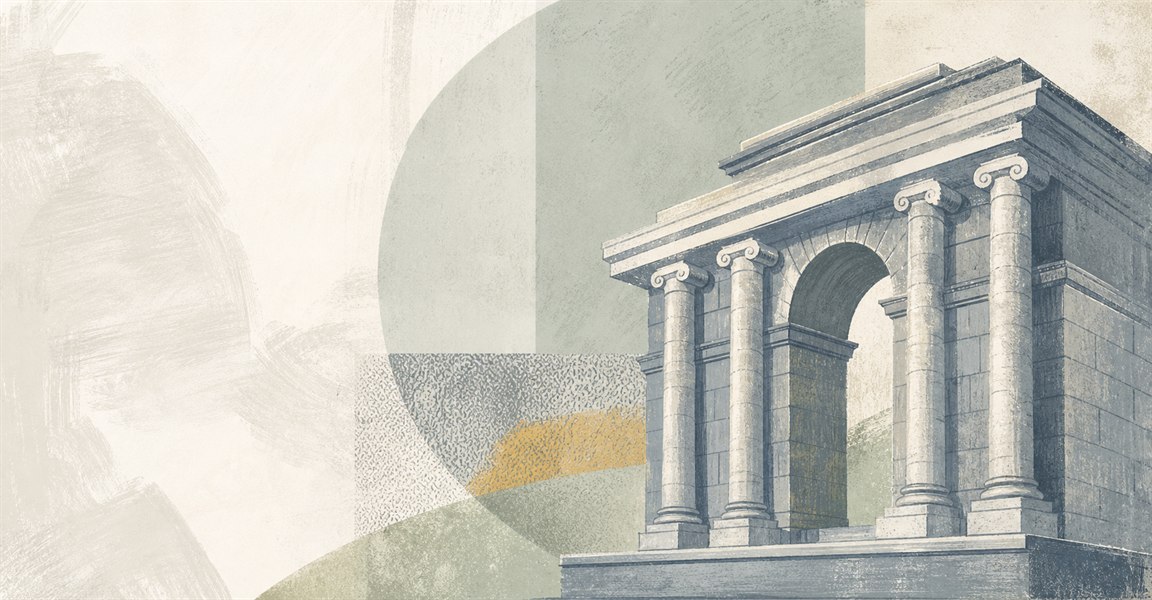
5 EUR banknote · Classical gateway
EUR
Euro
10
10
EUR banknote
10EUR
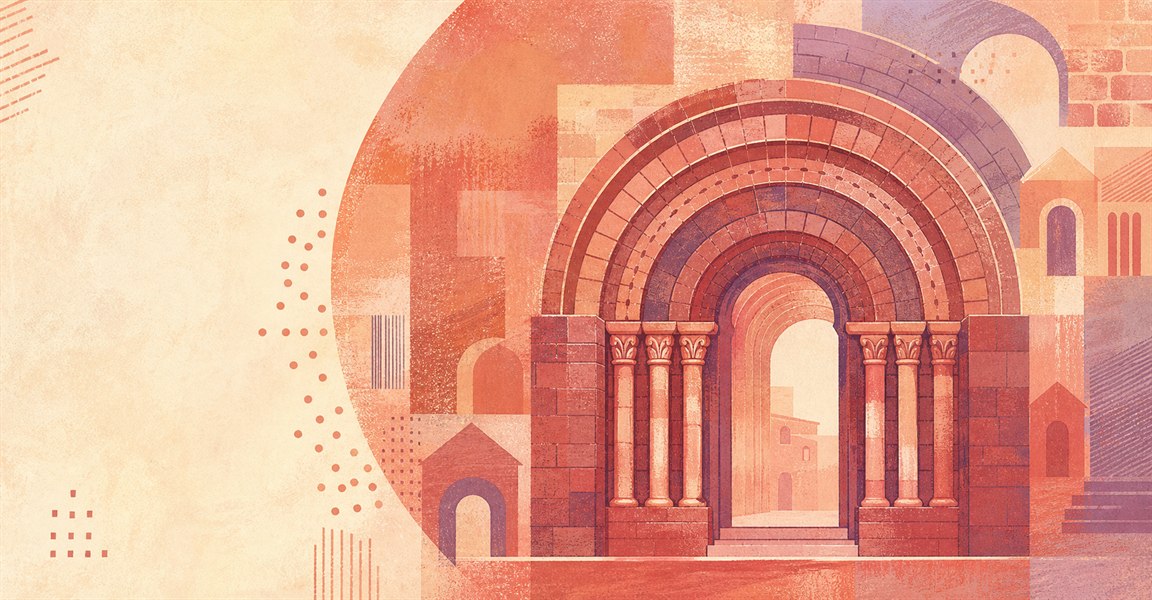
10 EUR banknote · Romanesque arch
EUR
Euro
20
20
EUR banknote
20EUR
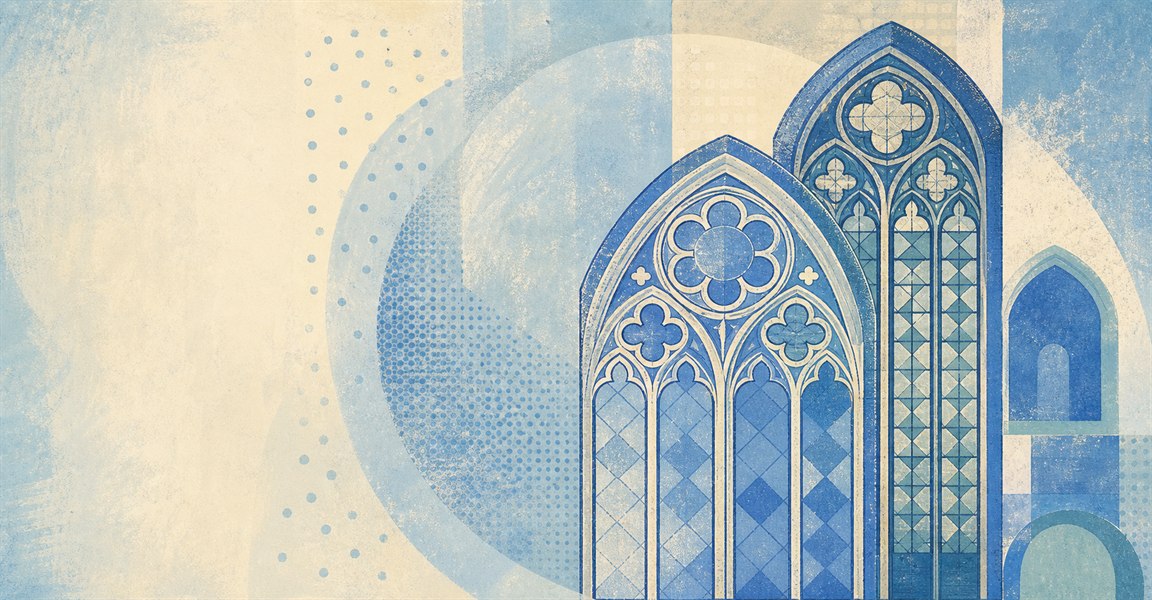
20 EUR banknote · Gothic windows
EUR
Euro
50
50
EUR banknote
50EUR
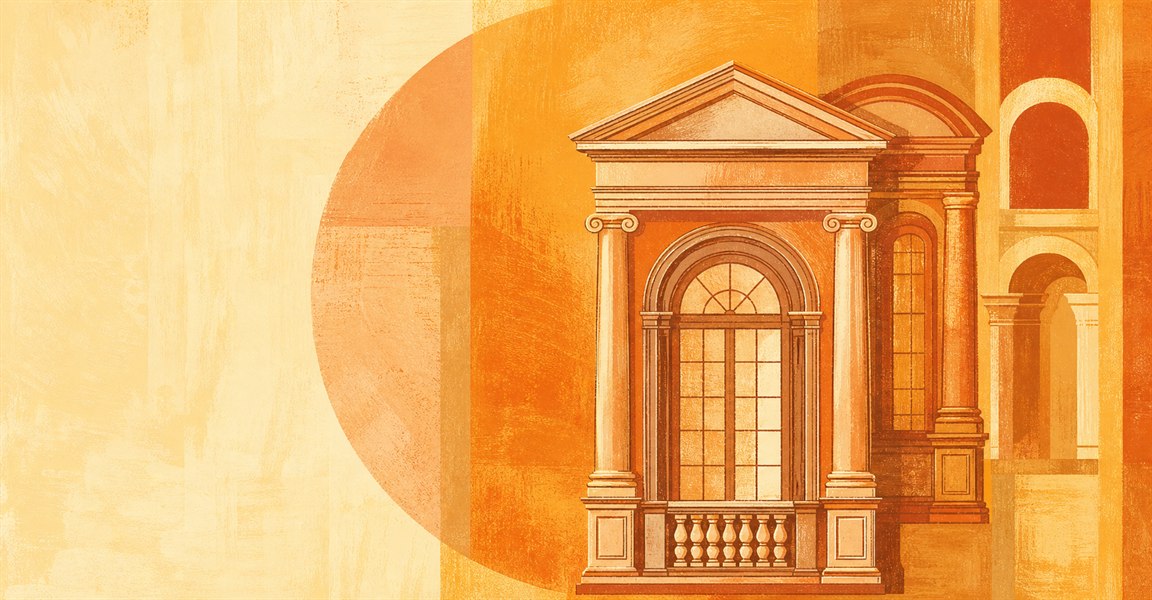
50 EUR banknote · Renaissance window
EUR
Euro
100
100
EUR banknote
100EUR
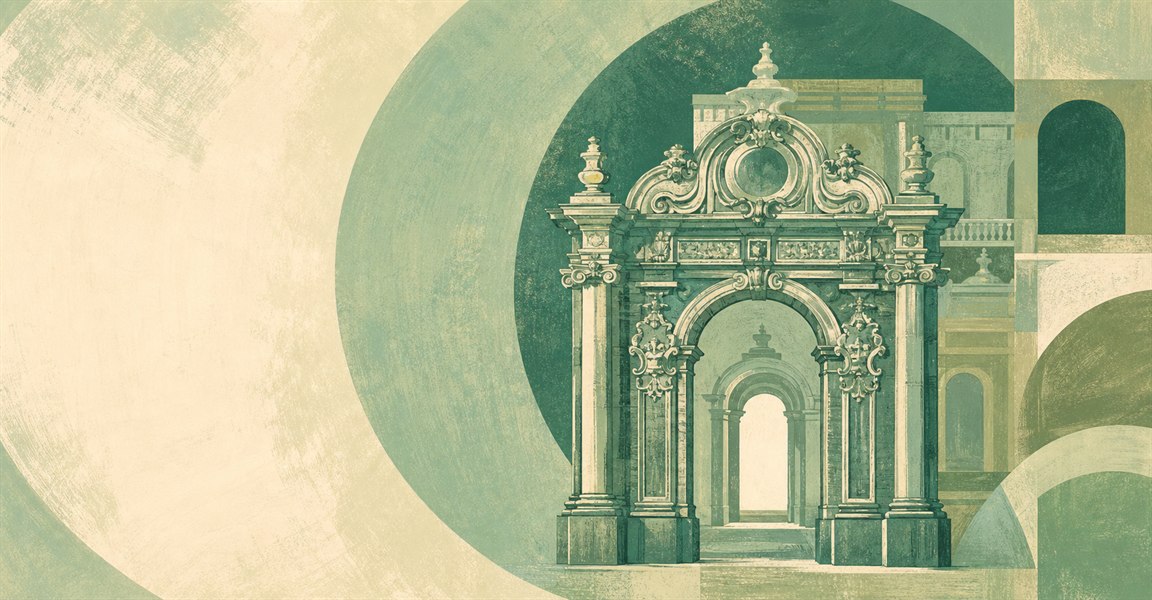
100 EUR banknote · Baroque gateway
EUR
Euro
200
200
EUR banknote
200EUR
200 EUR banknote · Iron and glass
EUR
Euro
500
500
EUR banknote
500EUR
500 EUR banknote · Modern glass and steelOlder series · no longer issued
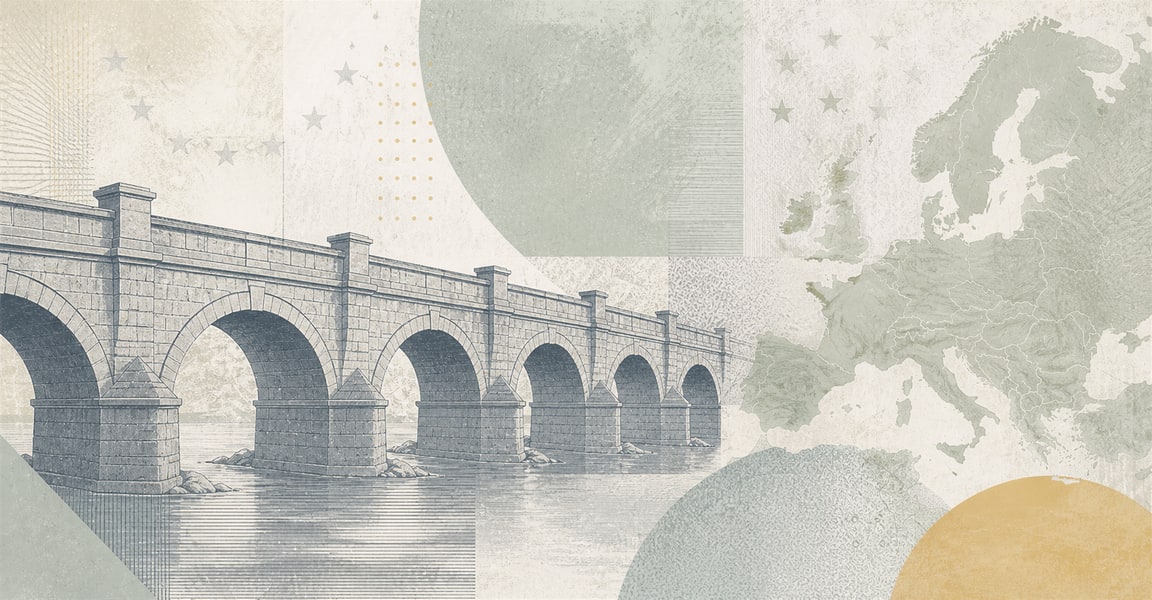
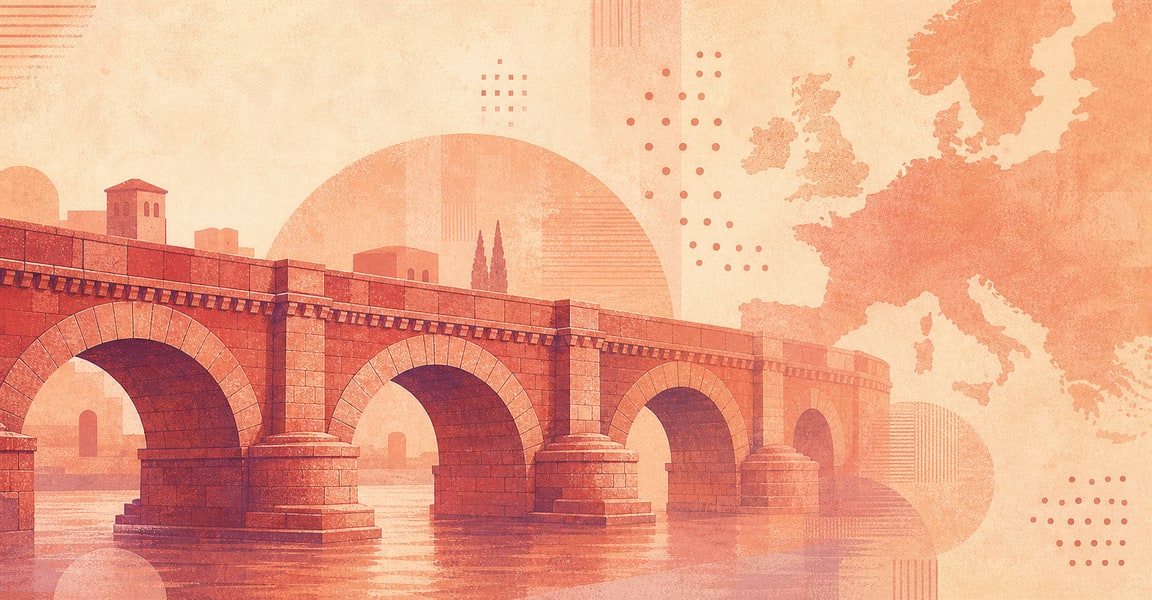
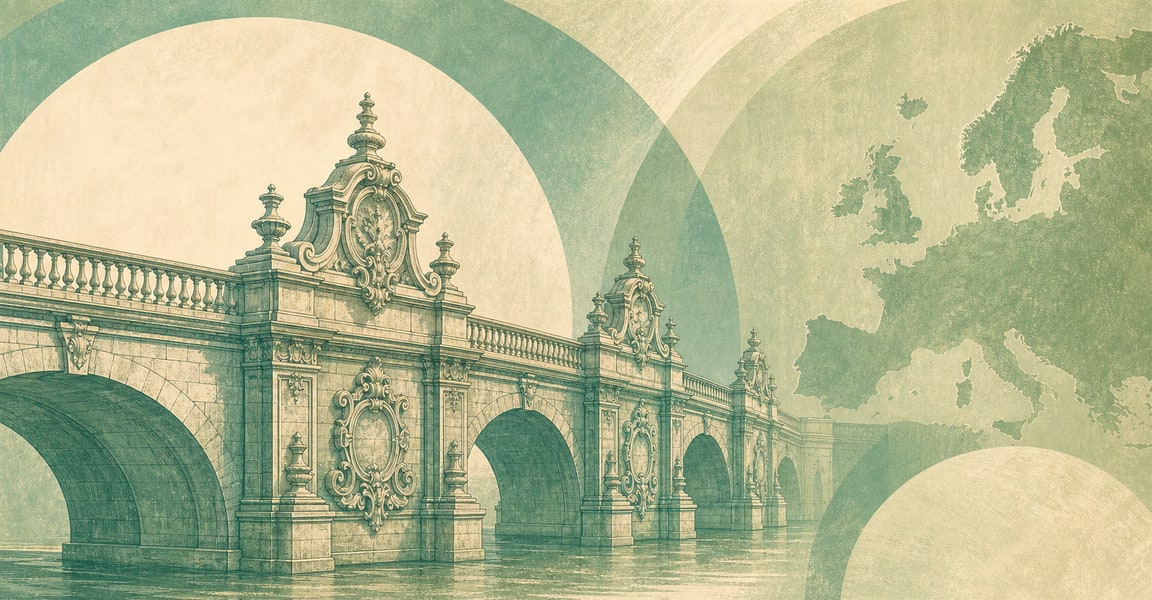
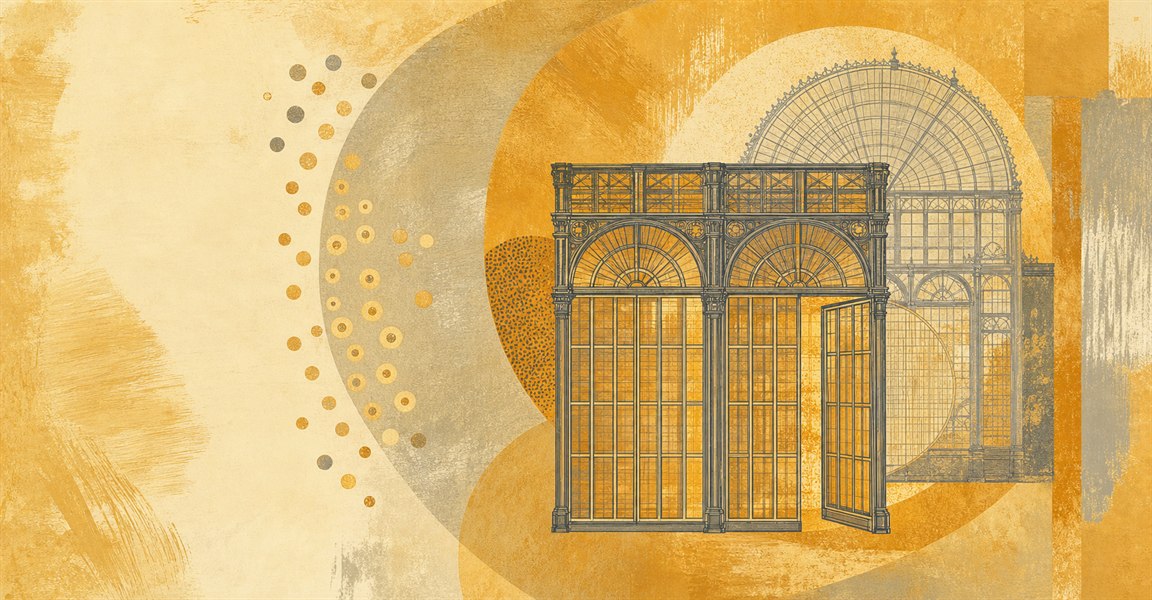
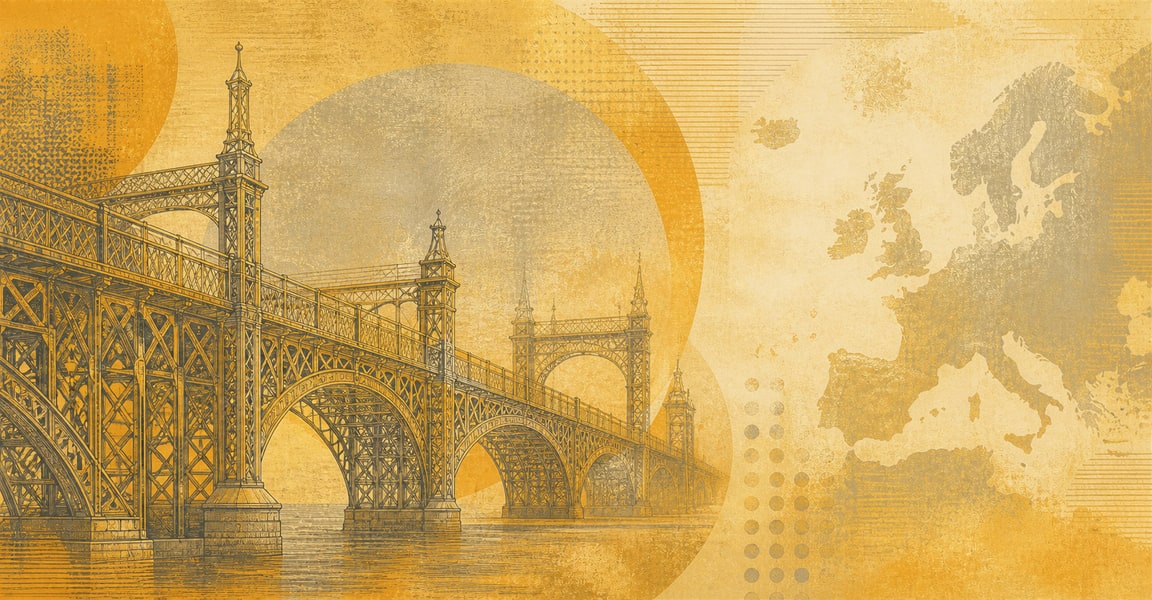
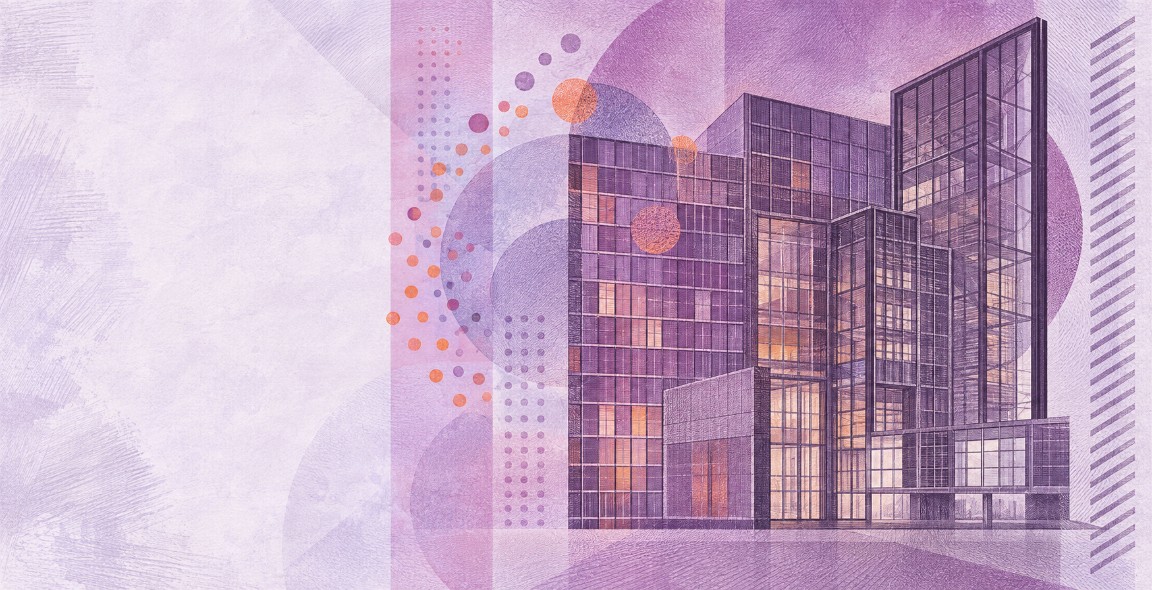
The euro banknote theme is imagined European architecture rather than real monuments: windows and gateways move from classical to modern styles, while bridges on the reverse suggest connection. Cash by Country artwork is an original, simplified interpretation and is not legal tender.
Three royal series can land in your change
First series: Albert IIThe king's portrait sits beside a crowned A monogram and the twelve stars of Europe.
Second series: Albert II, rearrangedA 2008 redesign moved the date, mint marks and country identifier to meet common euro rules.
Third series: PhilippeIssued from 2014, with King Philippe, his FP monogram and the country code BE.
All remain spendableAge and portrait do not change the denomination. Read the value and the common European side.
Belgium also designed the side everyone shares
The map-and-value side of euro circulation coins was designed by Luc Luycx of the Royal Belgian Mint. That common side helps every EUR 1 or EUR 2 coin keep the same identity across borders, whether its national face came from Belgium, France, Italy or elsewhere.
A Belgian coin can travel farther than you doNational designs do not limit where a coin works. A King Philippe EUR 2 coin is legal euro cash throughout the euro area.
Cash totals move in five-cent steps
At a physical point of sale, the total cash payment is rounded to the nearest 0 or 5 cents. Individual prices do not change; the rounding happens after the basket has been added. One- and two-cent coins are still legal tender, even though ordinary cash totals try not to create more of them.
Electronic payments are not automatically rounded. A business may choose to round them only when it applies the policy consistently and tells customers clearly.
Use color before detail
Note
Main color
Travel use
EUR 5
Grey
Coffee, snacks and small gaps
EUR 10
Red
Lunch, markets and everyday purchases
EUR 20
Blue
The most flexible general travel note
EUR 50
Orange
A useful reserve or larger bill
EUR 100
Green
Planned larger purchases where change is confirmed
EUR 200
Yellow-brown
Legal but awkward for ordinary travel spending
The EUR 500 note is no longer issued, although first-series notes remain legal tender and retain their value. It is a poor travel denomination: many shops and restaurants will not want to break it, and Brussels visitor guidance notes that EUR 200 and EUR 500 notes are often not accepted.
Recognition is not authentication
Our artwork teaches shape, color and denomination. For a real note, use the ECB routine: feel the raised print, look for the watermark and security thread, then tilt for the hologram and changing number effects.