EUR
Euro
5
5
EUR banknote
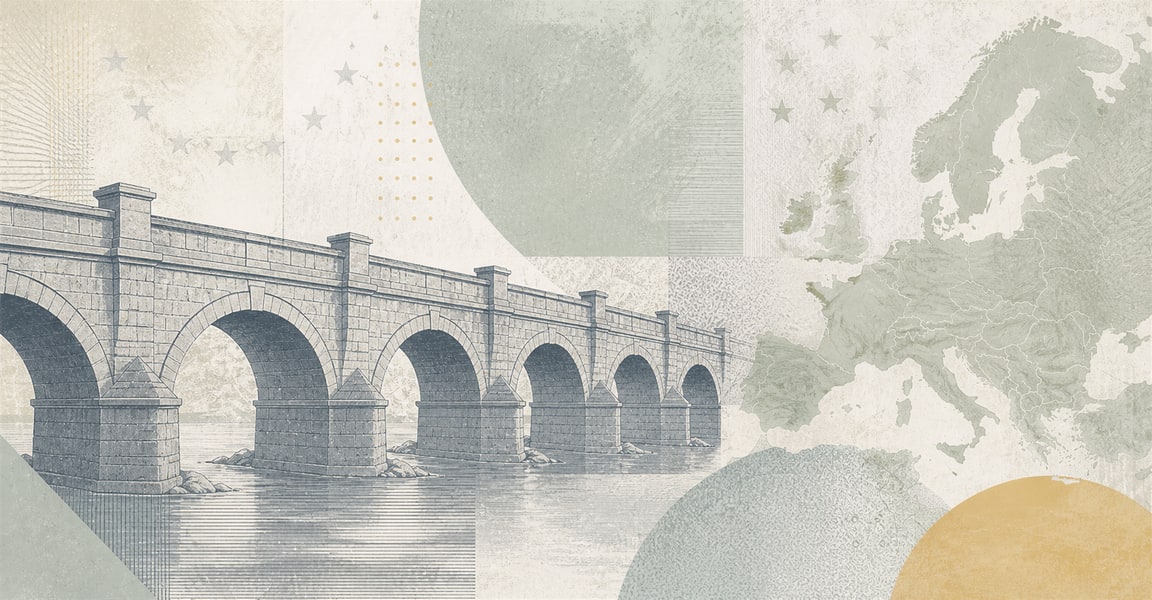
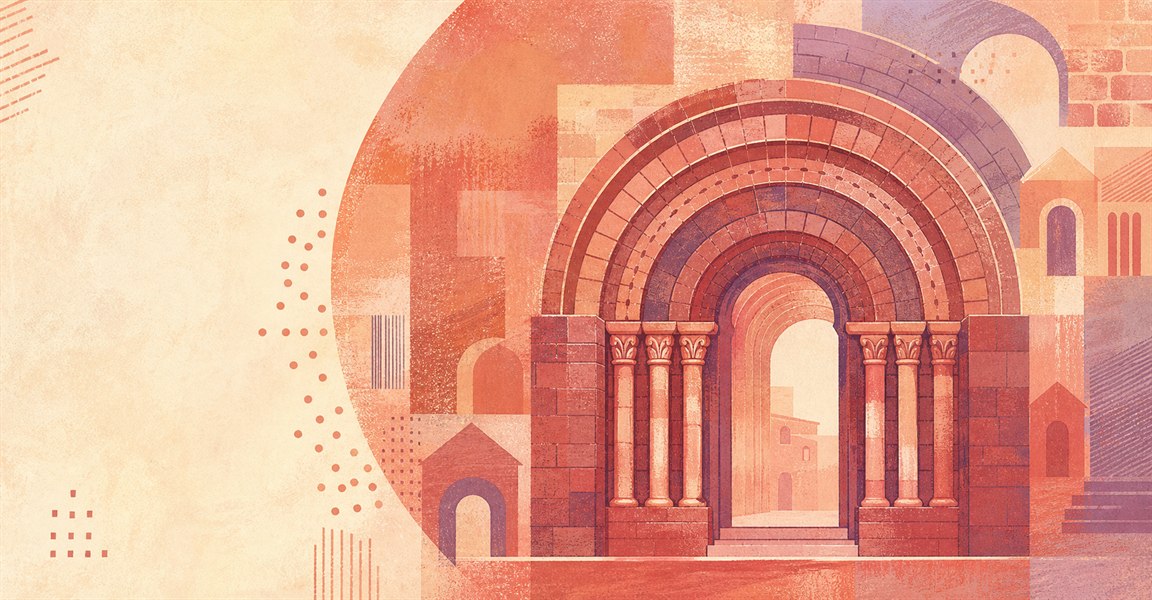
5 EUR banknote · Classical gateway
One tiny country, three very different wallets: polished card terminals on the Adriatic, small euros for the road into the mountains and a euro history that sits outside the euro area.
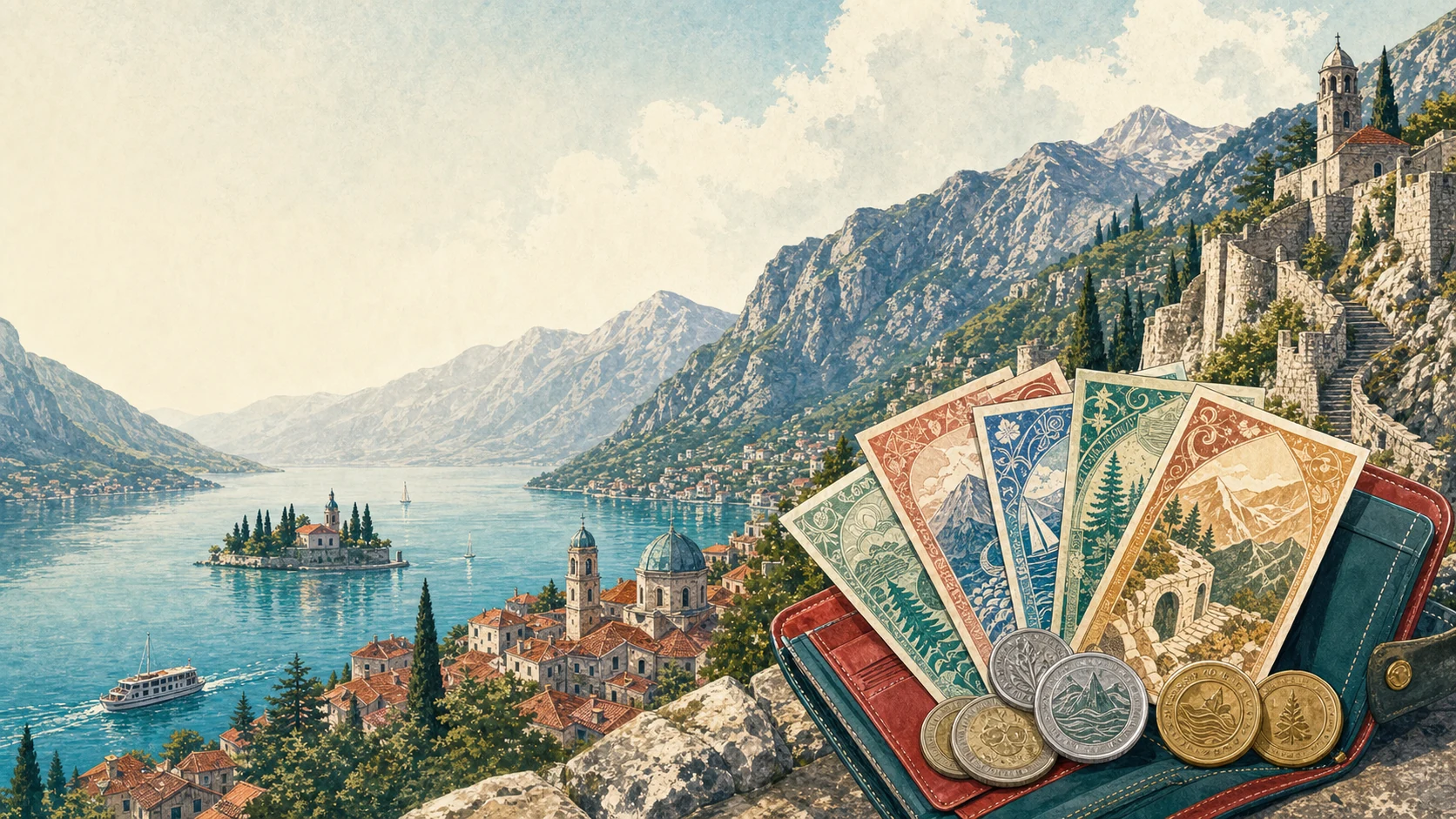
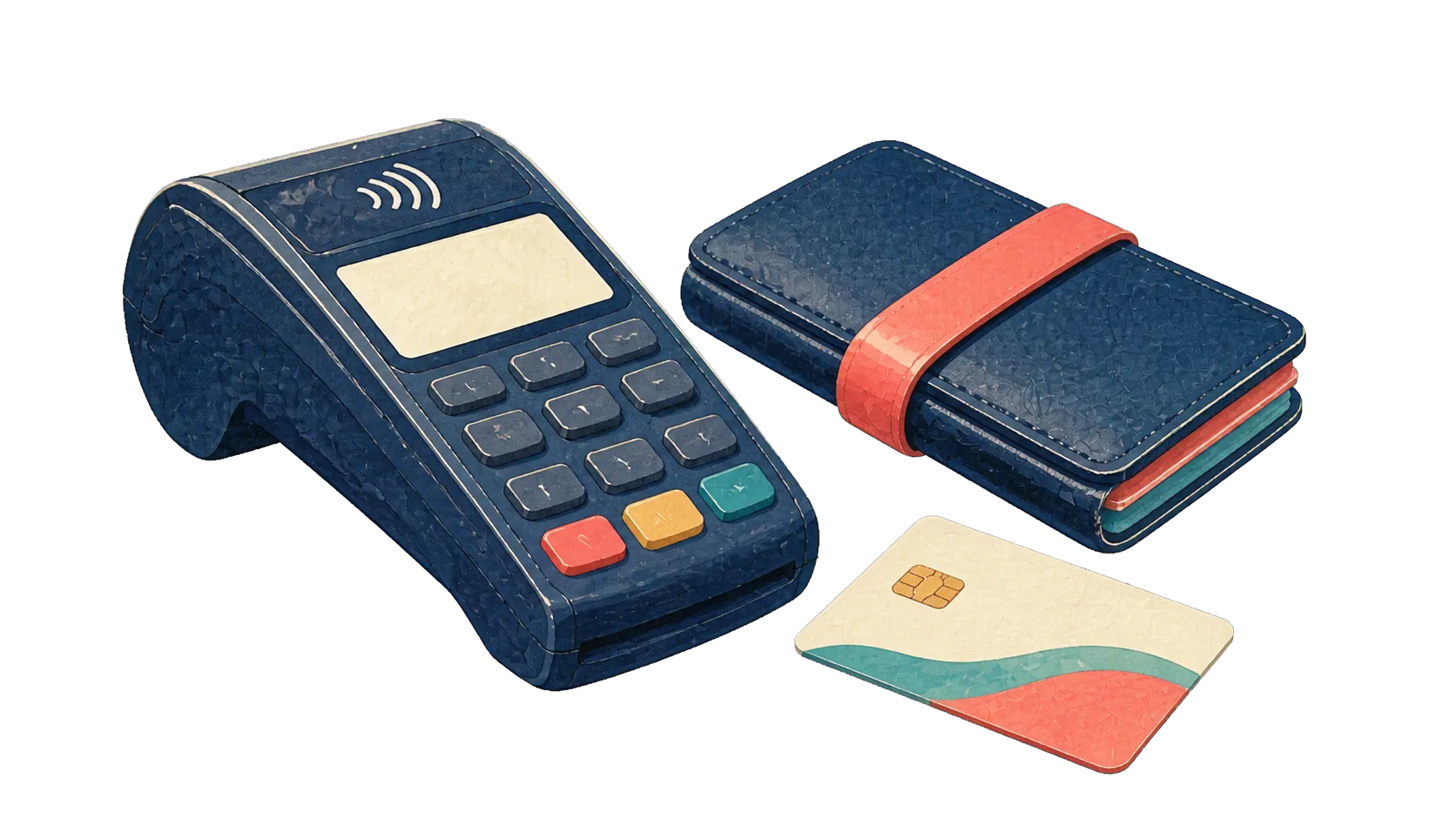
Bring a low-fee Visa or Mastercard, a separate backup and EUR 5, 10 and 20 notes with a few EUR 1 and 2 coins. Cards cover most hotels, restaurants and shops, while small cash keeps ferries, road stops, buses and quieter inland moments simple.
Montenegro has used the euro since 2002 without being an EU or euro-area member, and it issues no Montenegrin euro coins. Your accommodation should also register your stay; ask for confirmation rather than treating the small tourist charge as an invisible booking extra.
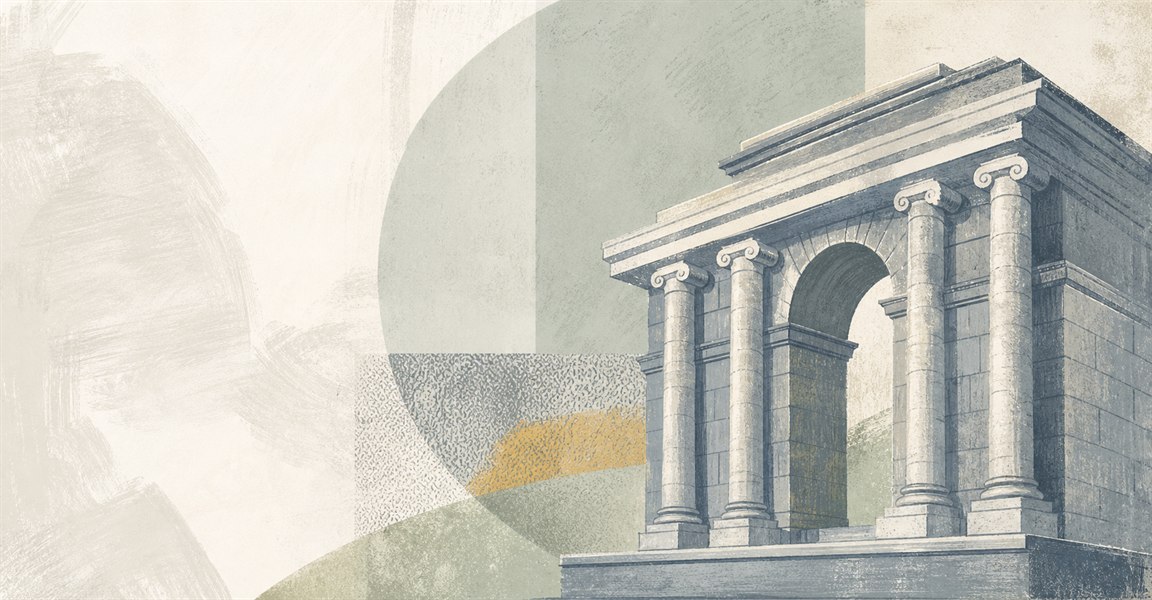
Euro notes follow an easy architectural colour ladder - grey €5, red €10, blue €20, orange €50, green €100 and yellow €200 - wherever you spend them in Europe.
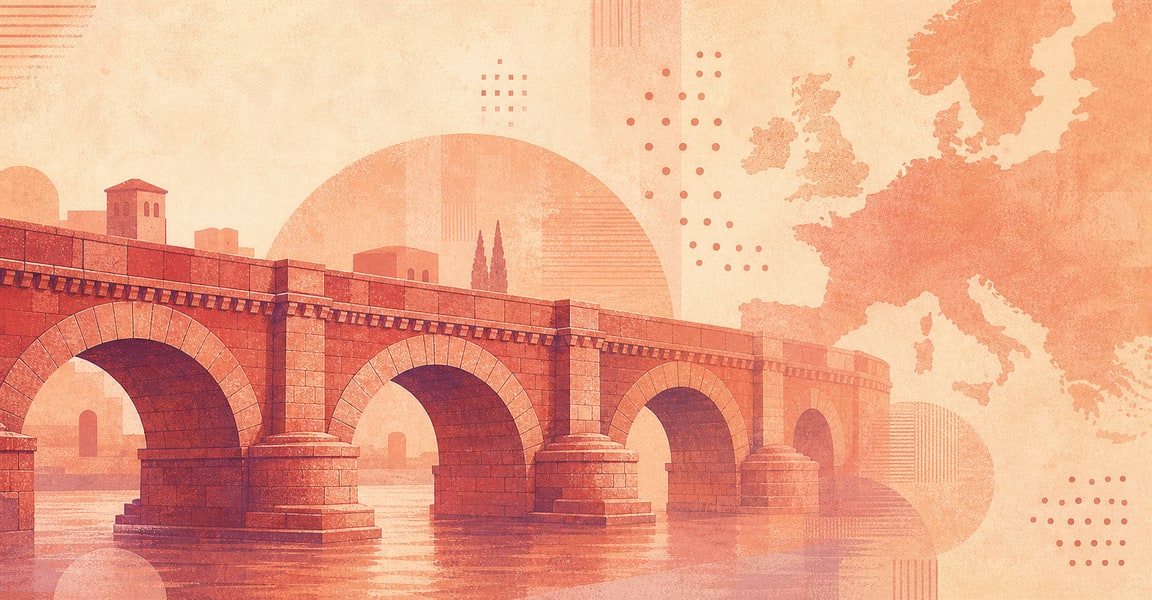
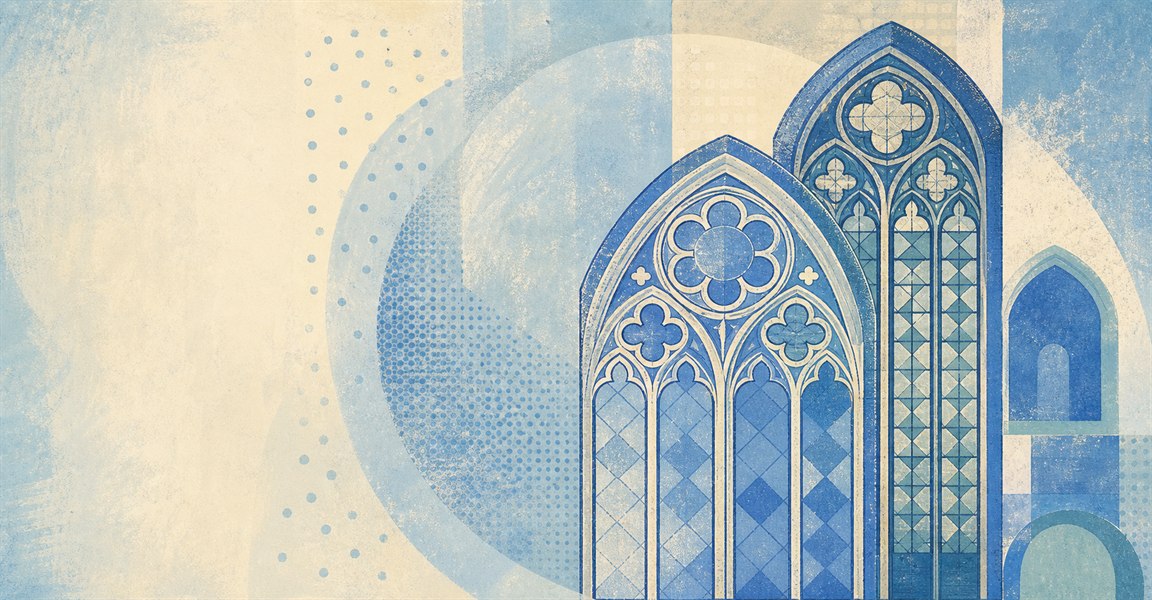
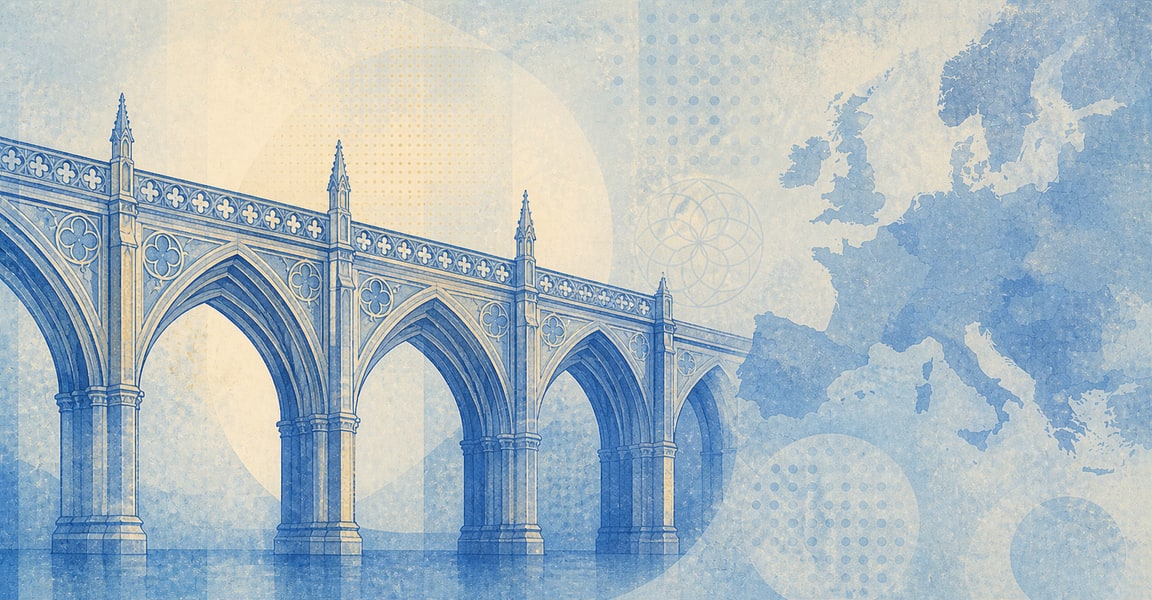
The euro banknote theme is imagined European architecture rather than real monuments: windows and gateways move from classical to modern styles, while bridges on the reverse suggest connection. Cash by Country artwork is an original, simplified interpretation and is not legal tender.
Shared currency guide One euro, many destinations See where the euro is used, what stays the same and why the coins change. Explore →Choose your currency. EUR stays locked to this guide.
Montenegro compresses an unusual amount of money geography into one trip: an adopted euro, a coast-to-mountain payment shift, a legal check-in detail, two memorable road payments and a relaxed Balkan thank-you.
Meet the shared notes and coins, follow the Deutsche Mark into 2002 and learn why Montenegro has no national euro side of its own.
Meet Montenegro's euro Tap the coast, carry the climbGive cards, ATMs and small euros clear jobs from Kotor hotels and Budva restaurants to buses, villages and national-park roads.
Build the two-part wallet The small bill that proves a big detailUnderstand who registers your stay, when the 24-hour self-registration route matters and why the tourist-tax proof belongs in your wallet.
Make check-in official Two shortcuts, two tiny tillsPlan the Bay of Kotor ferry, the Sozina tunnel and the small cash reserve that makes a Montenegro road trip feel unhurried.
Pack the road pocket Warm thanks, light arithmeticRead the bill, round the small moments and use about 10% as a generous restaurant thank-you rather than an automatic tax.
Tip the Montenegro way One currency, many countriesMeet the euro-area members, agreement countries and de facto users, then see why the notes match while the coins can look local.
Explore the euroSources include the European Central Bank, Montenegro's National Tourism Organisation, Monteput, Morsko Dobro and current local travel guidance.