Montenegro spends the same notes as Paris and Rome, but belongs to neither the EU nor the euro area and has never put a Montenegrin design on a euro coin.
2 min readReviewed 29 July 2026
EURA familiar currency with an unusual passportThe Euro With No Montenegrin Face
Montenegro's wallet took an unusual route into the euro. The Deutsche Mark became its practical currency before euro cash arrived in 2002. The European Central Bank describes Montenegro as using the euro de facto: everyday money without euro-area membership or a monetary agreement.
The quick answer Use ordinary euro banknotes and coins at face value. There is no Montenegro exchange rate, local banknote series or national coin side to learn. A coin carrying a German eagle, Croatian checkerboard or Italian artwork is normal Montenegro change, not foreign currency.
Meet the EUR
Paper money
Euro notes follow an easy architectural colour ladder - grey €5, red €10, blue €20, orange €50, green €100 and yellow €200 - wherever you spend them in Europe.
Checking the latest reference rate...
EUR
Euro
5
5
EUR banknote
5EUR
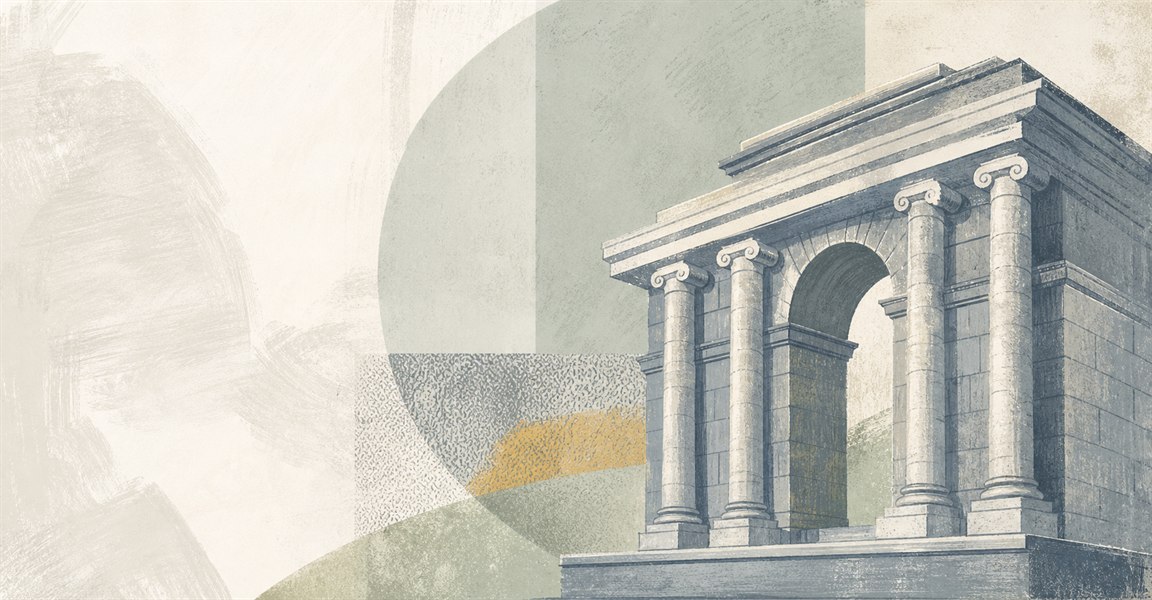
5 EUR banknote · Classical gateway
EUR
Euro
10
10
EUR banknote
10EUR
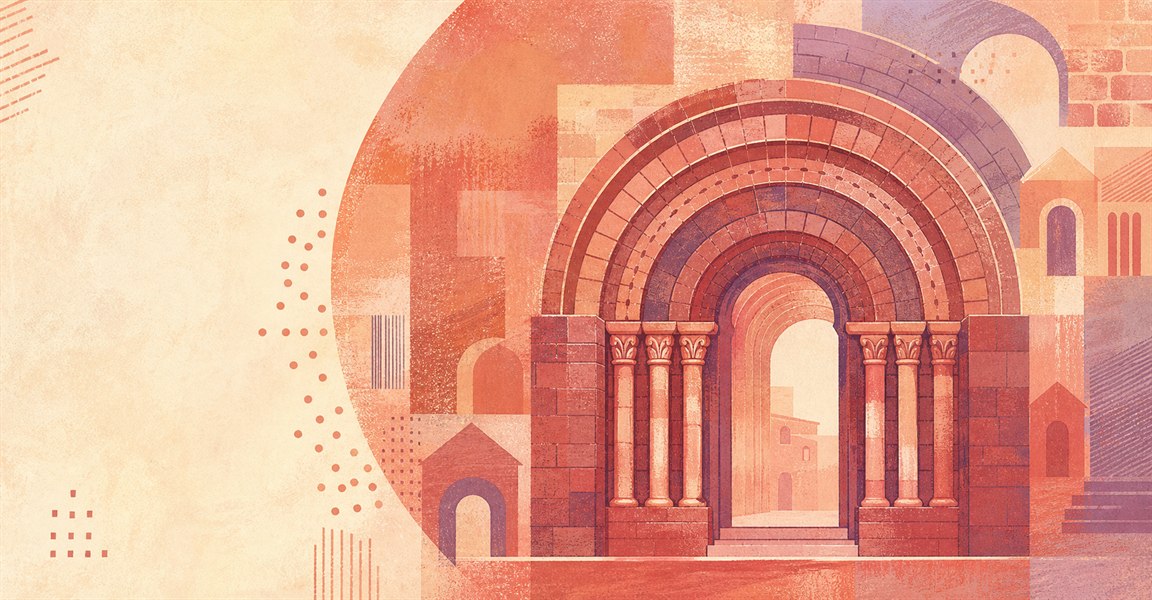
10 EUR banknote · Romanesque arch
EUR
Euro
20
20
EUR banknote
20EUR
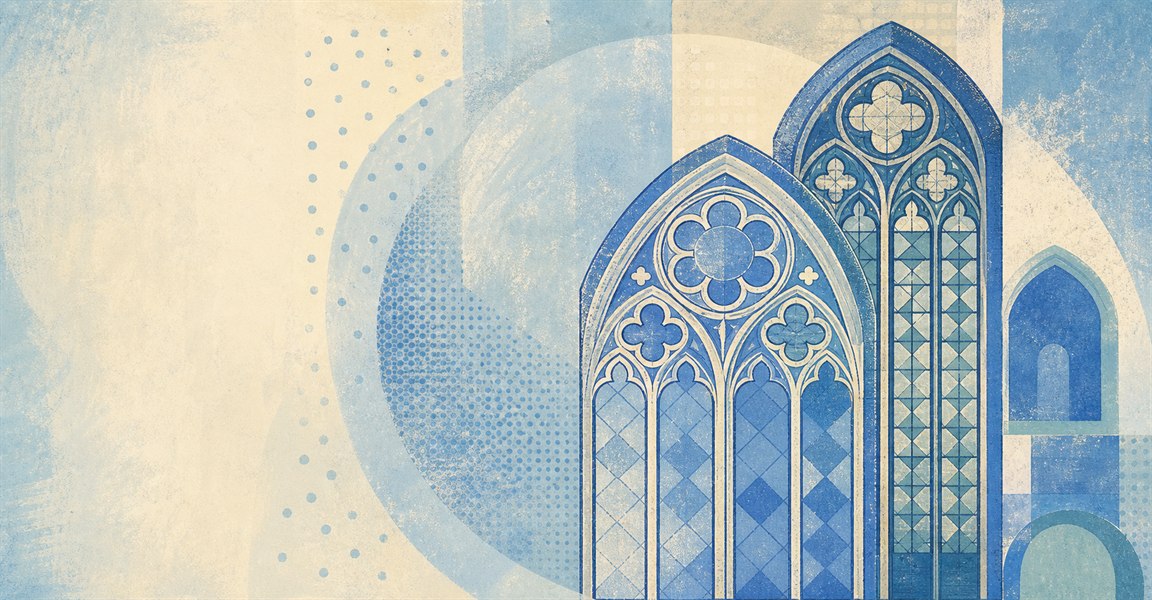
20 EUR banknote · Gothic windows
EUR
Euro
50
50
EUR banknote
50EUR
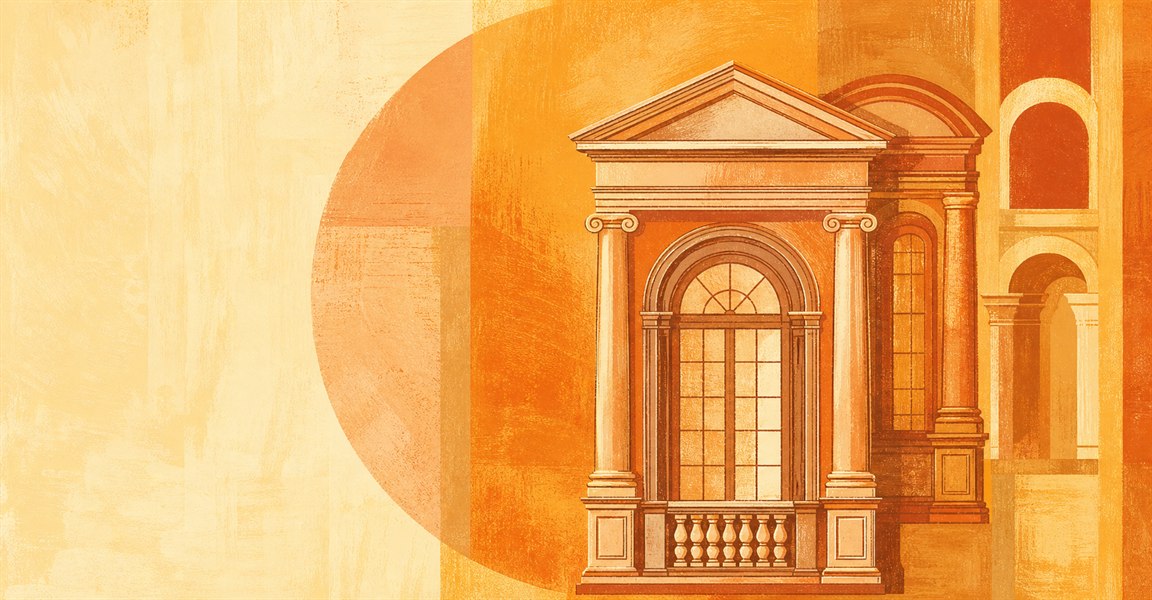
50 EUR banknote · Renaissance window
EUR
Euro
100
100
EUR banknote
100EUR
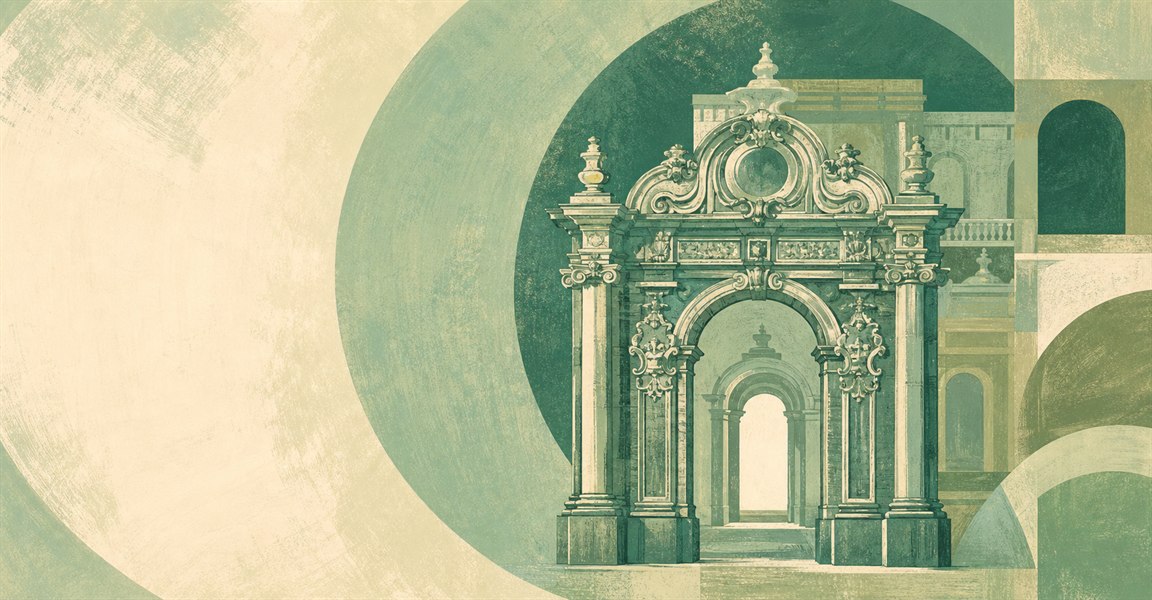
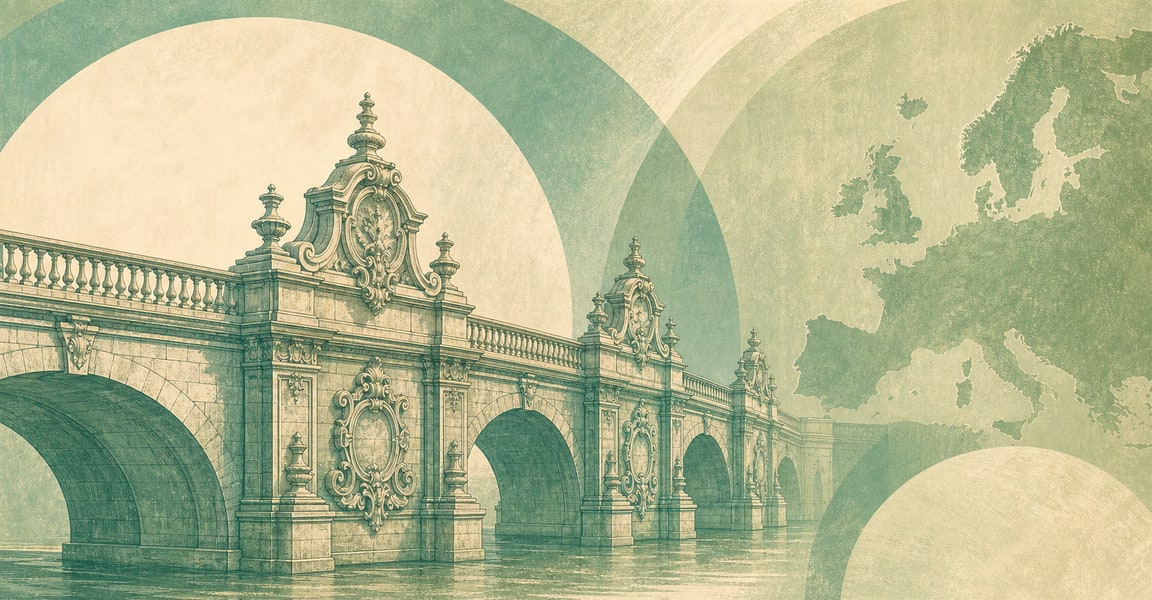
100 EUR banknote · Baroque gateway
EUR
Euro
200
200
EUR banknote
200EUR
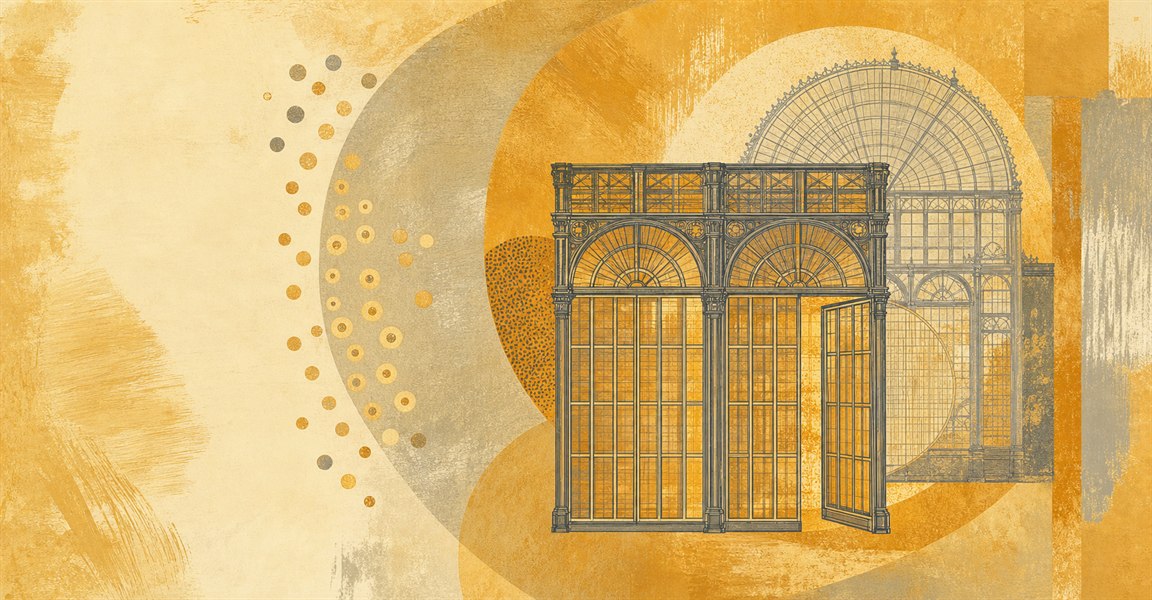
200 EUR banknote · Iron and glass
EUR
Euro
500
500
EUR banknote
500EUR
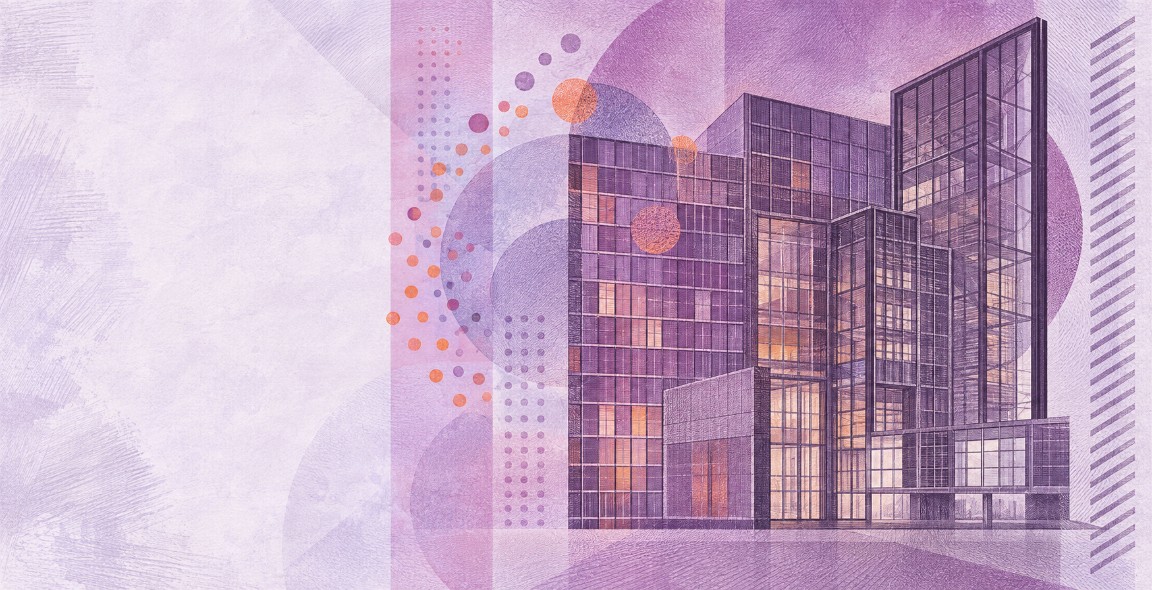
500 EUR banknote · Modern glass and steelOlder series · no longer issued
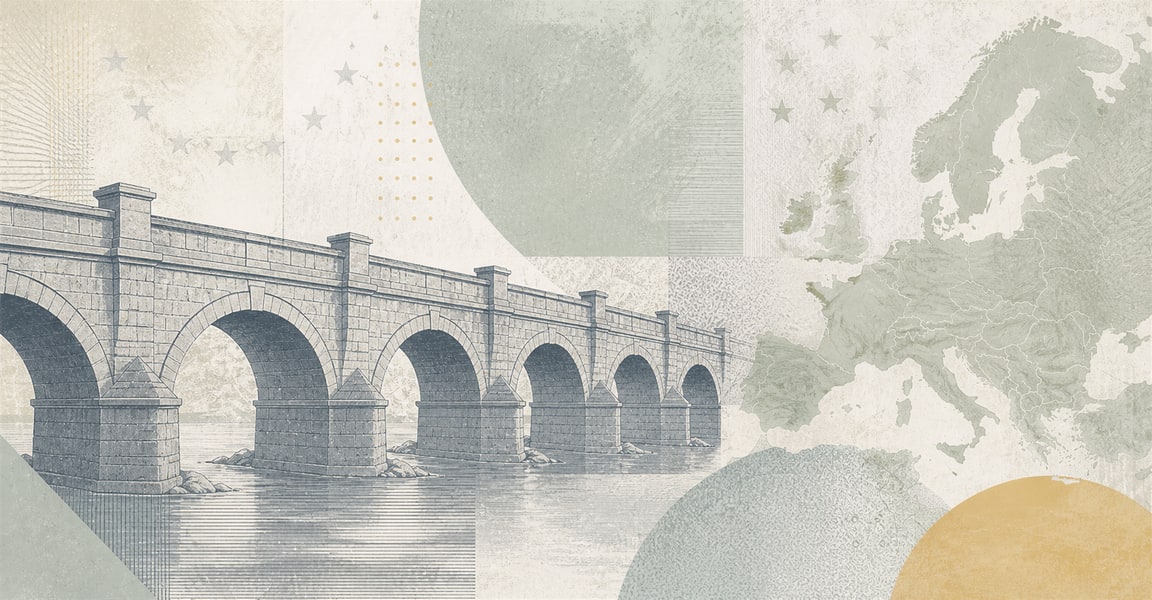
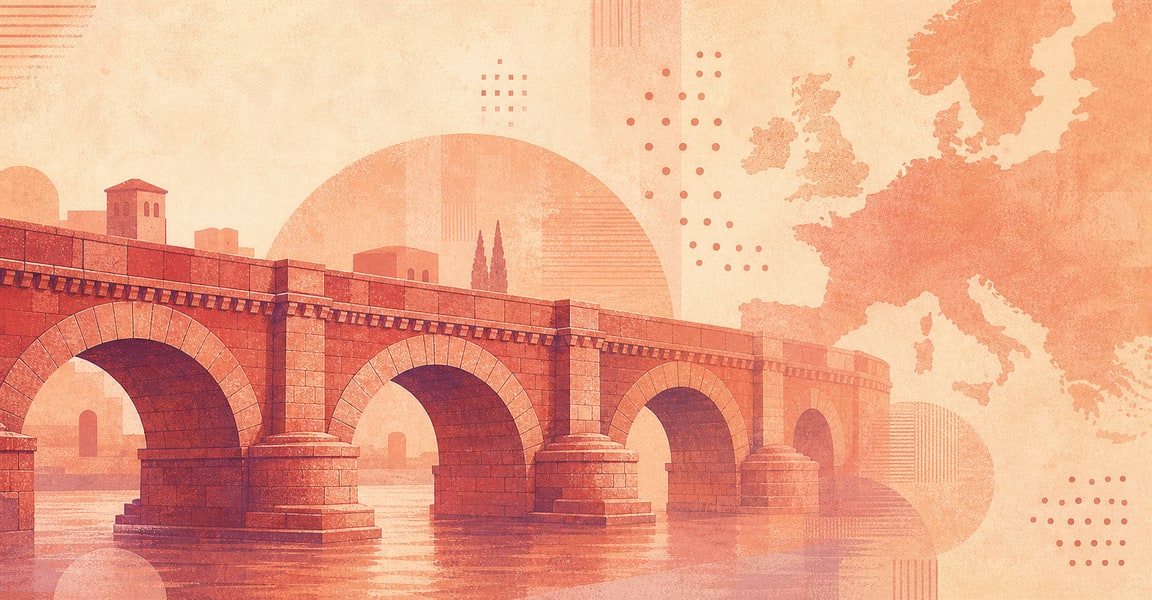
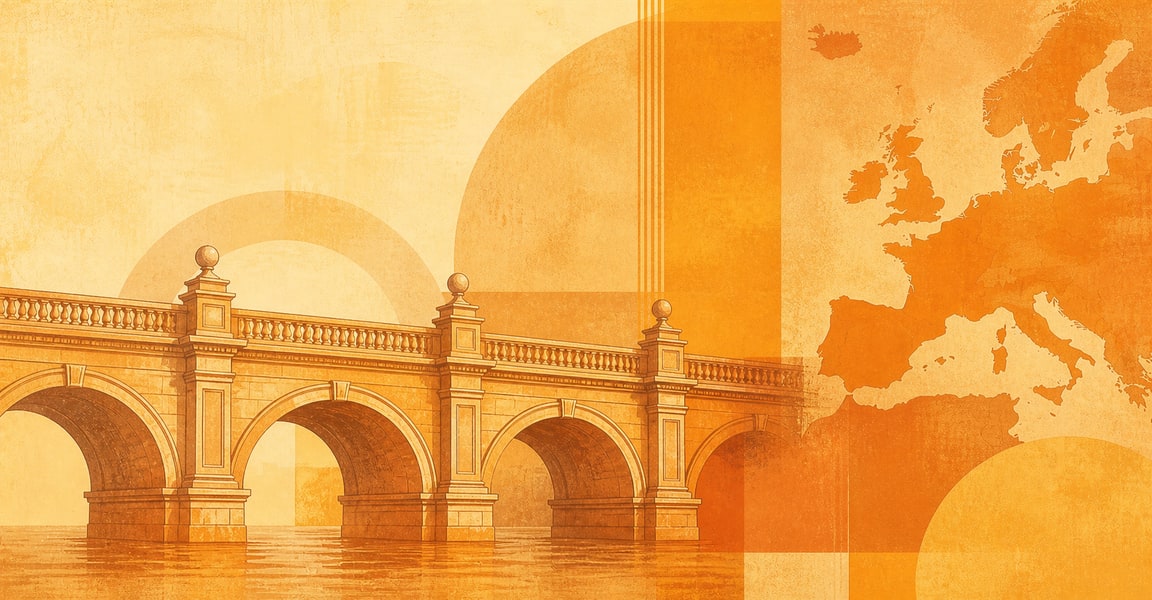
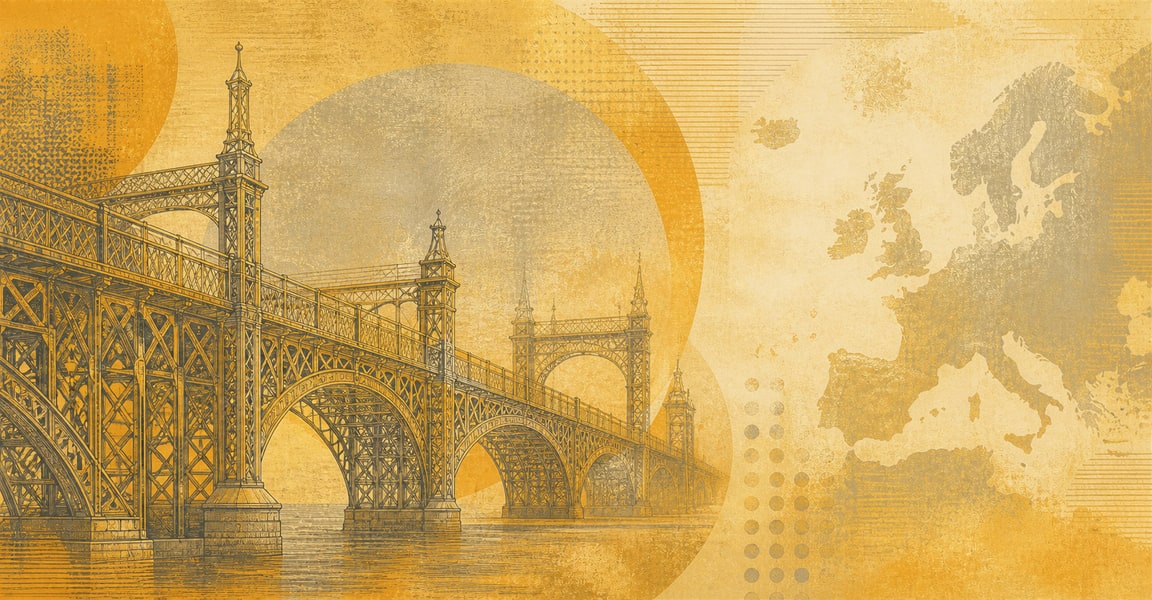
The euro banknote theme is imagined European architecture rather than real monuments: windows and gateways move from classical to modern styles, while bridges on the reverse suggest connection. Cash by Country artwork is an original, simplified interpretation and is not legal tender.
The wallet crossed from marks to euros
BEFORE 2002Deutsche Mark
EUR
FROM 2002Euro cash
De facto is invisible at the checkout
A EUR 20 note still buys EUR 20 of goods. The unusual part sits behind the counter: Montenegro is not represented in euro-area monetary decisions and does not have the minting agreement held by Monaco, San Marino, Vatican City or Andorra.
Every national side comes from somewhere else
Euro coins share one common value side and carry a national design from an authorised issuer on the other. Montenegro issues none, so the mixed designs in a handful of change are a pocket-sized map of the wider euro world.
Banknotes do not reveal a home country
Euro notes are shared designs rather than national editions. A EUR 20 note in Montenegro looks like a EUR 20 note elsewhere in the euro area; country-specific designs appear on coins, not banknotes.
Small notes suit the shape of the trip
A coastal hotel may happily take a card, while a bakery, bus, parking stop or mountain cafe may be easier with a EUR 5 or 10 note. Large notes are genuine money, but they are rarely the friendliest way to buy something small.
Do not bring a second currency for Montenegro
There is no local cash to obtain after arrival. Travellers arriving with dollars, pounds or neighbouring Balkan currencies must exchange them or use a card; carrying euros from another euro destination removes that step entirely.