Vietnam has no everyday coin pocket. From a 200 dong paper note to a 500,000 dong polymer note, every cash value arrives on paper or plastic.
3 min readReviewed 17 August 2026
VNDEleven banknotes carry the whole cash walletVietnamese Dong Banknotes
The many zeroes look harder than they are. Vietnam's banknotes form two practical families: small cotton-paper notes from 200 to 5,000 dong and polymer notes from 10,000 to 500,000 dong. Most travellers spend their time in the polymer family, but the lower values remain legal tender and complete the official ladder.
The quick answer Learn the notes in groups rather than one long list. The small paper family is 200, 500, 1,000, 2,000 and 5,000 dong. The polymer family is 10,000, 20,000, 50,000, 100,000, 200,000 and 500,000 dong. There are no coins in normal use. Check the full numeral before paying, especially when a blue 20,000 dong note and a blue-green 500,000 dong note are both in the wallet.
Meet the VND
Paper money
Vietnamese dong notes make their many zeroes surprisingly learnable: warm paper values lead into a colourful polymer ladder from 10,000 to 500,000 dong.
Checking the latest reference rate...
VND
Vietnamese Dong
200
200
VND banknote
200VND
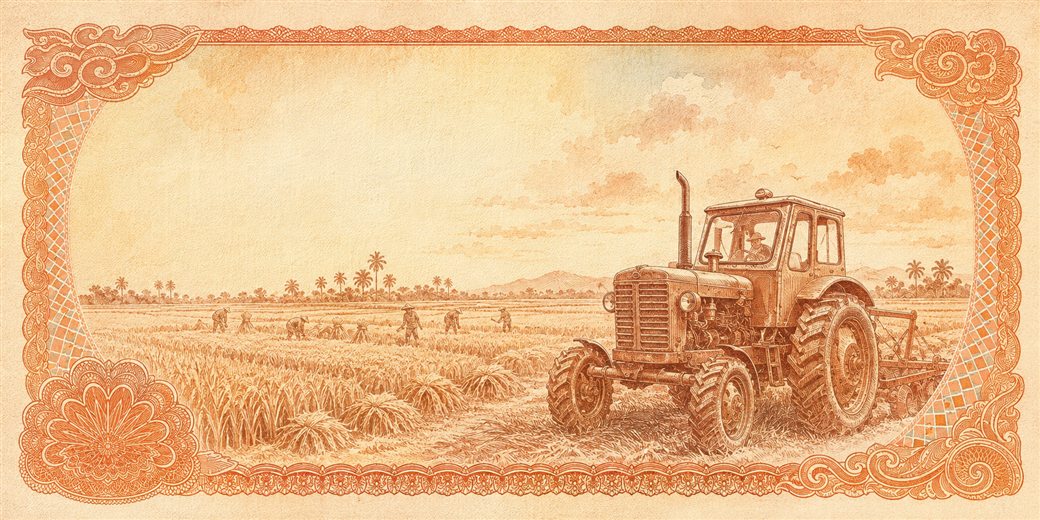
200 VND banknote · Rice harvest and tractor
VND
Vietnamese Dong
500
500
VND banknote
500VND
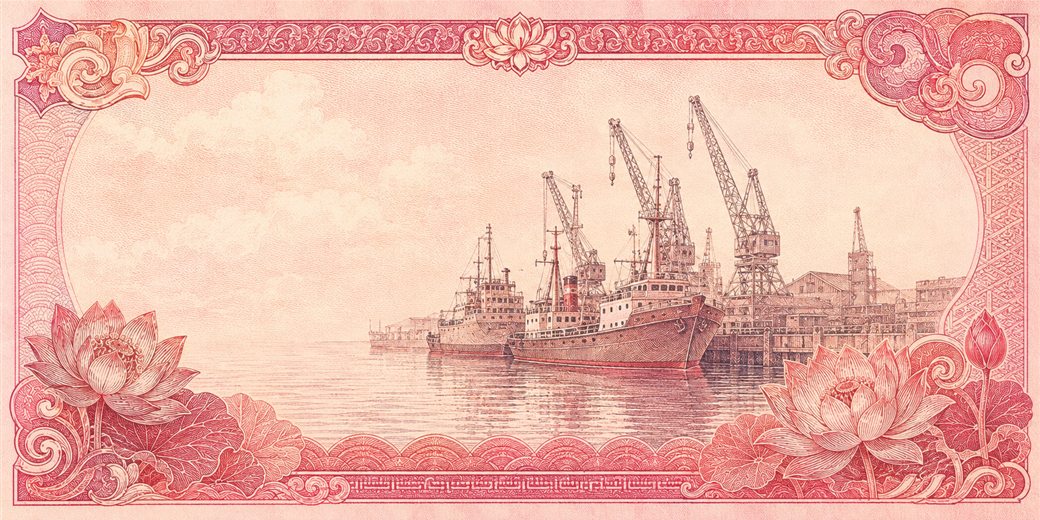
500 VND banknote · Hai Phong harbour
VND
Vietnamese Dong
1,000
1,000
VND banknote
1,000VND
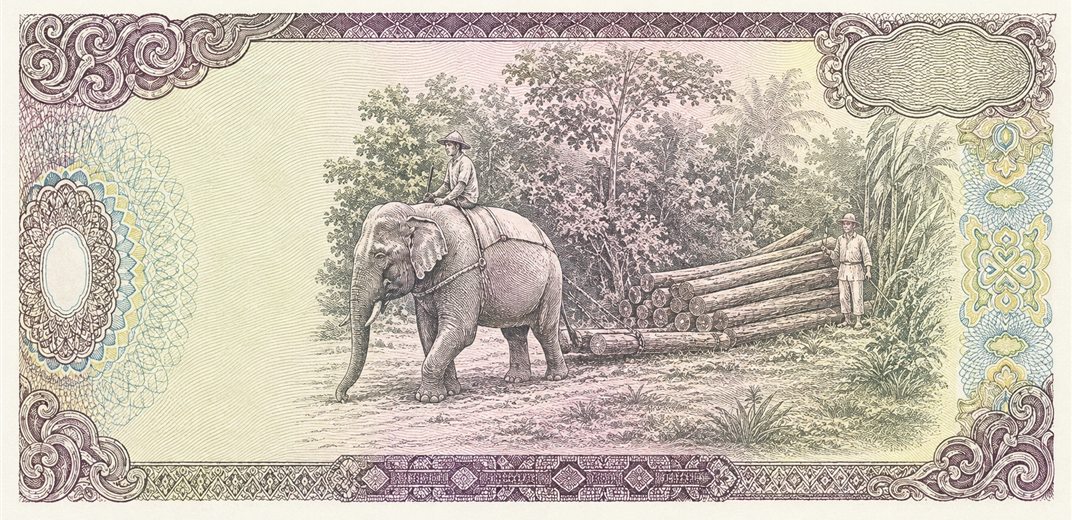
1,000 VND banknote · Elephant and timber
VND
Vietnamese Dong
2,000
2,000
VND banknote
2,000VND
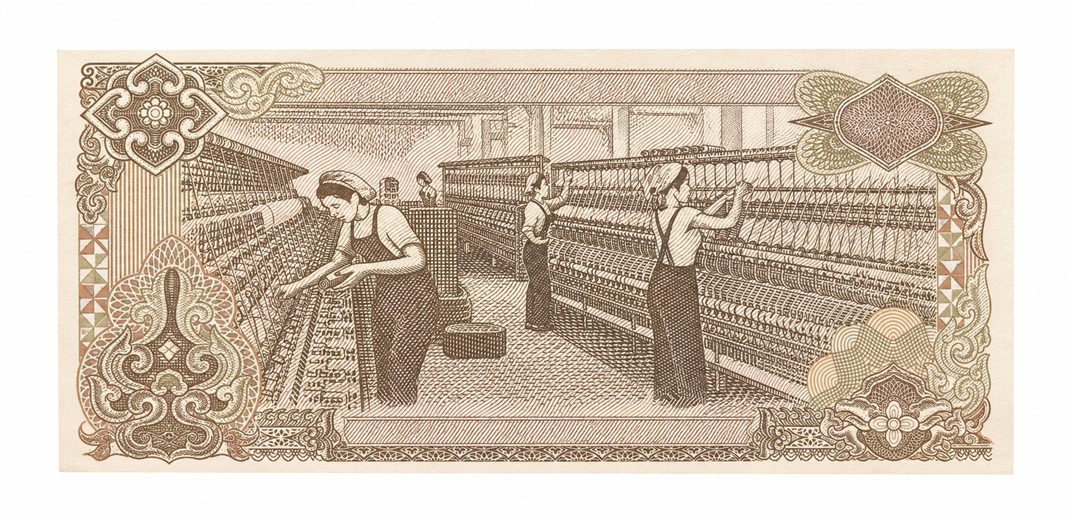
2,000 VND banknote · Textile mill
VND
Vietnamese Dong
5,000
5,000
VND banknote
5,000VND
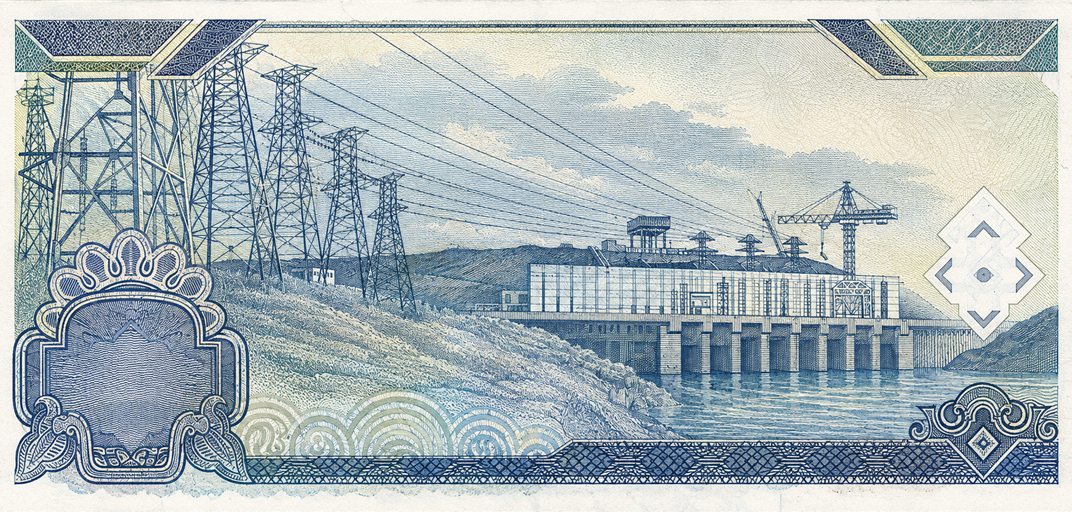
5,000 VND banknote · Tri An hydroelectric dam
VND
Vietnamese Dong
10,000
10,000
VND banknote
10,000VND
10,000 VND banknote · Bach Ho offshore oil field
VND
Vietnamese Dong
20,000
20,000
VND banknote
20,000VND
20,000 VND banknote · Japanese Covered Bridge in Hoi An
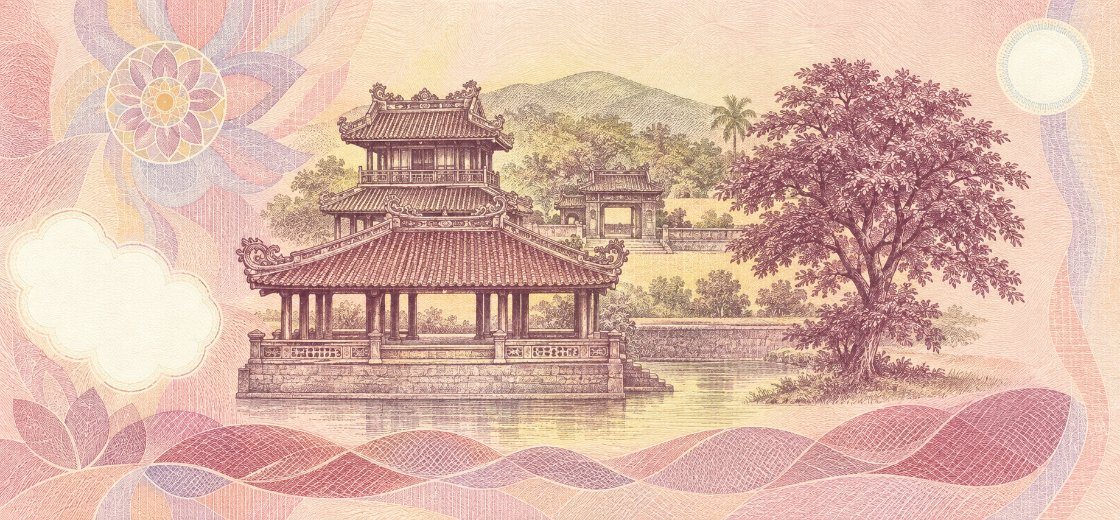
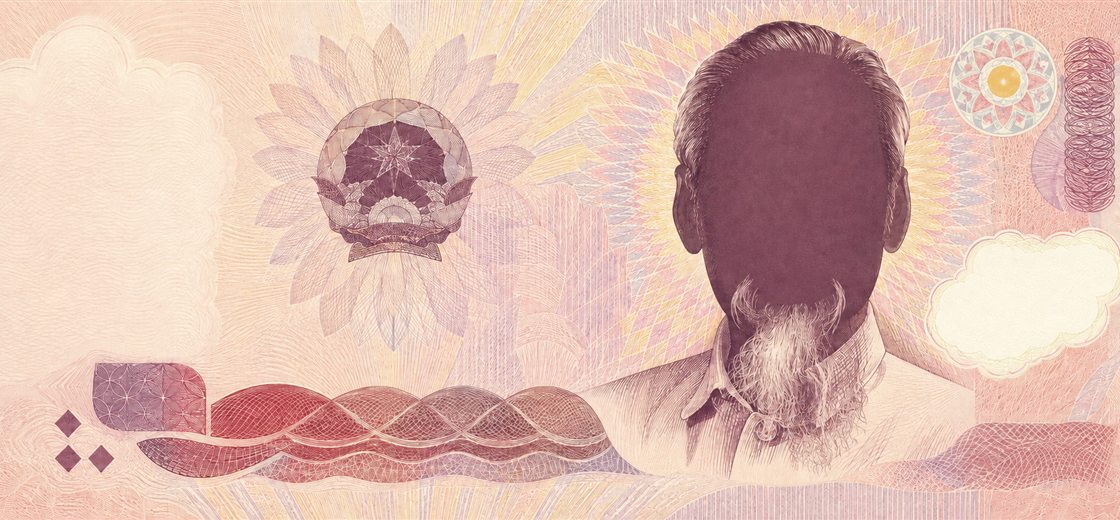
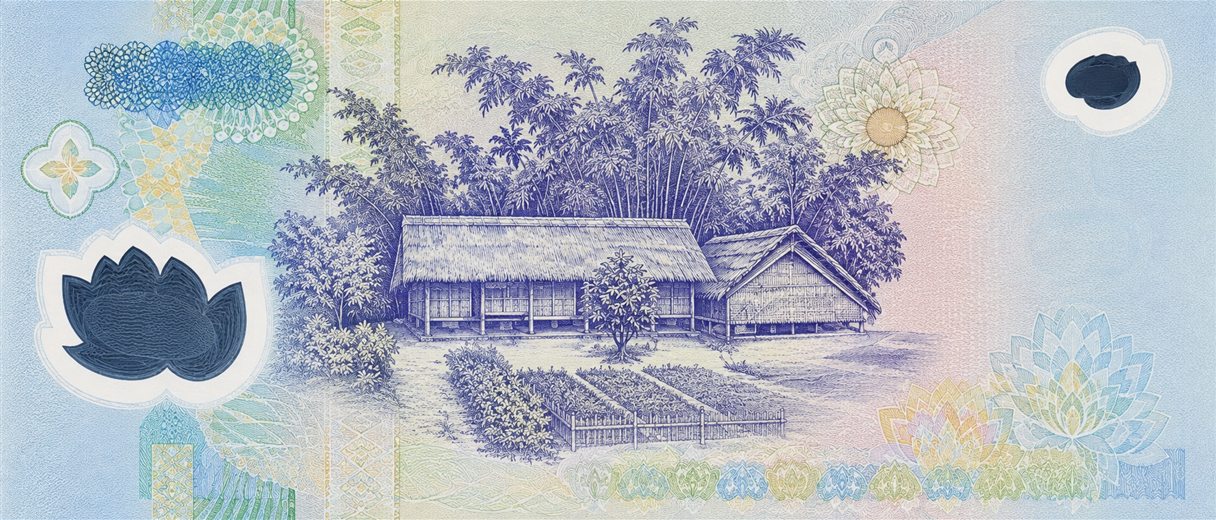
500,000 VND banknote · Kim Lien childhood homestead
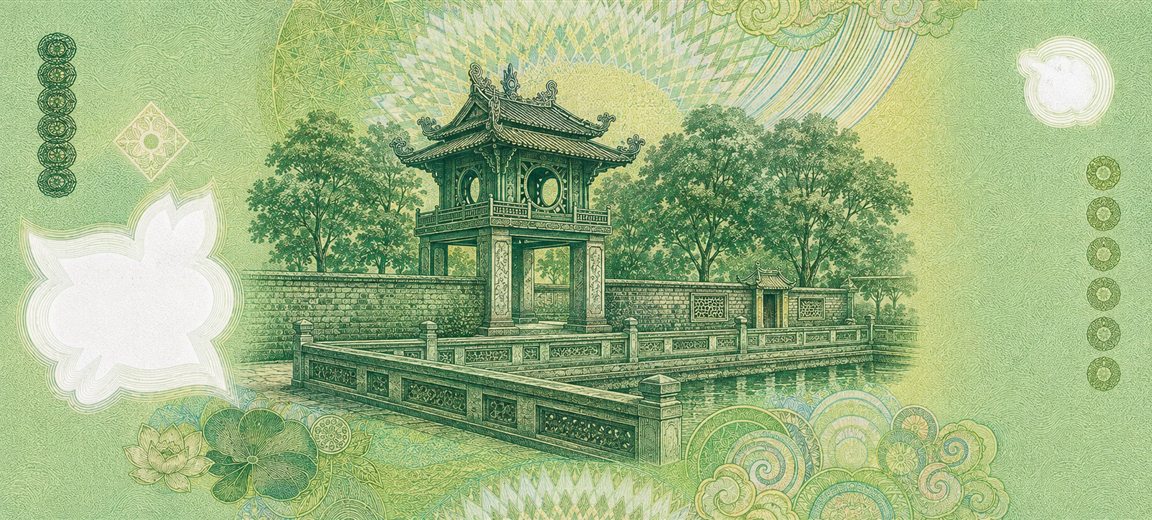
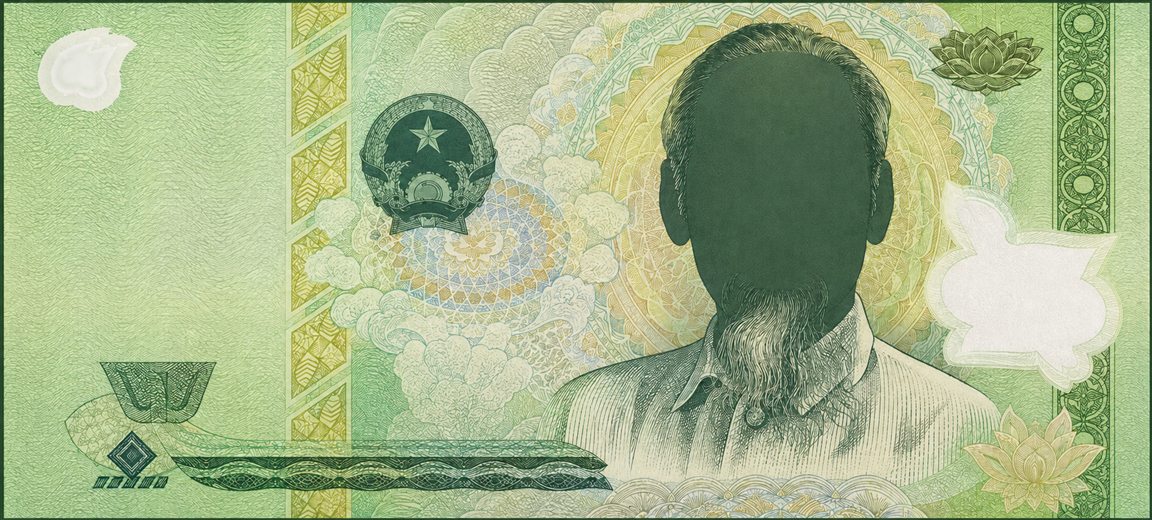
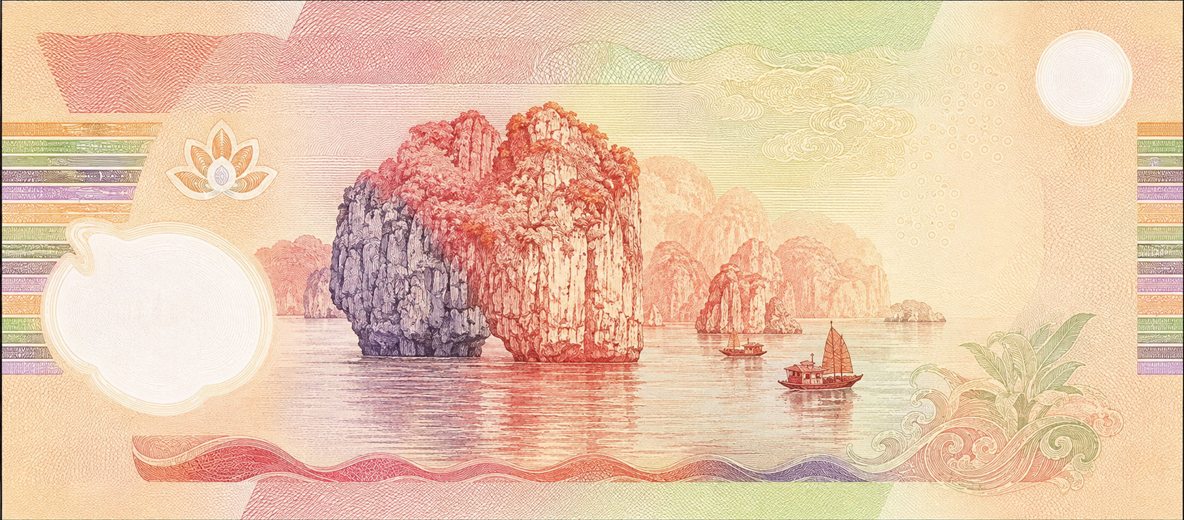
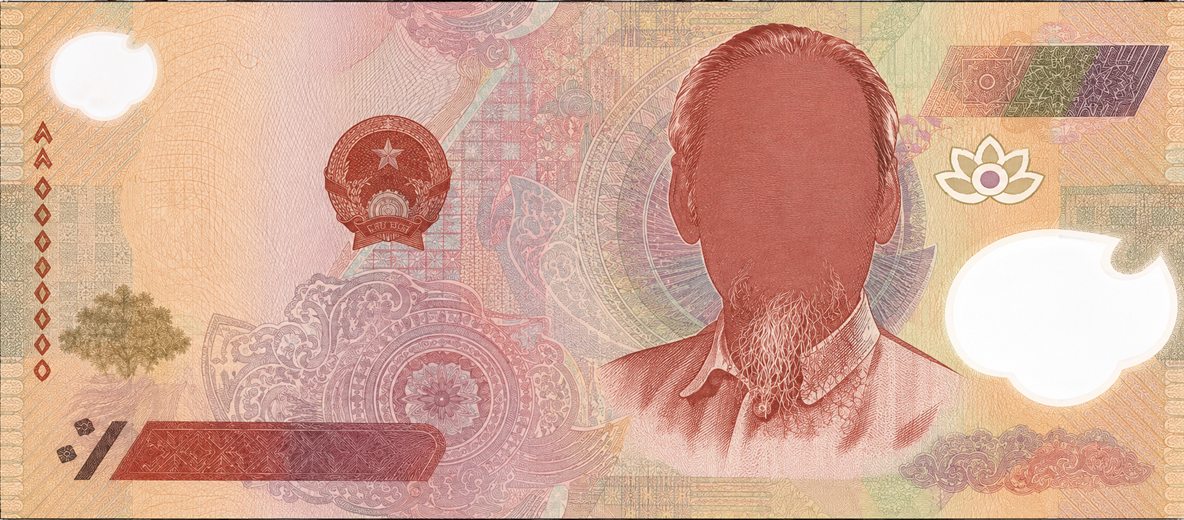
Vietnam's notes move from harvests, ports and industry into a polymer journey through oil fields, Hoi An, Hue, Hanoi, Ha Long Bay and the Kim Lien homestead. The low paper values remain legal tender, although travellers are much more likely to handle the larger notes. Cash by Country artwork is an original, simplified interpretation and is not legal tender.
Two materials make the denomination ladder easier
200-5,000Smaller cotton-paper notes10,000-500,000Larger polymer notesNO COINSBanknotes carry the full cash system
Read one note before reading eleven
THE DONG CHECKCOLOUR + FULL NUMBER + MATERIAL
FirstGroup the zeroes
ThenCheck paper or polymer
ConfirmRead the complete denomination
Before payingSay the amount to yourself
The reverses form a journey through Vietnam
The low values move through rice harvesting, Hai Phong harbour, forestry, textile production and the Tri An hydroelectric dam. The polymer notes continue through the Bach Ho oil field, Hoi An's Japanese Covered Bridge, Hue's heritage pavilions, Hanoi's Temple of Literature, Ha Long Bay and the Kim Lien homestead. Those landmarks are useful visual anchors when the zeroes still feel unfamiliar.
Blue is the one colour warning worth remembering
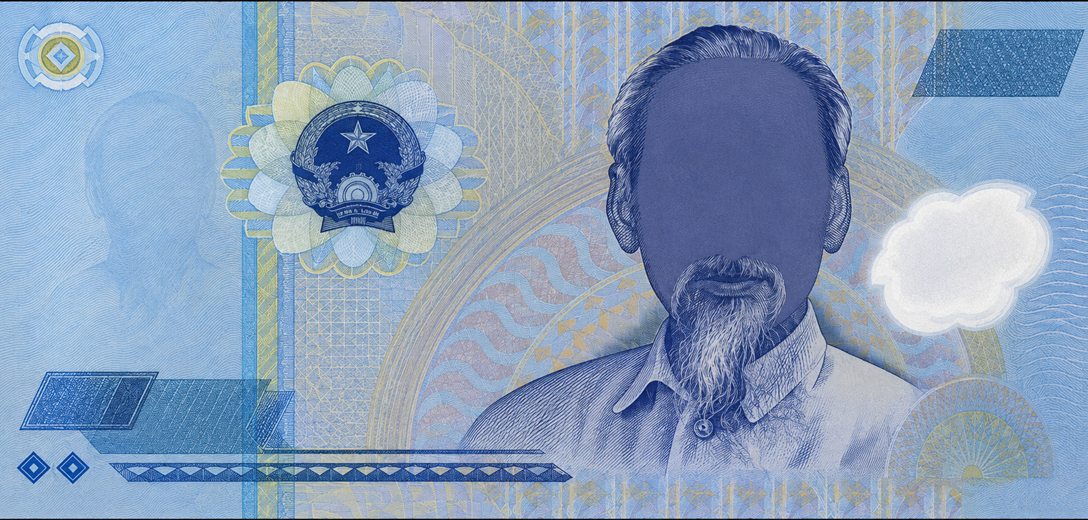
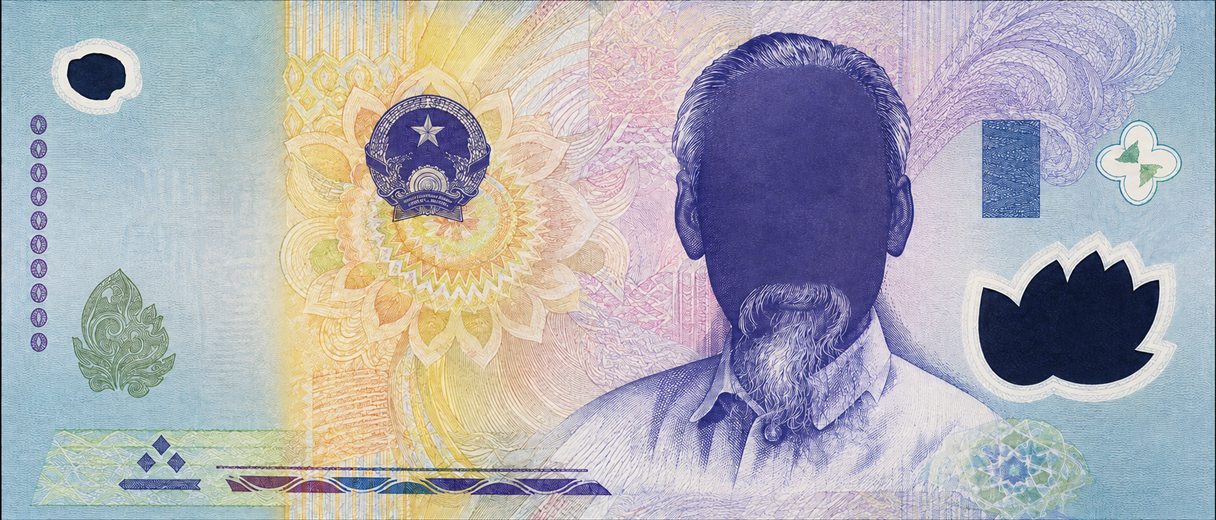
Vietnam's official tourism guidance specifically warns that the 20,000 and 500,000 dong notes have a similar blue appearance. They are twenty-five times apart in value. The sizes and designs differ, but a dim taxi or quick market handover is exactly when colour alone can mislead. Pause on the numeral before either note leaves your hand.
Legal tender and useful travel change are not the same list
The 200 and 500 dong notes are legal tender, yet their buying power is so small that travellers may rarely see them. Prices and change are commonly handled with the larger notes. Keep 10,000, 20,000, 50,000 and 100,000 dong values accessible; they solve far more everyday payments than a wallet dominated by 500,000 dong notes.
The note gets longer as the value rises
The official family grows gradually from the 130 by 65 millimetre 200 and 500 dong notes to the 152 by 65 millimetre 500,000 dong note. That changing length is another clue, especially when several denominations share nearby colours. Cash by Country preserves those proportions while simplifying the artwork.
These are recognition guides, not reproductions
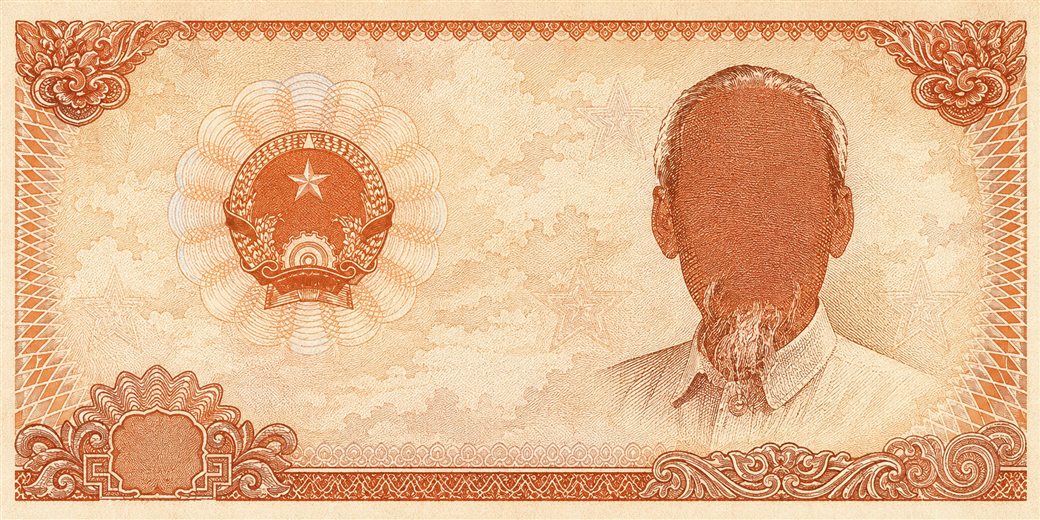
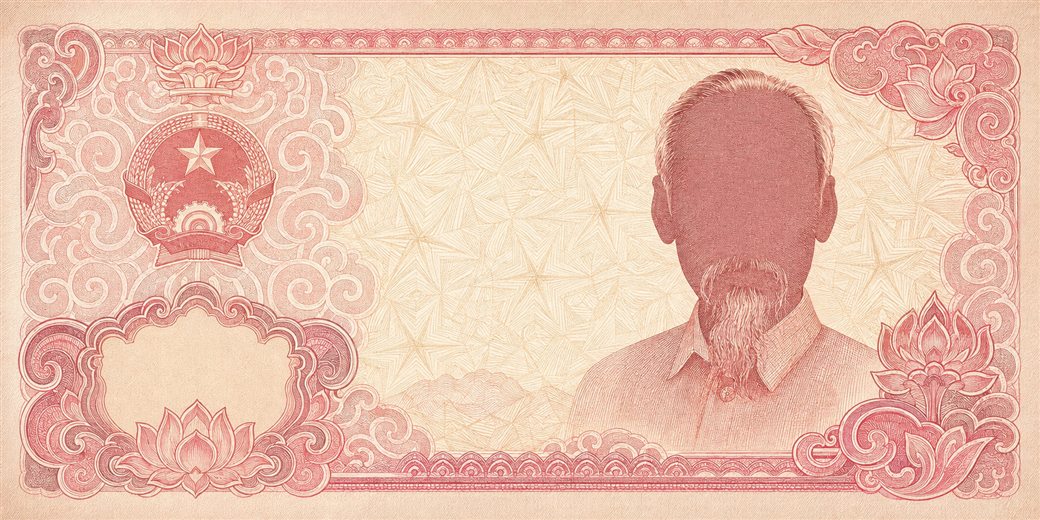
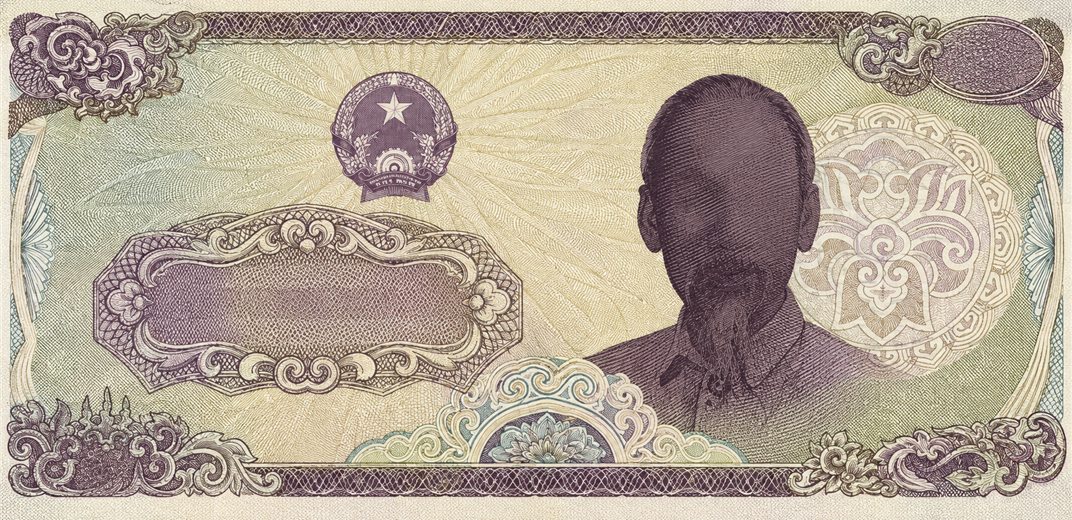
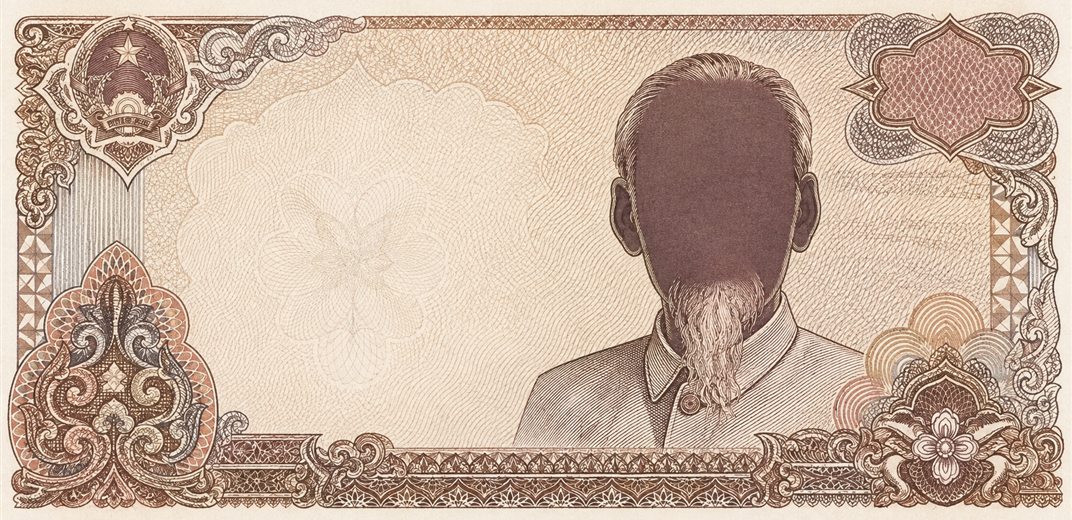
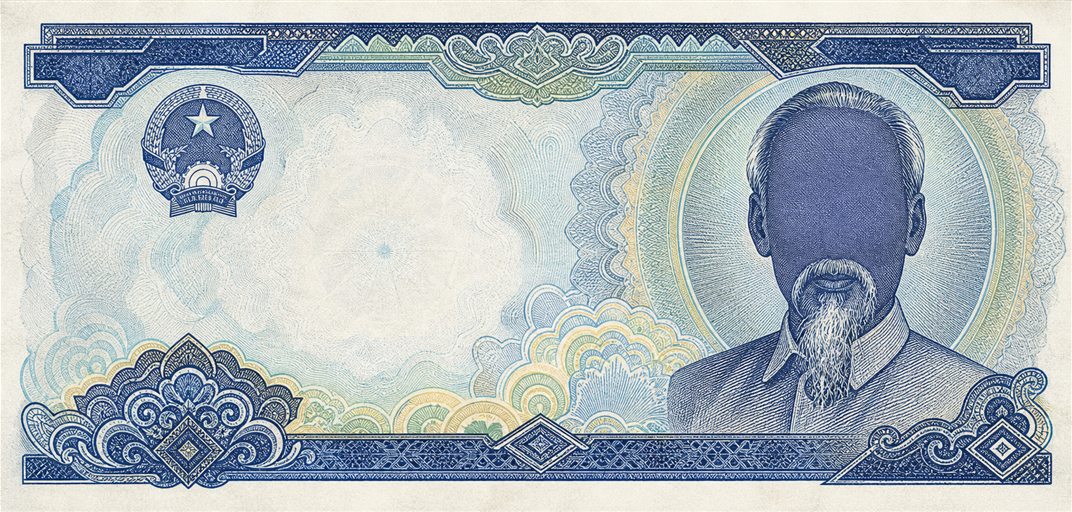
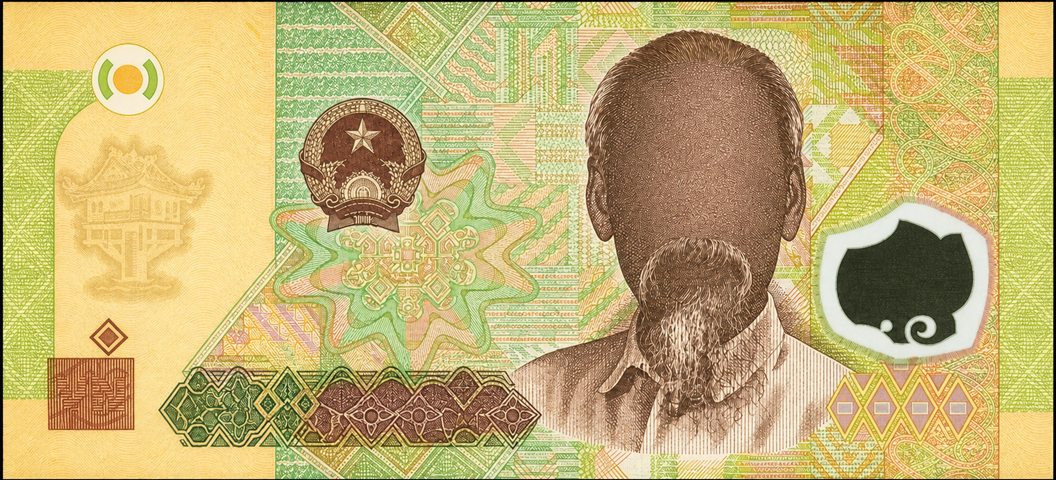
The illustrated notes keep the colour family, proportions and broad reverse-side composition so a traveller can compare the layout with cash in hand. Portraits, official lettering, serial numbers, security marks and exact artwork are deliberately omitted. Cash by Country artwork is an original, simplified interpretation and is not legal tender.