Spain arranges its euro coins like a journey: Santiago de Compostela on the copper cents, Cervantes in the middle and the monarchy on top.
2 min readReviewed 28 July 2026
3Cathedral, author, crownThree Stories in Your Change
Euro banknotes are shared across the euro area, but Spain gives its national coin sides three distinct chapters. The largest values add one useful surprise: portraits of two different kings can both be genuine and current.
The quick answer The 1, 2 and 5 cent coins show the Obradoiro facade of Santiago de Compostela cathedral. The 10, 20 and 50 cent coins show Miguel de Cervantes. EUR 1 and EUR 2 coins show either Juan Carlos I or Felipe VI, depending on the series; all three Spanish series remain legal tender.
Meet the EUR
Paper money
Euro notes follow an easy architectural colour ladder - grey €5, red €10, blue €20, orange €50, green €100 and yellow €200 - wherever you spend them in Europe.
Checking the latest reference rate...
EUR
Euro
5
5
EUR banknote
5EUR
5 EUR banknote · Classical gateway
EUR
Euro
10
10
EUR banknote
10EUR
10 EUR banknote · Romanesque arch
EUR
Euro
20
20
EUR banknote
20EUR
20 EUR banknote · Gothic windows
EUR
Euro
50
50
EUR banknote
50EUR
50 EUR banknote · Renaissance window
EUR
Euro
100
100
EUR banknote
100EUR
100 EUR banknote · Baroque gateway
EUR
Euro
200
200
EUR banknote
200EUR
200 EUR banknote · Iron and glass
EUR
Euro
500
500
EUR banknote
500EUR
500 EUR banknote · Modern glass and steelOlder series · no longer issued
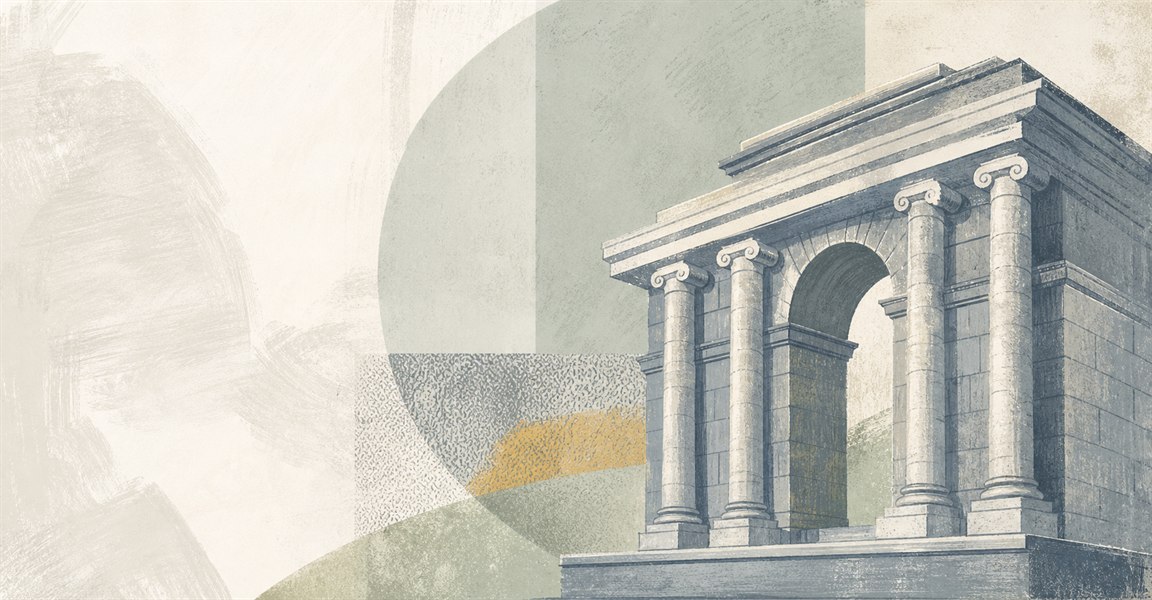
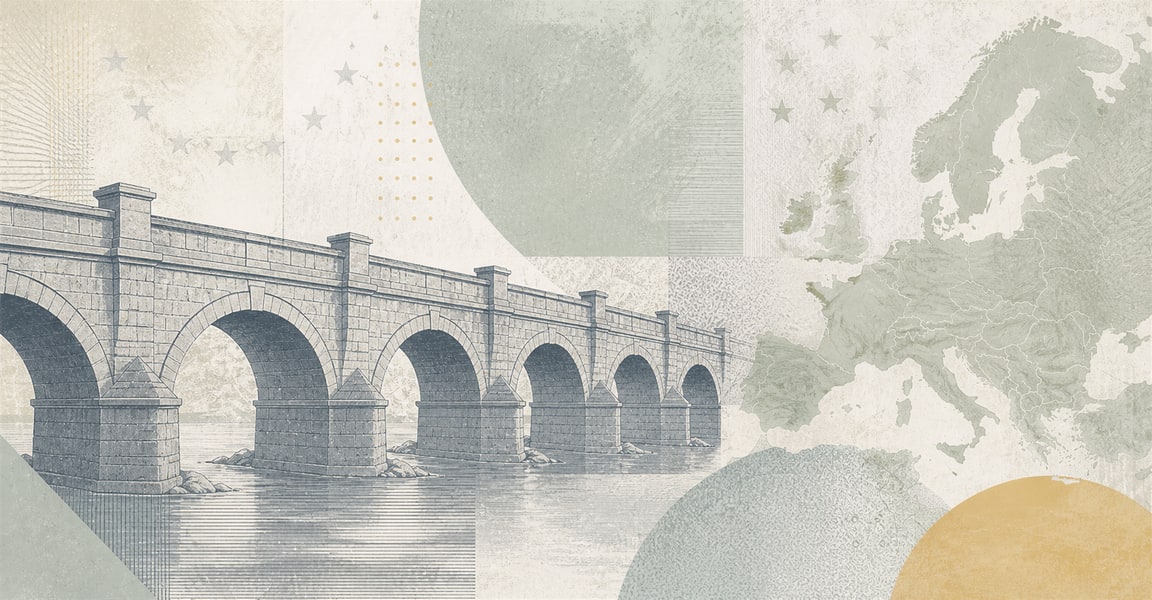
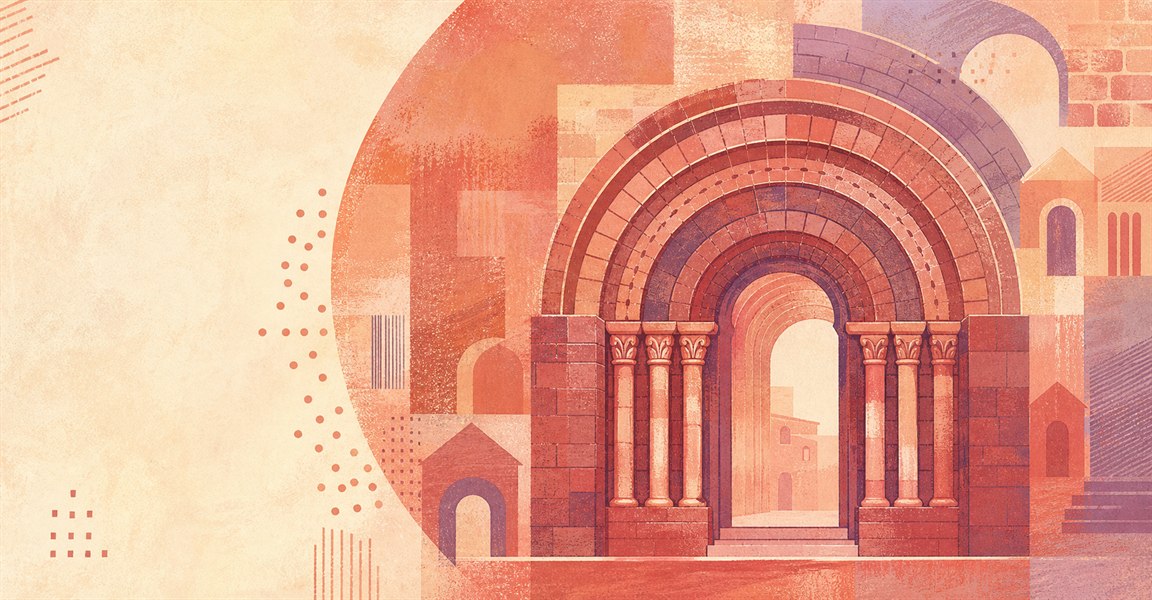
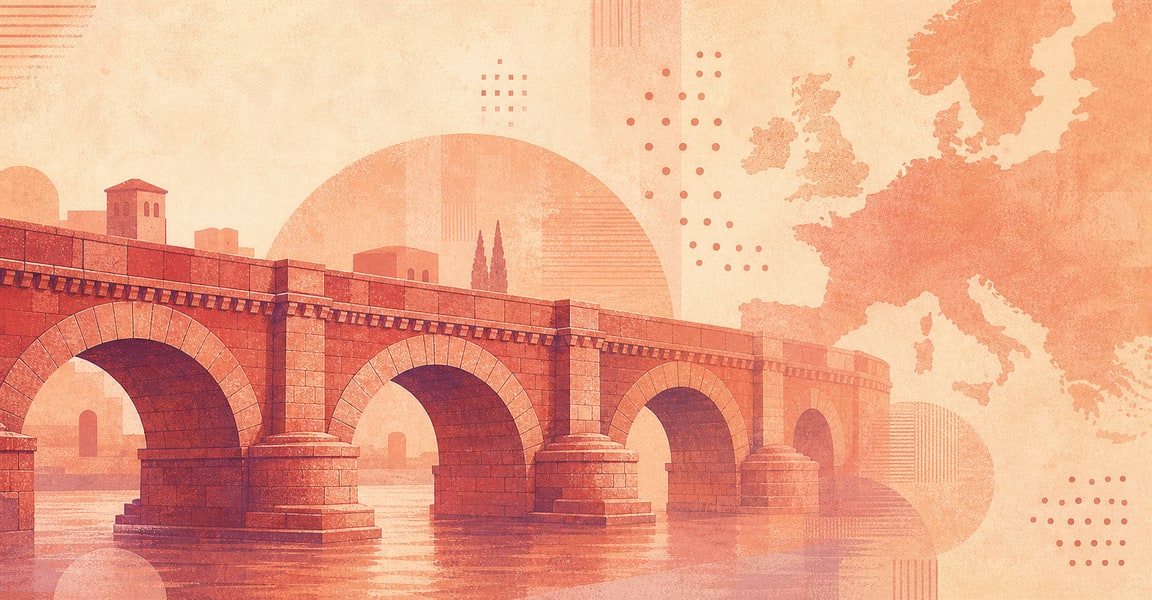
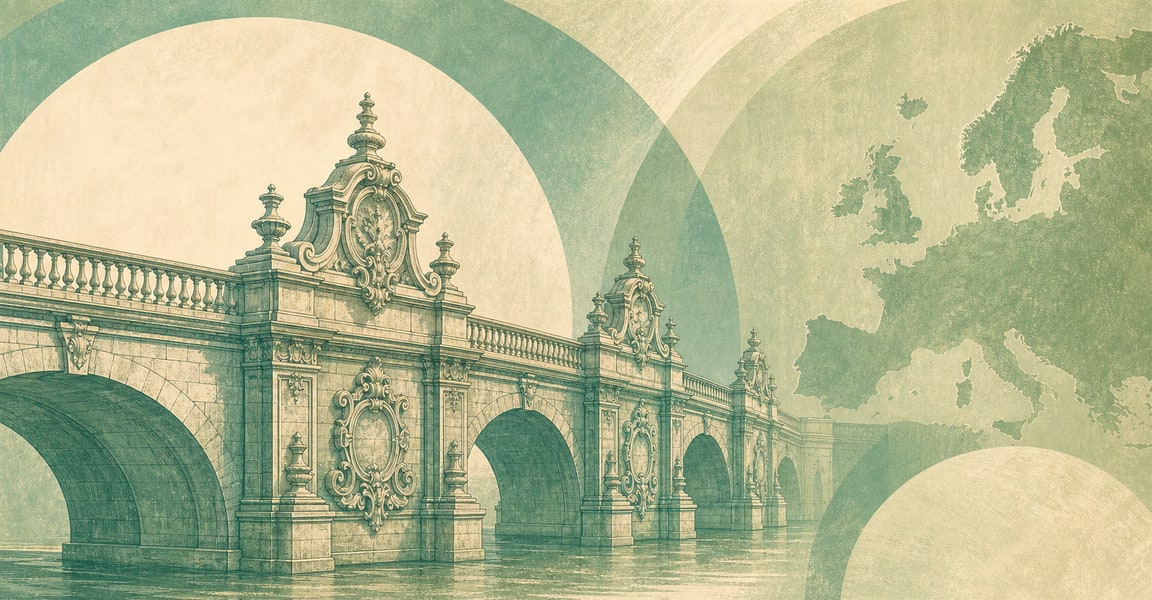
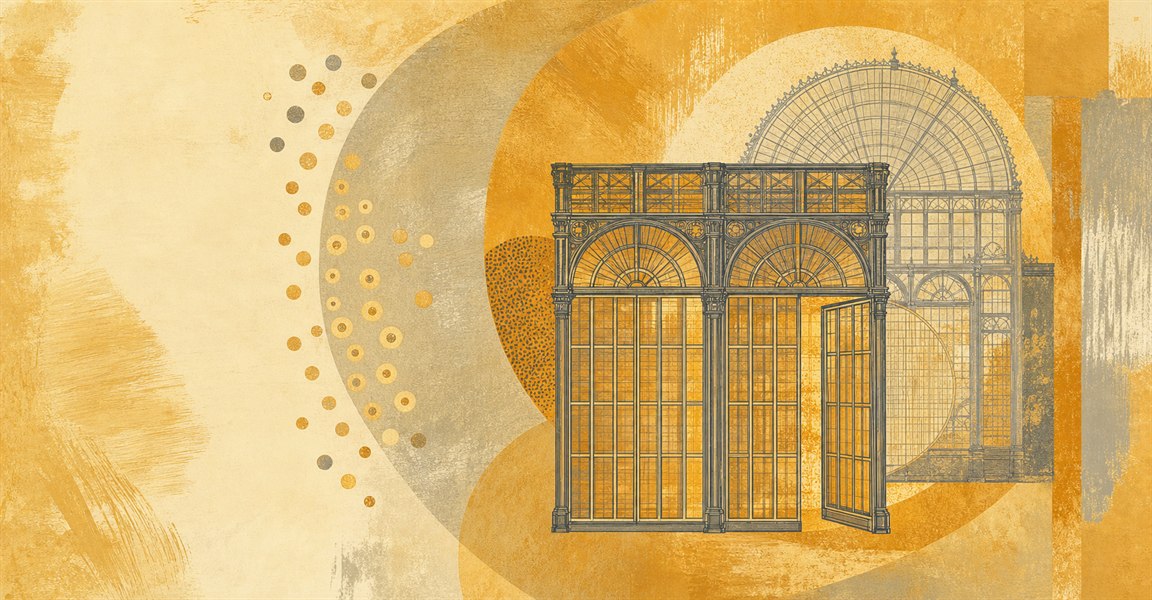
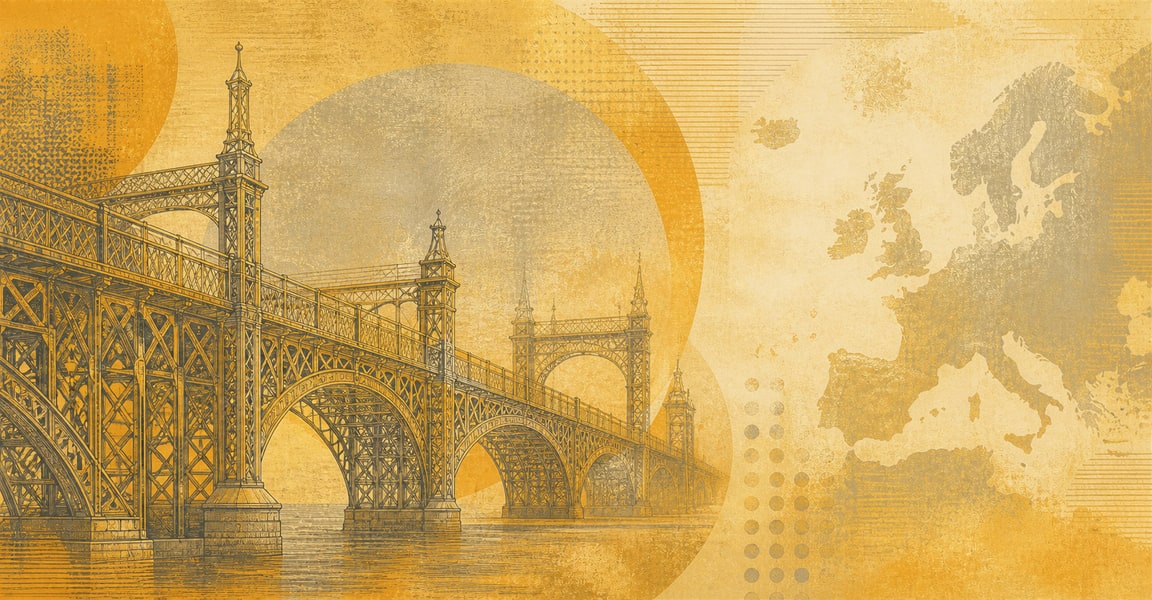
The euro banknote theme is imagined European architecture rather than real monuments: windows and gateways move from classical to modern styles, while bridges on the reverse suggest connection. Cash by Country artwork is an original, simplified interpretation and is not legal tender.
Three groups tell the whole story
1c, 2c, 5cSantiago cathedral10c, 20c, 50cMiguel de CervantesEUR 1, EUR 2Juan Carlos I or Felipe VI
The Camino begins in the copper
The smallest coins show the monumental Obradoiro facade of Santiago de Compostela cathedral, one of the world's best-known pilgrimage destinations. Spain places the end of the Camino at the beginning of the change tray.
Cervantes carries the middle values
The gold-coloured 10, 20 and 50 cent pieces show Miguel de Cervantes, author of Don Quixote and a defining figure in Spanish literature. One portrait unifies all three middle denominations.
Two kings can share one wallet
The first and second EUR 1 and EUR 2 series show Juan Carlos I. Since 2015, newly issued coins show Felipe VI. The older portrait did not expire when the newer one arrived, so both belong in ordinary circulation.
The banknotes belong to the whole euro area
A EUR 20 note in Seville has the same design as one in Amsterdam or Athens. Spain's local visual story lives on the national sides of the coins rather than on a separate Spanish banknote family.
Recognize first, authenticate second
Our original illustrations teach denomination, colour and relative size without reproducing legal tender. With a real note, feel the raised print, look for the watermark and security thread, then tilt for the hologram.