Slovakia's euro coins climb from the Tatra peak Krivan to Bratislava Castle and finish at the double cross on three hills.
2 min readReviewed 28 July 2026
3Mountain, castle, crossSlovakia in Three Motifs
Euro banknotes are shared across the euro area, but Slovakia arranged its national coin designs like a miniature journey through landscape, capital and emblem.
The quick answer The 1, 2 and 5 cent coins show Krivan in the Tatra Mountains. The 10, 20 and 50 cent coins show Bratislava Castle. The EUR 1 and EUR 2 coins show the national double cross standing on three hills.
Meet the EUR
Paper money
Euro notes follow an easy architectural colour ladder - grey €5, red €10, blue €20, orange €50, green €100 and yellow €200 - wherever you spend them in Europe.
Checking the latest reference rate...
EUR
Euro
5
5
EUR banknote
5EUR
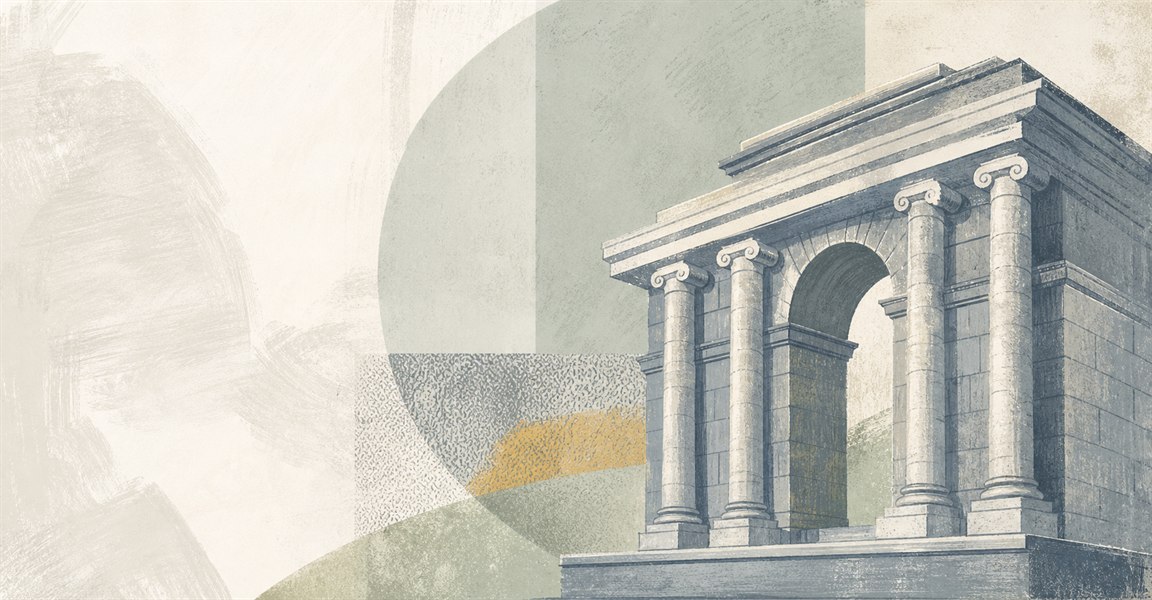
5 EUR banknote · Classical gateway
EUR
Euro
10
10
EUR banknote
10EUR
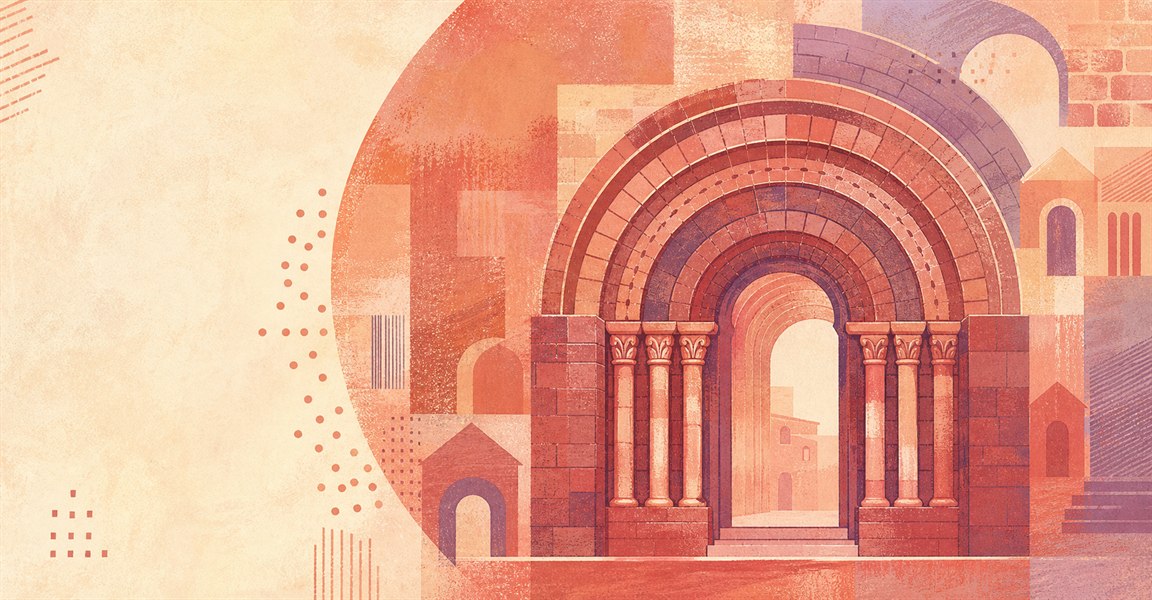
10 EUR banknote · Romanesque arch
EUR
Euro
20
20
EUR banknote
20EUR
20 EUR banknote · Gothic windows
EUR
Euro
50
50
EUR banknote
50EUR
50 EUR banknote · Renaissance window
EUR
Euro
100
100
EUR banknote
100EUR
100 EUR banknote · Baroque gateway
EUR
Euro
200
200
EUR banknote
200EUR
200 EUR banknote · Iron and glass
EUR
Euro
500
500
EUR banknote
500EUR
500 EUR banknote · Modern glass and steelOlder series · no longer issued
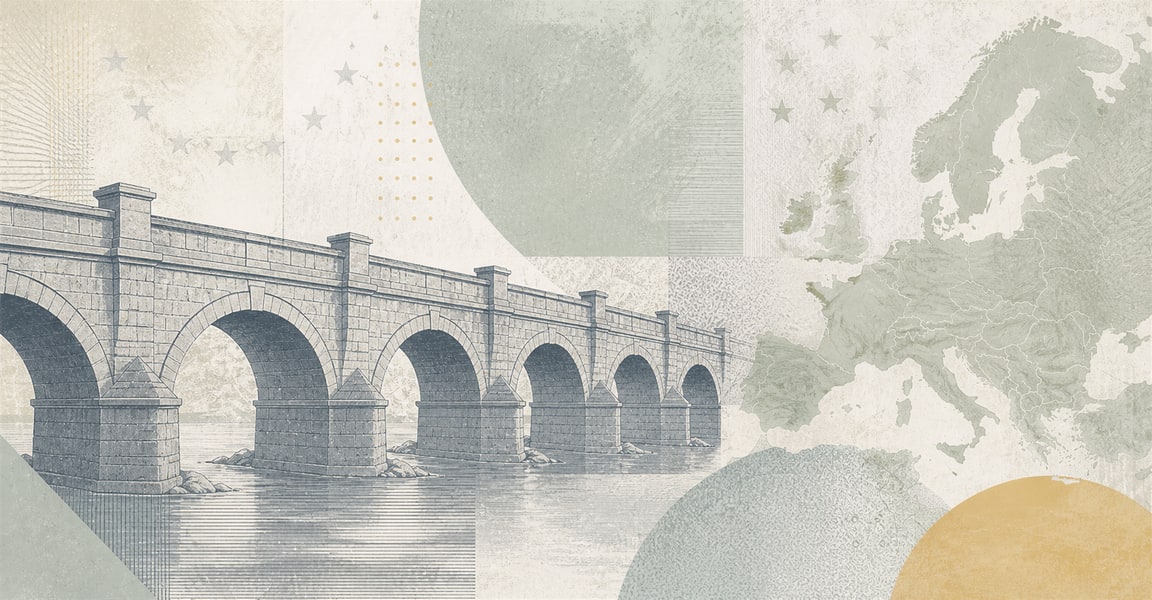
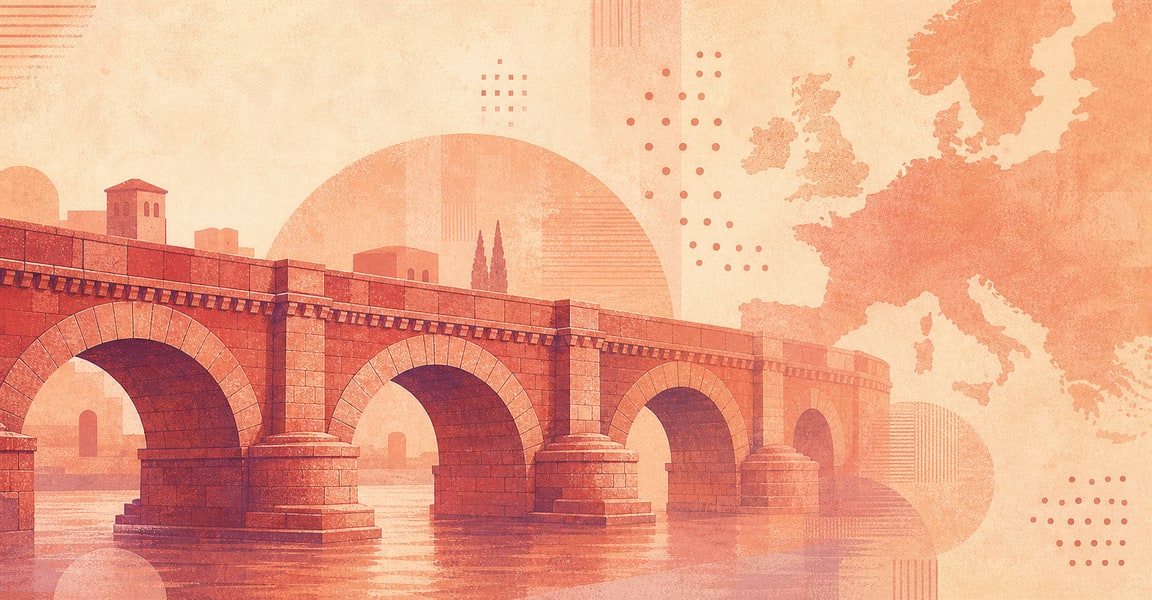
The euro banknote theme is imagined European architecture rather than real monuments: windows and gateways move from classical to modern styles, while bridges on the reverse suggest connection. Cash by Country artwork is an original, simplified interpretation and is not legal tender.
Climb through the change tray
Krivan1c, 2c and 5c→Bratislava Castle10c, 20c and 50c→Double crossEUR 1 and EUR 2
The smallest coins carry the highest peak
Krivan is one of Slovakia's most recognizable Tatra summits and a symbol of national sovereignty. It appears on the copper-coloured coins, so the lightest values begin high above the valleys.
The middle values arrive in the capital
The gold-coloured 10, 20 and 50 cent pieces show Bratislava Castle with Slovakia's national emblem. The castle's four corner towers make the silhouette easier to recognize at a glance.
The largest coins become the coat of arms
The EUR 1 and EUR 2 designs use a double cross on three hills, matching the central form of the Slovak national emblem. It distils the coat of arms into a shape that remains clear even at coin scale.
The notes are European, the coins are Slovak
A EUR 20 note in Kosice has the same design as one in Vienna. Slovakia's local identity lives on the national side of the coins rather than on a separate family of national euro banknotes.
Use colour first, security second
Our original illustrations teach denomination, colour and relative size. With real cash, add the ECB checks: feel raised print, look for the watermark and security thread, then tilt for the hologram.