
A Philippine cash drawer can now tell two stories at once. The paper New Generation Currency series carries national figures and celebrated places, while the First Philippine Polymer Banknote Series moves animals and ecosystems to the front. Both are genuine money. The trick is to recognise the shared colours, then notice whether the note bends like paper or springs back like polymer.
Paper money
Philippine cash now mixes hero-led paper notes with a new wildlife polymer family, all keeping the familiar orange, red, violet, green, yellow and blue colour ladder.
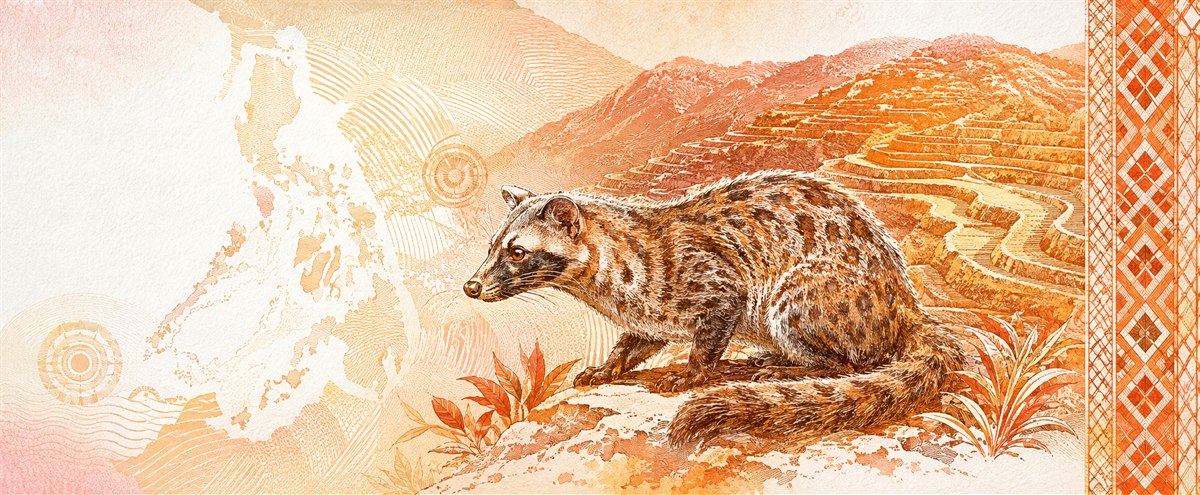

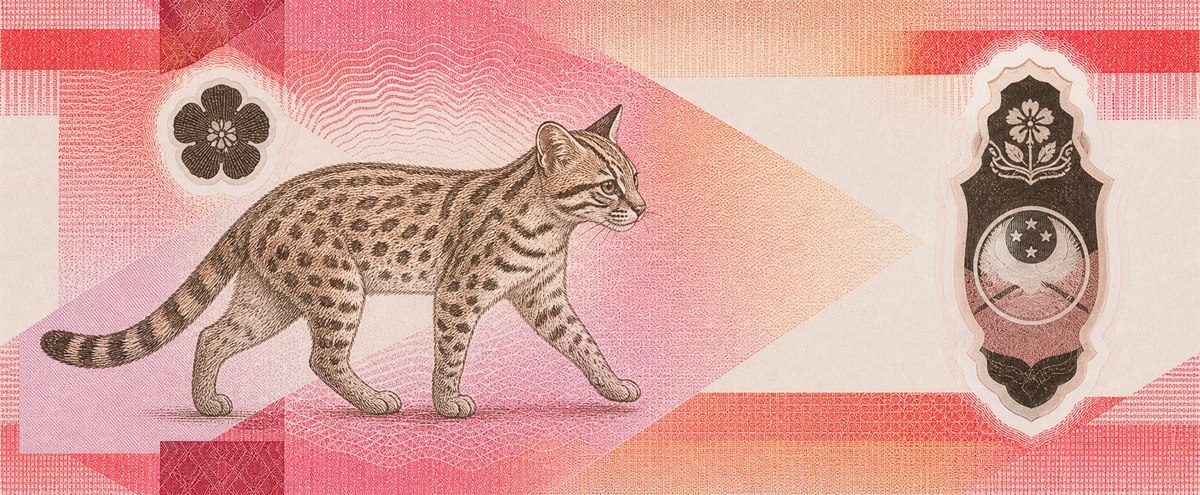
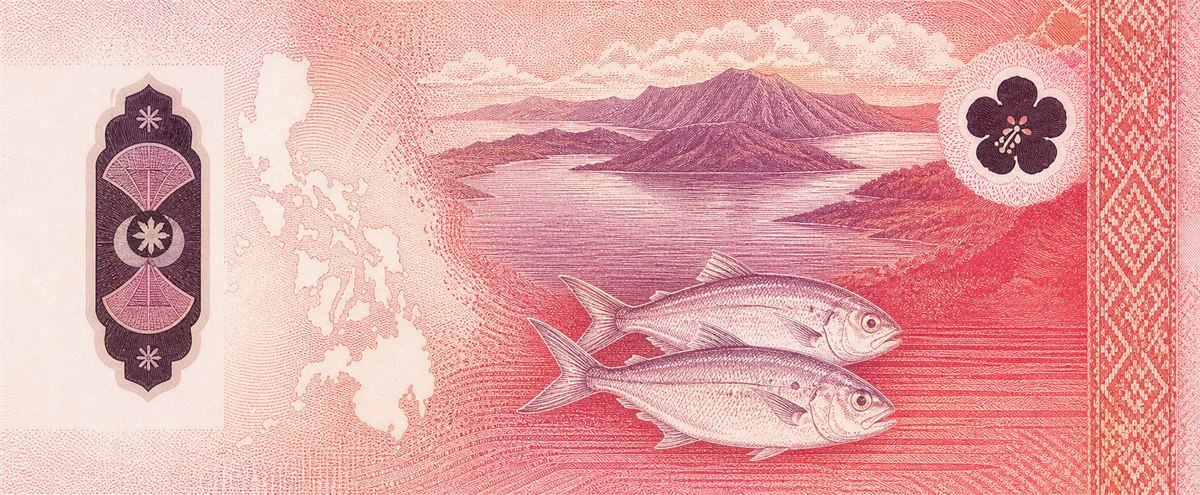
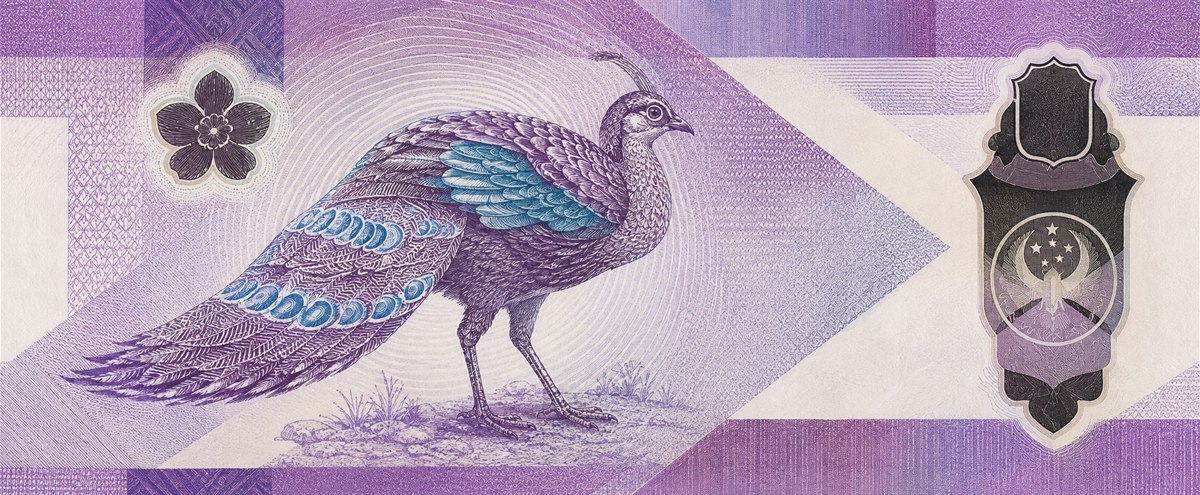
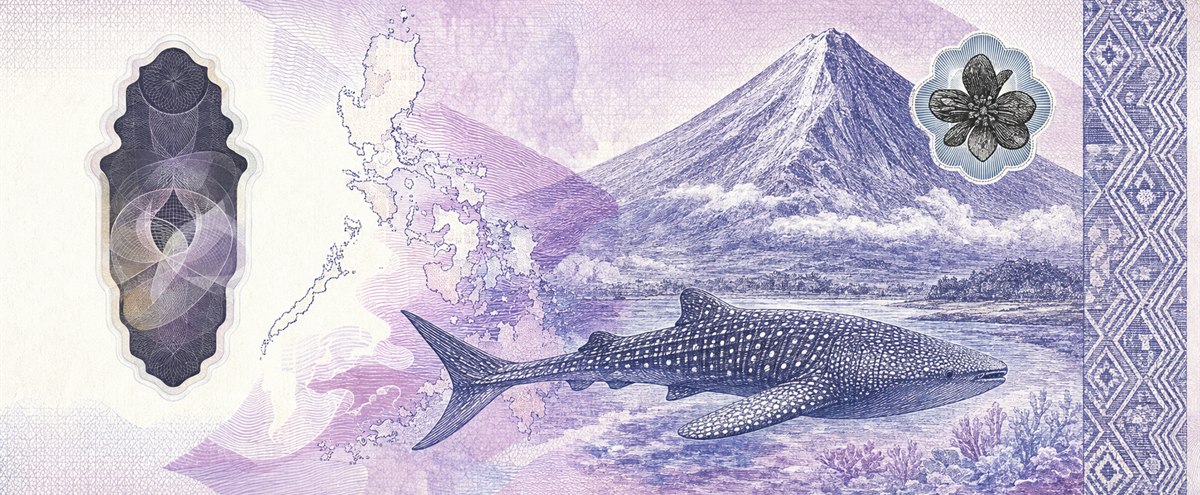
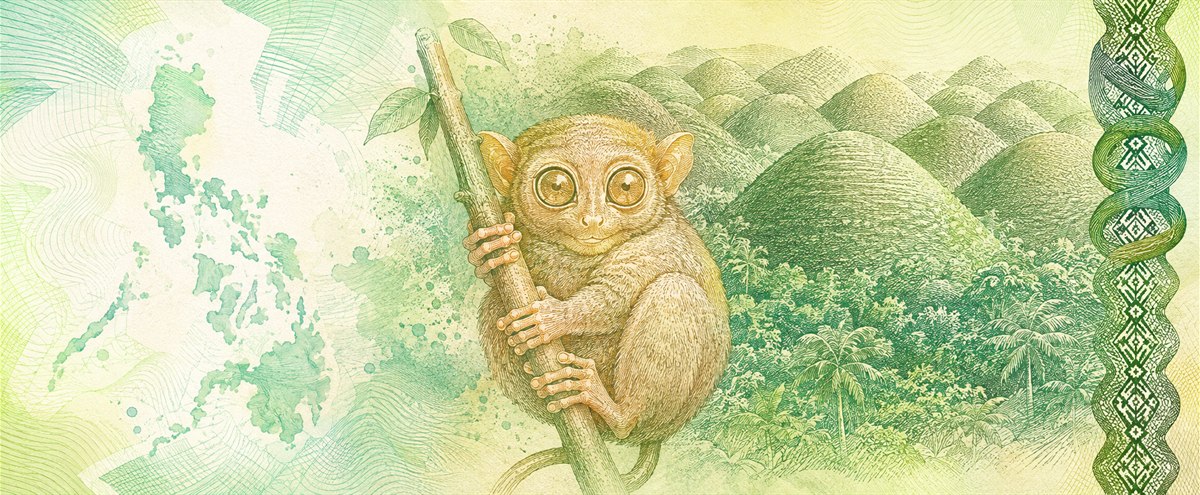
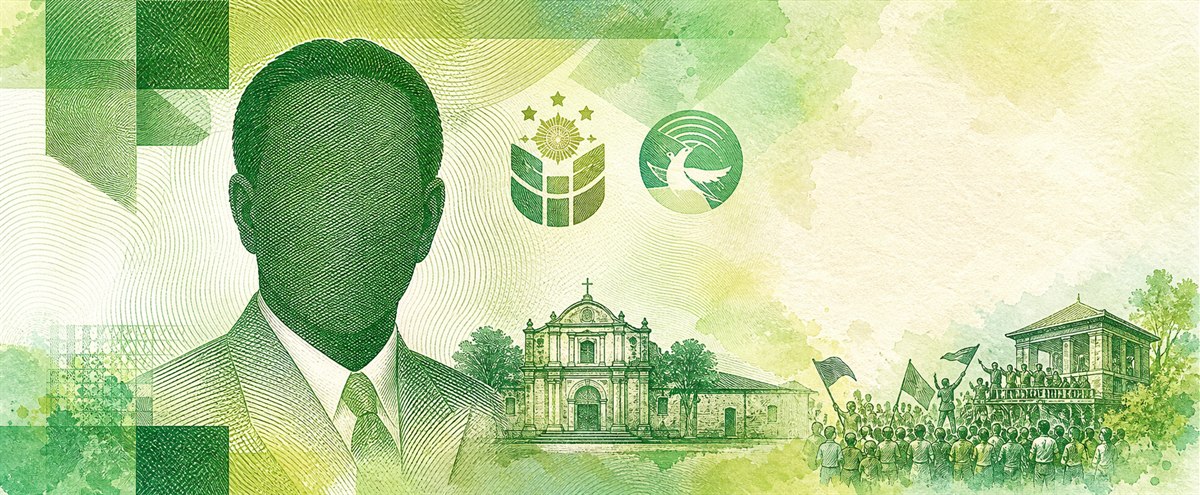
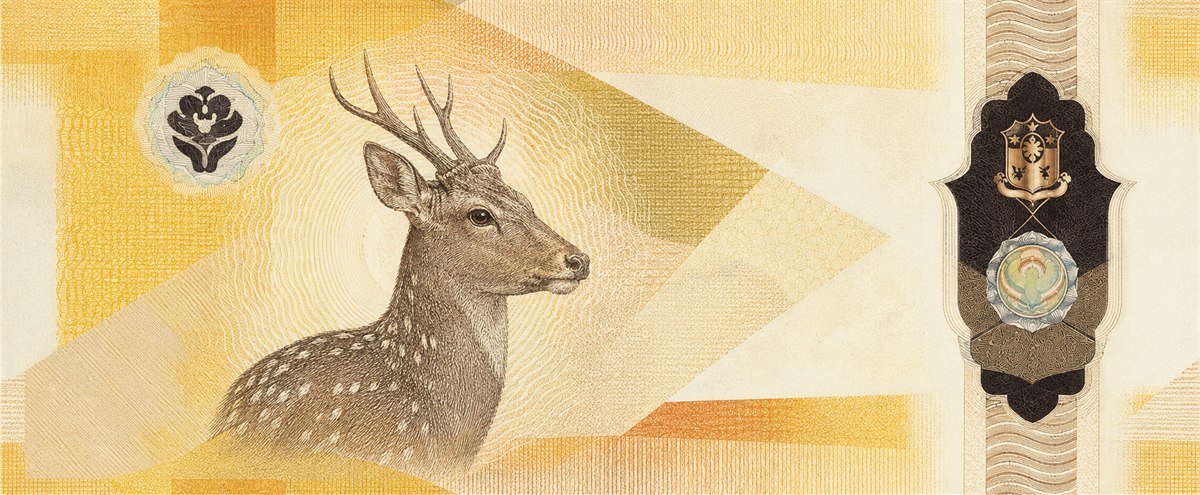
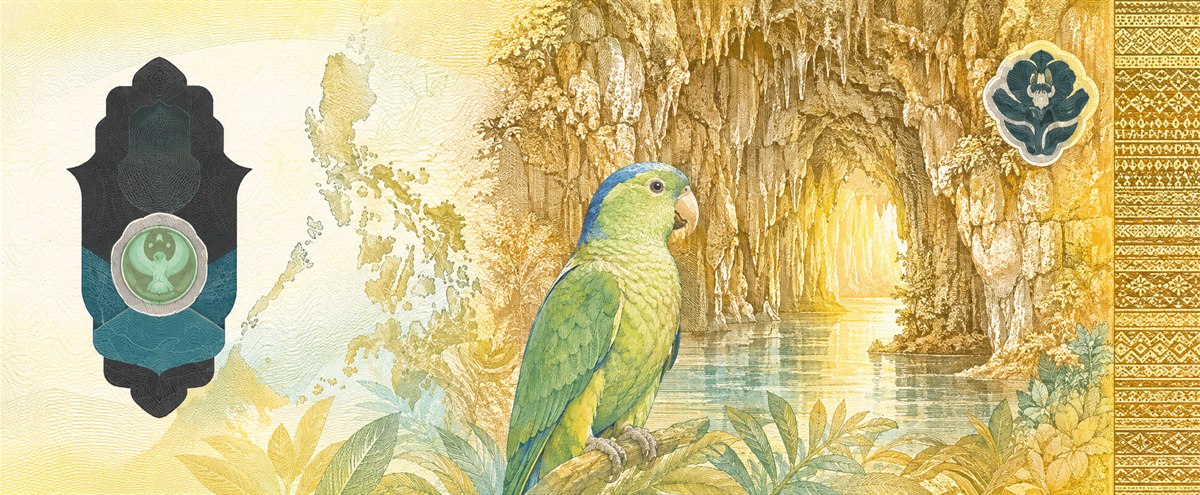
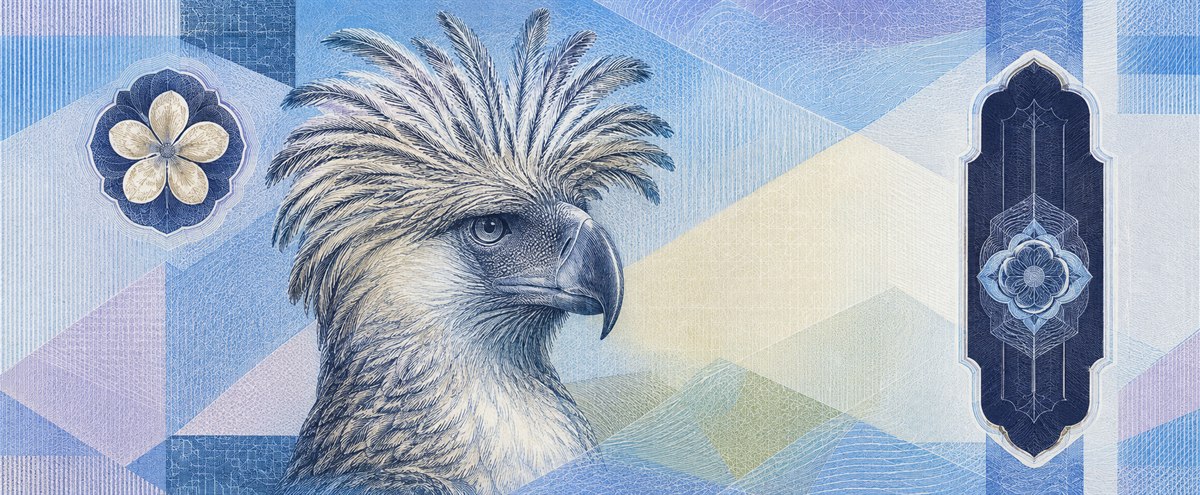
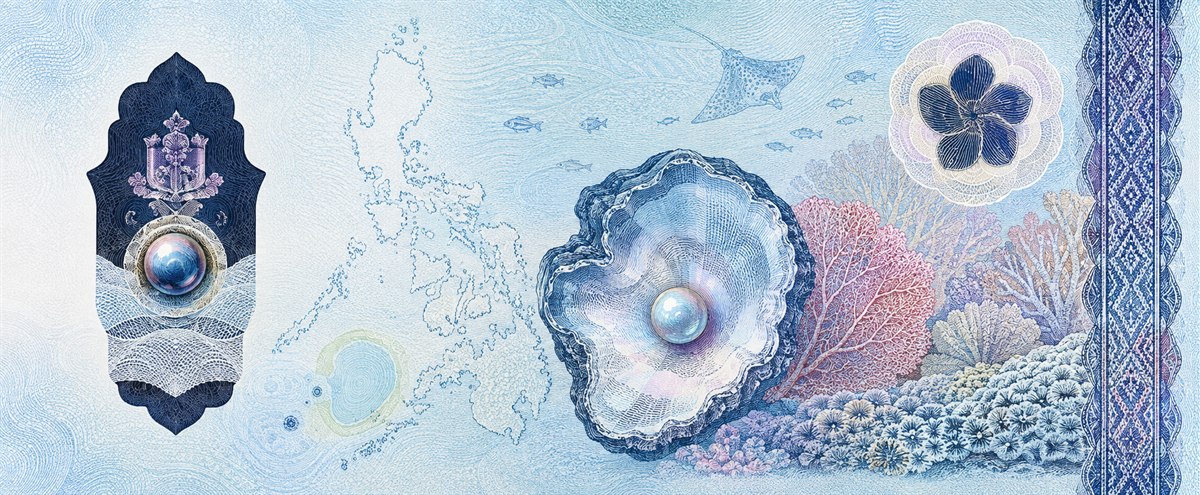
Philippine notes mix national figures and historic moments with landscapes and wildlife, while newer polymer issues bring native species and habitats further forward. Cash by Country artwork is an original, simplified interpretation and is not legal tender.
Four animals now share the till with four paper portraits
The colour still works when the material changes
BSP kept the polymer values the same size and colour as the paper notes. Violet still points toward 100, yellow toward 500 and blue toward 1,000. That continuity helps at a busy counter, but colour should begin the check rather than finish it. Read the value and inspect several security features as well.
The 20 and 200 tell the transition story
Polymer turned the wallet into an ecosystem
The new series is more than a material change. Its fronts feature threatened or culturally important Philippine species, while the wider design celebrates native plants, regional weaving and natural landmarks. The 1,000-peso note began the experiment with the Philippine eagle; the complete four-note family followed in December 2024.
Clear windows are clues, not decoration
Polymer allows transparent security windows, raised print, tactile dots and features that change when a note is tilted. On paper notes, look for the watermark, security thread, raised print and concealed or optically variable details. BSP recommends checking several features instead of relying on one portrait or one strip.
The coin pocket has a new top value
The 20-peso coin is the bimetallic piece: a warm centre inside a silver-coloured ring. The 10-peso coin reverses that contrast, while the 1 and 5 are single-colour pieces of different sizes. Small sentimo coins also exist, but the explorer concentrates on the four peso coins travellers are most likely to use.
Keep both series in circulation
A shop should not reject a genuine paper note merely because a polymer version exists. Likewise, an older-looking 20 or 200 is not automatically obsolete. If a note is badly damaged or suspicious, take it to a bank rather than passing the uncertainty to the next person.