Dutch euro notes belong to Europe. Turn over the coins and the Netherlands appears, from Queen Beatrix to King Willem-Alexander.
2 min readReviewed 28 July 2026
EURTwo monarchs, one valid pocketThe King in Your Pocket
Euro banknotes share the same designs across the euro area, but every Dutch coin has a national side. Two royal series can still meet in your change: the Beatrix coins and the Willem-Alexander coins introduced in 2014.
The quick answer All eight Dutch euro coin values are valid throughout the euro area. Current coins show King Willem-Alexander; older coins with Queen Beatrix remain valid too. The EUR 2 edge carries the words GOD ZIJ MET ONS.
Meet the EUR
Paper money
Euro notes follow an easy architectural colour ladder - grey €5, red €10, blue €20, orange €50, green €100 and yellow €200 - wherever you spend them in Europe.
Checking the latest reference rate...
EUR
Euro
5
5
EUR banknote
5EUR
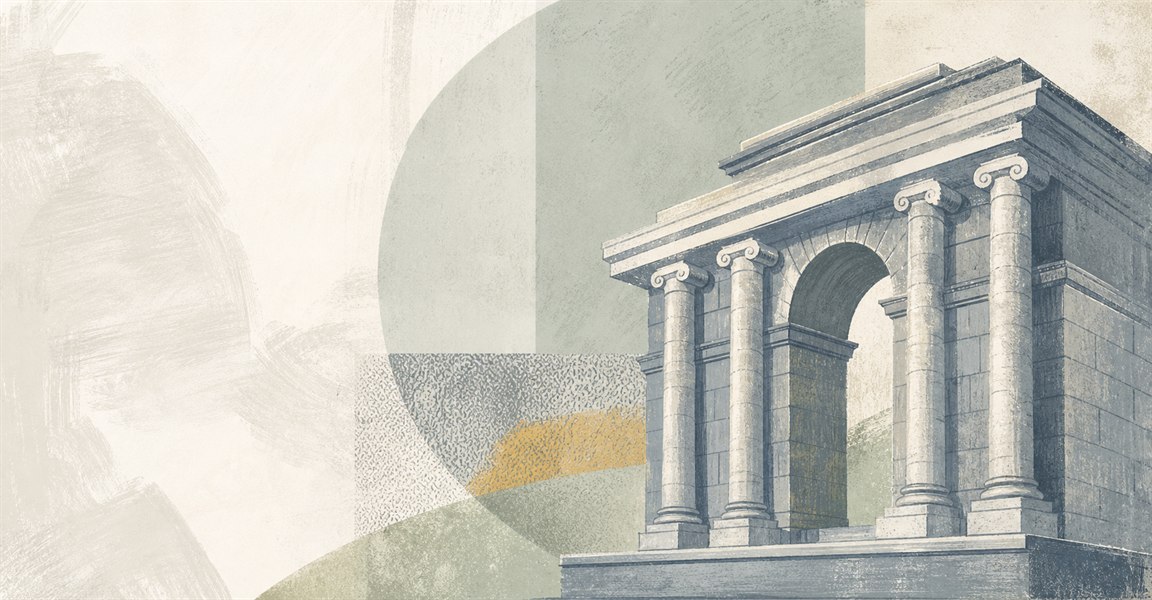
5 EUR banknote · Classical gateway
EUR
Euro
10
10
EUR banknote
10EUR
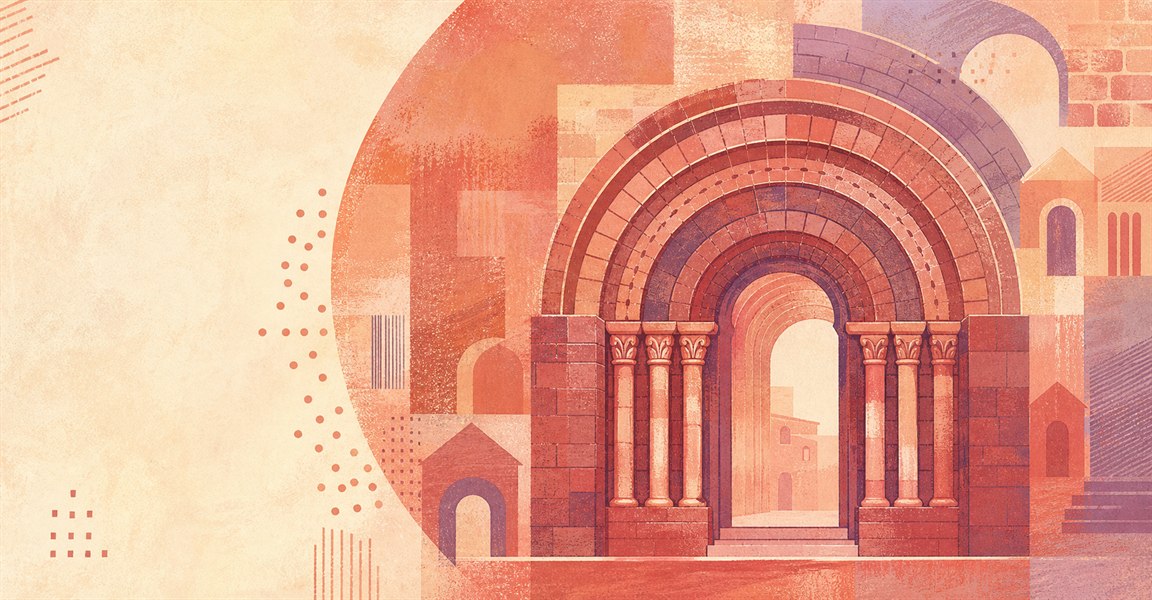
10 EUR banknote · Romanesque arch
EUR
Euro
20
20
EUR banknote
20EUR
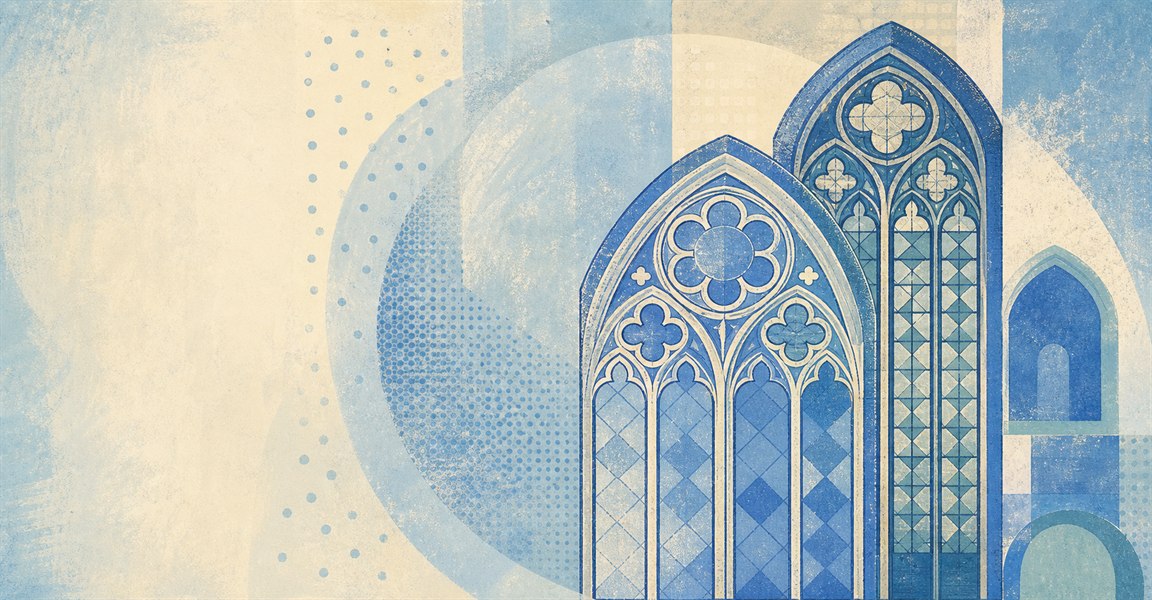
20 EUR banknote · Gothic windows
EUR
Euro
50
50
EUR banknote
50EUR
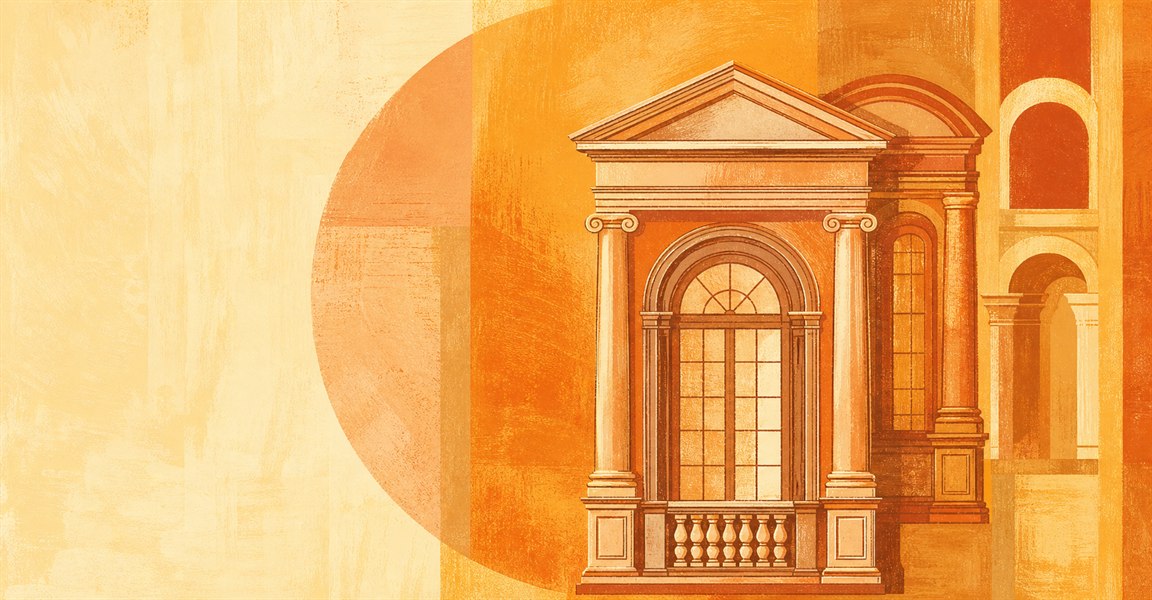
50 EUR banknote · Renaissance window
EUR
Euro
100
100
EUR banknote
100EUR
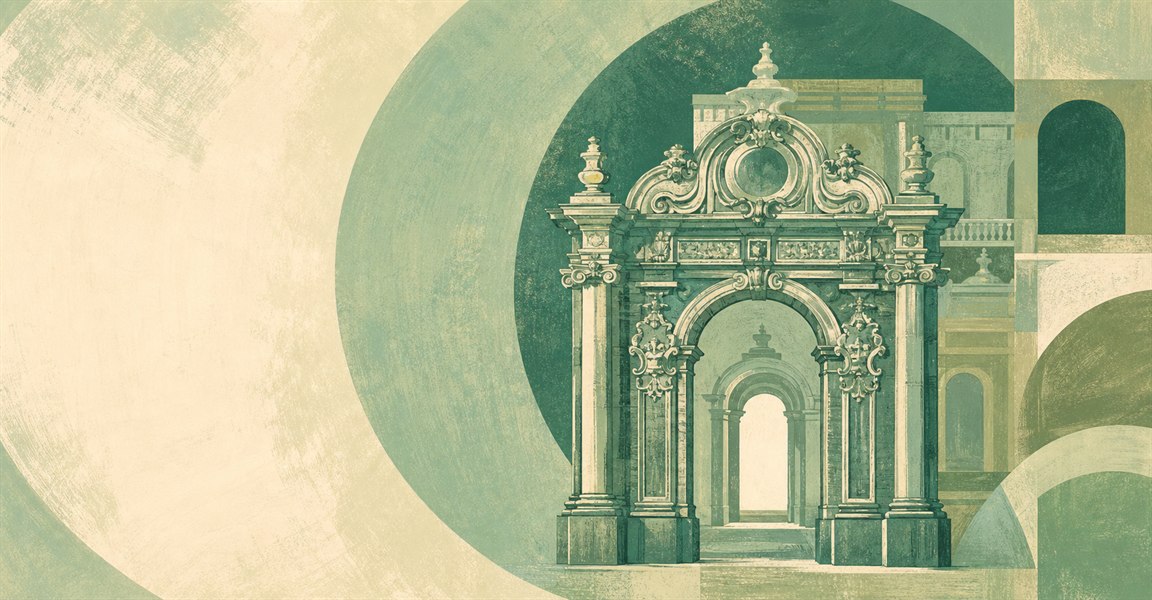
100 EUR banknote · Baroque gateway
EUR
Euro
200
200
EUR banknote
200EUR
200 EUR banknote · Iron and glass
EUR
Euro
500
500
EUR banknote
500EUR
500 EUR banknote · Modern glass and steelOlder series · no longer issued
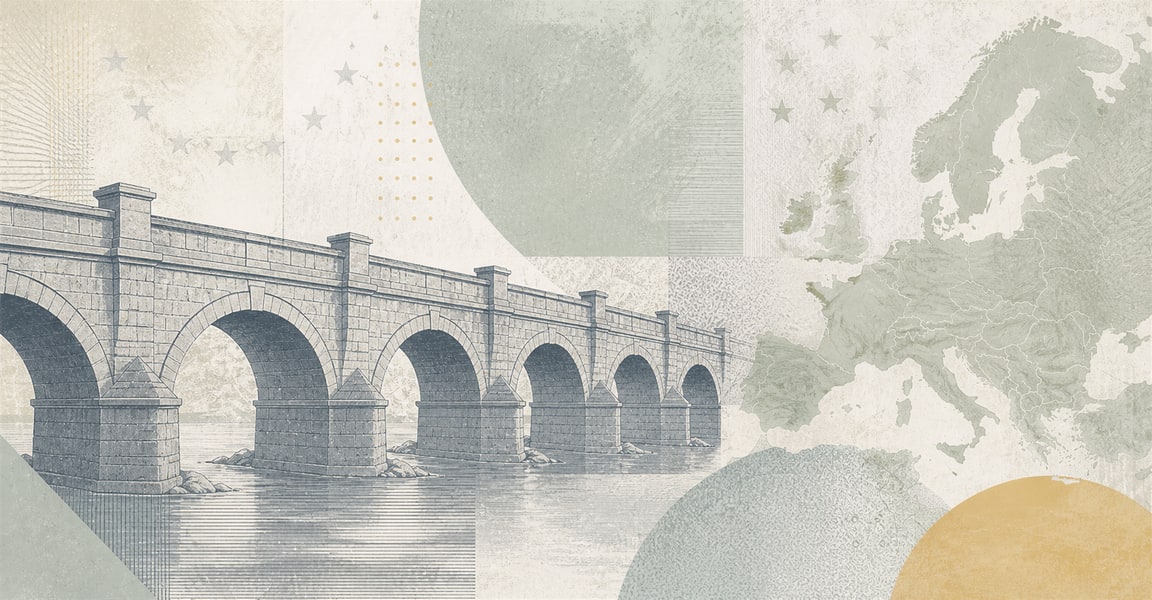
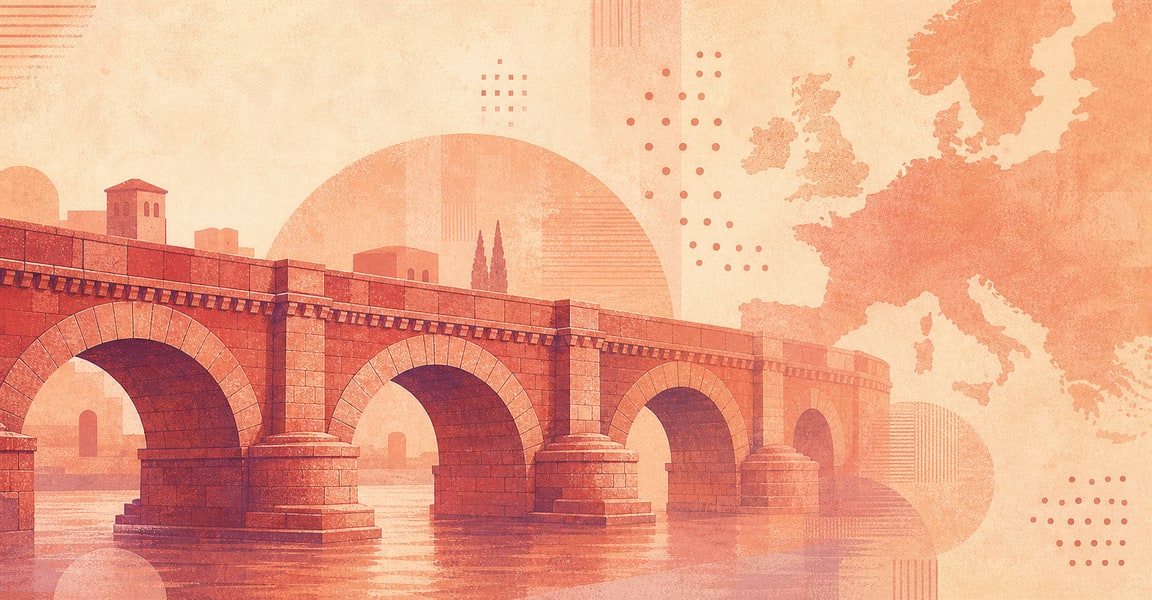
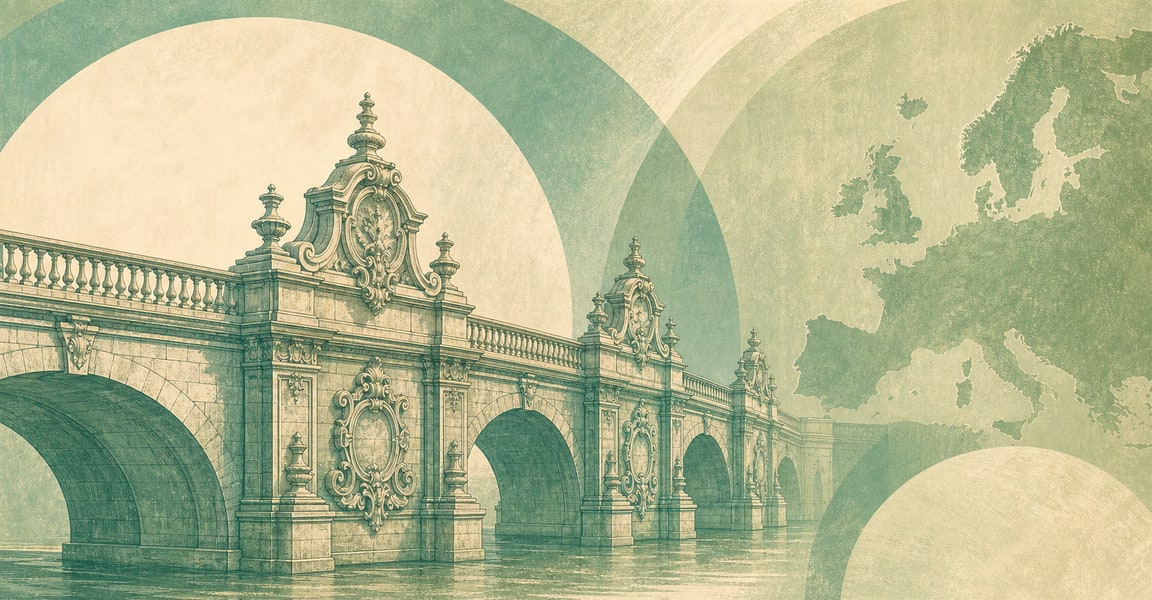
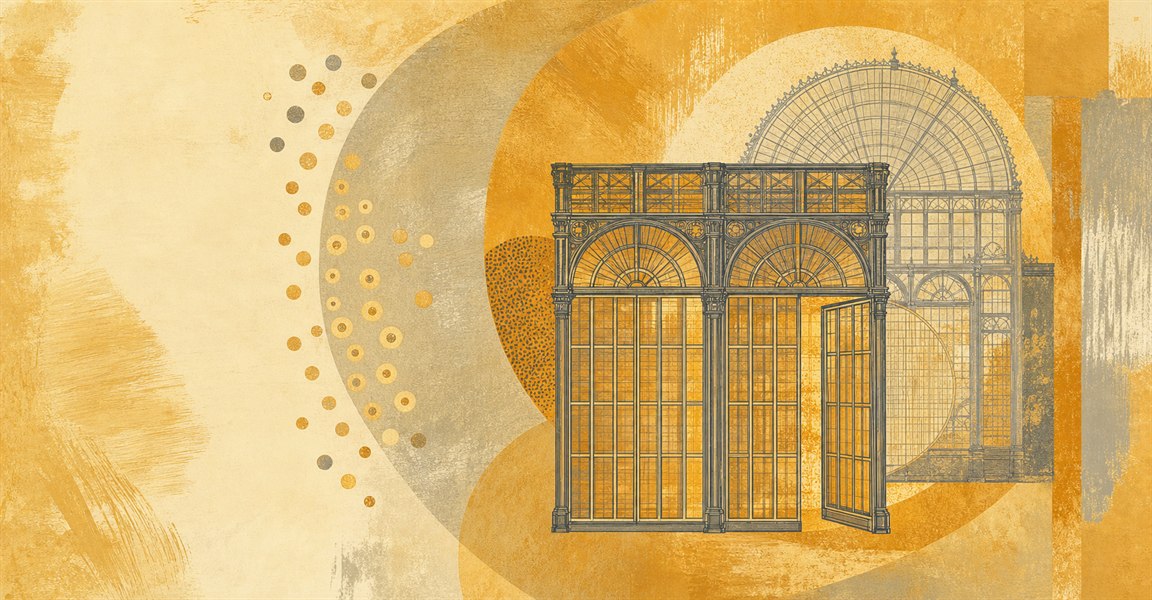
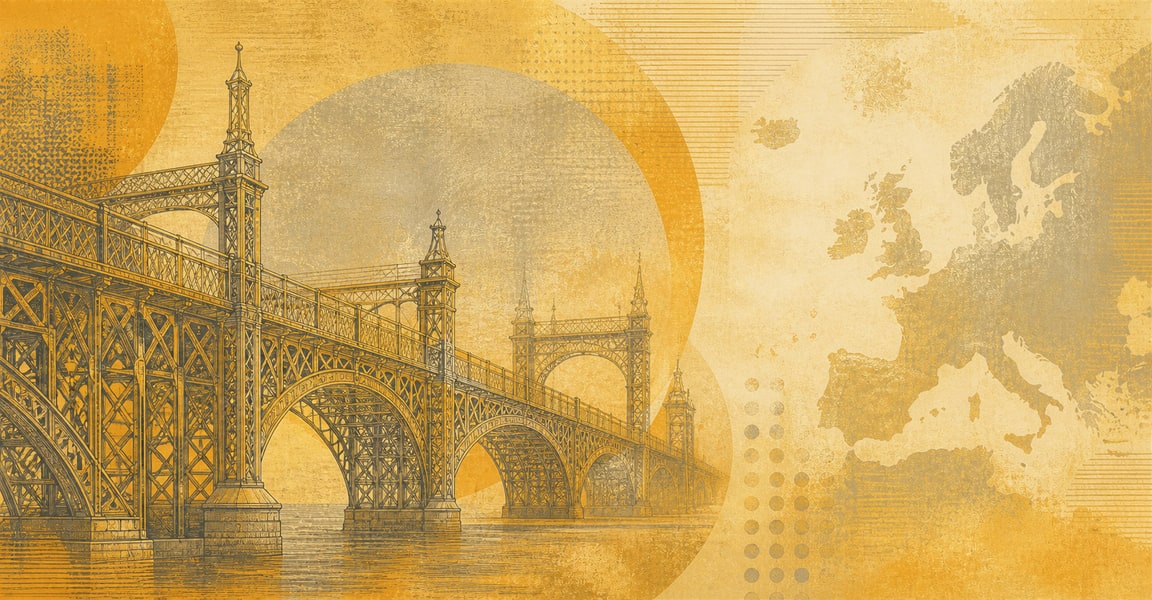
The euro banknote theme is imagined European architecture rather than real monuments: windows and gateways move from classical to modern styles, while bridges on the reverse suggest connection. Cash by Country artwork is an original, simplified interpretation and is not legal tender.
One pocket, two reigns
BeatrixFirst Dutch euro series2014Willem-Alexander series beginsBoth validSpend either portrait normally
The portrait changes direction
The current series places King Willem-Alexander in profile with the inscription Willem-Alexander Koning der Nederlanden. The older series names Queen Beatrix. A portrait from the previous reign is not a collectible-only token or expired money; both series circulate as legal tender.
The message lives on the edge
GOD * ZIJ * MET * ONS *God be with us - edge lettering on the Dutch EUR 2 coin
The notes are European, not nationally Dutch
A EUR 20 note found in Rotterdam uses the same euro design as one found in Rome or Vienna. Country identity lives mainly on the national side of the coins, so do not look for a Dutch flag or monarch on a normal euro banknote.
Use the illustration, then verify the real cash
Our original artwork teaches colour, size and value without reproducing a banknote. For a real note, use more than sight: check the raised print, watermark, security thread and hologram described by the European Central Bank.