

Banco de México currently lists the 20-peso bicentennial commemorative note, plus 50, 100, 200, 500 and 1,000 peso notes in circulation. The 50, 100 and 20-peso commemorative notes use polymer; the higher current G-series notes use cotton paper. Color is one of the quickest travel clues.
The notes at a glance
| Note | Fast visual cue | Story to remember |
|---|---|---|
| MX$20 | Blue-green commemorative polymer note | Mexico's Independence bicentennial |
| MX$50 | Purple polymer note | Axolotl and the Xochimilco lake ecosystem |
| MX$100 | Red polymer note | Sor Juana Inés de la Cruz and monarch-butterfly forest |
| MX$200 | Green cotton-paper note | Independence movement and a desert royal eagle |
| MX$500 | Blue cotton-paper note | Benito Juárez and a gray whale with calf |
| MX$1,000 | Gray cotton-paper note | Revolution figures and a Calakmul rainforest jaguar |
Paper money
Mexico's current notes are easy to recognize by color. The 20, 50, 100, 200, 500 and 1,000 peso notes tell stories of history and ecosystems across Mexico.

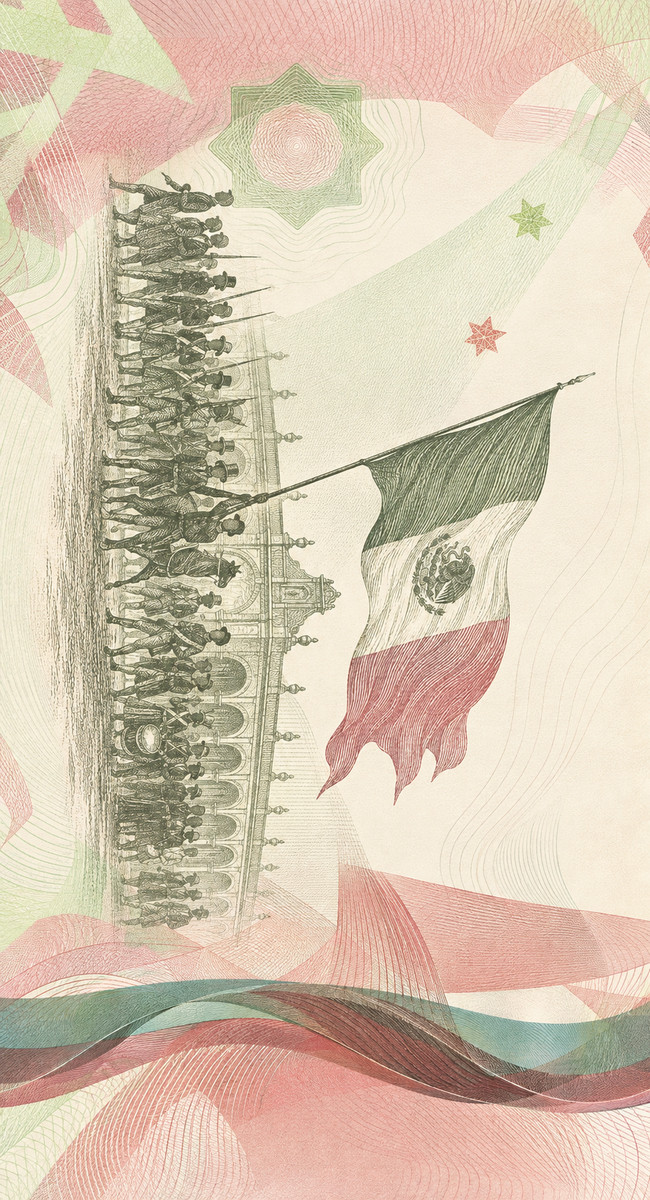

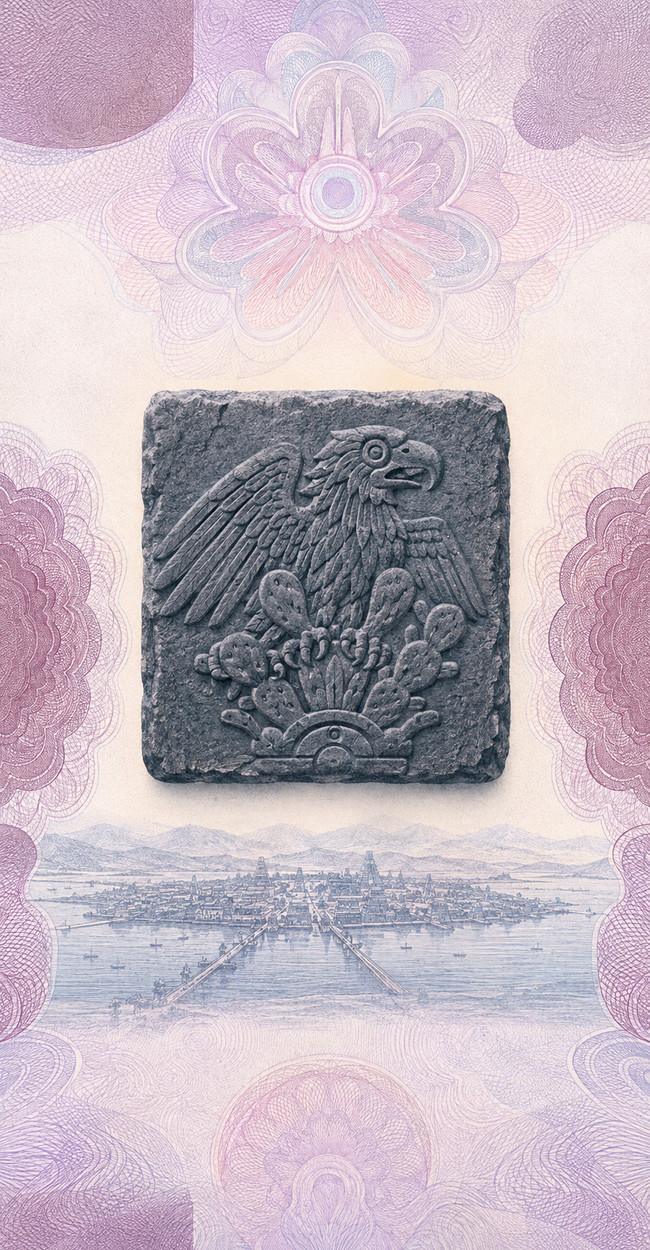



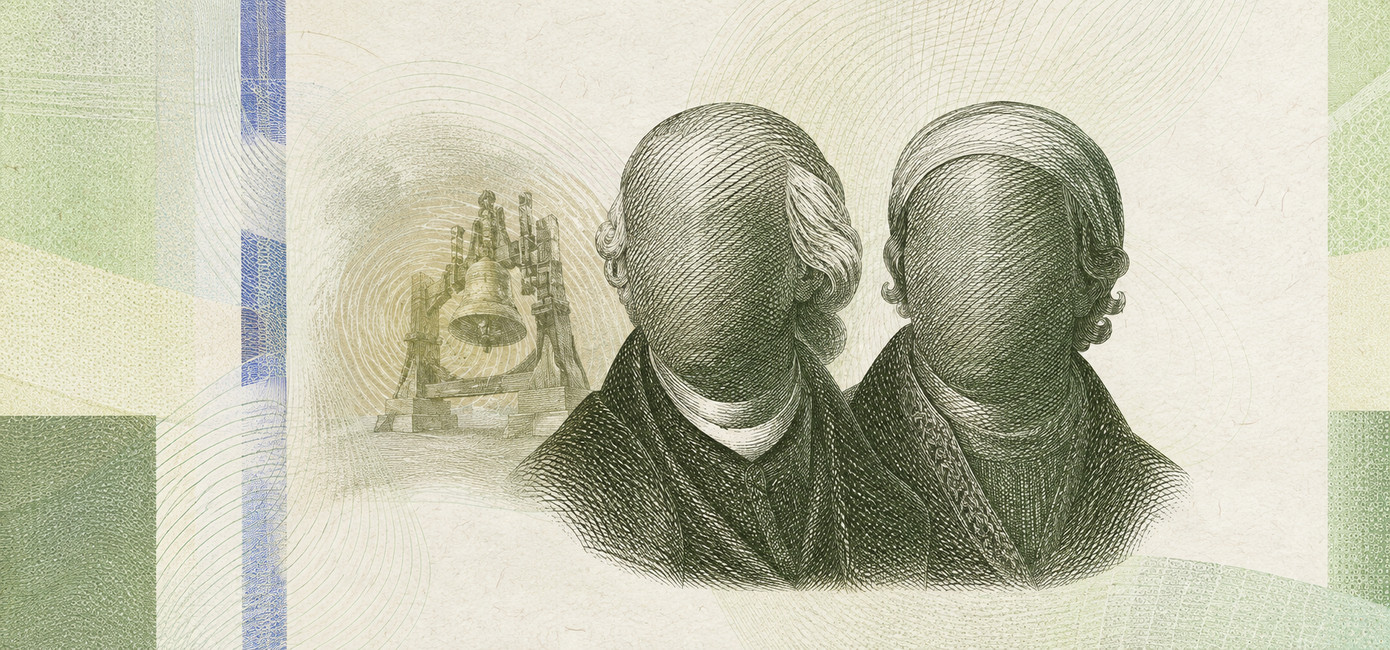

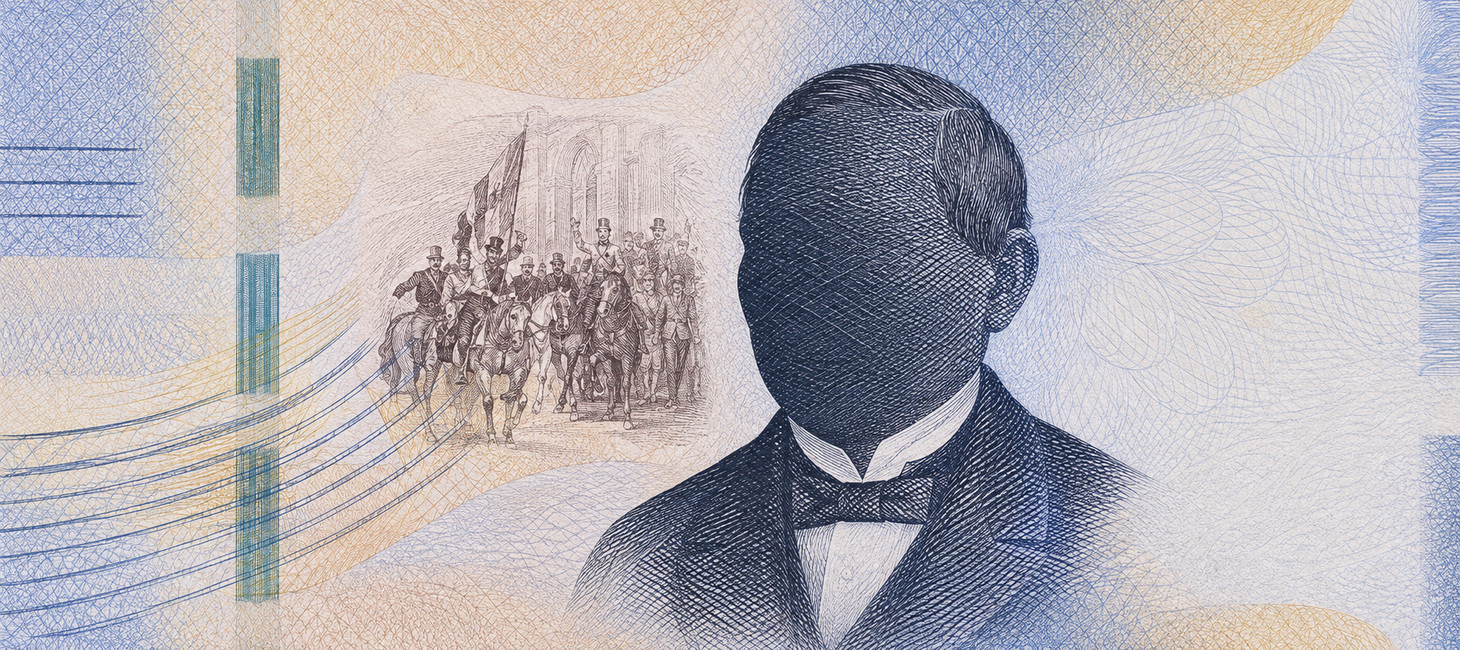


Mexico's banknotes pair turning points in national history with ecosystems and native wildlife, from the axolotl at Xochimilco and monarch butterflies to the gray whale and Calakmul jaguar. Cash by Country artwork is an original, simplified interpretation and is not legal tender.
Why the MX$50 is easy to remember
The current purple MX$50 has become a useful visual anchor for visitors. Banco de México says its reverse represents Xochimilco's rivers-and-lakes ecosystem with a Mexican salamander, commonly called an axolotl, and a corn field. It is a good note to keep visible in your mental map of the peso.
Current coins
Banco de México lists 5, 10, 20 and 50 centavos, then 1, 2, 5, 10 and 20 peso coins. The 1-, 2- and 5-peso coins have a gold-colored core and silver-colored ring; the 10-peso coin reverses the colors. Current 20-peso coins are twelve-sided and bimetallic.
Old-looking notes can still be real
Banco de México also lists several earlier F-type notes and commemorative issues as continuing to be valid for transactions. A note that looks different from the current G-series is not automatically a problem. When authenticity matters, use the bank's official security-feature guidance rather than color alone.