Malta's euro coins tell their story in three chapters: prehistoric stone, a fortified republic and the cross of the Knights.
2 min readReviewed 28 July 2026
3600Three eras across eight valuesA Temple in Your Pocket
Euro banknotes are shared across the euro area. Malta uses the national side of its coins to travel from the Mnajdra temple complex to the modern republic and the eight-pointed Maltese Cross.
The quick answer The 1, 2 and 5 cent coins show Mnajdra's prehistoric altar. The 10, 20 and 50 cent coins carry Malta's national emblem. The EUR 1 and EUR 2 coins show the eight-pointed Maltese Cross.
Meet the EUR
Paper money
Euro notes follow an easy architectural colour ladder - grey €5, red €10, blue €20, orange €50, green €100 and yellow €200 - wherever you spend them in Europe.
Checking the latest reference rate...
EUR
Euro
5
5
EUR banknote
5EUR
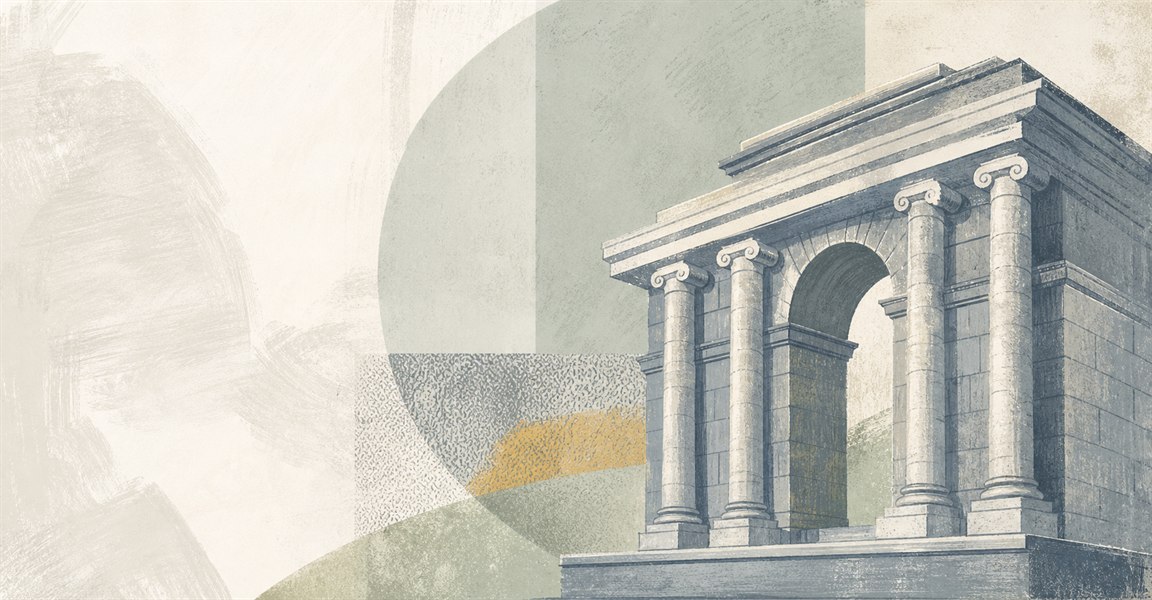
5 EUR banknote · Classical gateway
EUR
Euro
10
10
EUR banknote
10EUR
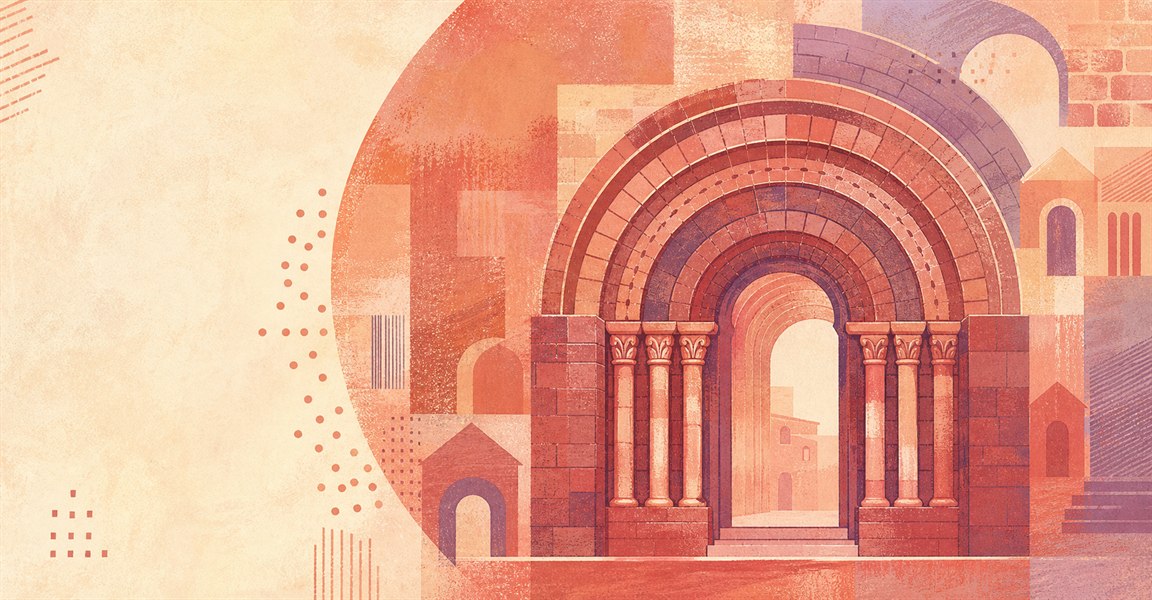
10 EUR banknote · Romanesque arch
EUR
Euro
20
20
EUR banknote
20EUR
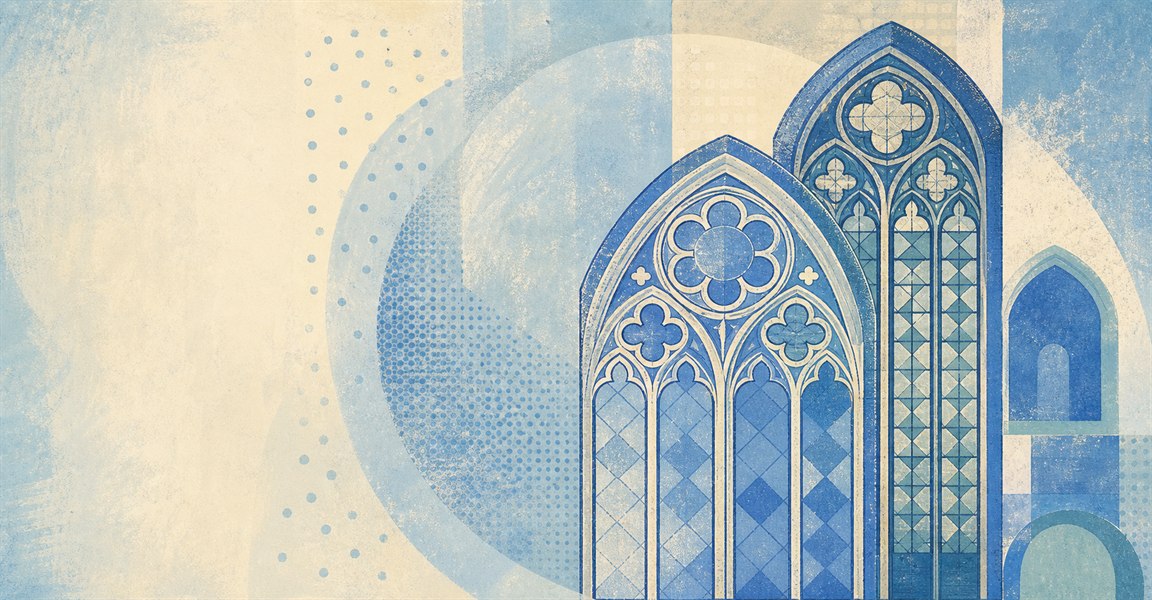
20 EUR banknote · Gothic windows
EUR
Euro
50
50
EUR banknote
50EUR
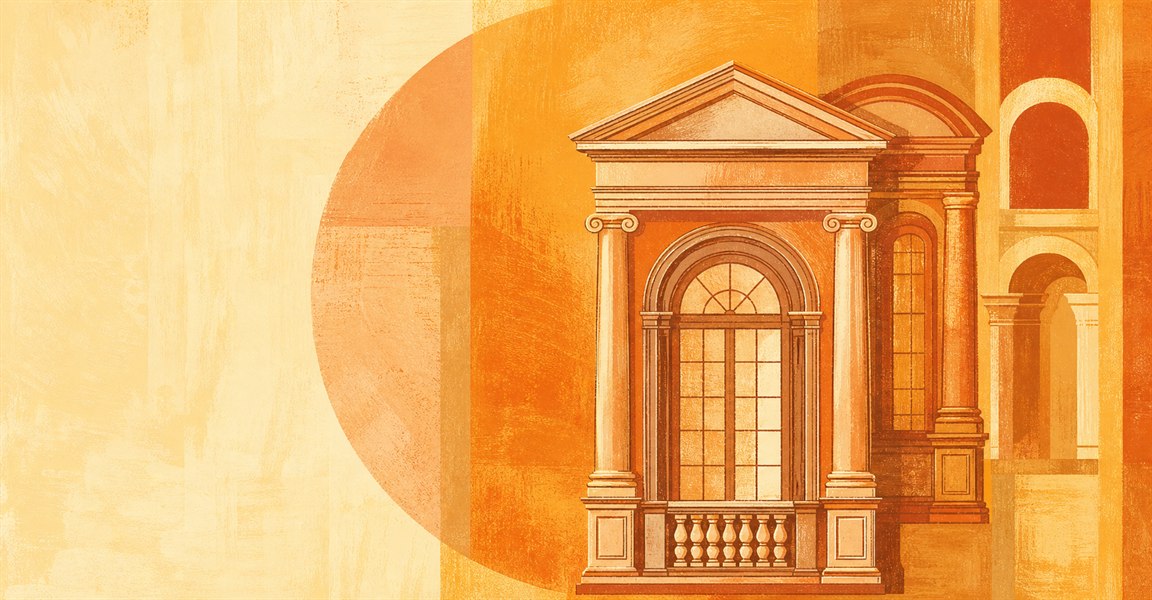
50 EUR banknote · Renaissance window
EUR
Euro
100
100
EUR banknote
100EUR
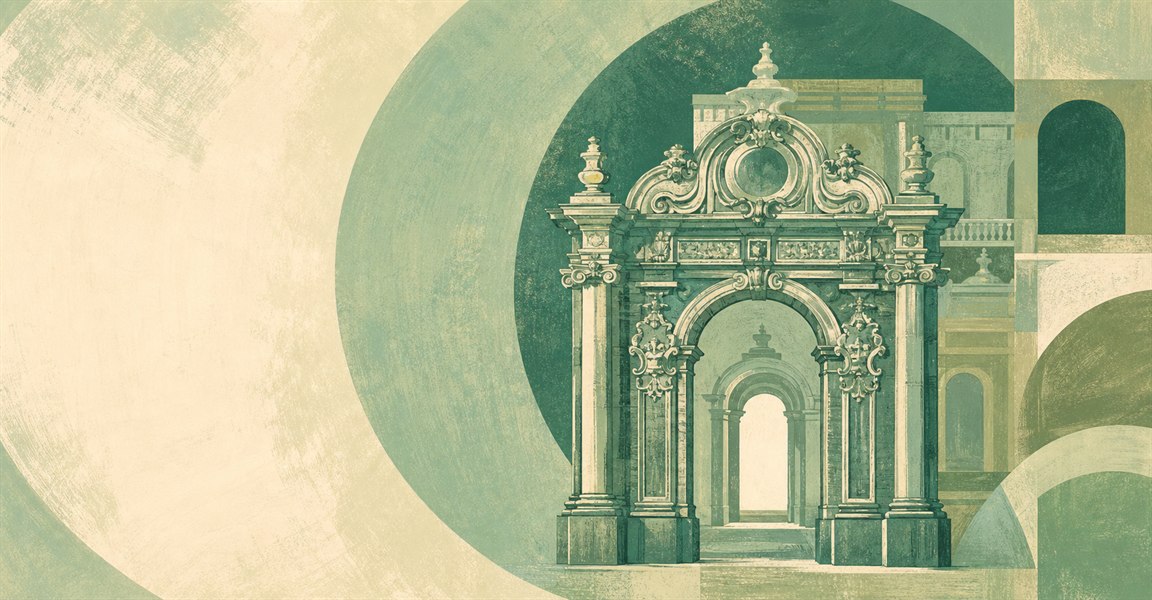
100 EUR banknote · Baroque gateway
EUR
Euro
200
200
EUR banknote
200EUR
200 EUR banknote · Iron and glass
EUR
Euro
500
500
EUR banknote
500EUR
500 EUR banknote · Modern glass and steelOlder series · no longer issued
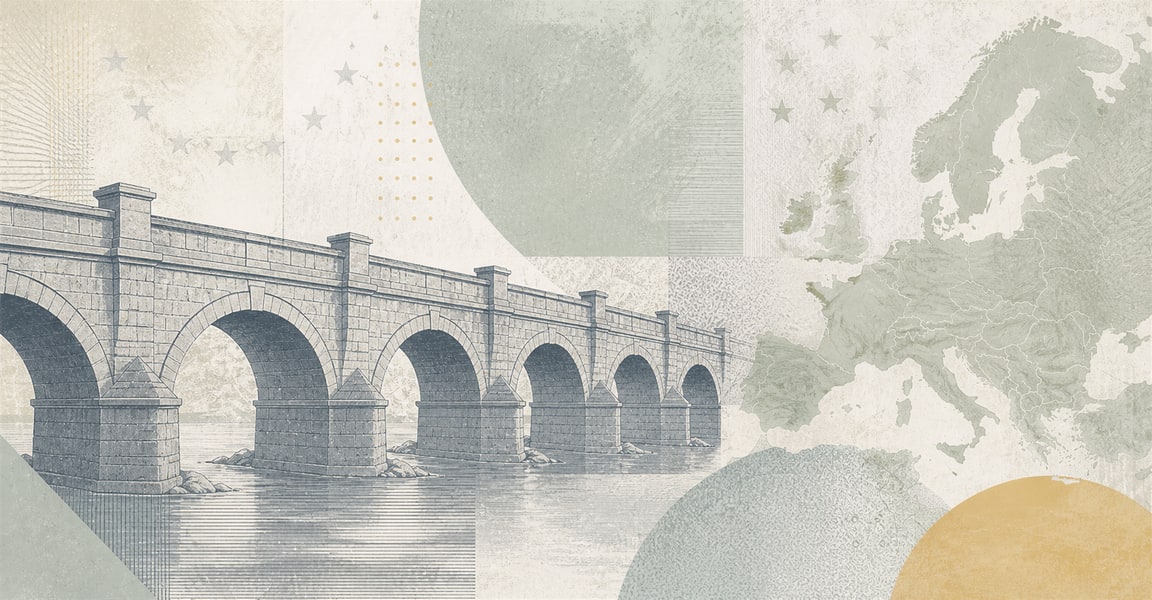
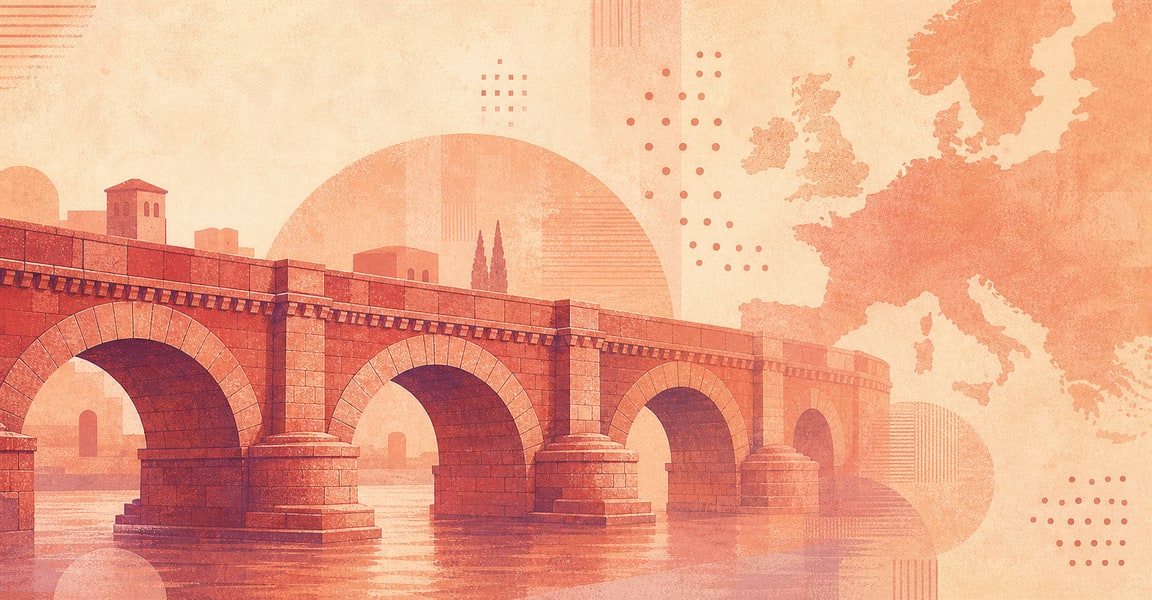
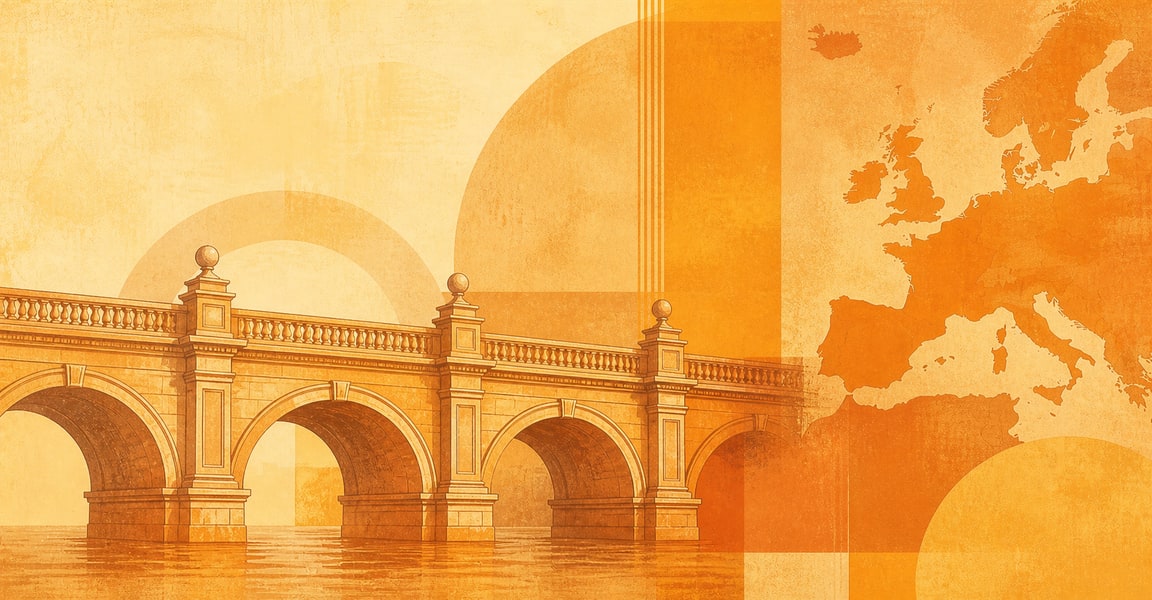
The euro banknote theme is imagined European architecture rather than real monuments: windows and gateways move from classical to modern styles, while bridges on the reverse suggest connection. Cash by Country artwork is an original, simplified interpretation and is not legal tender.
Three chapters on the change tray
c. 3600 BCMnajdra on 1c, 2c and 5cRepublicNational emblem on 10c, 20c and 50cEight pointsMaltese Cross on EUR 1 and EUR 2
The smallest coins carry the oldest image
The copper-coloured 1, 2 and 5 cent pieces depict an altar from Mnajdra, a prehistoric temple complex built around 3600 BC on a low rise above the sea. The least valuable coins reach furthest back in time.
The middle values become a fortified state
The 10, 20 and 50 cent pieces show a shield based on Malta's flag, topped by a mural crown representing the islands' fortifications and city-state history. Olive and palm branches form a peace wreath around it.
The highest coins carry the famous cross
The EUR 1 and EUR 2 pieces show the emblem associated with the Sovereign Order of Malta. Its eight-pointed cross became linked with the island during the Order's rule from 1530 to 1798.
Shared notes, unmistakably Maltese coins
A Maltese EUR 20 note is the same banknote used in France, Italy and the rest of the euro area. The national story appears on the coins. Use our original note illustrations for colour and value, then check a real banknote by feel, watermark, security thread and hologram.