Lithuania did not divide its euro values between eight landmarks. It sent one national rider, Vytis, charging across the entire set.
2 min readReviewed 28 July 2026
VOne knight, eight valuesThe Knight on Every Coin
Euro banknotes are shared across the euro area. Lithuania's national coin sides use the same coat of arms on every denomination: an armoured knight on horseback, known as Vytis.
The quick answer All eight Lithuanian euro coins show Vytis, the word LIETUVA and the year of issue. The EUR 2 edge reads LAISVĖ * VIENYBĖ * GEROVĖ: Freedom, Unity and Well-Being.
Meet the EUR
Paper money
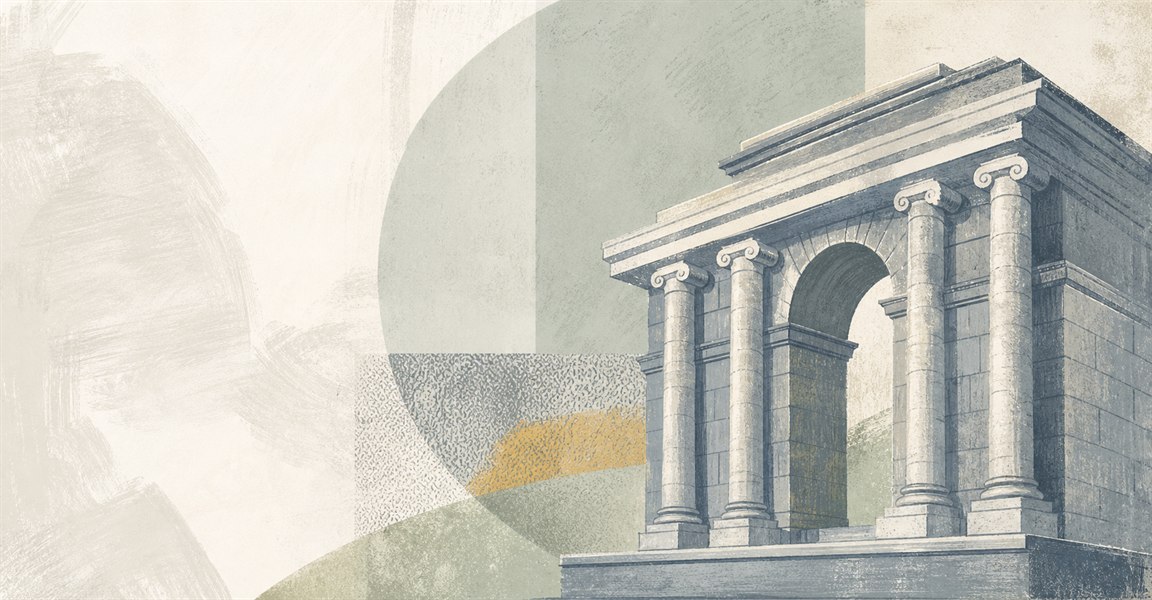
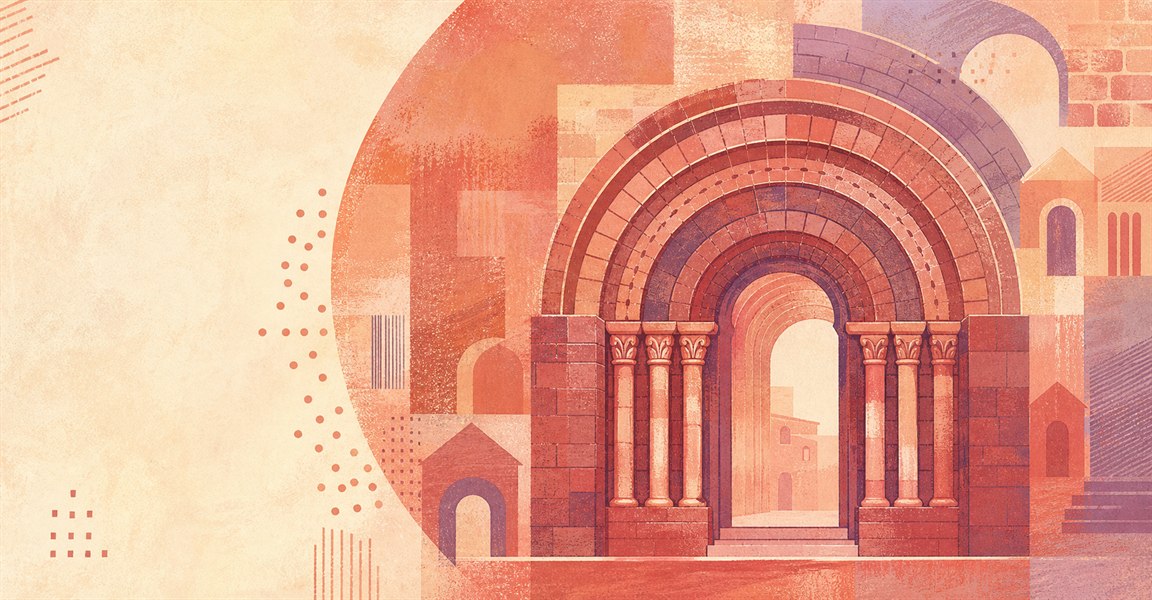
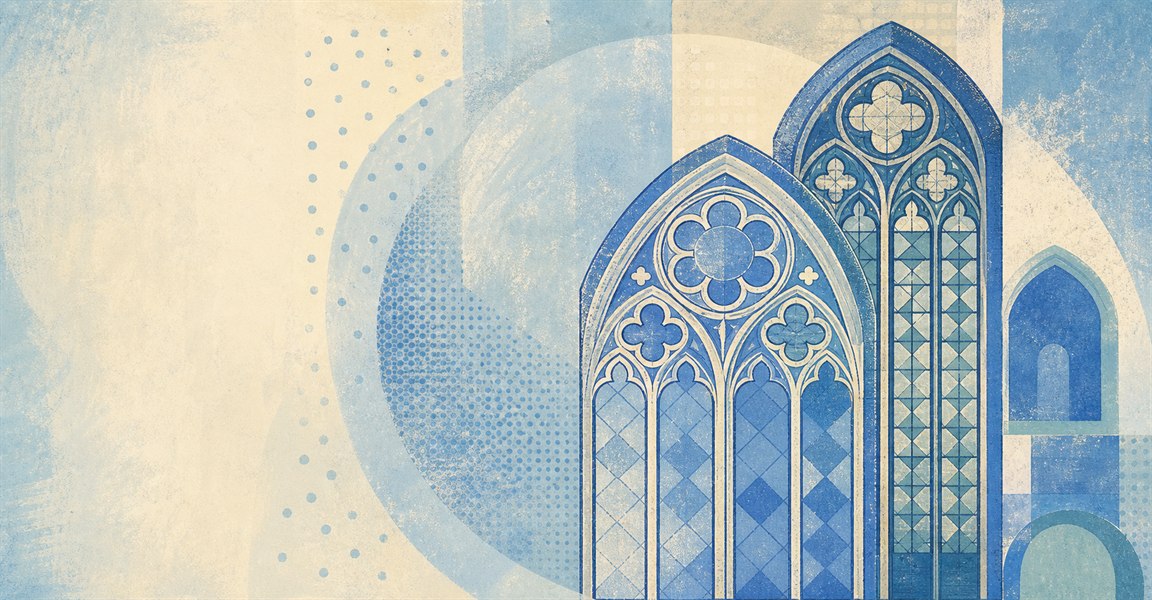
Euro notes follow an easy architectural colour ladder - grey €5, red €10, blue €20, orange €50, green €100 and yellow €200 - wherever you spend them in Europe.
Checking the latest reference rate...
EUR
Euro
5
5
EUR banknote
5EUR
5 EUR banknote · Classical gateway
EUR
Euro
10
10
EUR banknote
10EUR
10 EUR banknote · Romanesque arch
EUR
Euro
20
20
EUR banknote
20EUR
20 EUR banknote · Gothic windows
EUR
Euro
50
50
EUR banknote
50EUR
50 EUR banknote · Renaissance window
EUR
Euro
100
100
EUR banknote
100EUR
100 EUR banknote · Baroque gateway
EUR
Euro
200
200
EUR banknote
200EUR
200 EUR banknote · Iron and glass
EUR
Euro
500
500
EUR banknote
500EUR
500 EUR banknote · Modern glass and steelOlder series · no longer issued
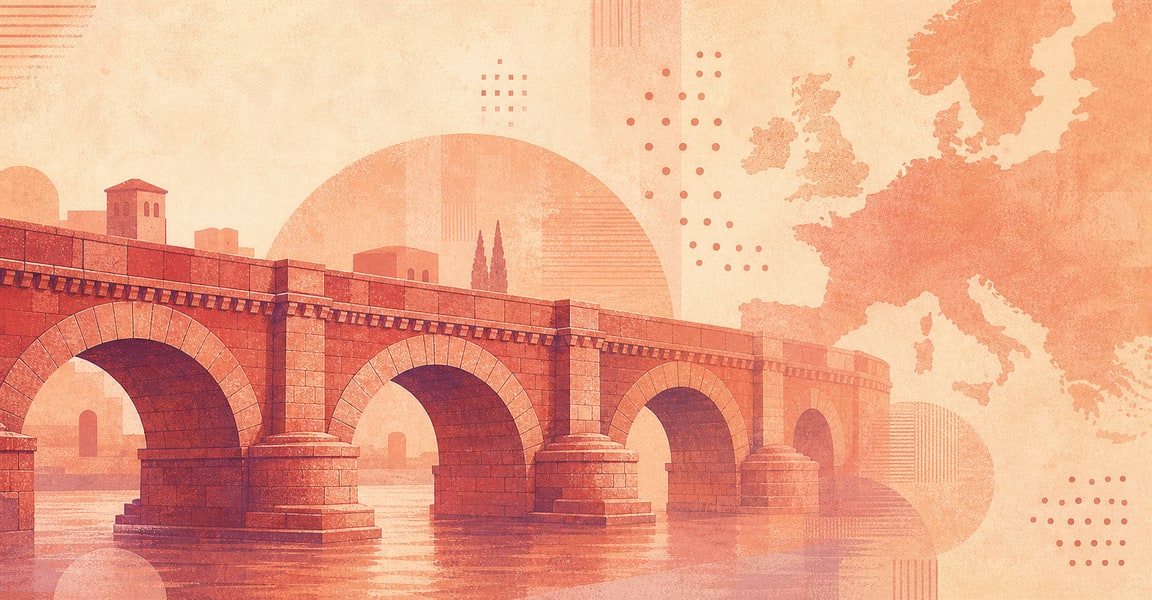
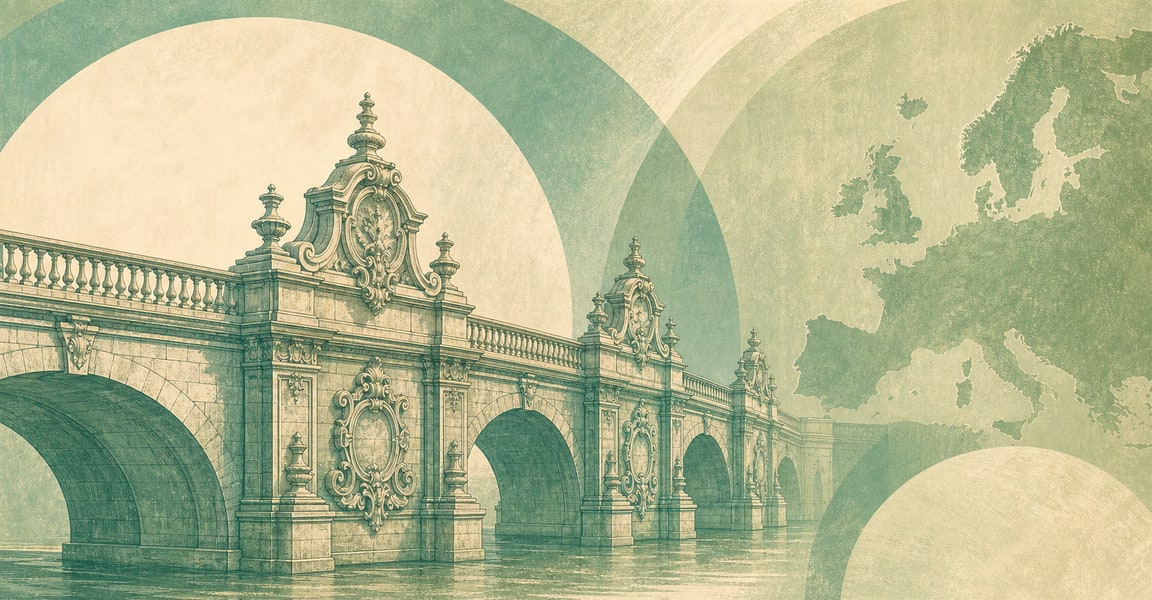
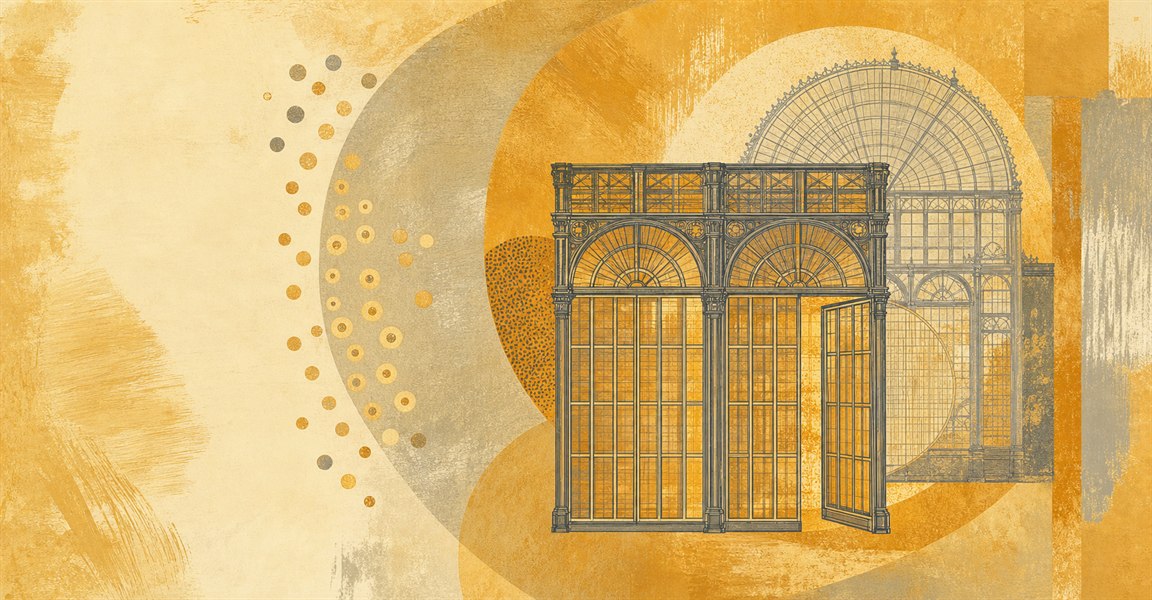
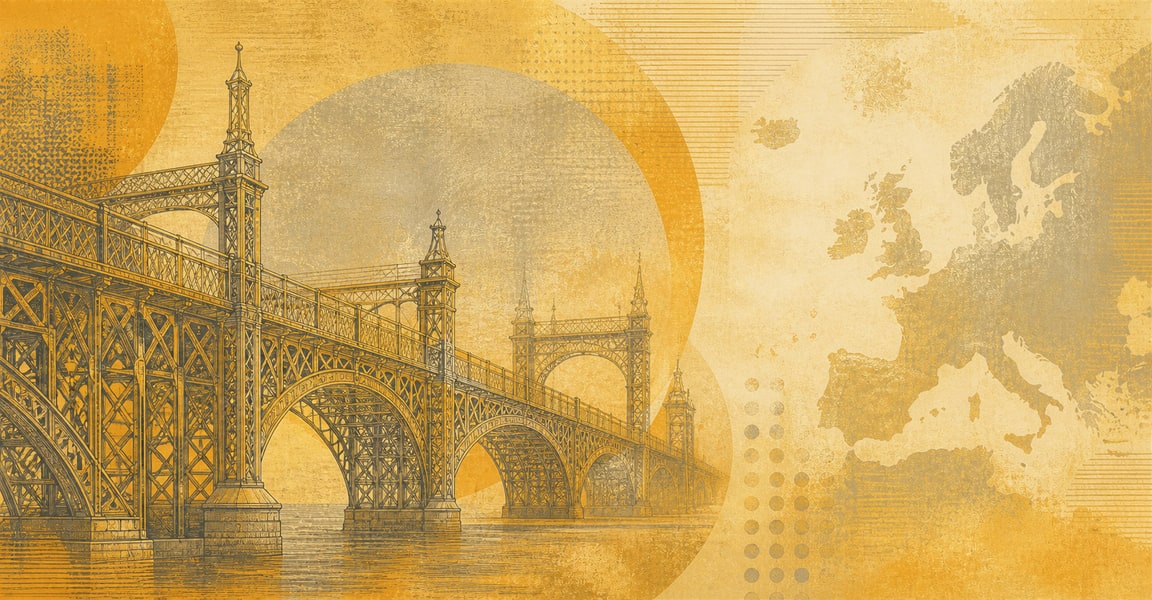
The euro banknote theme is imagined European architecture rather than real monuments: windows and gateways move from classical to modern styles, while bridges on the reverse suggest connection. Cash by Country artwork is an original, simplified interpretation and is not legal tender.
Three clues on every Lithuanian coin
VytisThe charging knightLIETUVALithuaniaYearThe year of issue
The repetition is the identity
Many euro countries assign a different image to each value. Lithuania chose recognition through repetition: copper, gold-coloured and bimetallic coins all carry the same national coat of arms.
Read around the EUR 2 edge
The highest regular coin adds words that are not visible on the face: LAISVĖ, VIENYBĖ and GEROVĖ. Together they mean Freedom, Unity and Well-Being.
Vytis is older than the euro
The mounted knight is not a travel-era invention. It is Lithuania's historic state emblem, connecting modern pocket change to the heraldry of the Grand Duchy of Lithuania.
Shared notes, Lithuanian rider
A Lithuanian EUR 20 banknote is the same note used throughout the euro area. Use our original illustrations for colour and denomination, then check a real note by feel, watermark, security thread and hologram.