Latvia's highest everyday euro coins carry a portrait that first appeared on a silver five-lats coin almost a century ago.
2 min readReviewed 28 July 2026
MA 1929 portrait in today's pocketThe Maiden in the Pocket
Euro banknotes are shared across the euro area, but Latvia's national coin sides tell a compact story of statehood. The cents carry two versions of the coat of arms; the euros restore a much-loved folk maiden.
The quick answer The EUR 1 and EUR 2 show the Latvian folk maiden from the 1929 five-lats coin. The EUR 2 edge reads DIEVS * SVĒTĪ * LATVIJU, or GOD BLESS LATVIA. The 1-5 cent coins use the small coat of arms; 10-50 cent use the large one.
Meet the EUR
Paper money
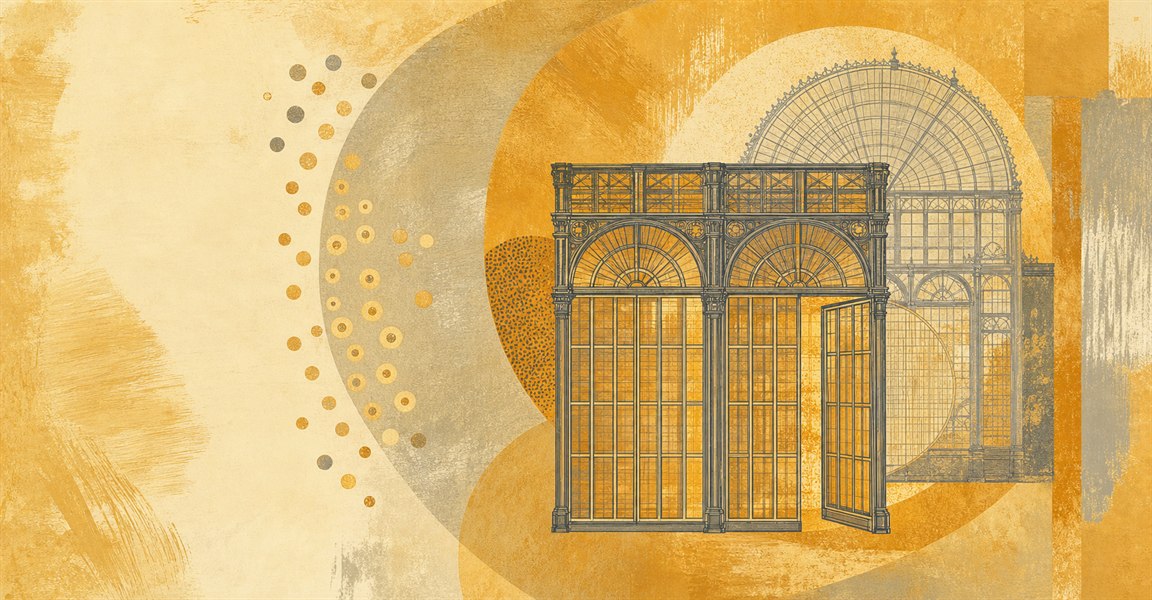
Euro notes follow an easy architectural colour ladder - grey €5, red €10, blue €20, orange €50, green €100 and yellow €200 - wherever you spend them in Europe.
Checking the latest reference rate...
EUR
Euro
5
5
EUR banknote
5EUR
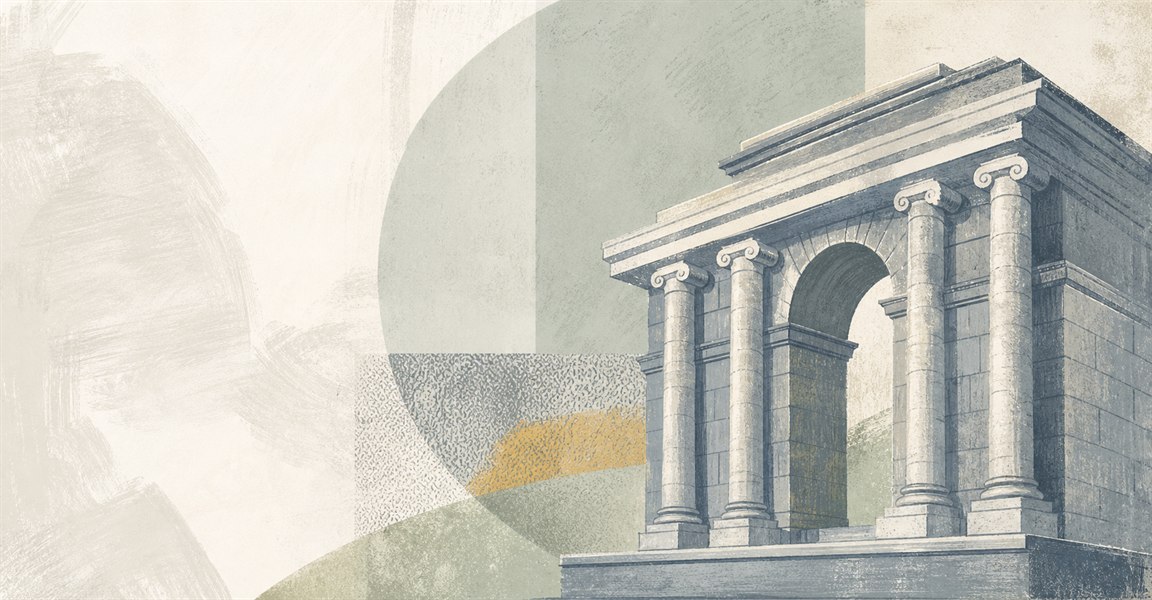
5 EUR banknote · Classical gateway
EUR
Euro
10
10
EUR banknote
10EUR
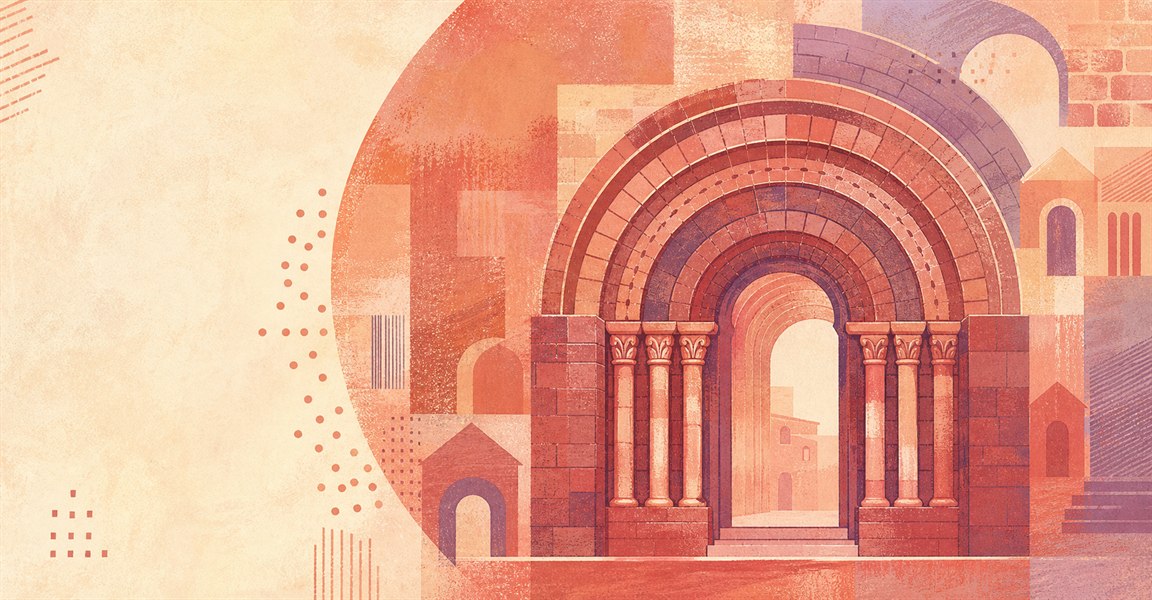
10 EUR banknote · Romanesque arch
EUR
Euro
20
20
EUR banknote
20EUR
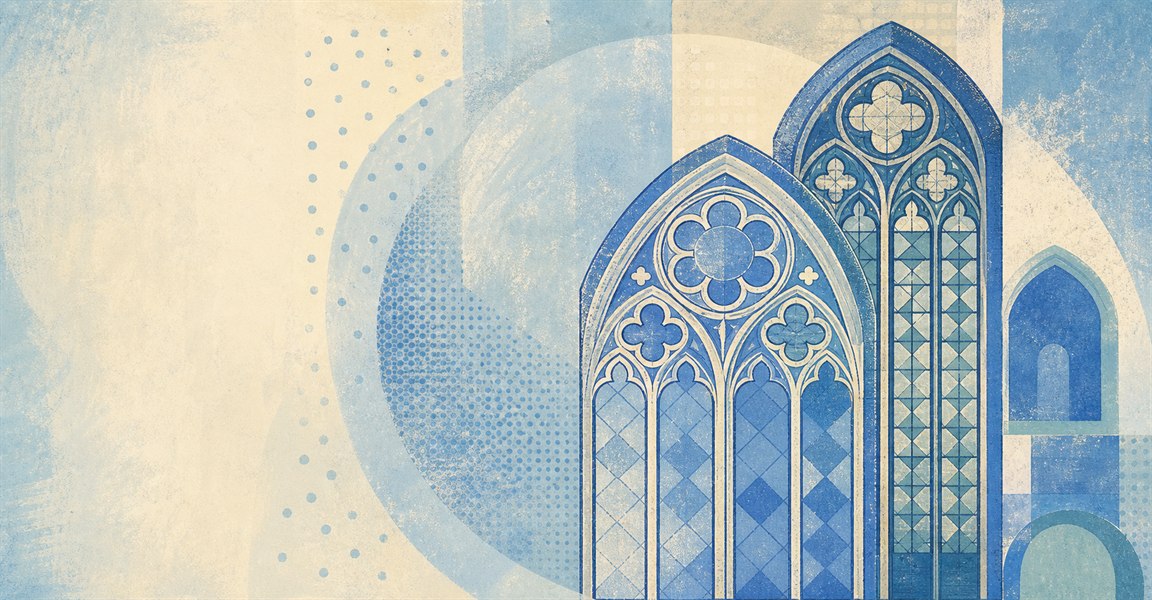
20 EUR banknote · Gothic windows
EUR
Euro
50
50
EUR banknote
50EUR
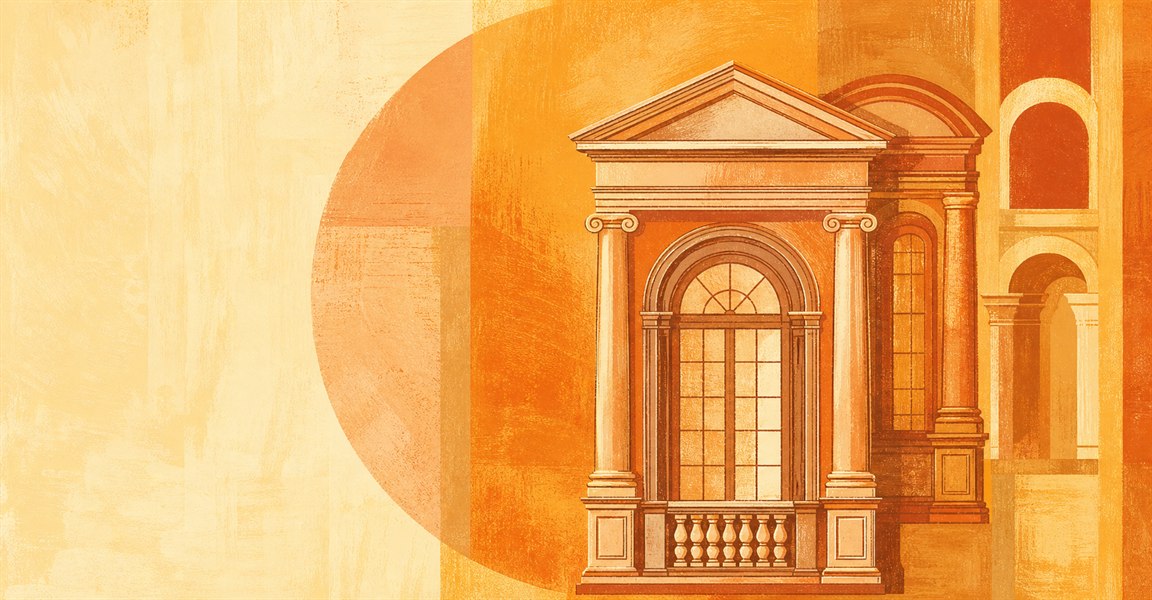
50 EUR banknote · Renaissance window
EUR
Euro
100
100
EUR banknote
100EUR
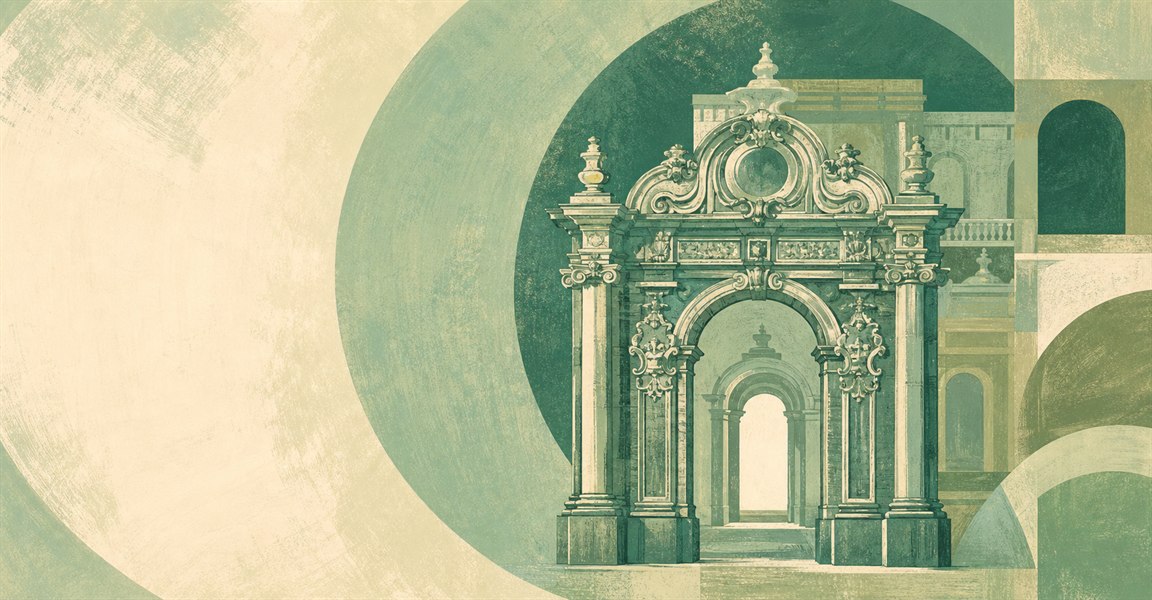
100 EUR banknote · Baroque gateway
EUR
Euro
200
200
EUR banknote
200EUR
200 EUR banknote · Iron and glass
EUR
Euro
500
500
EUR banknote
500EUR
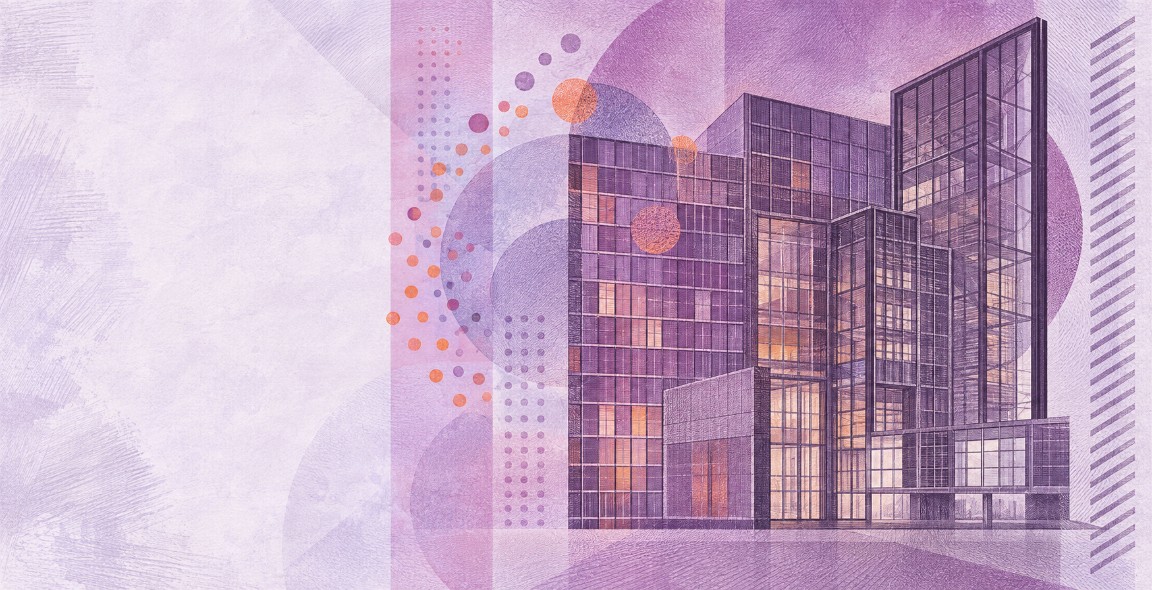
500 EUR banknote · Modern glass and steelOlder series · no longer issued
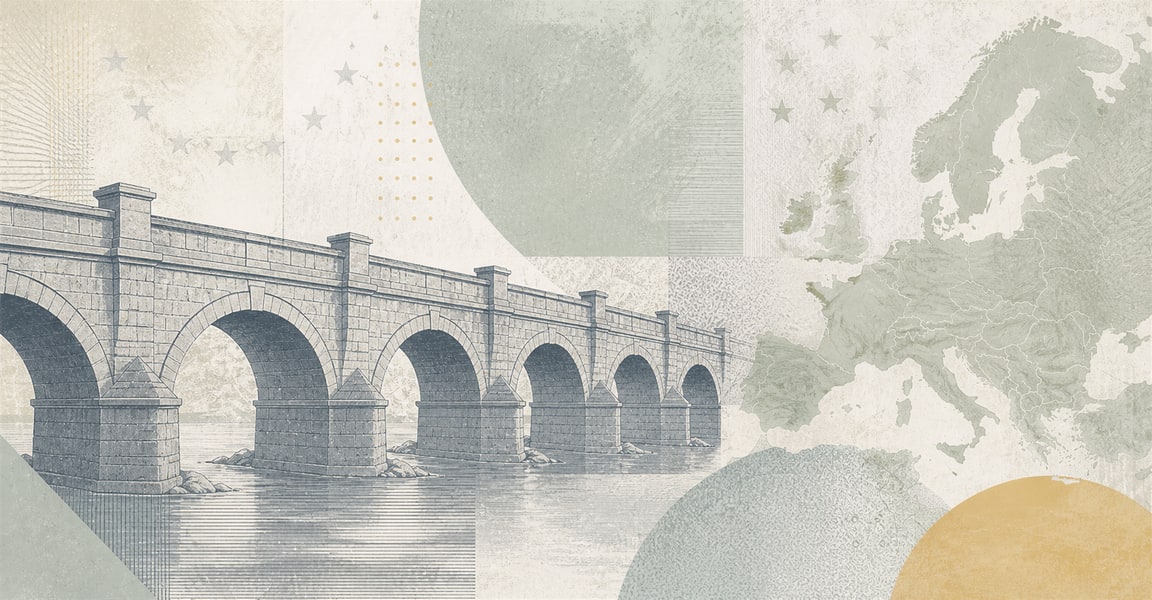
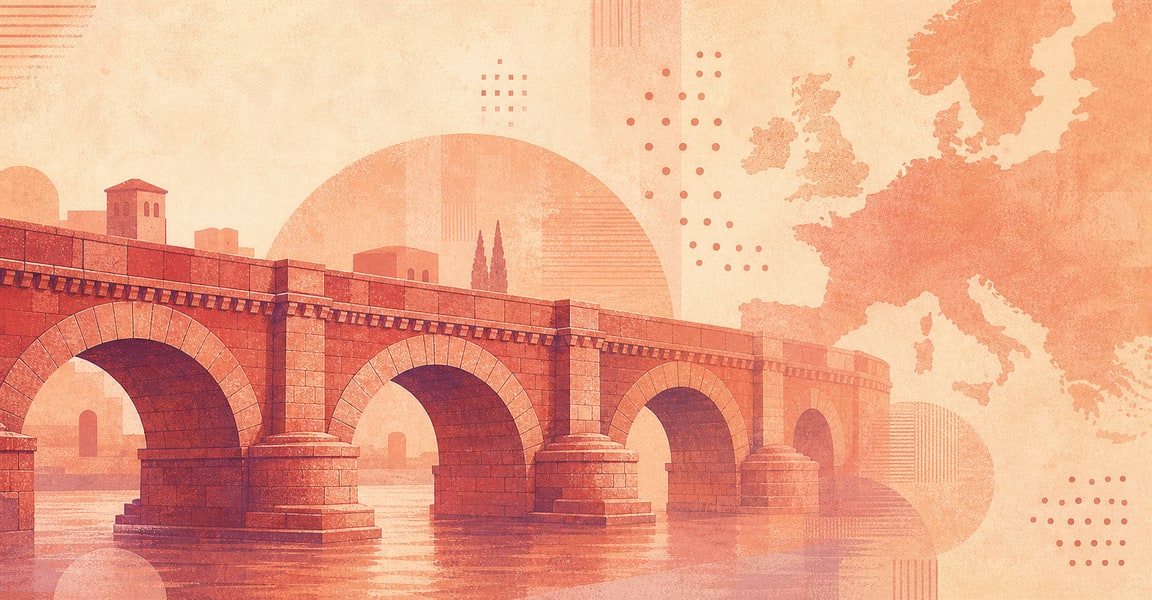
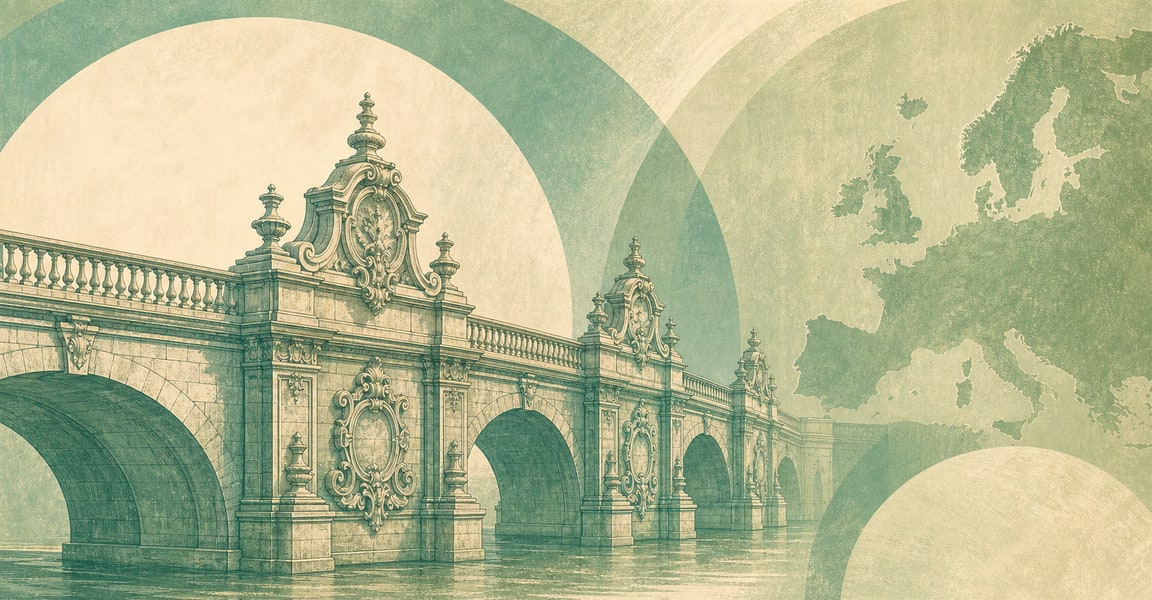
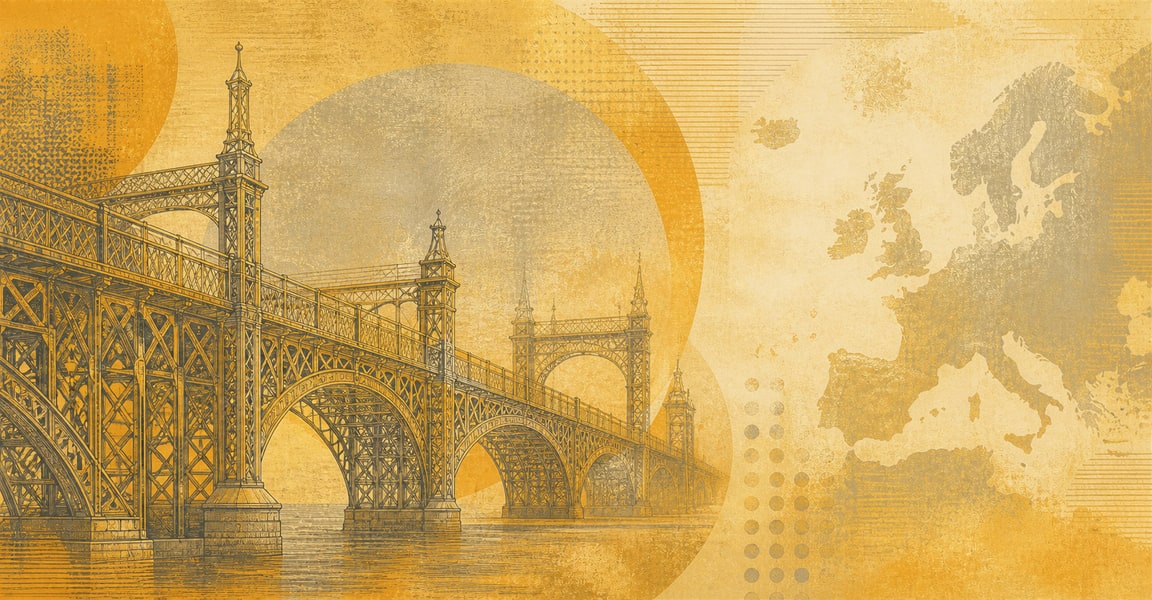
The euro banknote theme is imagined European architecture rather than real monuments: windows and gateways move from classical to modern styles, while bridges on the reverse suggest connection. Cash by Country artwork is an original, simplified interpretation and is not legal tender.
Three faces of Latvian change
1-5 cSmall coat of arms10-50 cLarge coat of armsEUR 1-2Latvian folk maiden
The portrait travelled from lats to euros
The maiden was engraved for Latvia's silver five-lats coin in 1929. Reusing her on both euro values made the currency change feel like a return as well as a departure.
Read the EUR 2 edge
The EUR 2 coin adds a message that the EUR 1 does not: DIEVS * SVĒTĪ * LATVIJU. It means GOD BLESS LATVIA and is also the opening line of the national anthem.
The coats of arms divide the cents
The copper-coloured 1, 2 and 5 cent coins use Latvia's small coat of arms. The yellow 10, 20 and 50 cent values use the large version, giving the middle coins a useful visual family.
Old lats still have a door home
Latvijas Banka continues to exchange lats banknotes and coins at the fixed conversion rate of 0.702804 lats to one euro. Identification is required at the cashier's office.
Shared notes, Latvian coins
A Latvian EUR 20 banknote is the same note used throughout the euro area. Use our original illustrations to learn colour and denomination, then check real notes by feel, watermark, security thread and hologram.