Euro banknotes are shared across the euro area. Italy gave every national coin denomination a different work, selected from architecture and art spanning the Middle Ages to Futurism.
The quick answer The cents move from Castel del Monte, Mole Antonelliana and the Colosseum to Botticelli, Boccioni and Marcus Aurelius. EUR 1 carries Leonardo's Vitruvian Man; EUR 2 carries Dante as painted by Raphael.
Meet the EUR
Paper money
Euro notes follow an easy architectural colour ladder - grey €5, red €10, blue €20, orange €50, green €100 and yellow €200 - wherever you spend them in Europe.
Checking the latest reference rate...
EUR
Euro
5
5
EUR banknote
5EUR
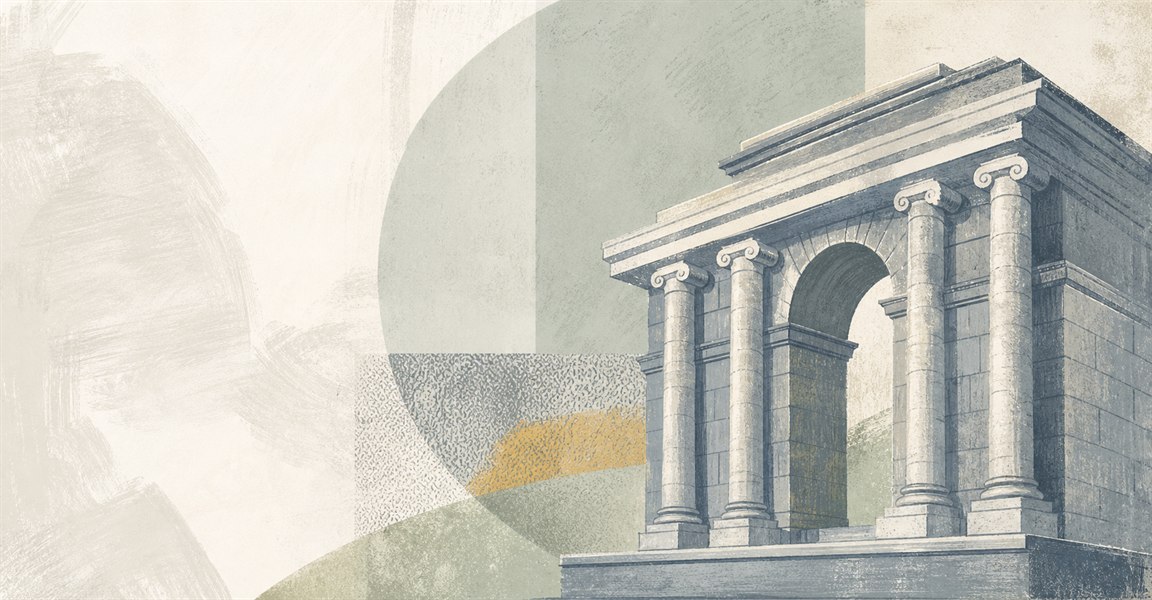
5 EUR banknote · Classical gateway
EUR
Euro
10
10
EUR banknote
10EUR
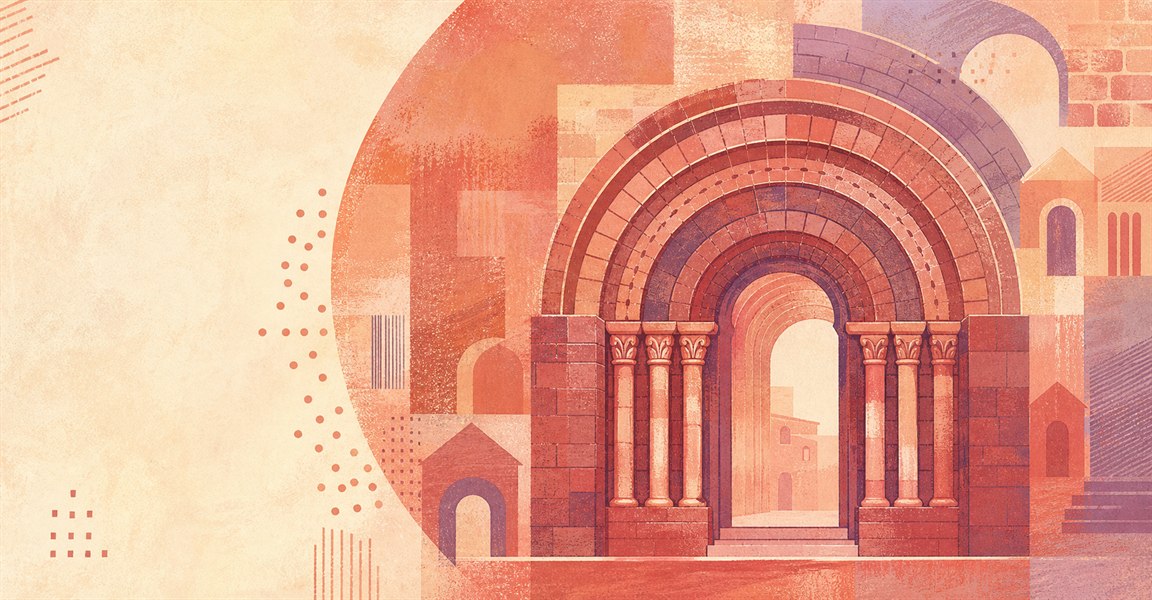
10 EUR banknote · Romanesque arch
EUR
Euro
20
20
EUR banknote
20EUR
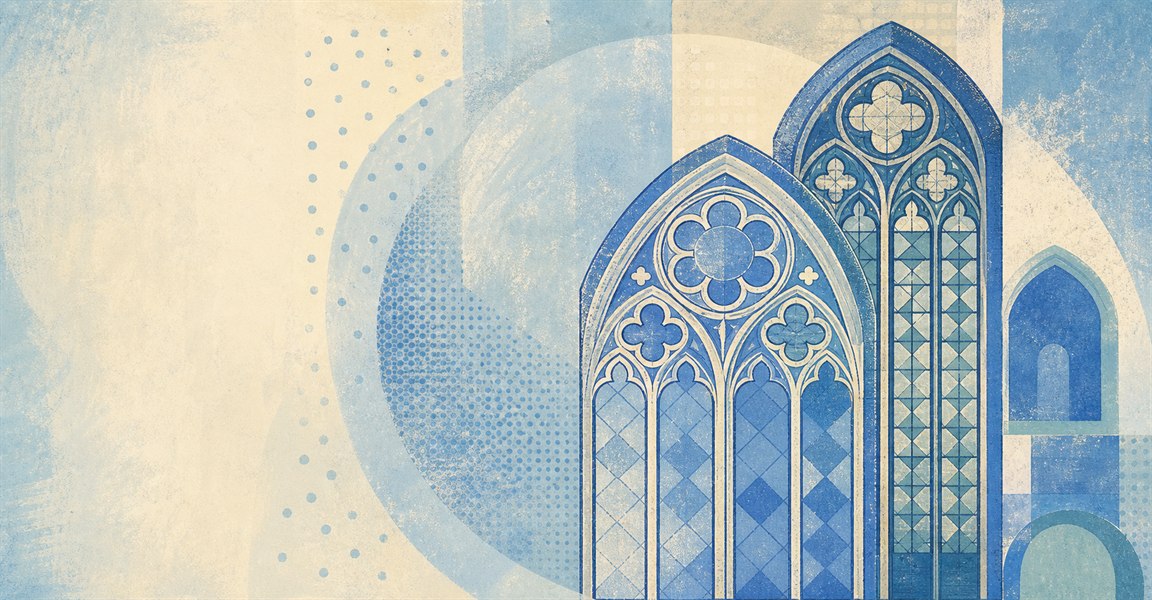
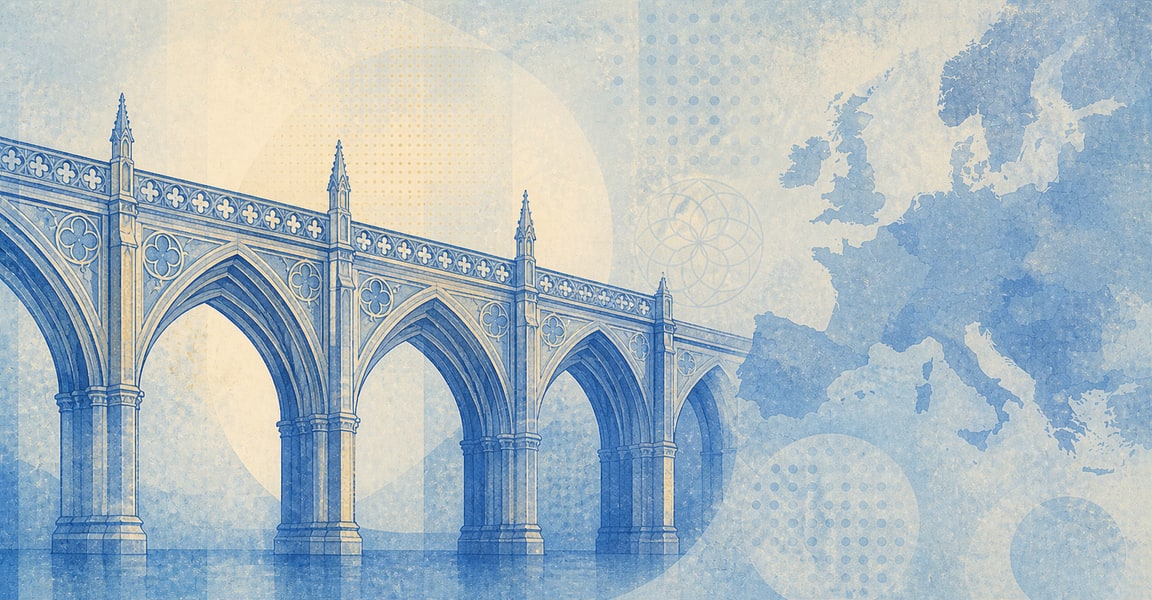
20 EUR banknote · Gothic windows
EUR
Euro
50
50
EUR banknote
50EUR
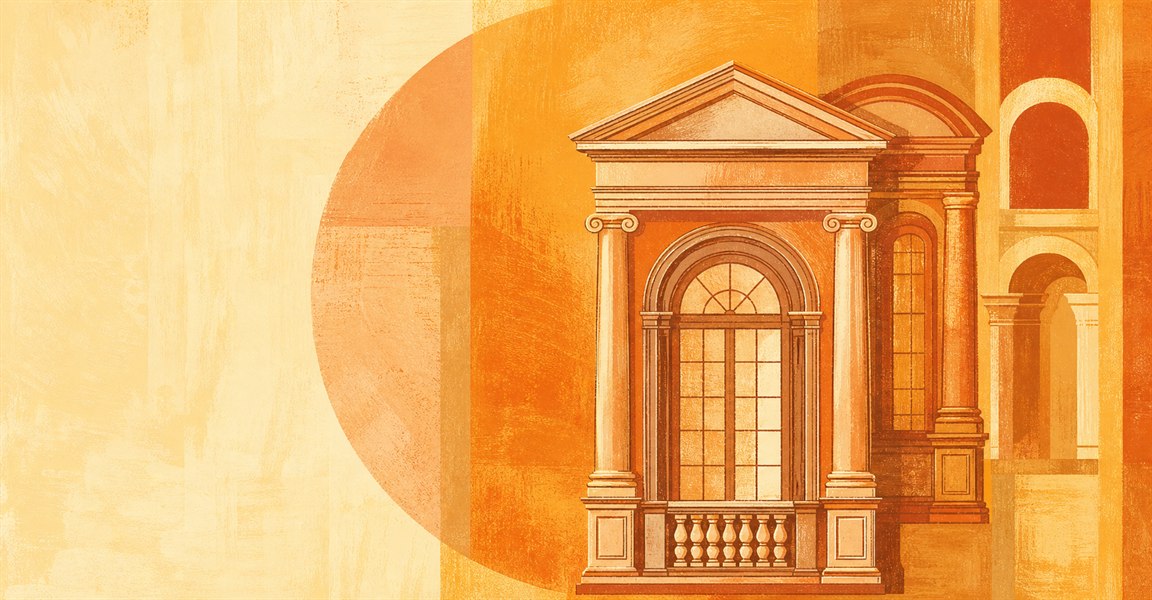
50 EUR banknote · Renaissance window
EUR
Euro
100
100
EUR banknote
100EUR
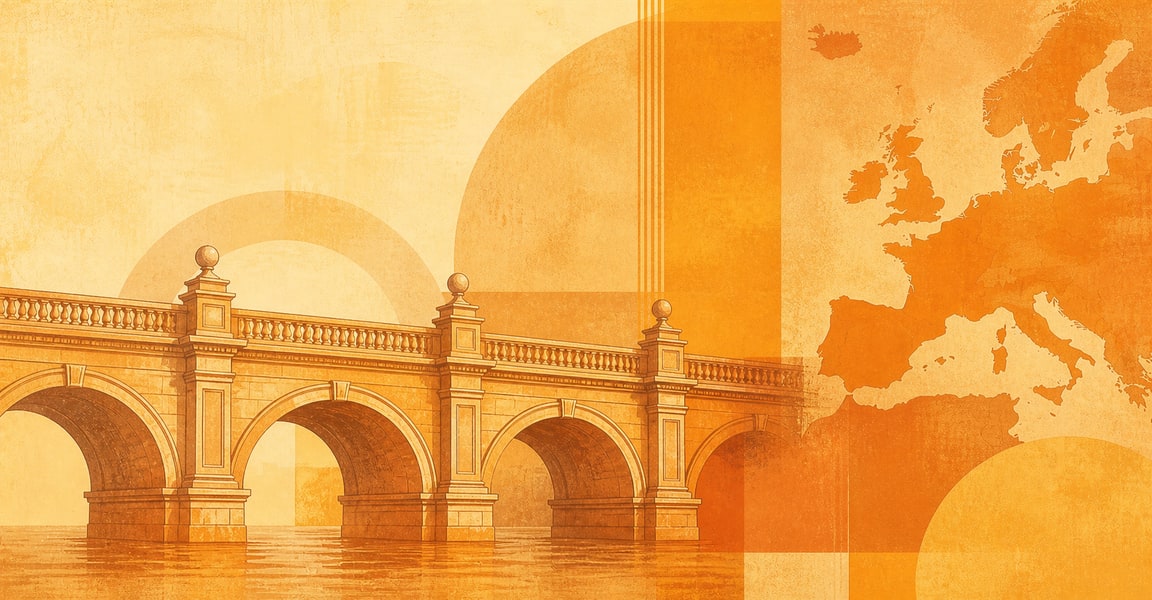
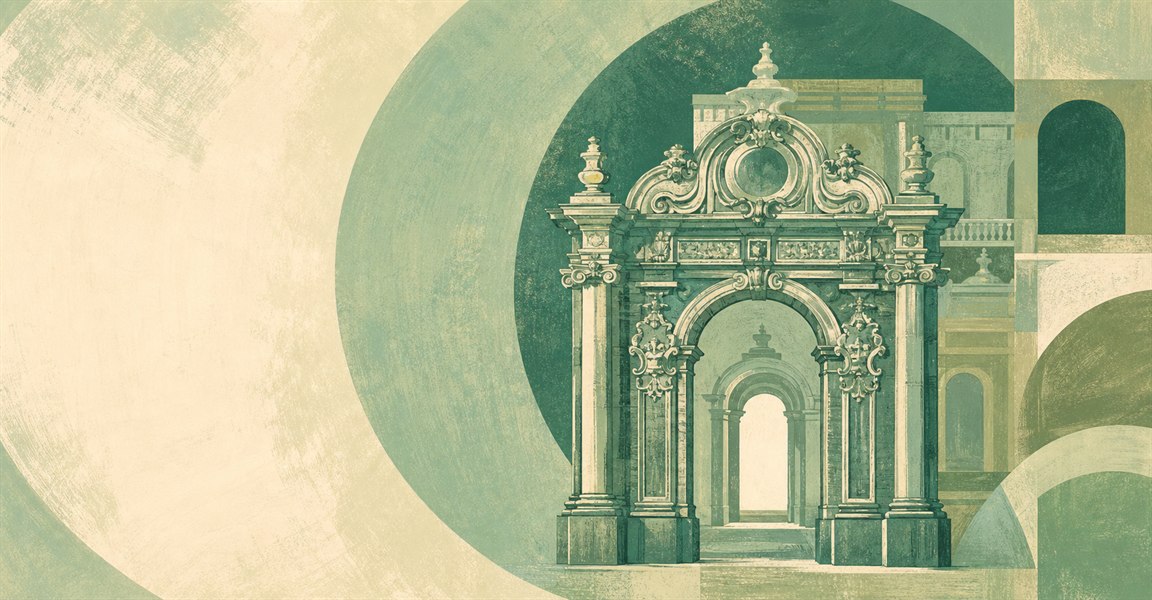
100 EUR banknote · Baroque gateway
EUR
Euro
200
200
EUR banknote
200EUR
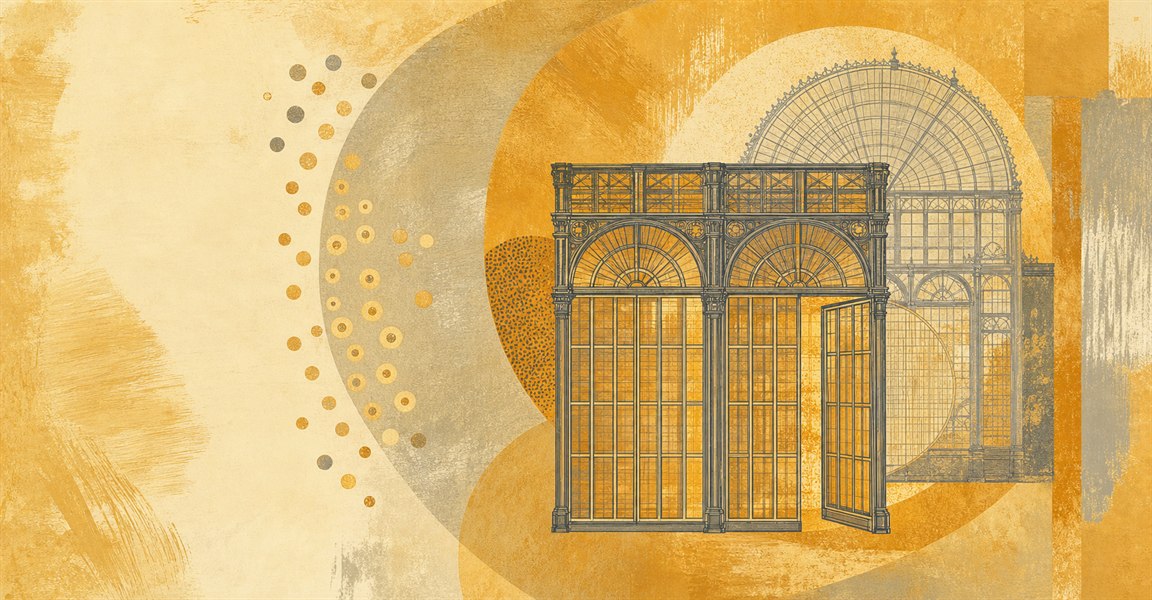
200 EUR banknote · Iron and glass
EUR
Euro
500
500
EUR banknote
500EUR
500 EUR banknote · Modern glass and steelOlder series · no longer issued
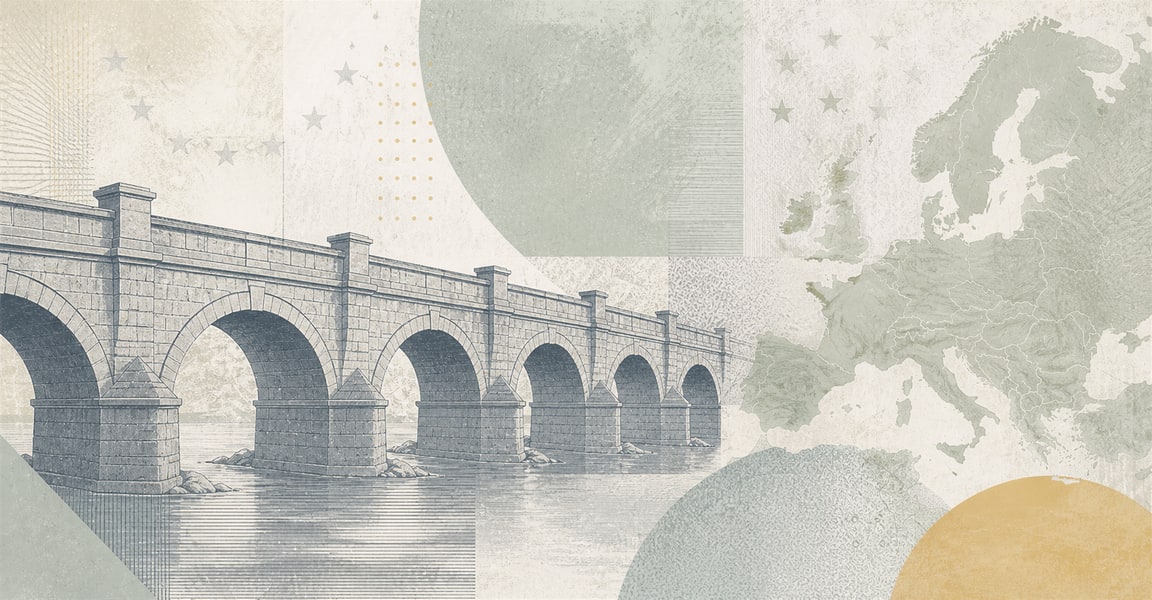
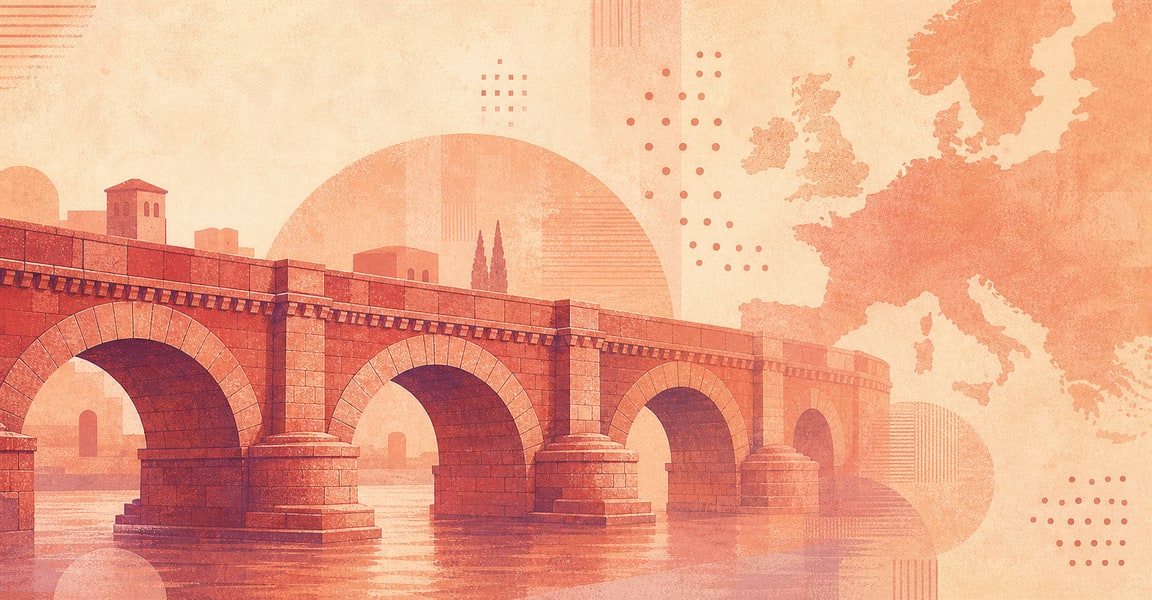
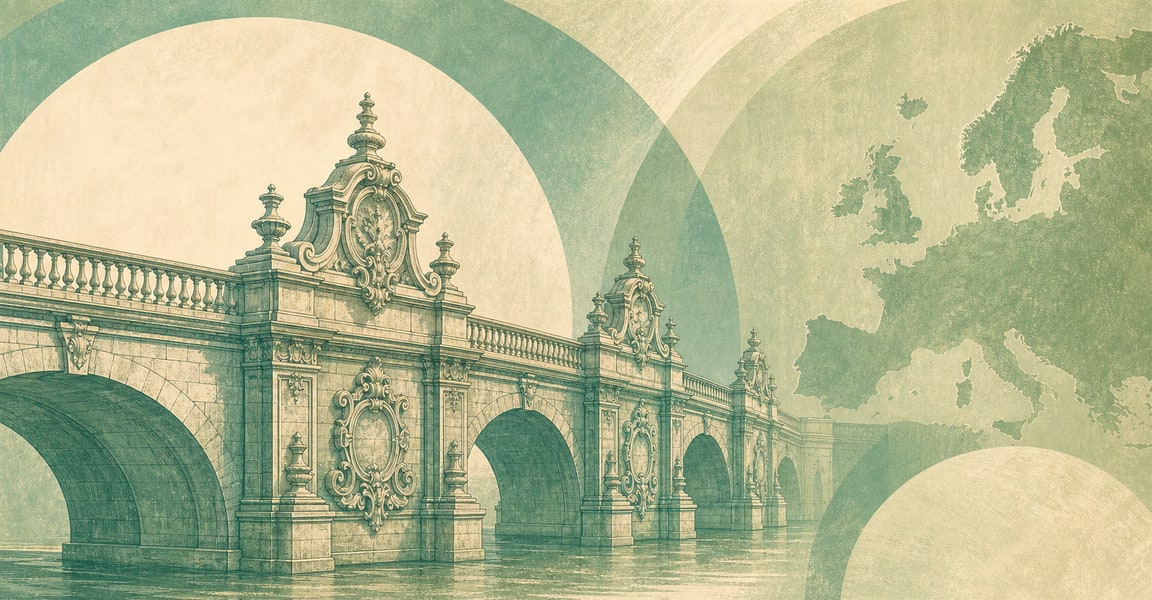
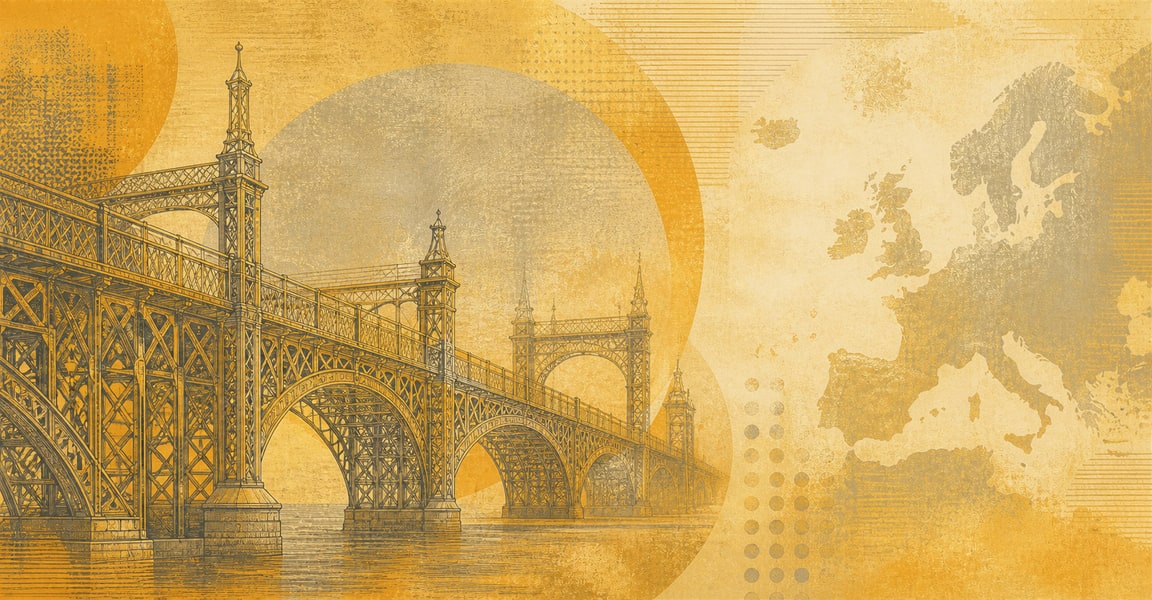
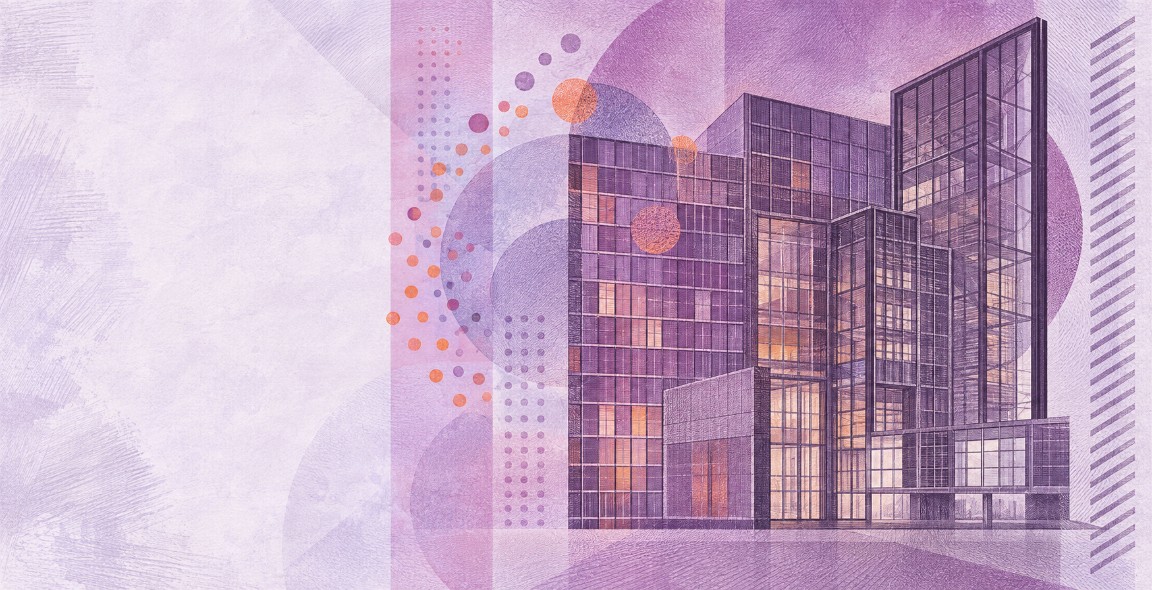
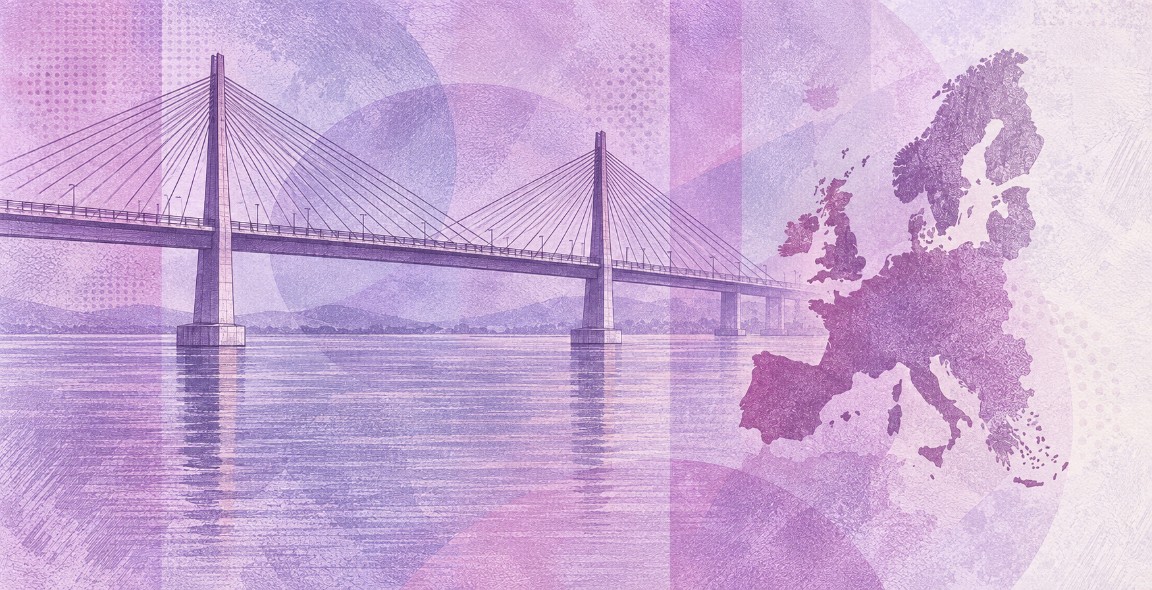
The euro banknote theme is imagined European architecture rather than real monuments: windows and gateways move from classical to modern styles, while bridges on the reverse suggest connection. Cash by Country artwork is an original, simplified interpretation and is not legal tender.
The eight-room gallery
1 cCastel del Monte2 cMole Antonelliana5 cColosseum10 cBirth of Venus20 cBoccioni50 cMarcus AureliusEUR 1Vitruvian ManEUR 2Dante
Architecture begins the sequence
The three copper-coloured coins travel from the octagonal Castel del Monte to Turin's Mole Antonelliana and Rome's Colosseum. They turn the smallest change into a three-city architecture tour.
The middle values move through art history
Botticelli's Venus occupies 10 cent, a dynamic sculpture by Futurist Umberto Boccioni occupies 20 cent, and the equestrian Marcus Aurelius on the Campidoglio occupies 50 cent.
Leonardo and Dante anchor the euros
Leonardo's study of ideal human proportions makes EUR 1 instantly recognisable. EUR 2 uses Raphael's portrait of Dante from the Vatican Palace, placing literature on the highest regular value.
Shared notes, local masterpieces
An Italian EUR 20 note is the same banknote used across the euro area. Use our original illustrations for denomination and colour, then check real notes by touch, watermark, security thread and hologram.