
Icelandic cash is compact enough to learn over one coffee: five valid banknotes and five valid coins. The notes celebrate an independence leader, a bishop, a painter, an embroiderer and a poet-naturalist. The coins belong to the surrounding sea. Together they make the króna feel less like a row of numbers and more like a pocket-sized map of what Iceland remembers.
Paper money
Icelandic króna notes carry national culture in a soft coastal palette, with each denomination built around a different figure and field of work.
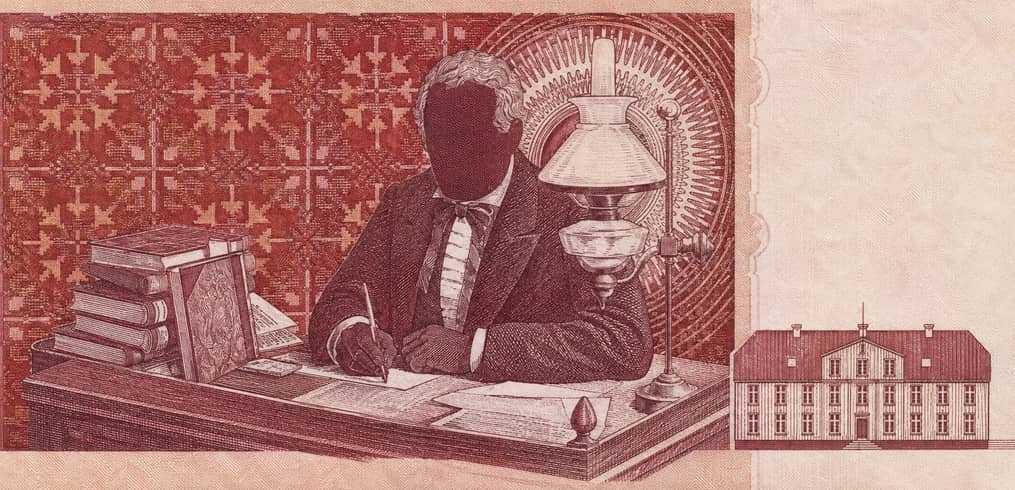
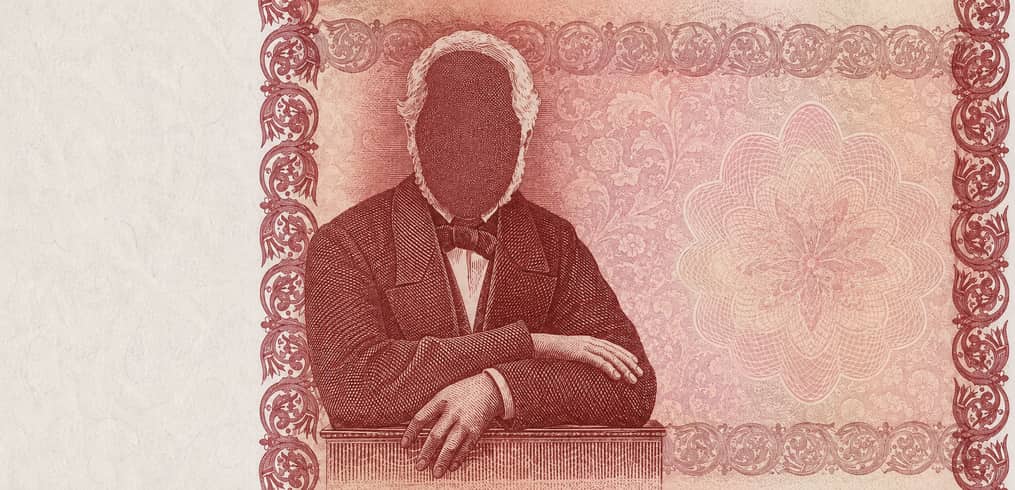
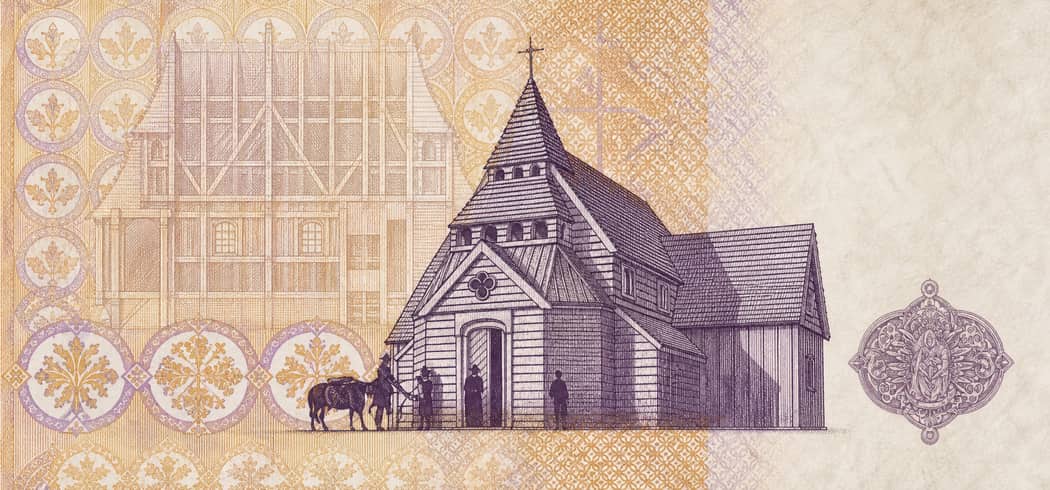
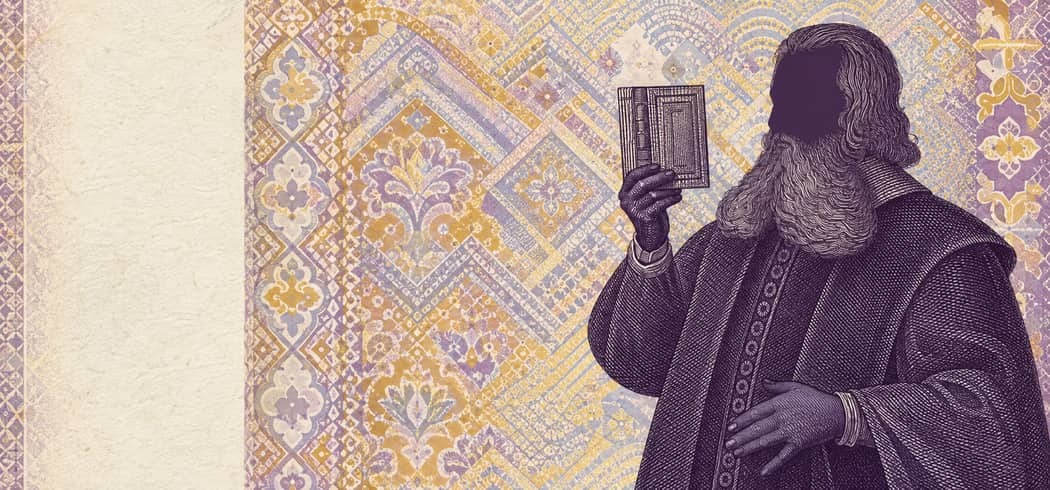
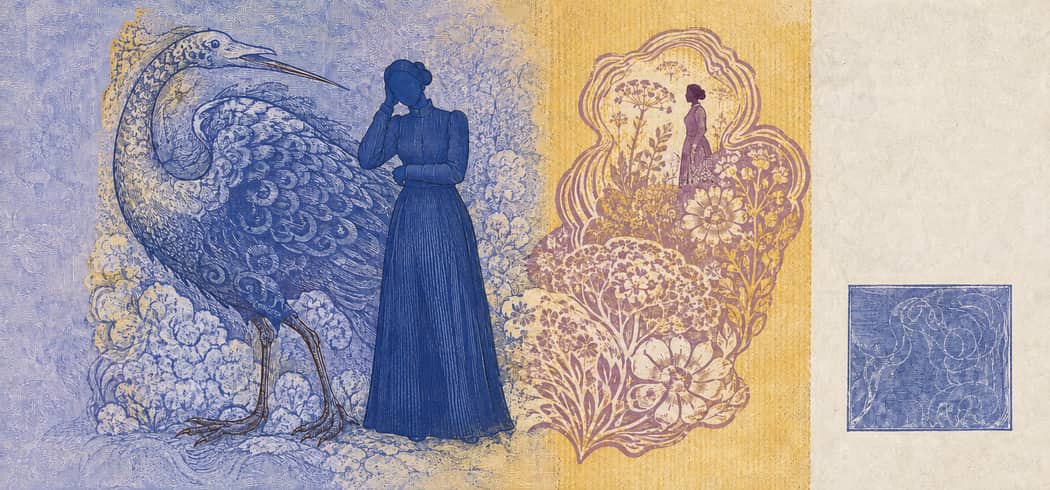
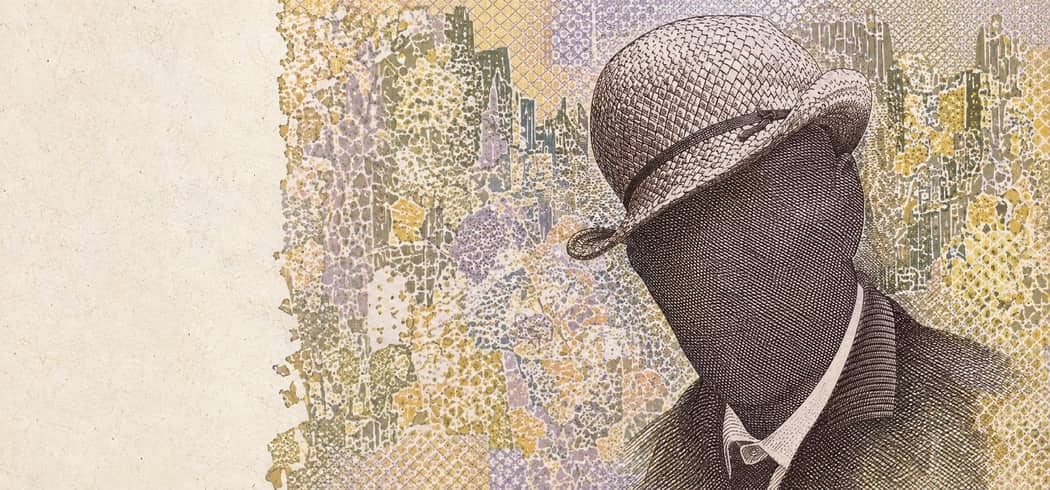
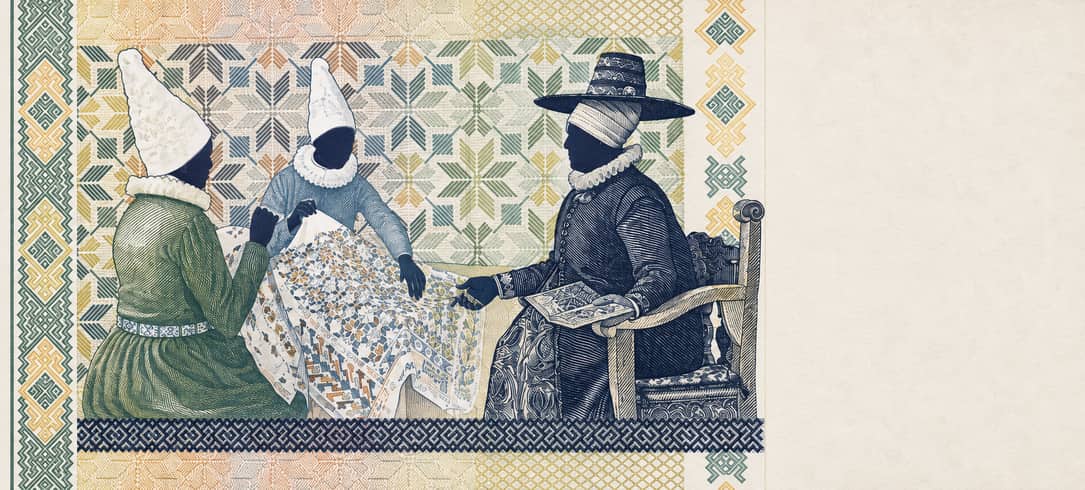

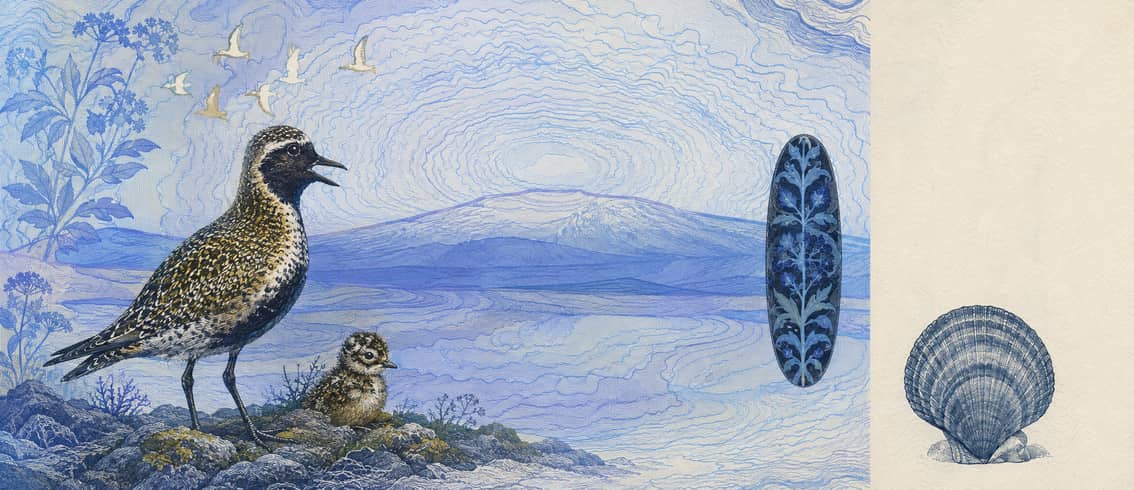
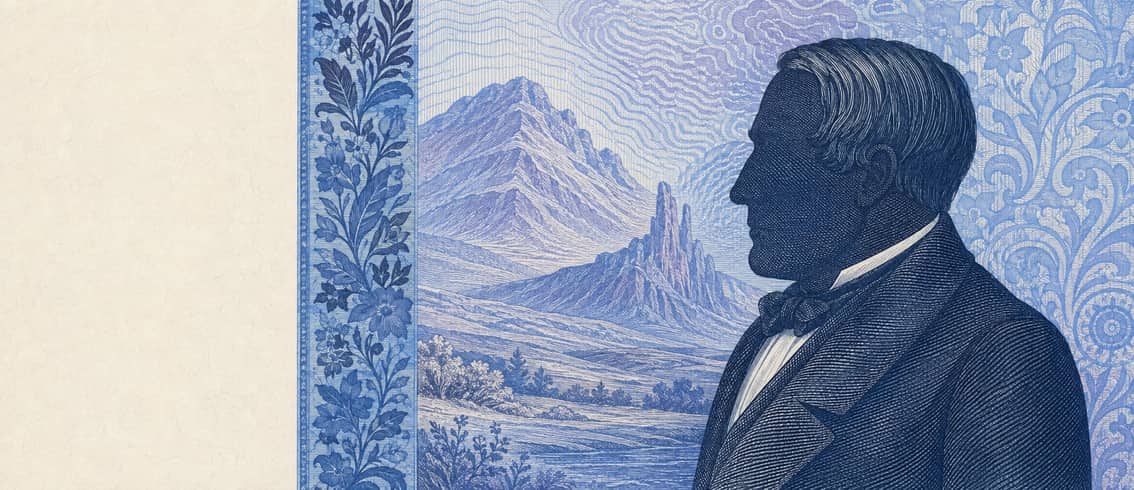
Icelandic krona notes form a quiet cultural gallery of scholars, artists, crafts and everyday work, framed by coastal colours and patterns drawn from national life. Cash by Country artwork is an original, simplified interpretation and is not legal tender.
Five notes make a cultural guest list
One watermark quietly visits every denomination
The portraits change, but the watermark does not. Every current banknote carries Jón Sigurðsson, the nineteenth-century independence leader also shown on the 500-króna note. Hold the paper to light and the whole series gains a shared signature. Use that watermark together with the security thread, raised print and changing optical details when a note feels unfamiliar.
The 2,000 is rare, not retired
The brown 2,000-króna note can feel suspicious simply because many Icelanders and visitors rarely encounter one. It is still valid. Central Bank circulation figures show why it hides: it accounts for a tiny fraction of paper value compared with the 5,000 and 10,000. Accept it after the usual security check, but expect a cashier to look twice as well.
The coins turn the wallet into an ocean
Iceland's coin designs draw from marine life rather than portraits. Fish and other sea creatures connect ordinary change to the waters that shaped the country's food, work and export history. The values rise from 1 to 100 with no aurar coins in circulation, so every physical piece is a whole króna.
Colour and size are clues, never the whole answer
The paper palette moves from red and purple through blue, brown, green and blue-gold, while values and formats become larger. Low light, worn paper and colour-vision differences can blur those clues. Confirm the printed denomination and portrait before handing over a note, especially when a 1,000 and 5,000 have been folded into the same pocket.
Build change below the ten-thousand
A 10,000-króna note is useful value but a clumsy opening move for one pastry or bus-sized purchase. A practical cash reserve uses 500- and 1,000-króna notes, perhaps one 5,000 for a larger backup, and 100-króna coins for small moments. Break a large note during a genuine purchase at a supermarket, hotel or staffed shop.