
A Hong Kong note does not have one universal front design. HSBC, Standard Chartered and Bank of China (Hong Kong) each issue HK$20, HK$50, HK$100, HK$500 and HK$1,000 notes. The colour family, large value and shared reverse-side theme are therefore more useful travel clues than expecting every note of one denomination to look identical.
Paper money
Hong Kong dollar notes are a pocket surprise: three banks issue them, so the same value can have several legitimate looks; colour and the large numeral are the quickest guide.
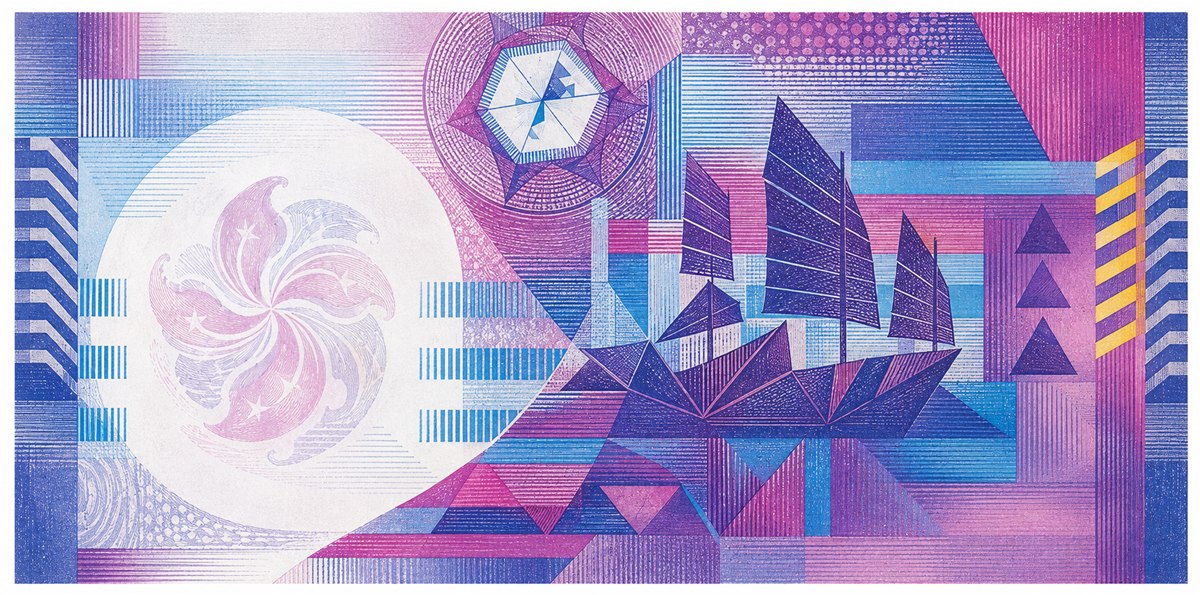
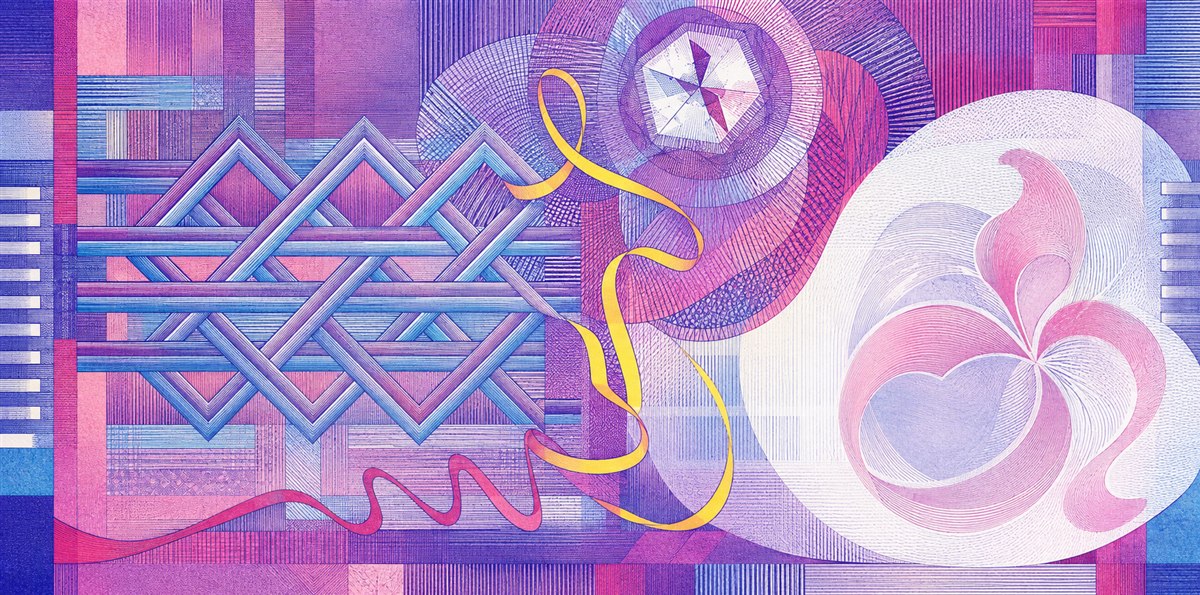
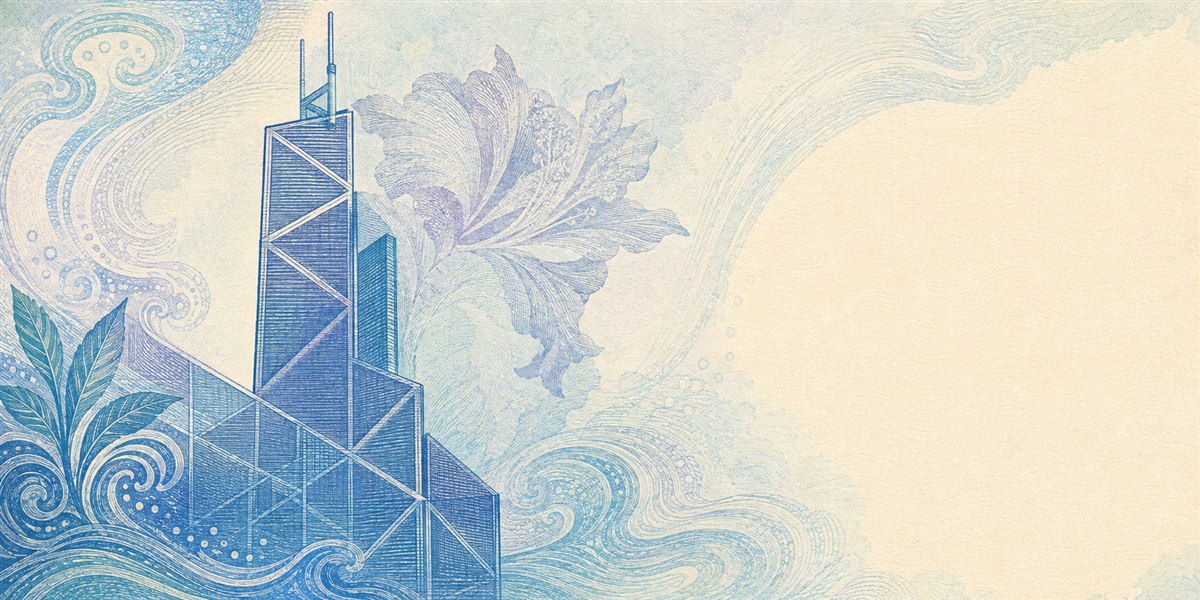
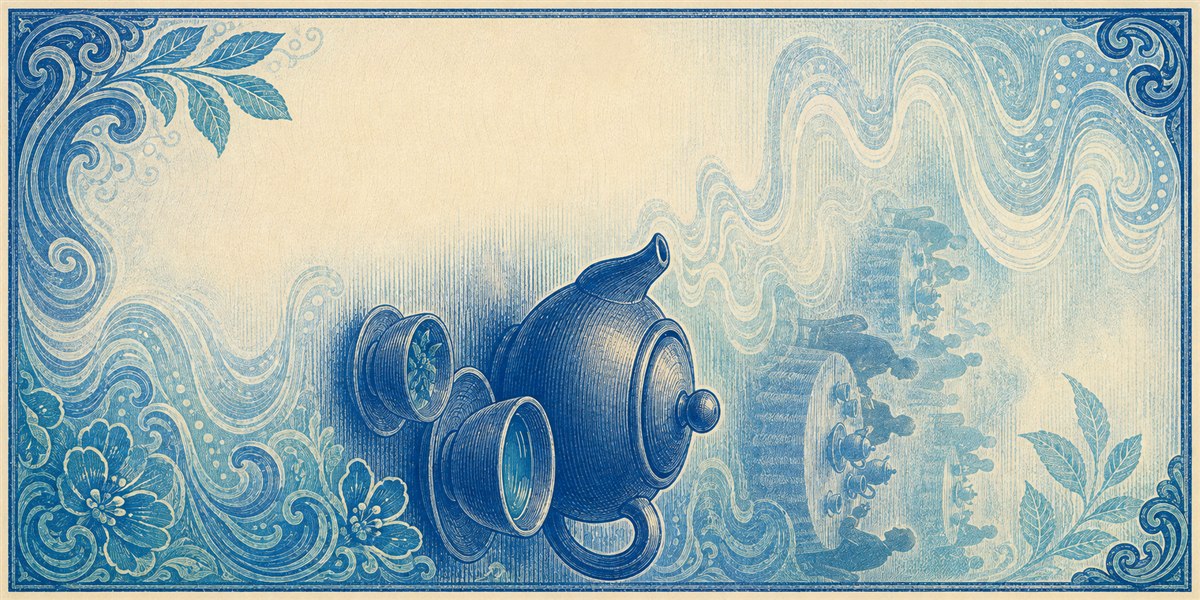
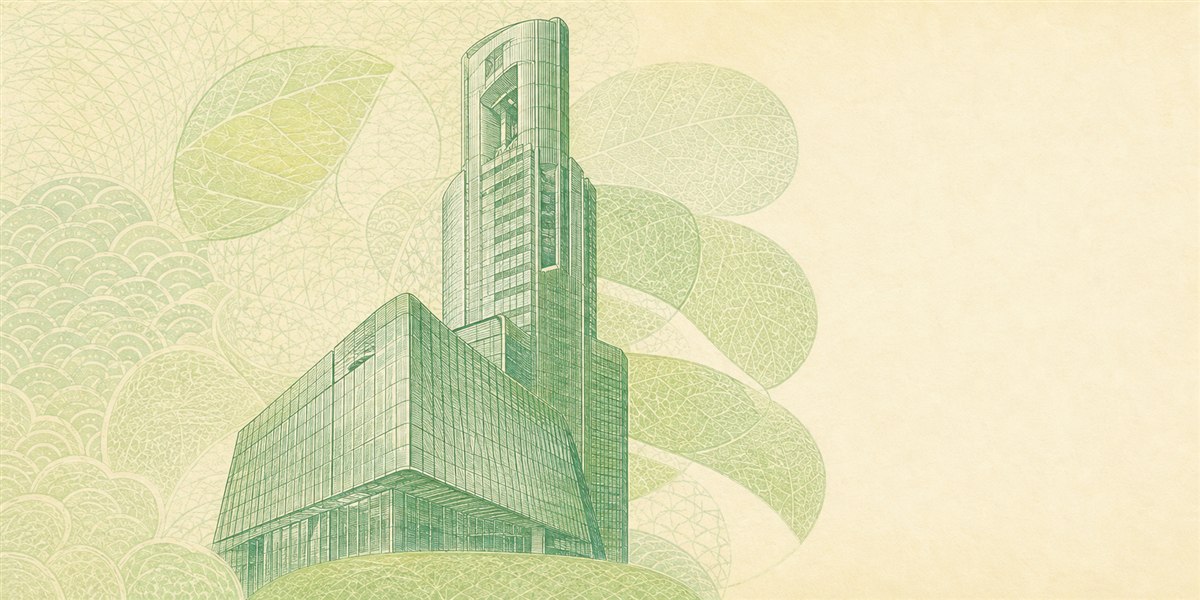
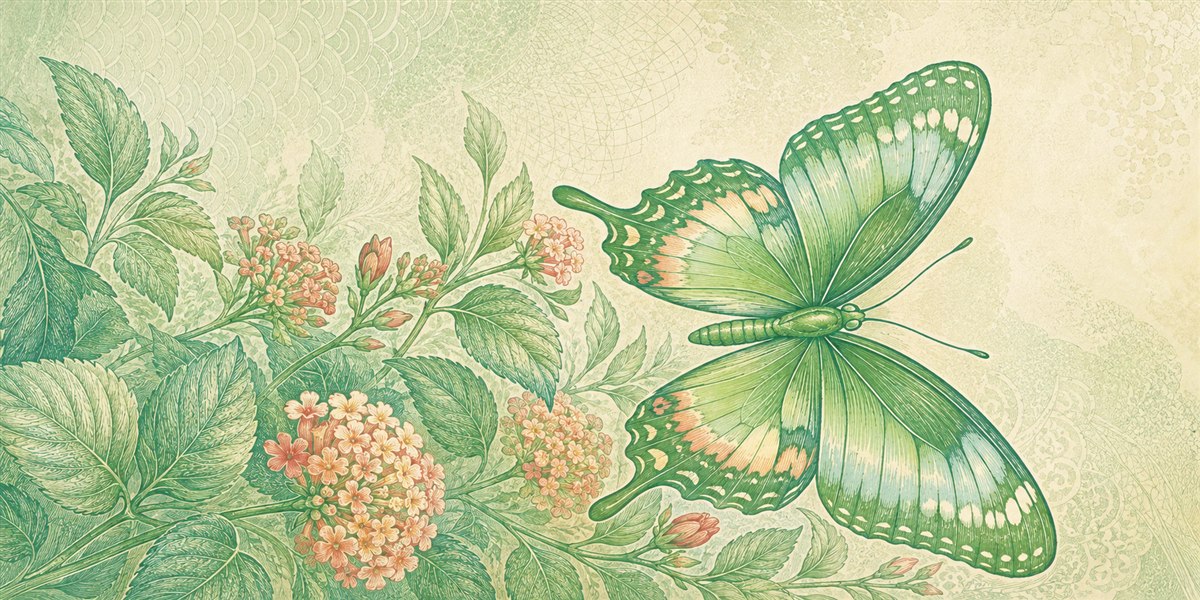
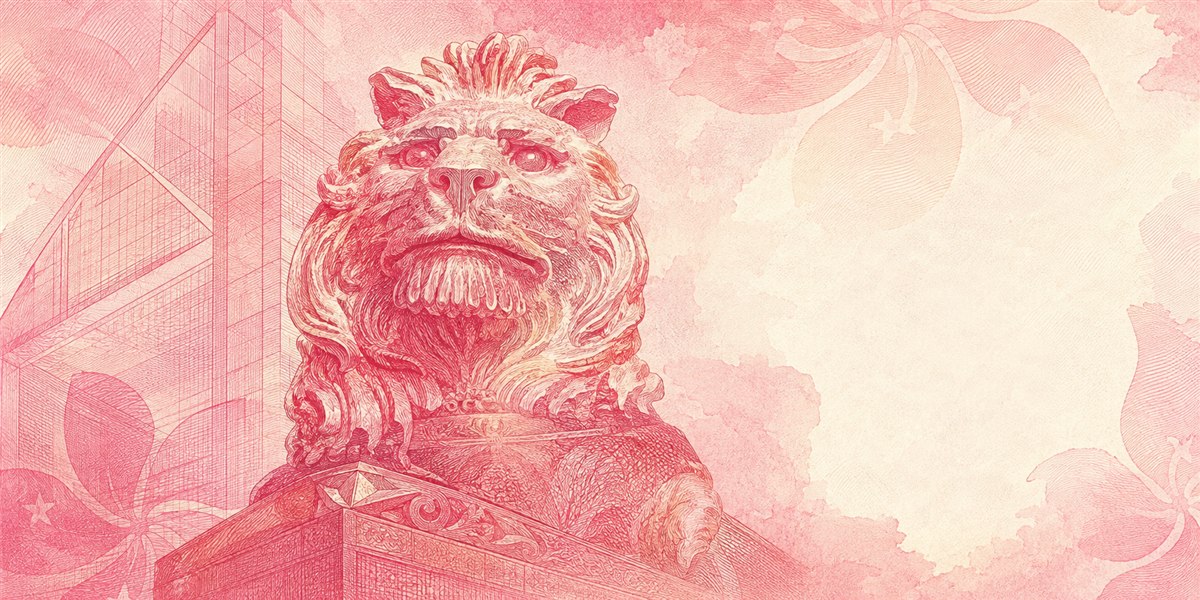
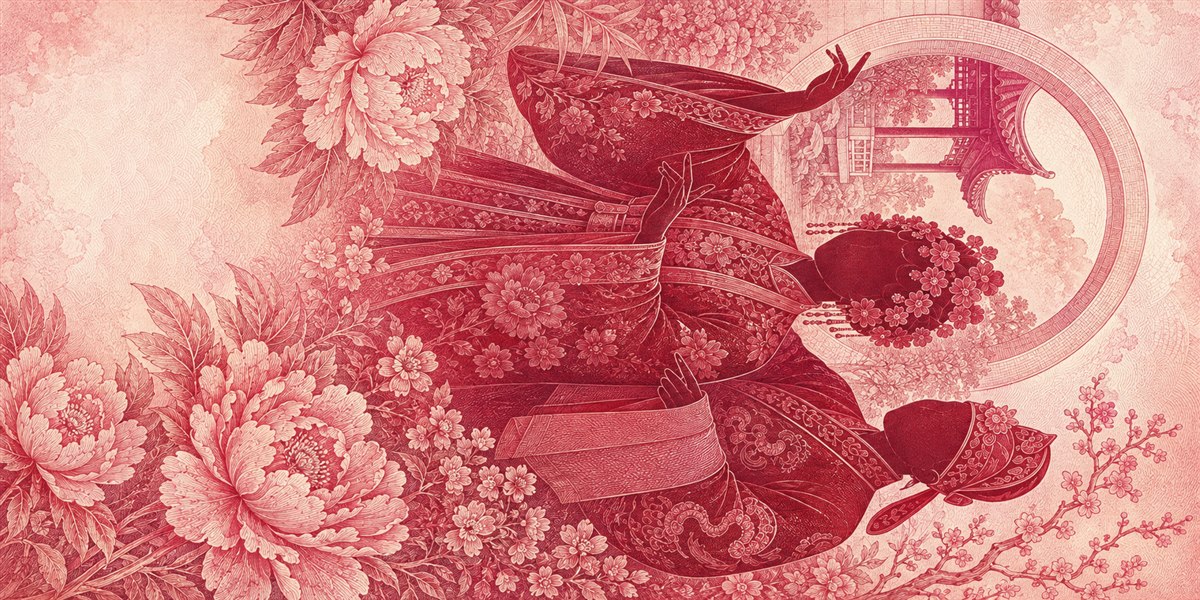
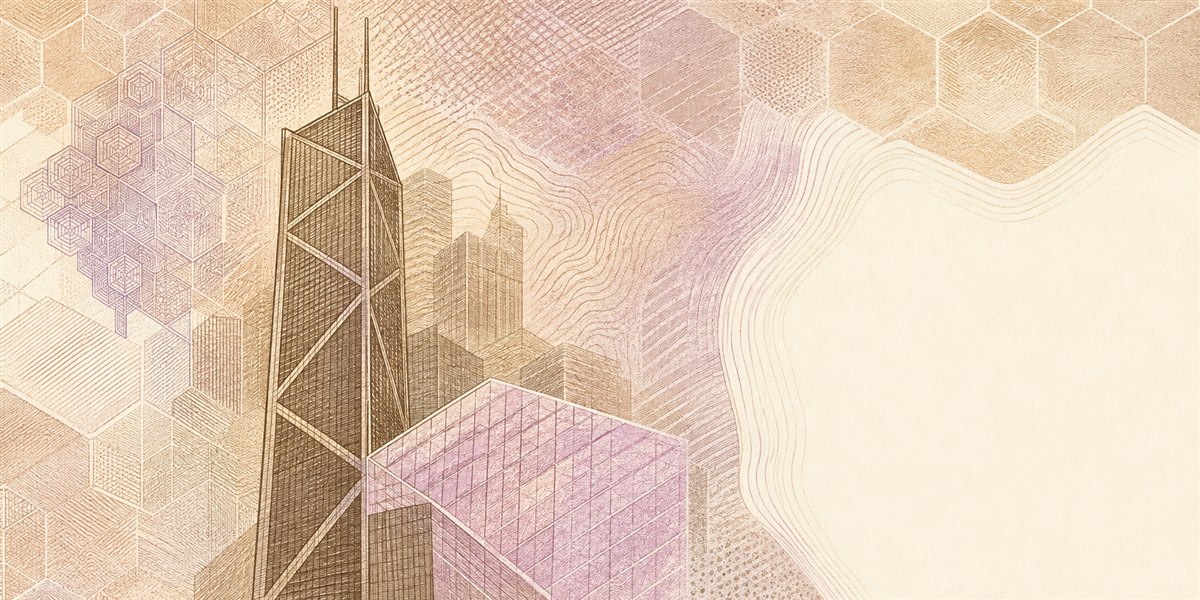
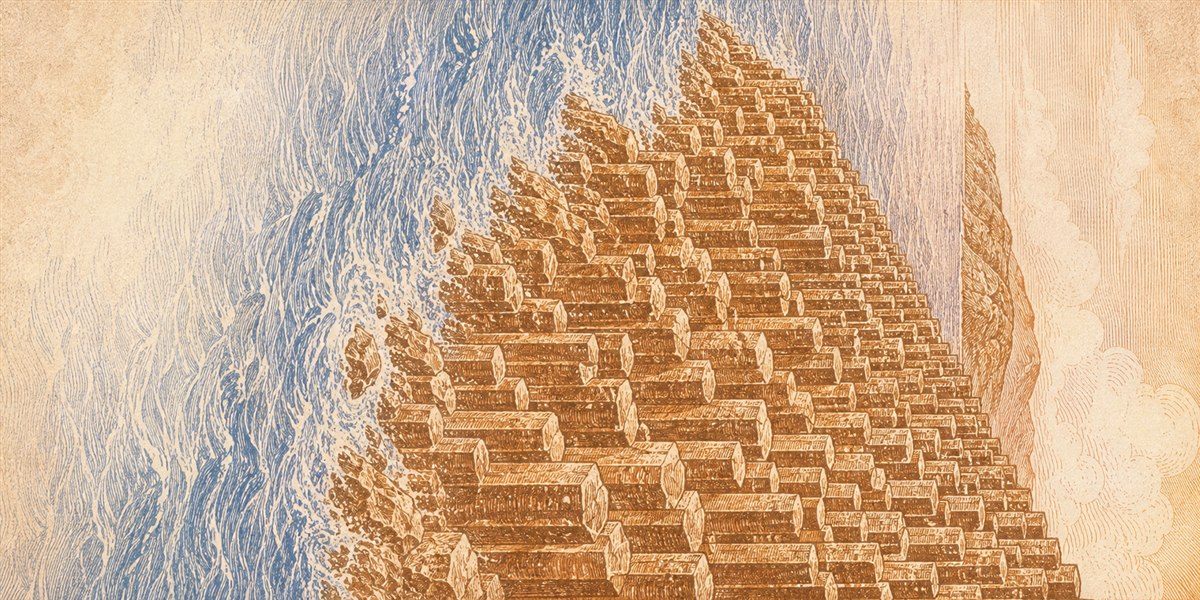
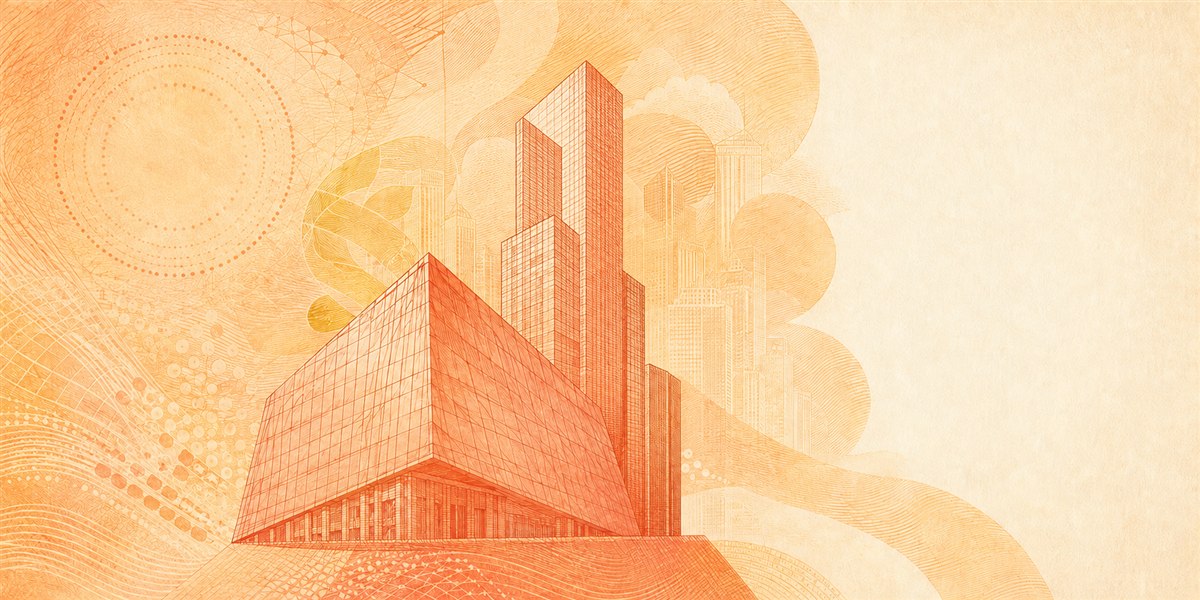
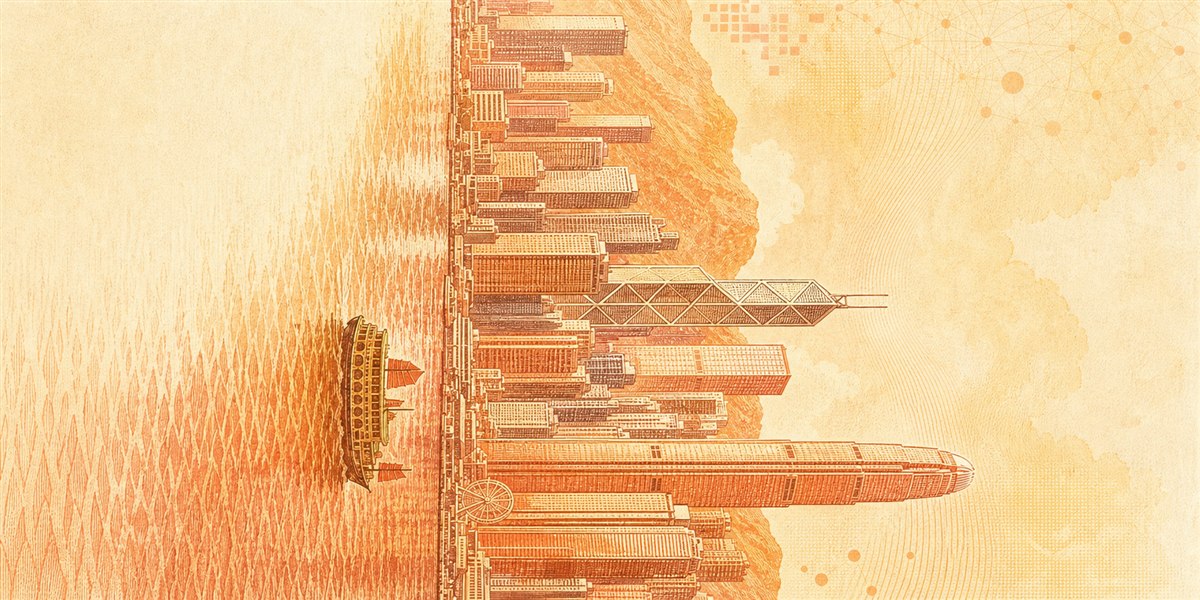
Hong Kong's current HK$20 to HK$1,000 series shares five local themes across three issuing banks, but each bank draws them differently. This gallery shows one representative issuer-inspired composition per value; the HK$10 polymer note is issued by the government. Cash by Country artwork is an original, simplified interpretation and is not legal tender.
Read the wallet as a ladder of Hong Kong stories
Three issuers, one denomination
The reverse turns vertical in the 2018 series
The three issuing banks use their own front designs, but the 2018 series standardises the subject on the reverse for each denomination. Those reverse compositions are vertical, an intentional change that helps distinguish them from older horizontal series. That is why two legitimate HK$100 notes can feel related without looking like copies.
The colours do most of the sorting
Travellers can start with the broad families: purple HK$10, blue HK$20, green HK$50, red HK$100, brown HK$500 and gold-toned HK$1,000. Lighting, age and issuer can shift the exact shade, so confirm the printed denomination instead of using colour alone.
Older notes did not expire when the new art arrived
HKMA confirms that the 2010 series and earlier banknotes can still be used or exchanged through the relevant issuing bank. A less familiar design is not automatically obsolete. Check the denomination and normal security cues, and ask a bank if a note causes genuine doubt.
Legal tender is not a promise of easy change
A small shop can set reasonable payment terms and may decline an impractical HK$500 or HK$1,000 note. Keep the high values for a suitable purchase or break them at a bank or larger business. For ordinary travel, HK$20, HK$50 and HK$100 notes are the more cooperative pocket.
Seven coins fill the space below the notes
The current coin ladder runs through 10, 20 and 50 cents, then HK$1, HK$2, HK$5 and HK$10. The one-dollar coin is silver-coloured, while the larger HK$10 coin is bimetallic. Cash by Country uses simplified original artwork to teach the value, metal family and shape; it is not legal tender.