HKD
Hong Kong Dollar
10
10
HKD banknote
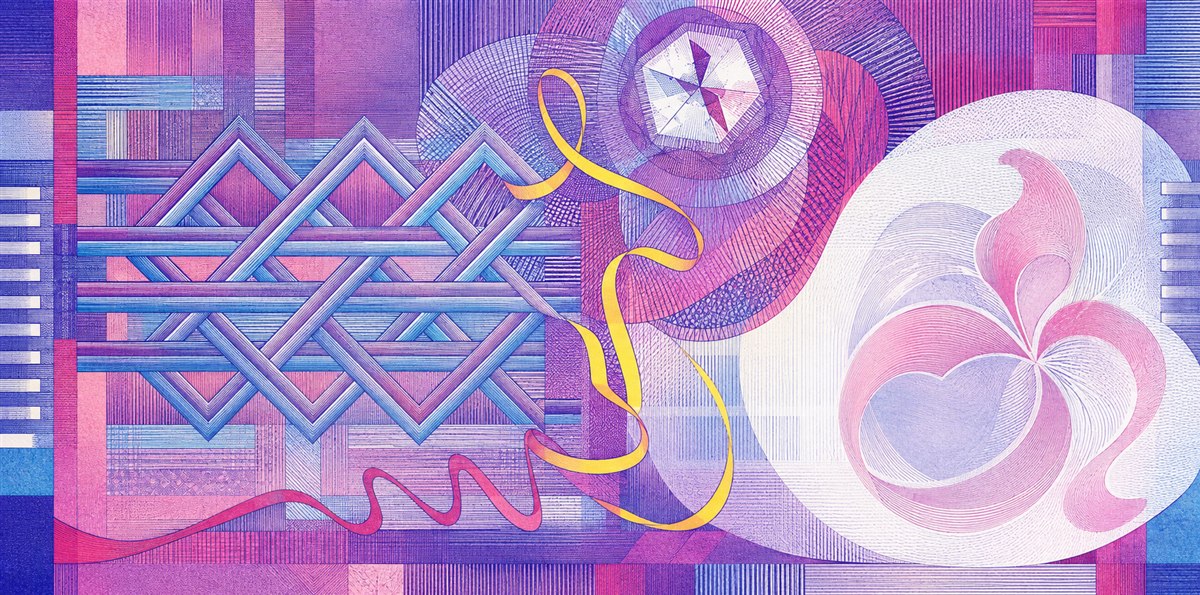
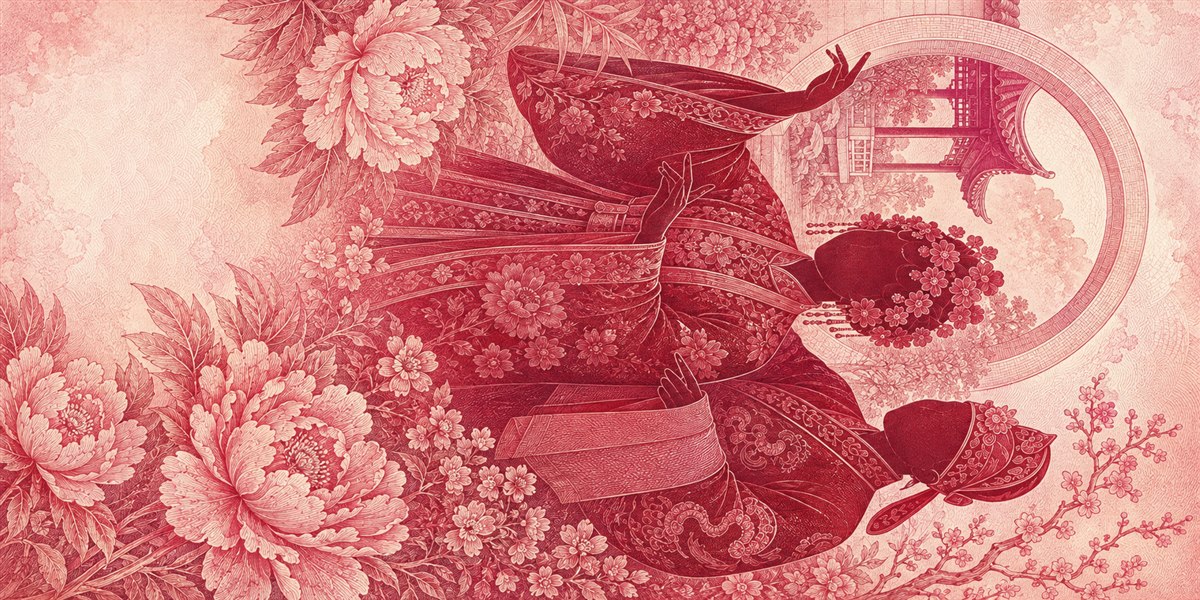
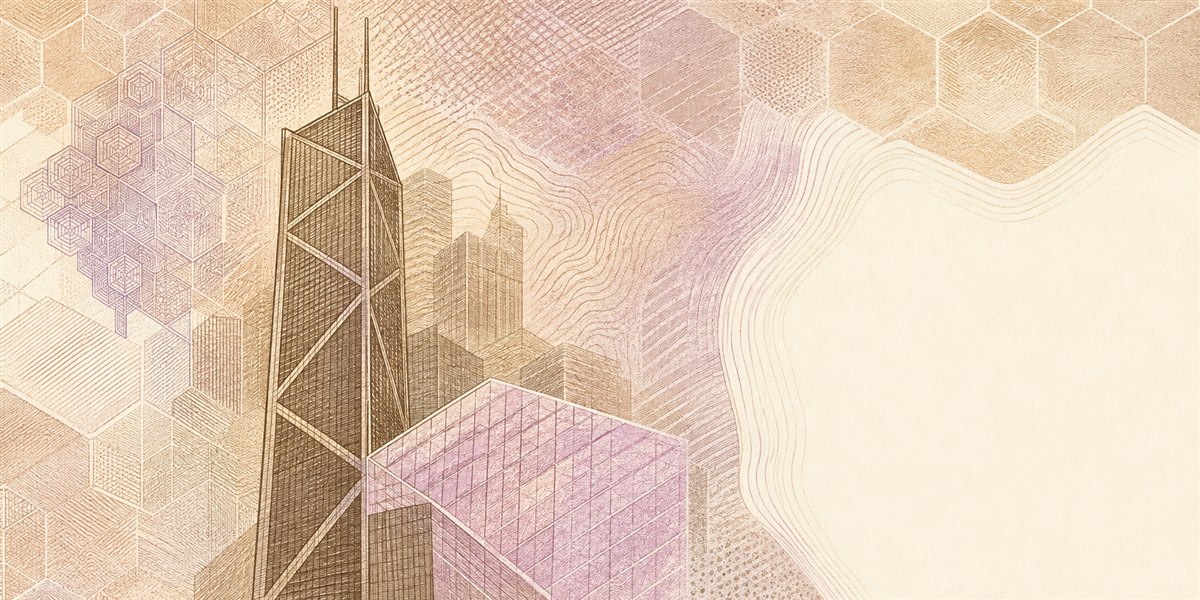
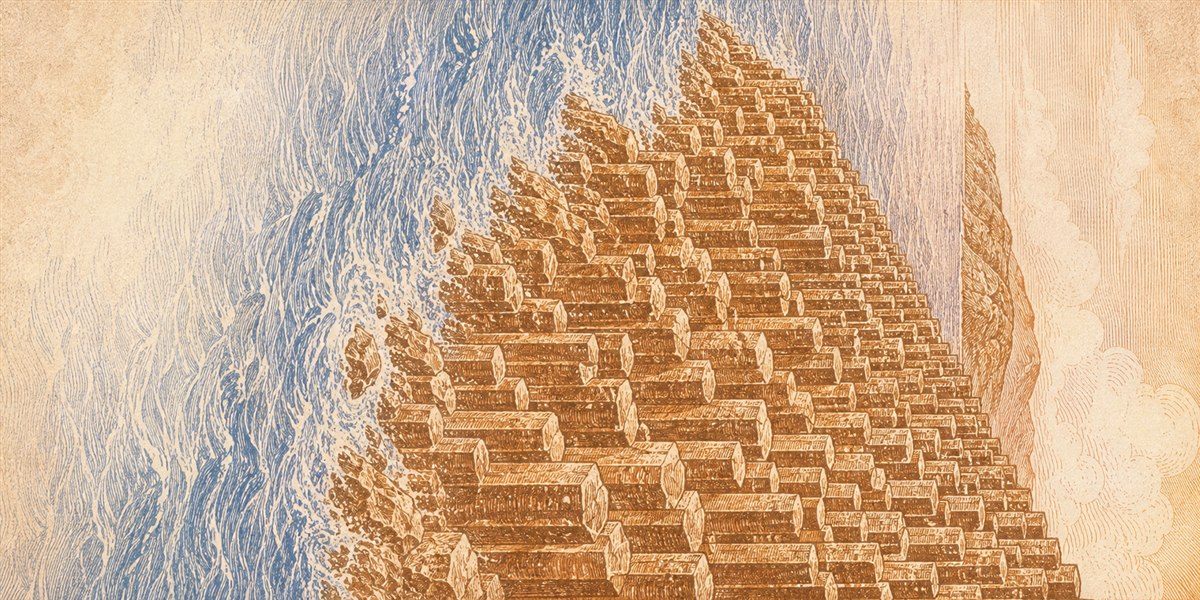
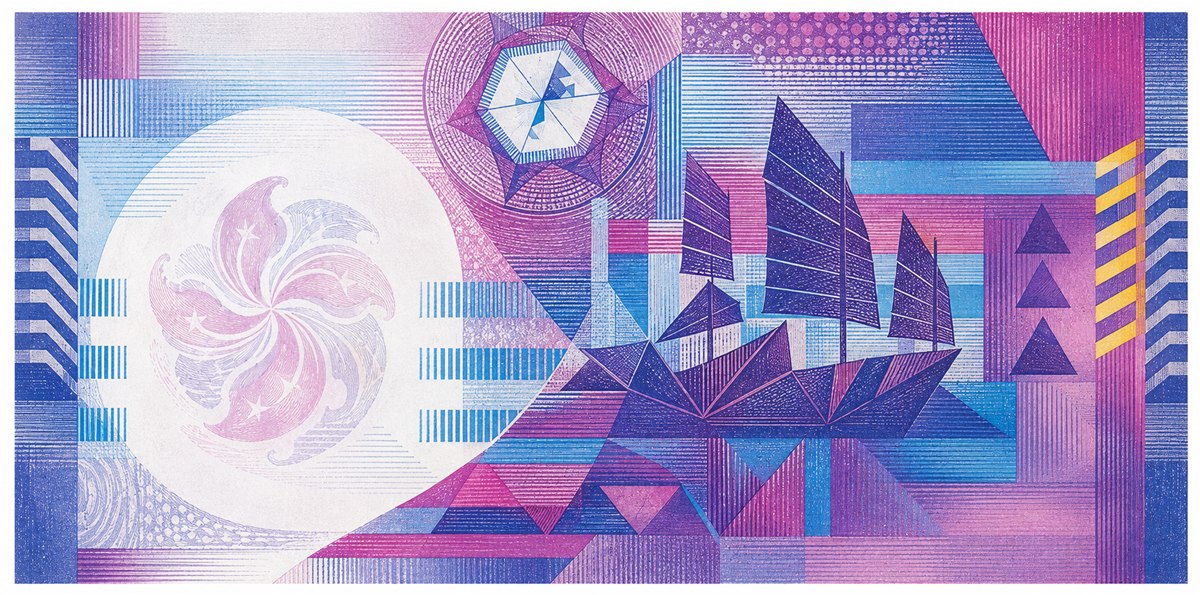
10 HKD banknote · Government polymer geometry and clear window
Meet the Hong Kong dollar before the first MTR gate, cha chaan teng bill or harbour crossing. The city is easy to pay in once Octopus, bank cards and a small cash pocket each have a job.
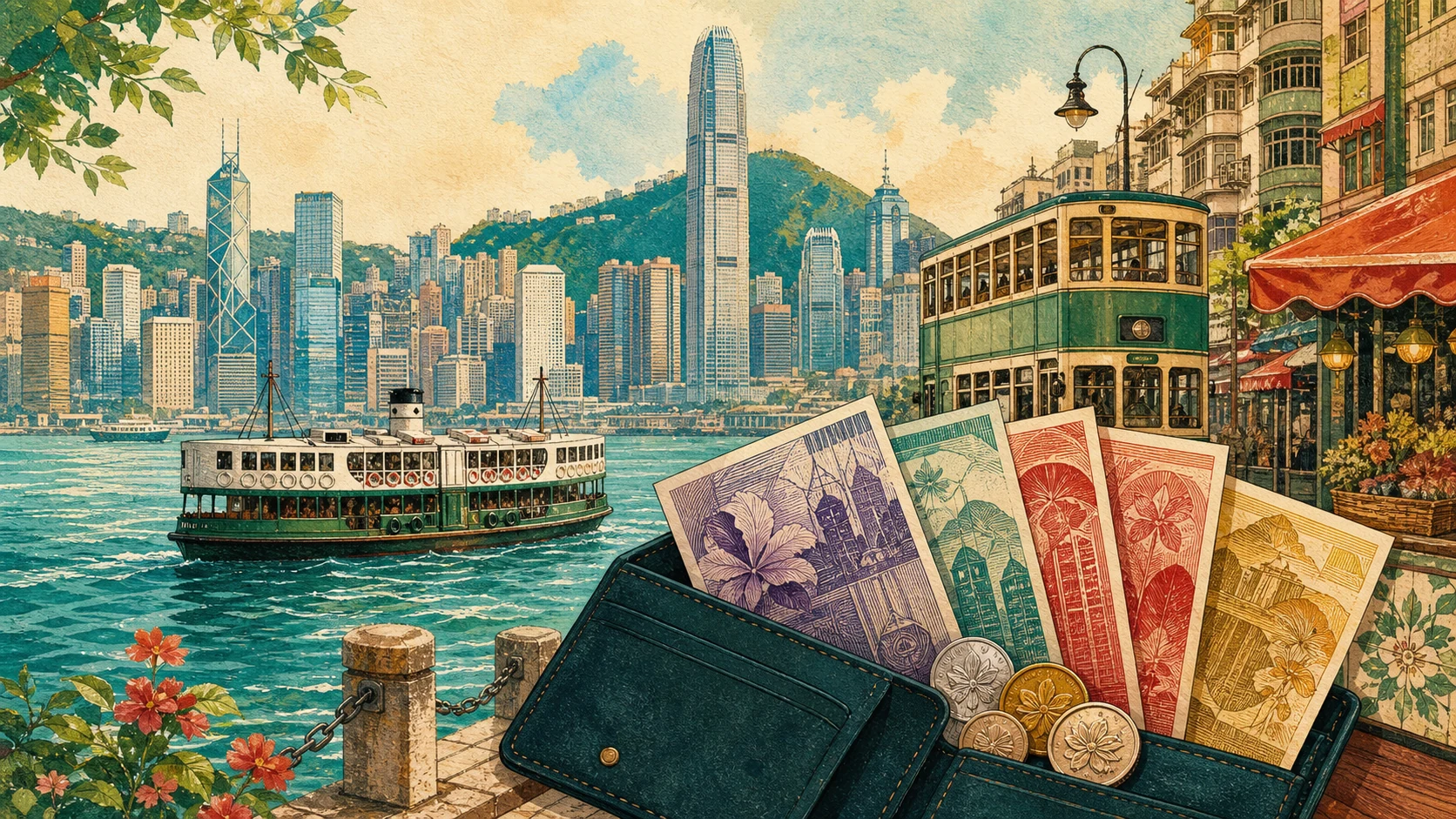
Let a low-fee card cover hotels and larger purchases, use Octopus for transport and quick everyday taps, and keep HK$300-500 in smaller notes for markets, traditional eateries and payment gaps.
Hong Kong is not one cashless system. MTR gates accept Octopus and designated contactless bank cards, but those methods follow different rules. Restaurants may add 10% service charge, large HK$500 and HK$1,000 notes can be awkward, and three banks issue legitimate notes with different faces for the same value.
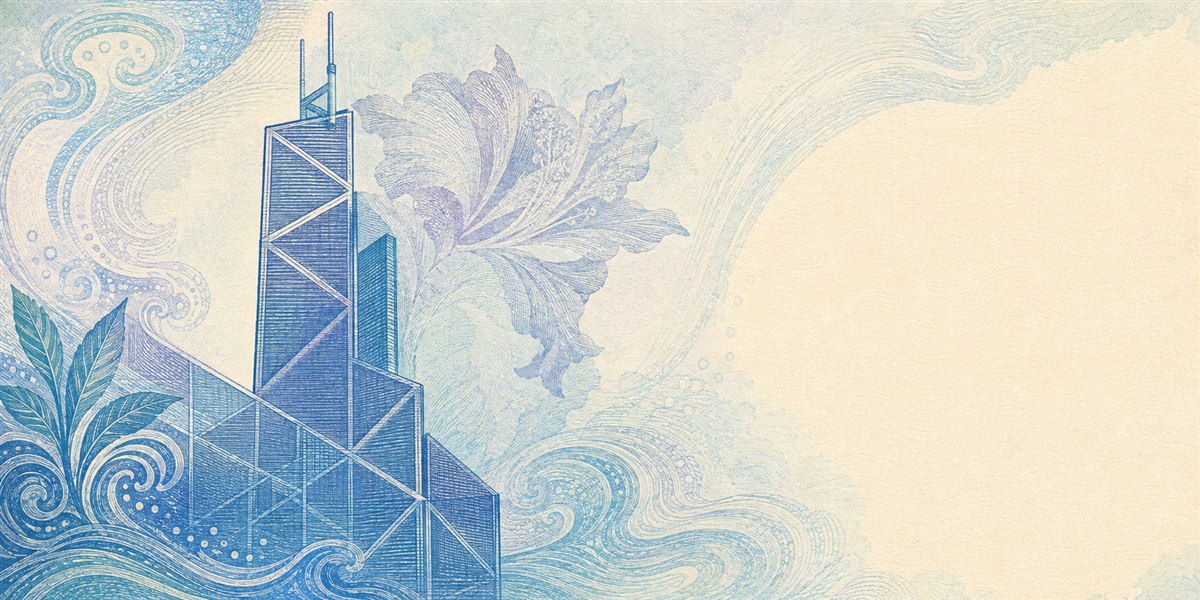
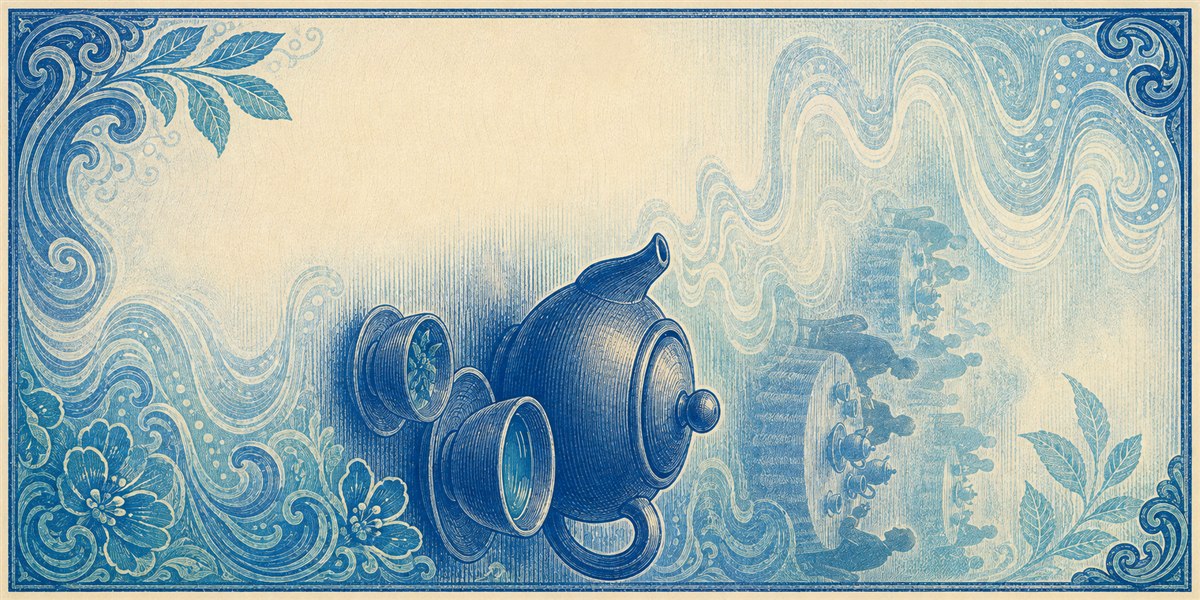
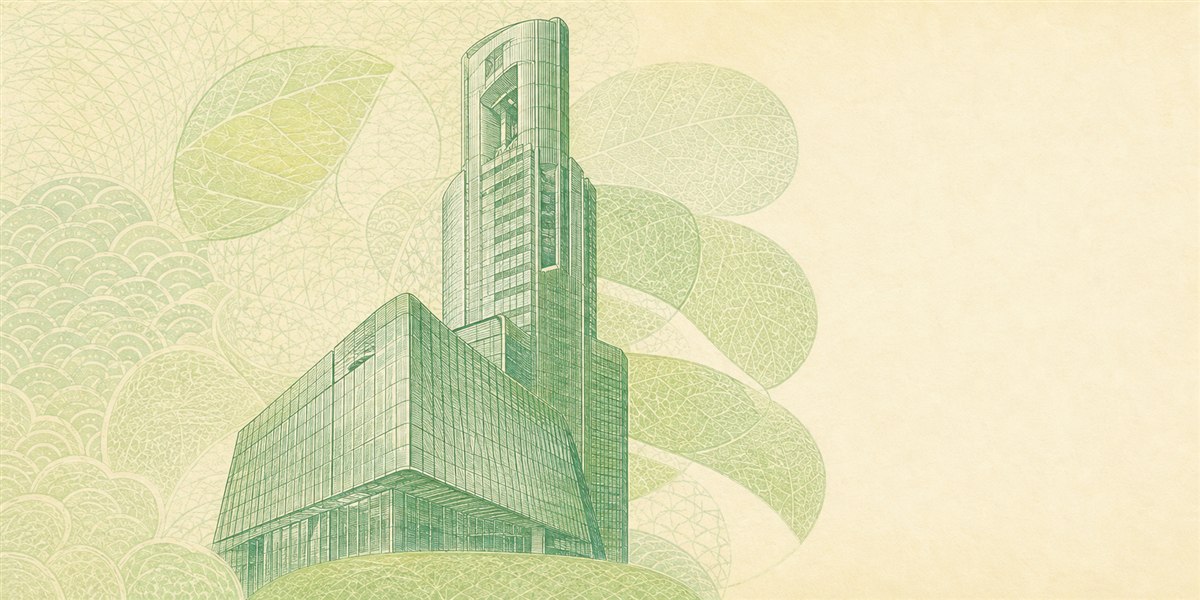
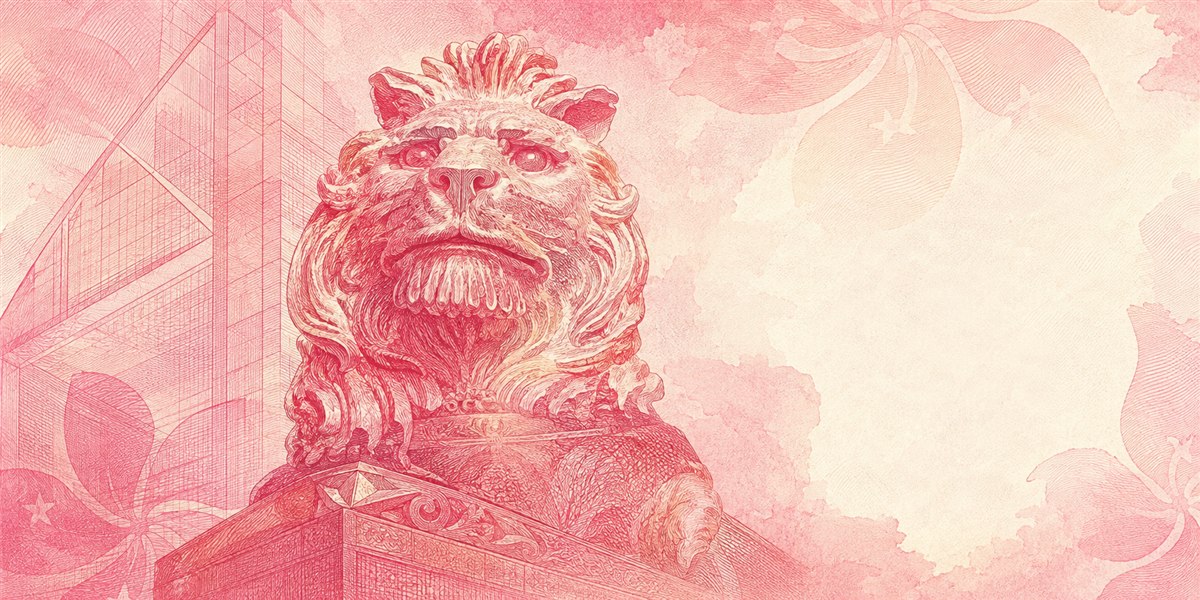
Hong Kong dollar notes are a pocket surprise: three banks issue them, so the same value can have several legitimate looks; colour and the large numeral are the quickest guide.
Hong Kong's current HK$20 to HK$1,000 series shares five local themes across three issuing banks, but each bank draws them differently. This gallery shows one representative issuer-inspired composition per value; the HK$10 polymer note is issued by the government. Cash by Country artwork is an original, simplified interpretation and is not legal tender.
Choose your currency. HKD stays locked to this guide.
Hong Kong money becomes memorable at the small decisions: which of three banknote designs is genuine, whether to tap Octopus or a bank card, what the light-blue MTR gate accepts and whether the restaurant has already added service.
Recognize six useful note values, the shared 2018 themes, the government HK$10 note and the coins from ten cents to ten dollars.
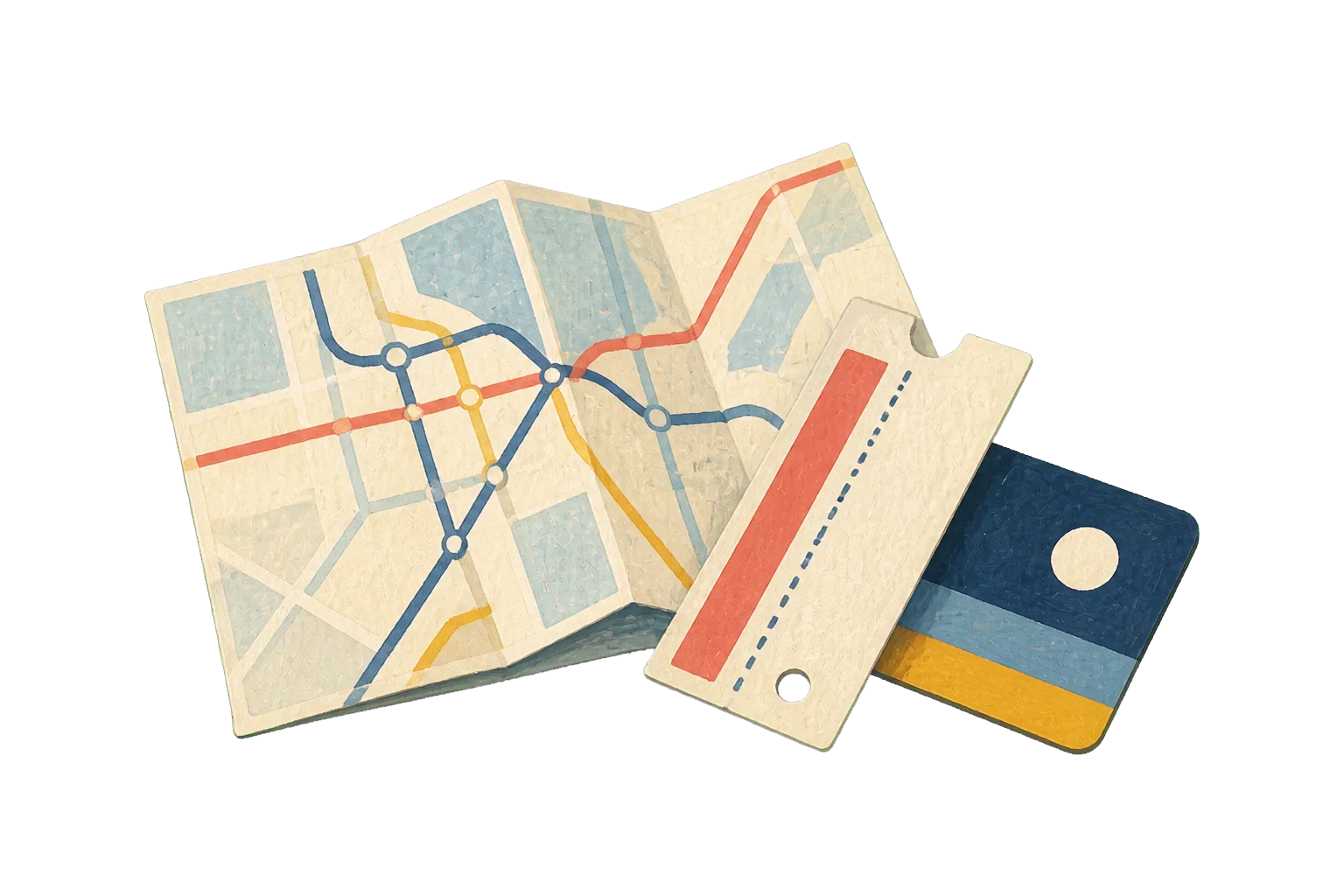
Meet the Hong Kong dollar The card that behaves like pocket changeChoose a tourist or on-loan card, understand cash and mobile top-ups, use it beyond transport and leave with the right refund plan.
Build the Octopus pocket Two ways through the same gateCompare the two tap systems, find the correct gate and avoid the transfer, First Class and Light Rail surprises that matter to visitors.
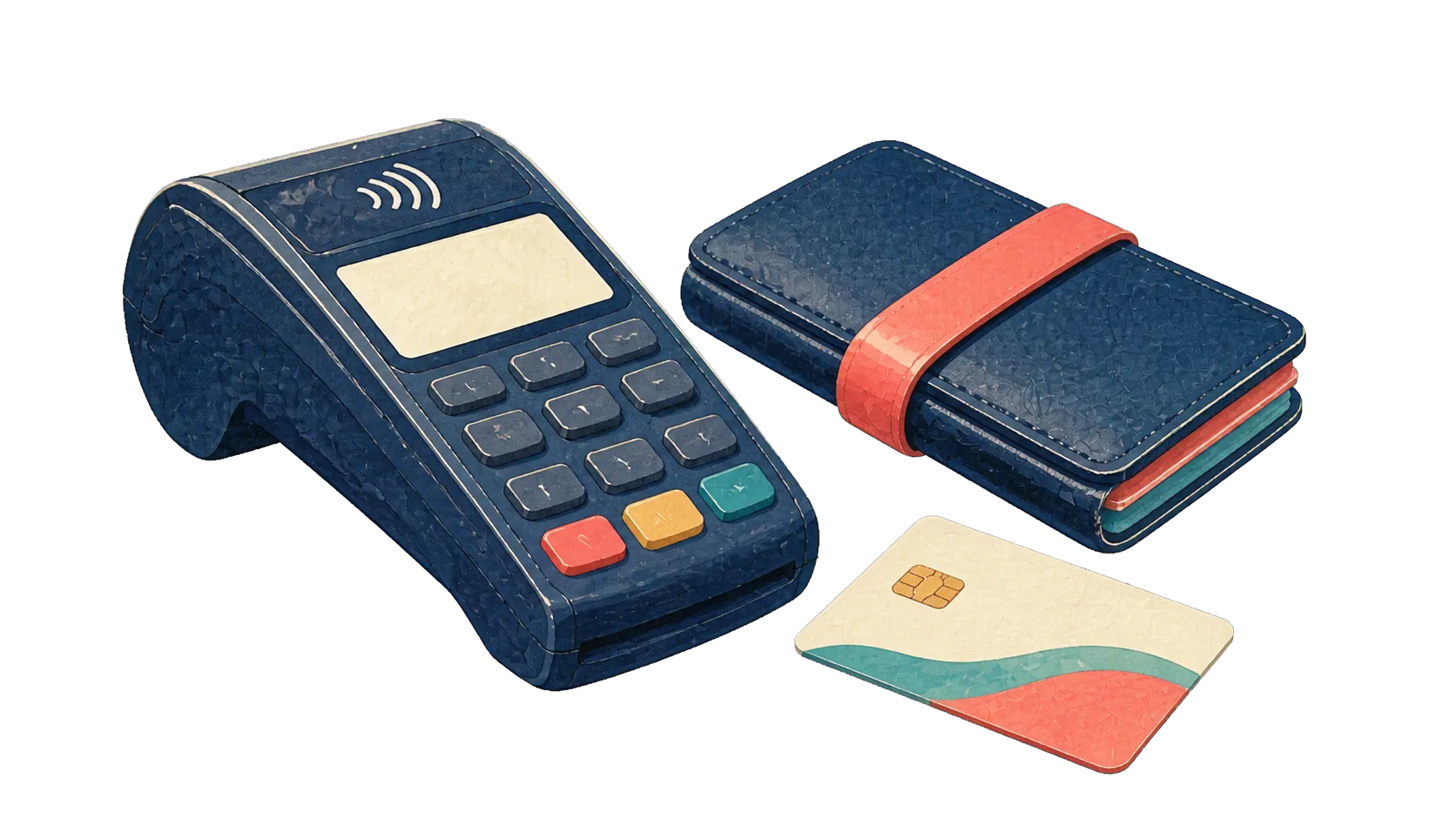
Choose your MTR tap Cards lead; cash keeps the edges easyBuild a resilient city wallet, withdraw spendable notes and understand the electronic-payment rule now used by Hong Kong taxis.
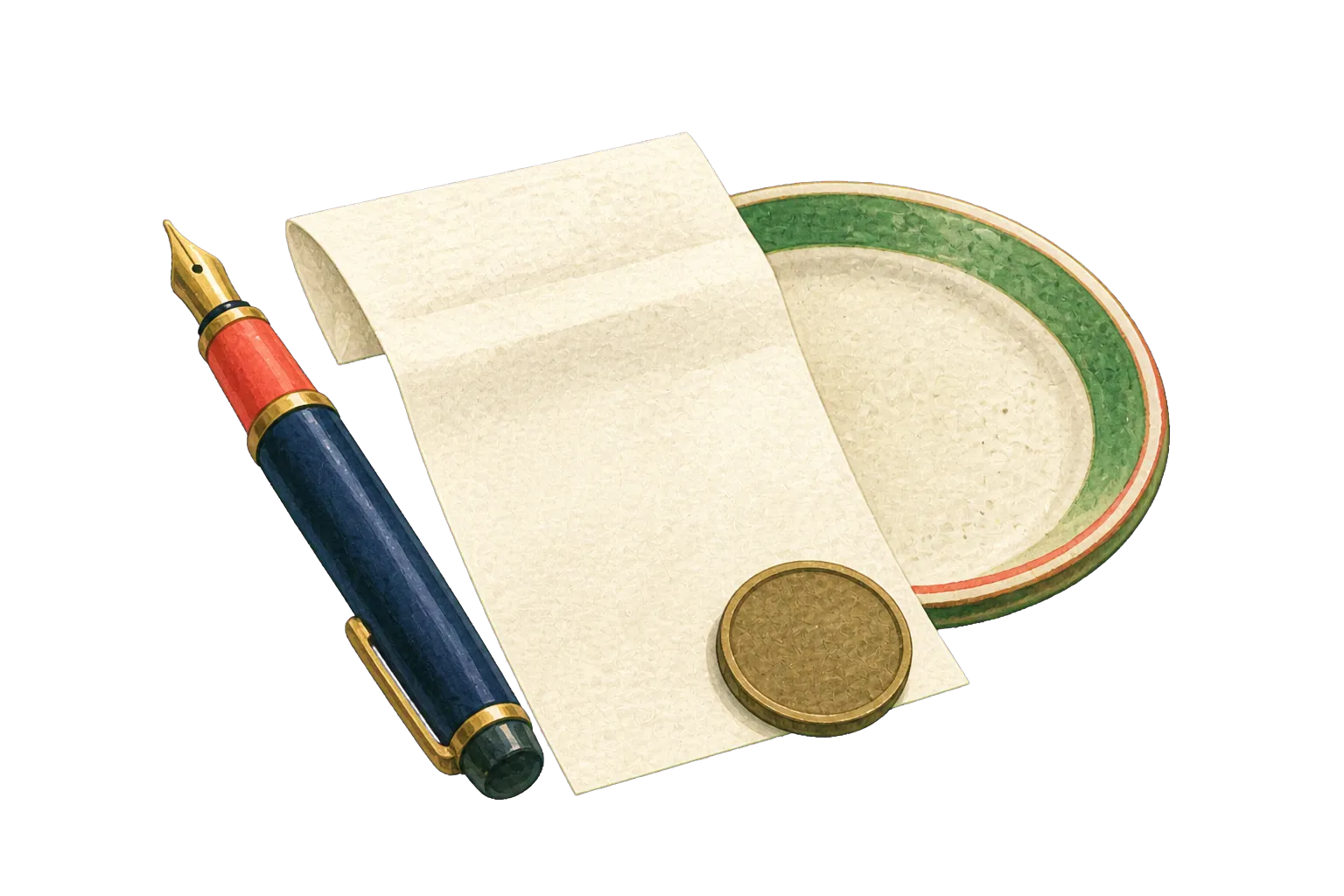
Plan everyday payments Read the ten percent before tippingSeparate the menu price, common 10% service charge, charged tea or snacks and the optional tip at restaurants, taxis and hotels.
Read the Hong Kong bill A small reserve with useful denominationsSize a Hong Kong-dollar reserve around your actual day, choose smaller notes and know when a large amount must be declared at the border.
Build the cash reserveSources include the Hong Kong Monetary Authority, Octopus, MTR, the Transport Department, Hong Kong Tourism Board and Customs and Excise Department.