Germany tells its coin story in three clean steps: a pfennig-era oak twig, an open Brandenburg Gate and the federal eagle.
2 min readReviewed 28 July 2026
DEOak, gate, eagleThree Symbols of Germany
Euro banknotes are shared across the euro area. The national sides of Germany's coins compress continuity, reunification and sovereignty into eight denominations.
The quick answer The 1, 2 and 5 cent coins carry an oak twig, 10, 20 and 50 cent show the Brandenburg Gate, and EUR 1 and 2 carry the German federal eagle.
Meet the EUR
Paper money
Euro notes follow an easy architectural colour ladder - grey €5, red €10, blue €20, orange €50, green €100 and yellow €200 - wherever you spend them in Europe.
Checking the latest reference rate...
EUR
Euro
5
5
EUR banknote
5EUR
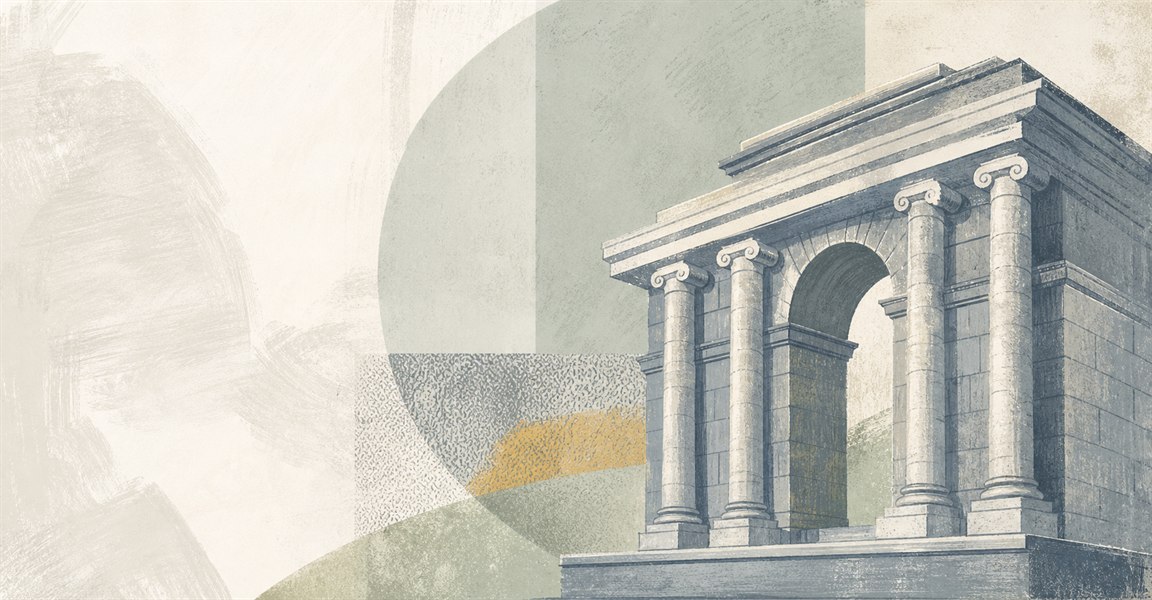
5 EUR banknote · Classical gateway
EUR
Euro
10
10
EUR banknote
10EUR
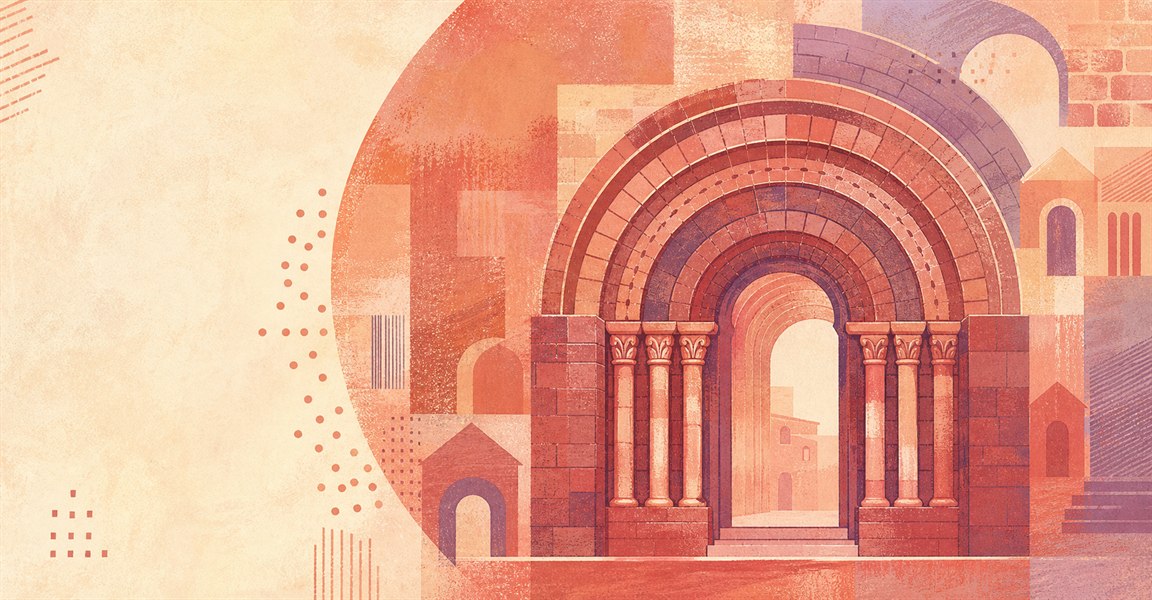
10 EUR banknote · Romanesque arch
EUR
Euro
20
20
EUR banknote
20EUR
20 EUR banknote · Gothic windows
EUR
Euro
50
50
EUR banknote
50EUR
50 EUR banknote · Renaissance window
EUR
Euro
100
100
EUR banknote
100EUR
100 EUR banknote · Baroque gateway
EUR
Euro
200
200
EUR banknote
200EUR
200 EUR banknote · Iron and glass
EUR
Euro
500
500
EUR banknote
500EUR
500 EUR banknote · Modern glass and steelOlder series · no longer issued
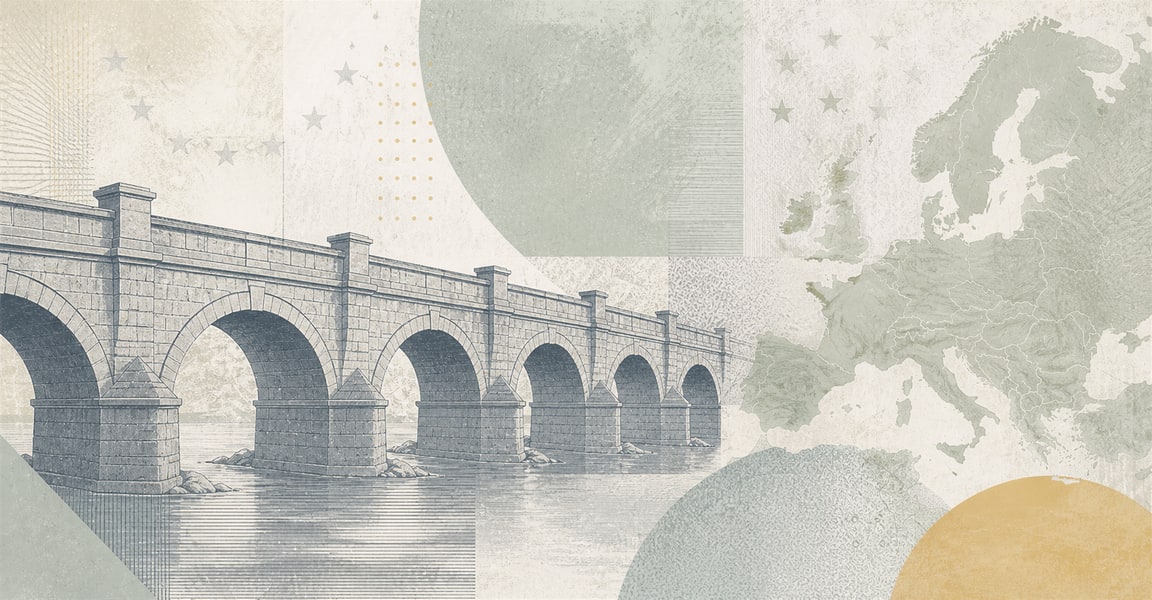
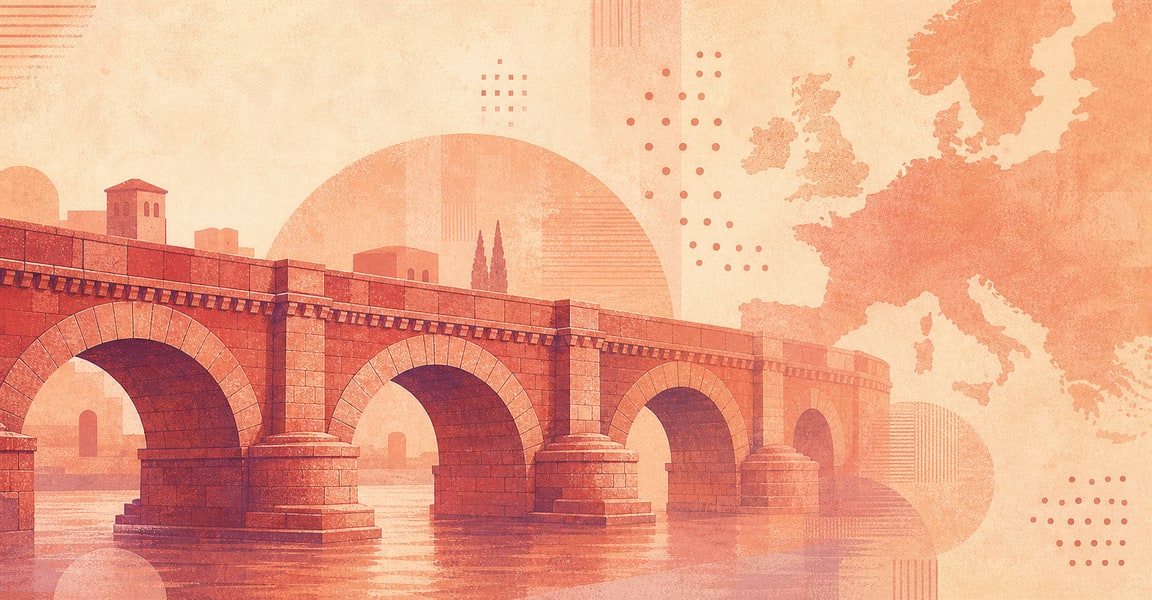
The euro banknote theme is imagined European architecture rather than real monuments: windows and gateways move from classical to modern styles, while bridges on the reverse suggest connection. Cash by Country artwork is an original, simplified interpretation and is not legal tender.
The three-part pocket tour
1, 2 and 5 centAn oak twig recalls the design of the former German pfennig.
10, 20 and 50 centThe open Brandenburg Gate represents division followed by reunification.
EUR 1 and 2The federal eagle stands for German sovereignty among the stars of Europe.
EUR 2 edgeEinigkeit und Recht und Freiheit: unity, justice and freedom.
The Gate is drawn open on purpose
The perspective through the Brandenburg Gate emphasises openness. The design turns a monument once associated with a divided city into a small everyday symbol of German and European unity.
A twig that survived the currency change
The oak motif links euro cents to the old pfennig without copying the former coin. It is a quiet reminder that a new currency can keep visual memory from the money it replaced.
Shared notes, national coins
A German EUR 20 note is the same banknote used throughout the euro area. Use our original illustrations for denomination and colour; with real cash, feel the raised print, find the watermark and security thread, then tilt for the hologram.