
The real arrived on 1 July 1994 as the final step of the Plano Real, a stabilization plan that ended the years when supermarket prices could change several times in one day. Three decades later, its banknotes tell a calmer story through the wildlife printed on their reverse sides.
Paper money
Brazilian real notes pair a classical face with Brazil's wildlife, letting a turtle, jaguar or other animal help you recognize the colour and value.

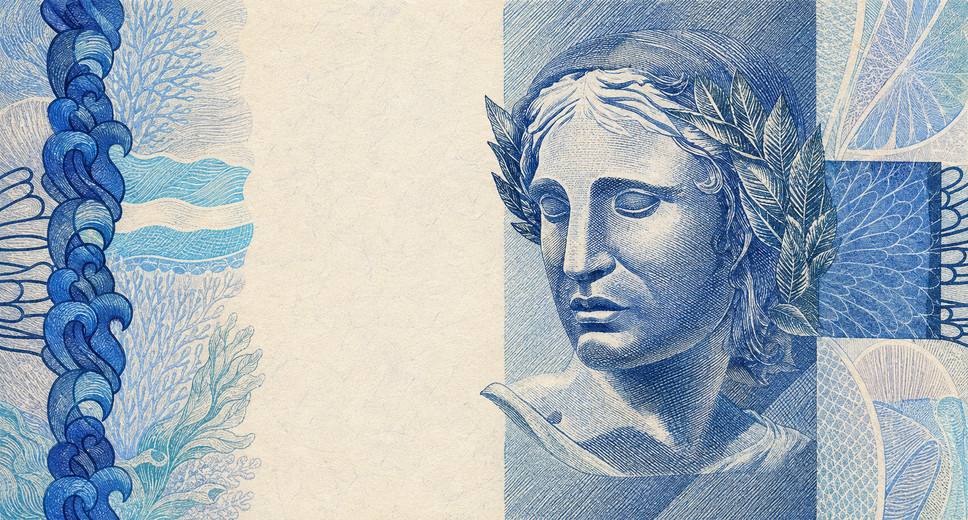

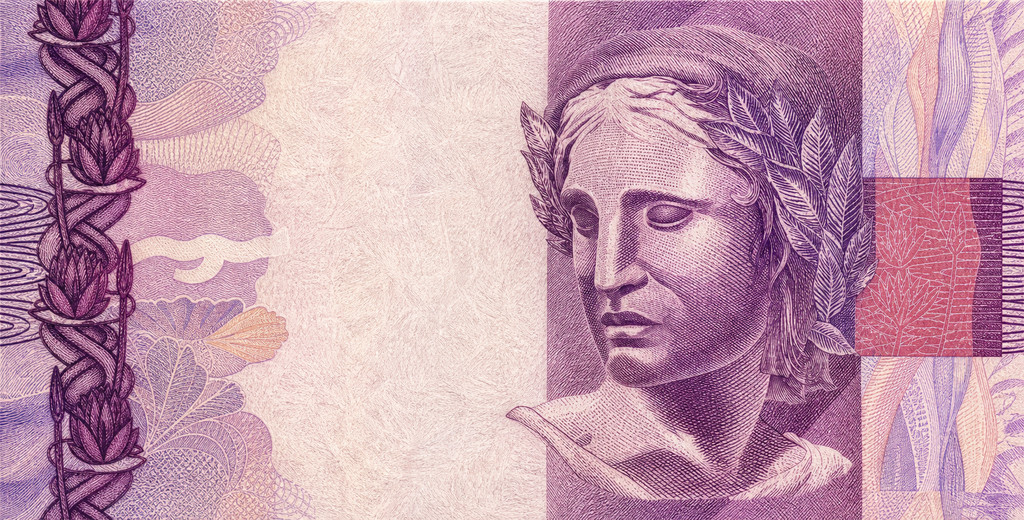
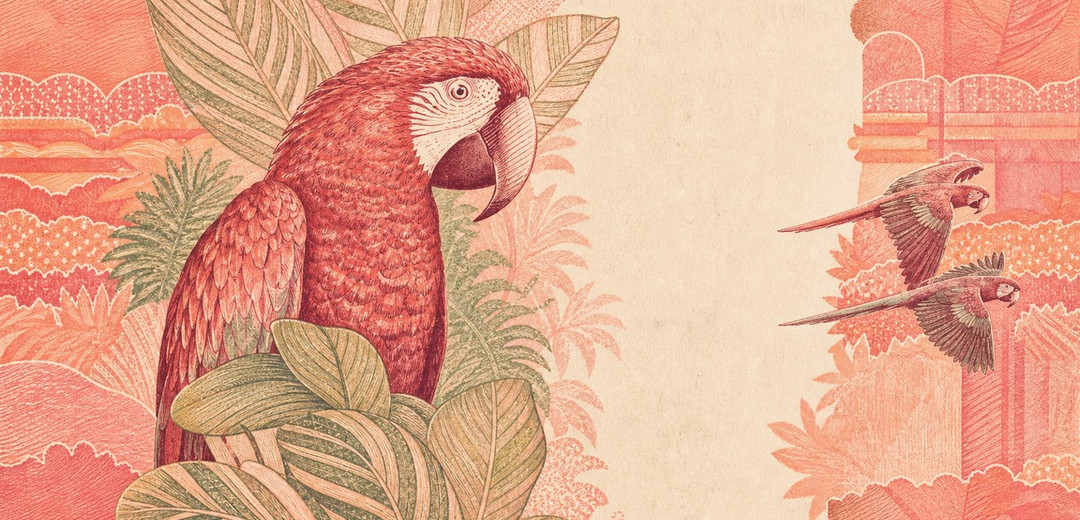
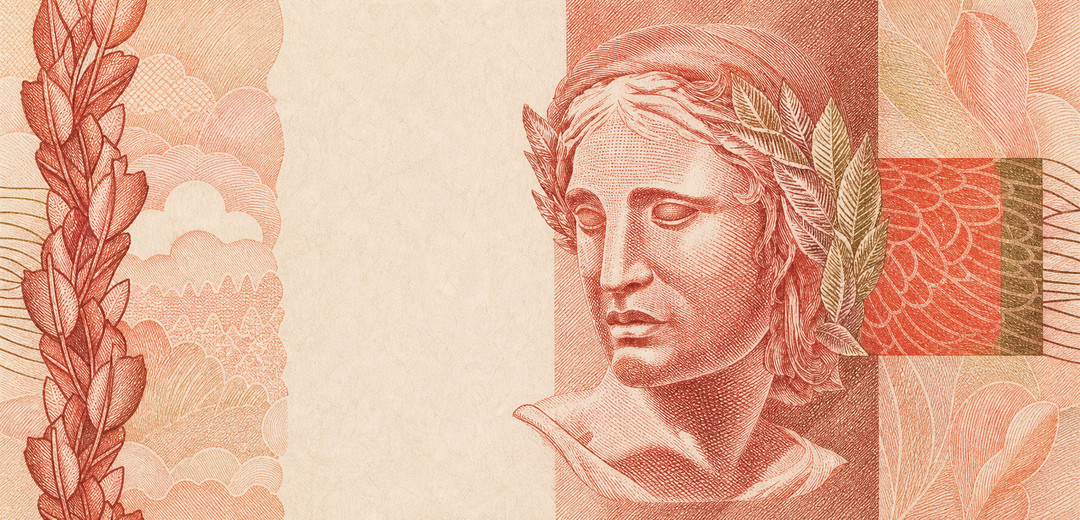

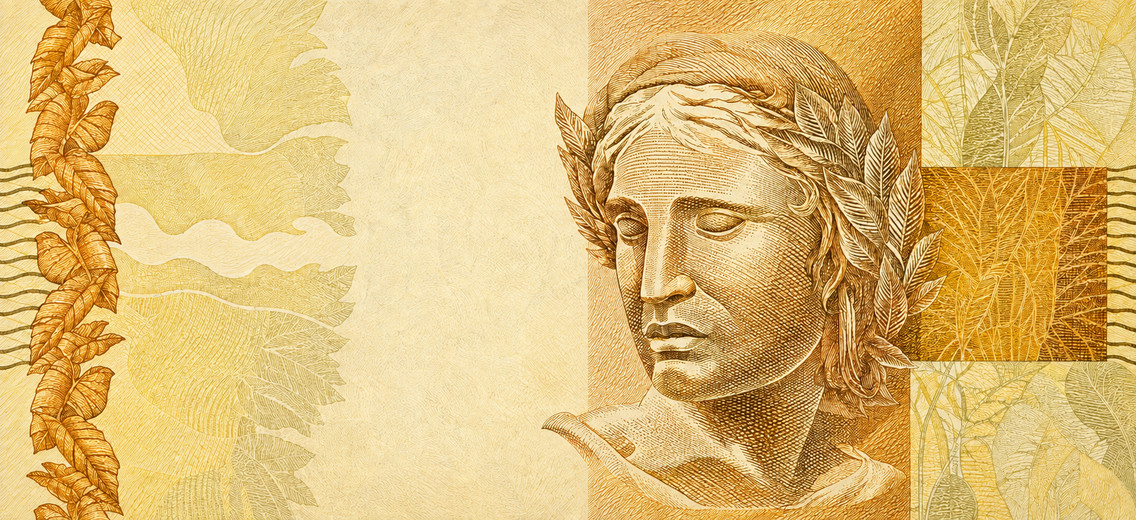
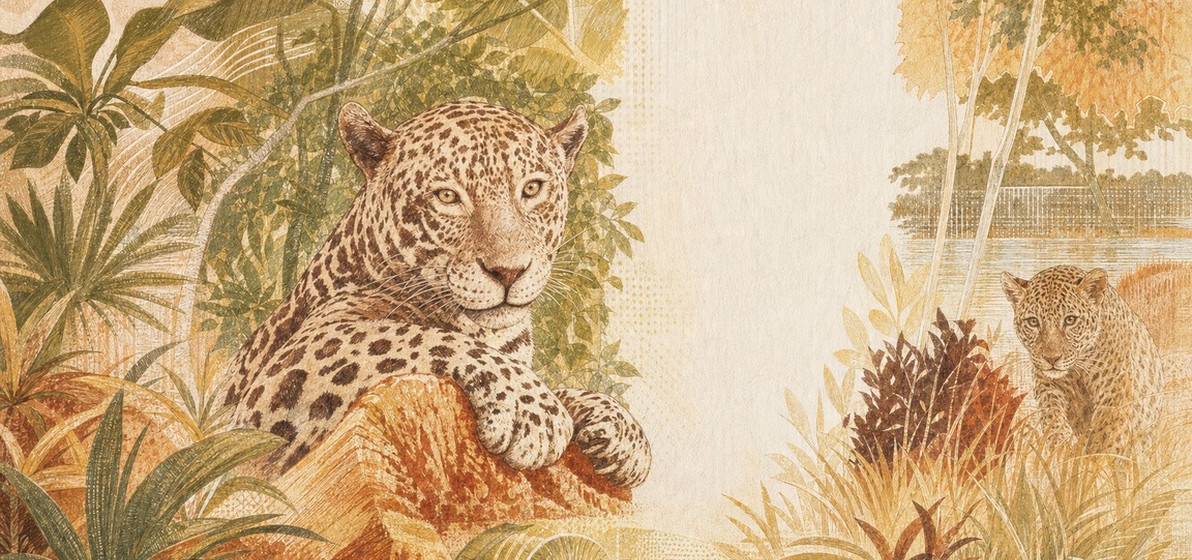
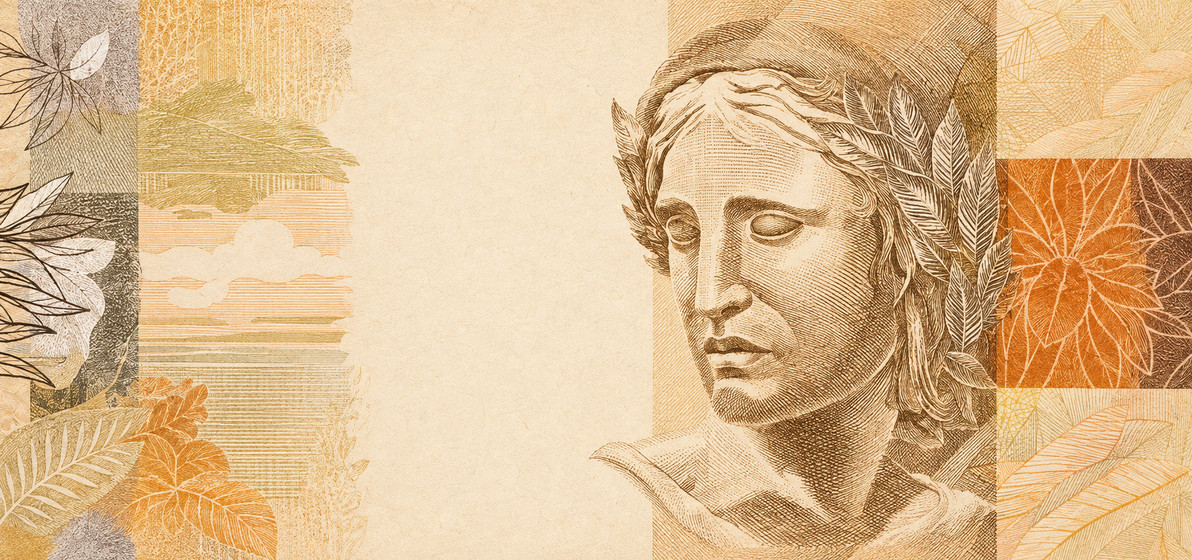


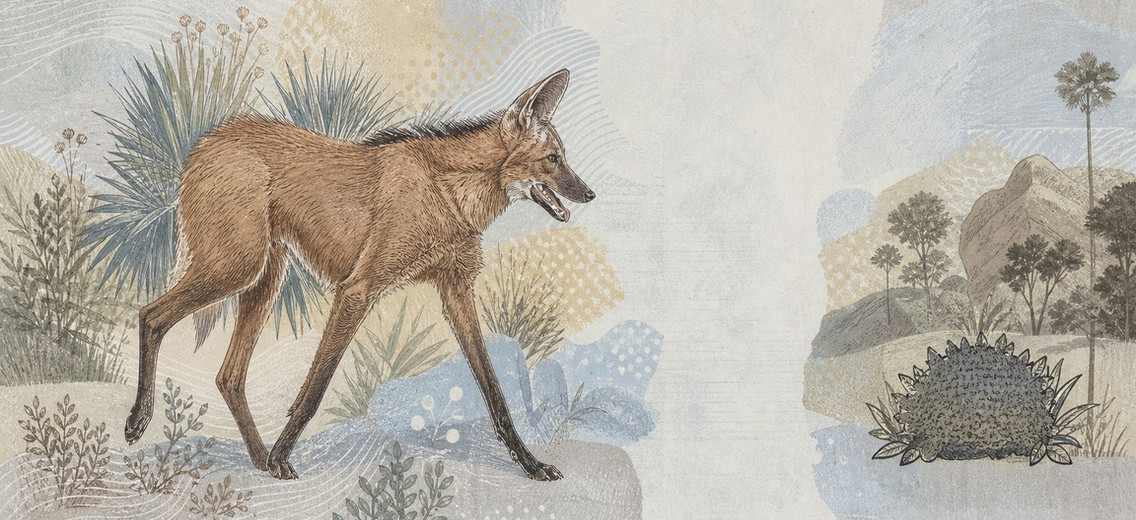
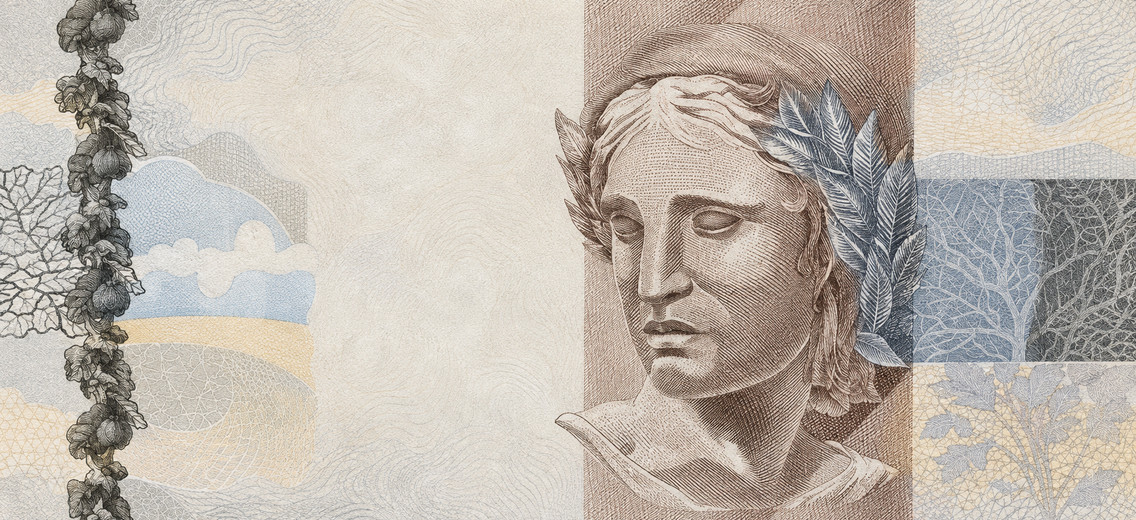
Brazil's real notes place the symbolic Republic on one side and native fauna on the other, building a bright wildlife set from turtle and macaw to jaguar, grouper and maned wolf. Cash by Country artwork is an original, simplified interpretation and is not legal tender.
Seven values make a Brazilian field guide
The front belongs to the Republic
The banknotes share the symbolic effigy of the Republic on the front, while the wildlife gives each reverse its personality. The animal is a useful memory hook, not the only security check.
The newest animal is the lobo-guará
The R$ 200 note entered circulation in 2020 with the maned wolf. It is valid money but an awkward choice for a tiny purchase. A cafe or market stall may have no friendly way to break it, so turn a large withdrawal into smaller notes somewhere controlled.
Look, tilt and feel
Banco Central lists watermarks, security threads, raised printing, see-through elements and denomination-specific effects among the checks used across the real families. Compare a doubtful note with one you trust and use the central bank's illustrated guide instead of relying on a single feature.
The one-real note became a coin
Everyday one-real value now arrives as a bimetal coin rather than a current banknote denomination. In a mixed pocket, it is the coin with a contrasting ring. The smaller coins are named centavos: 100 centavos make one real.
The 1994 price-label reset
The real followed the temporary URV unit of account and replaced the cruzeiro real. Banco Central describes its launch as the final phase of a plan that broke the inflationary rhythm of the late 1980s and early 1990s. That history is why the name “real” carries more weight than a simple currency rebrand.