AUD
Australian Dollar
5
5
AUD banknote

5 AUD banknote · Parliament House and Eastern Spinebill
Meet the dollar that can survive a swim, the checkout total that ends in five and the bank-card tap whose meaning changes from Sydney Harbour to a Melbourne tram.
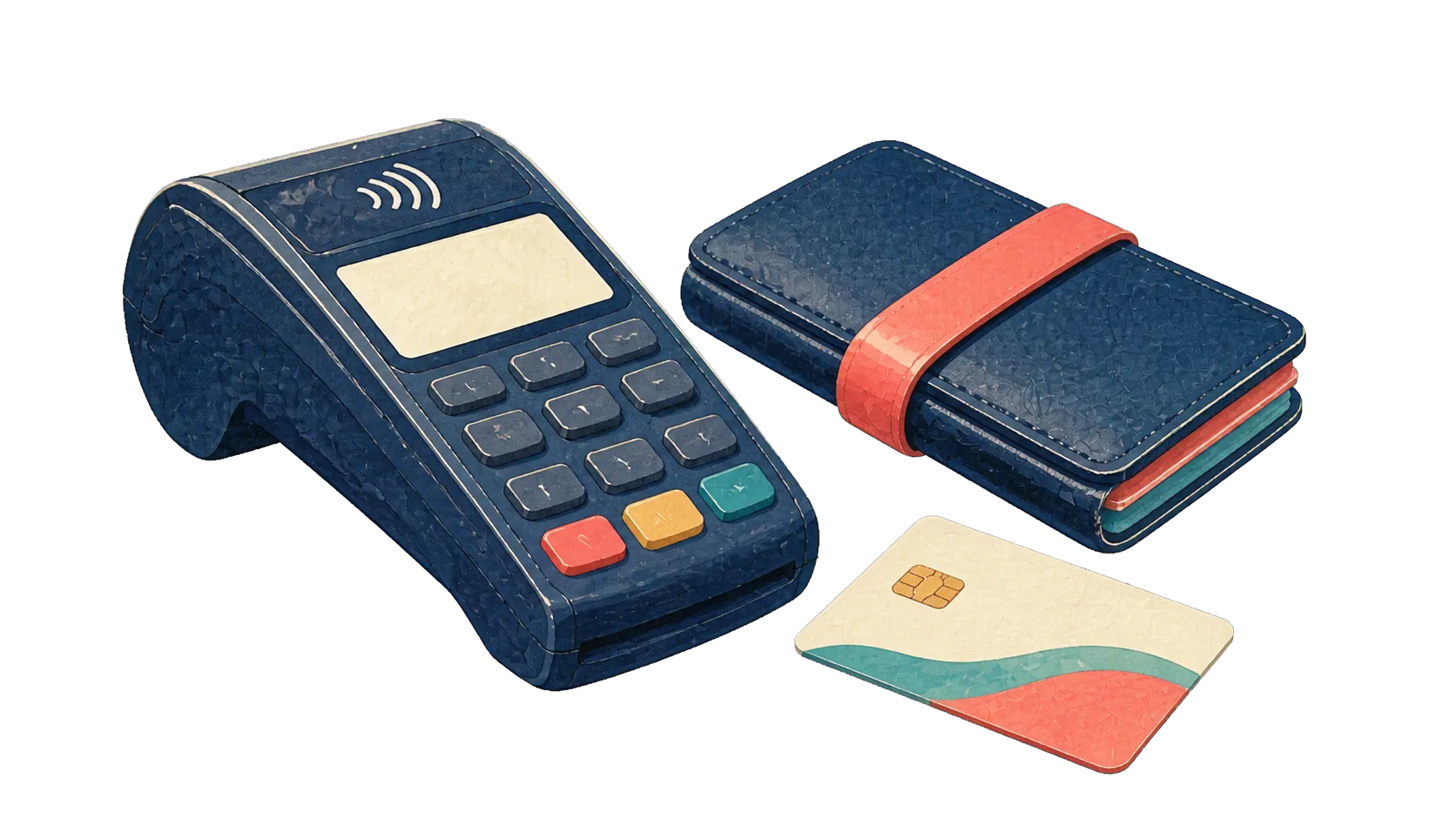
Use a low-fee Visa or Mastercard for most spending, keep a separate backup and carry a compact reserve of AUD 5, 10 and 20 notes with a few coins. Always choose AUD when a terminal offers to convert the bill.
Australia is card-first, but cash still earns its pocket. It works as a backup, helps at small and remote businesses, and reveals one of the country's best money quirks: only the final cash total is rounded to the nearest five cents. Card payments stay exact.
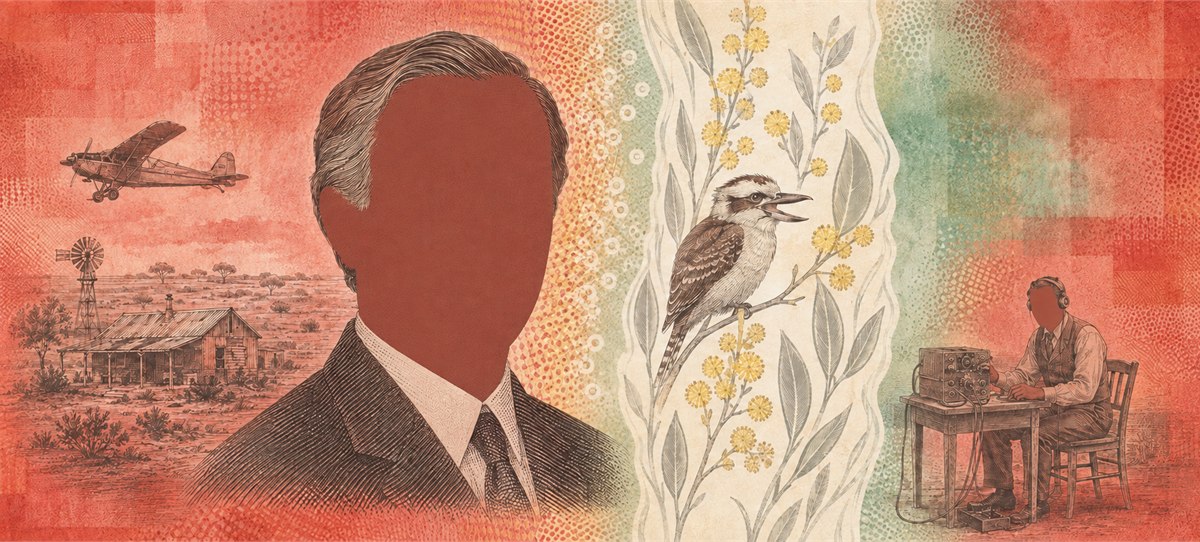
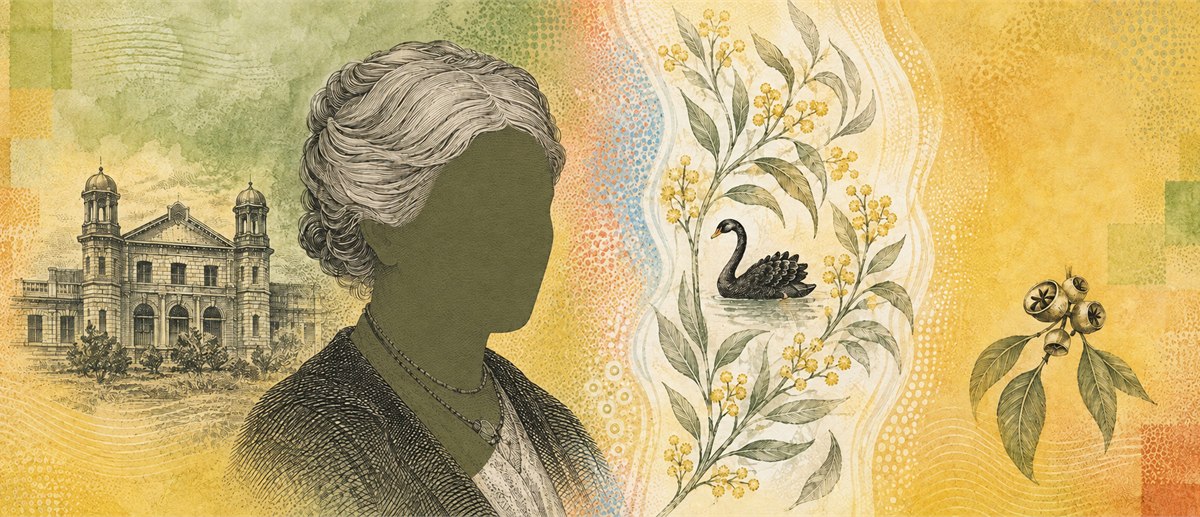
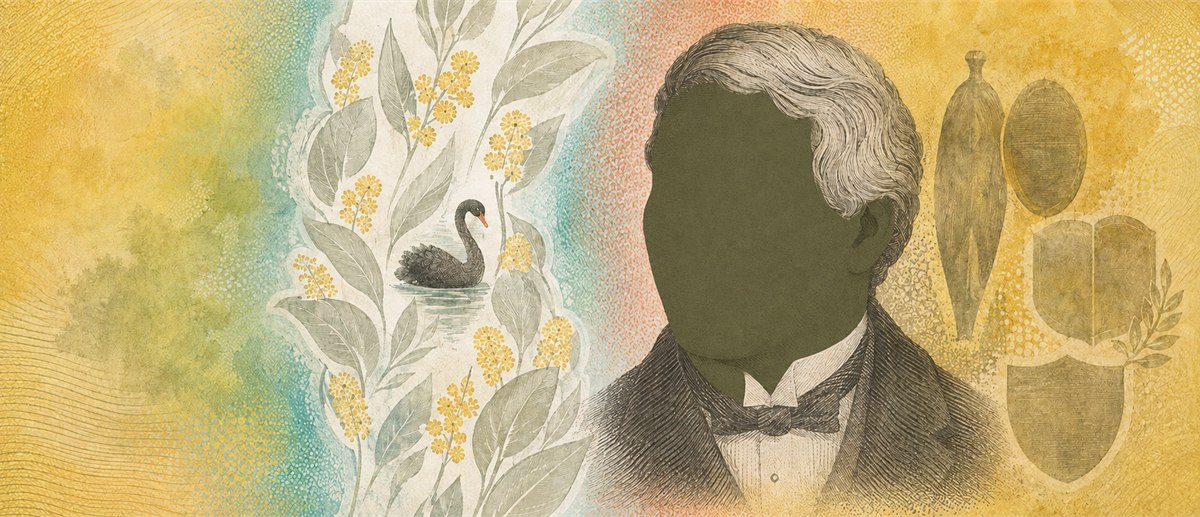
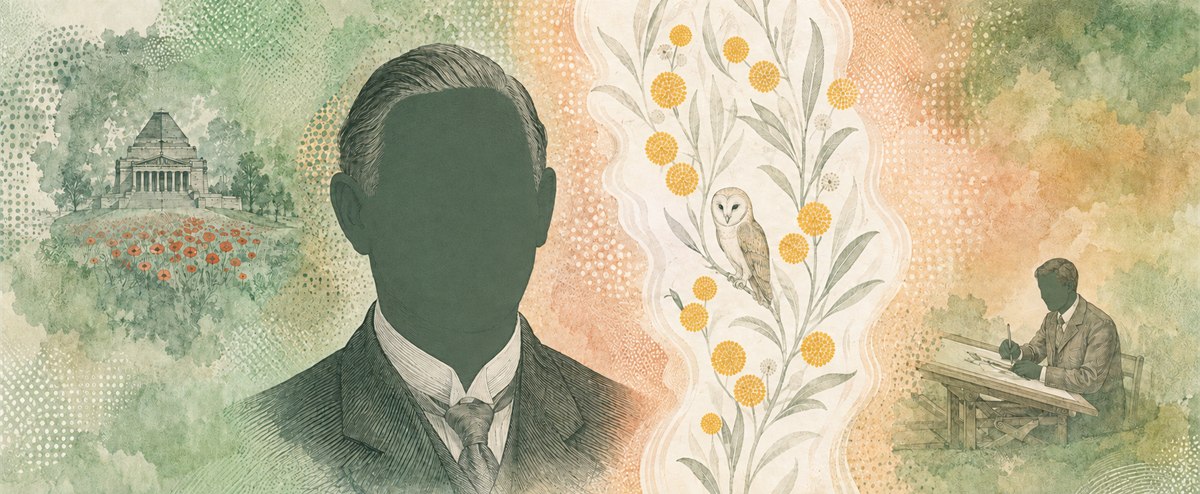
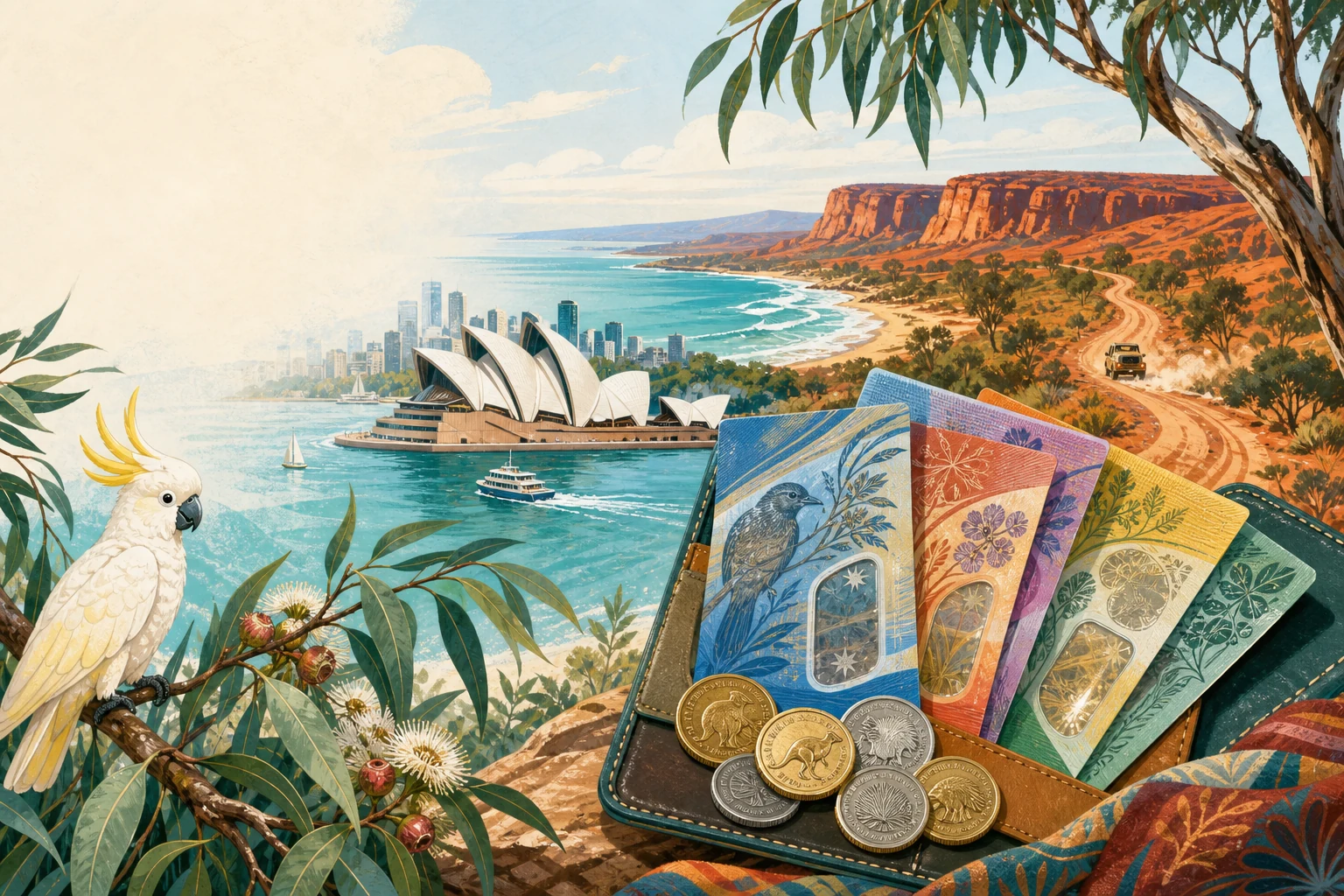
Australian dollars are colourful polymer notes with transparent windows, native stories and clear denomination bands that make each value stand apart.
Australia's polymer notes weave notable Australians together with native plants, birds, buildings and achievements, all arranged around a distinctive transparent window. Cash by Country artwork is an original, simplified interpretation and is not legal tender.
Choose your currency. AUD stays locked to this guide.
Australia's money stories travel well: waterproof banknotes, disappearing cents, four different city gates, an airport receipt worth AUD 300 and a tipping culture that asks you to read before you add.
Meet Australia's colourful notes and coin names, then learn why a cash total can move by two cents while a card total stays exact.
Meet the Aussie dollar Tap first, read the percentageBuild a card-first wallet, spot a lawful surcharge, avoid home-currency conversion and choose a useful ATM when the map thins out.
Build the Australia wallet One country, four city gatesCompare bank-card travel in Sydney, Melbourne, Brisbane and Perth without assuming that one tap earns the same fare everywhere.
Read the four-city tap The receipt worth packingTurn eligible purchases, invoices and the 60-day window into a calm Tourist Refund Scheme claim at your final Australian airport.
Plan the refund Thanks without percentage theatreSeparate an optional thank-you from card and weekend surcharges, then tip only where the service made you want to.
Read the final billSources include the Reserve Bank of Australia, ACCC, Australian Border Force, Tourism Australia and the official transport authorities in each city.