Money in South Korea

Meet the won before the first subway gate, convenience-store top-up and card terminal. South Korea is intensely card-friendly, yet one transport card and a compact cash reserve make the edges easier.

Cards carry the cities. A transport card carries the commute. A compact won reserve keeps the handoffs easy.

Original illustrated travel scene for {country}
CurrencySouth Korean won
CodeKRW
Everyday notes₩1,000 to ₩50,000
TippingUsually not expected
Best setupCard + T-money + won
The quick answer

Should you carry cash in South Korea?

Build a three-part Korean wallet: an international card for everyday purchases, a prepaid transport card for gates and buses, and enough won to reload it or rescue a payment that does not travel well.

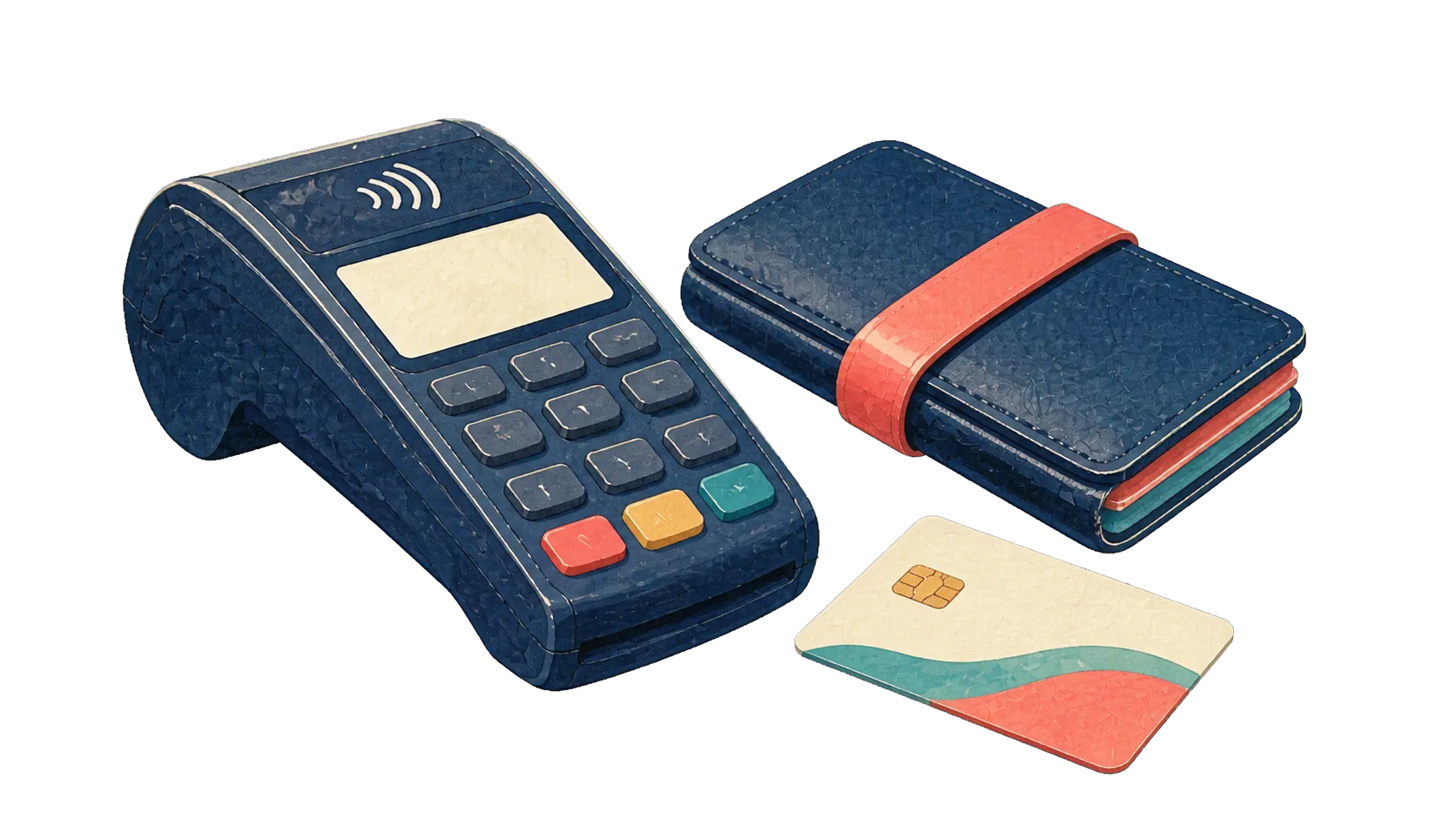
Cards are widely accepted, but a foreign bank card is not the same thing as a Korean transit card. T-money and EZL bridge that gap, while spendable 1,000, 5,000 and 10,000 won notes keep top-ups, markets and small surprises simple.

Tap with the right cardUse T-money, EZL or another compatible transport product for buses and subways; an overseas bank card does not normally tap straight through the gate.
Let cards carry the cityHotels, shops, restaurants and convenience stores commonly accept cards, making a low-fee international card the natural everyday tool.
Keep won for the handoffsCash remains useful for transport-card reloads, markets, older machines and the moment a foreign card or unattended terminal says no.
Pocket converter

Turn an amount into cash

Choose your currency. KRW stays locked to this guide.

From
To
KRW South Korean Won South Korea Guide currency
Checking the latest rate…
Source desk

The South Korea source desk

Sources include the institutions that issue the won, publish official visitor information, explain Korean transport payments and set cash-declaration rules.