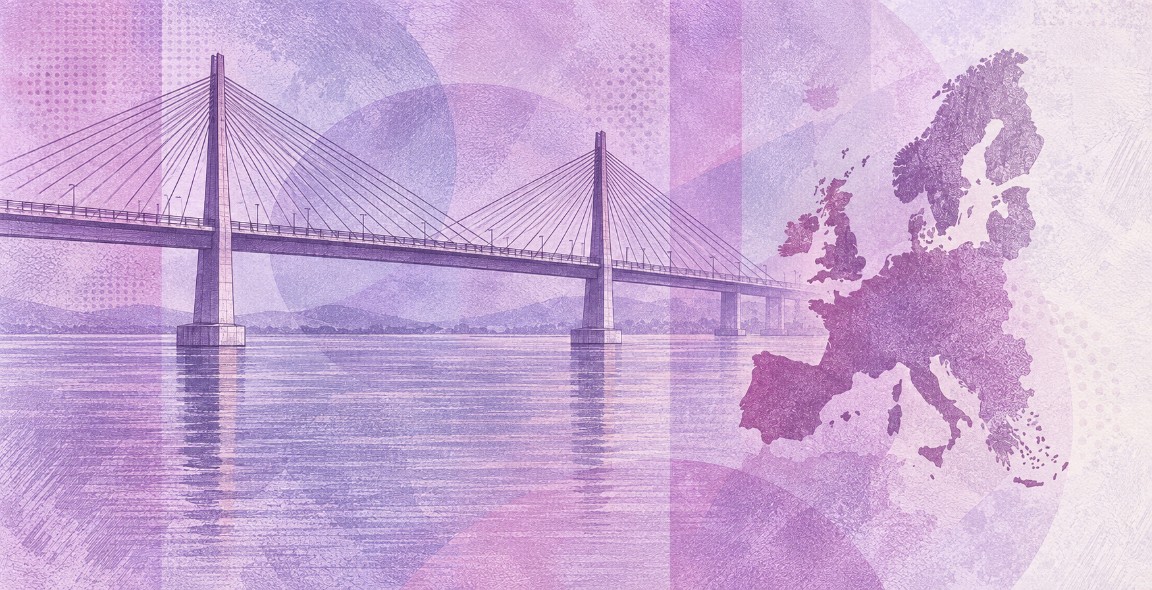
Portugal's euro notes are shared with Europe. Its coins begin in 1134 and cross three royal seals before reaching the castles on the EUR 2 edge.
2 min readReviewed 28 July 2026
1144Three seals across eight valuesNine Centuries in Your Pocket
The national sides of Portuguese euro coins were inspired by the seals of Dom Afonso Henriques, the first King of Portugal. The dates shift with the values, turning a handful of change into a tiny historical sequence.
The quick answer The copper 1, 2 and 5 cent coins use the royal seal of 1134. The 10, 20 and 50 cent coins use the seal of 1142. The EUR 1 and EUR 2 coins use the seal of 1144, surrounded by Portuguese castles and shields.
Meet the EUR
Paper money
Euro notes follow an easy architectural colour ladder - grey €5, red €10, blue €20, orange €50, green €100 and yellow €200 - wherever you spend them in Europe.
Checking the latest reference rate...
EUR
Euro
5
5
EUR banknote
5EUR
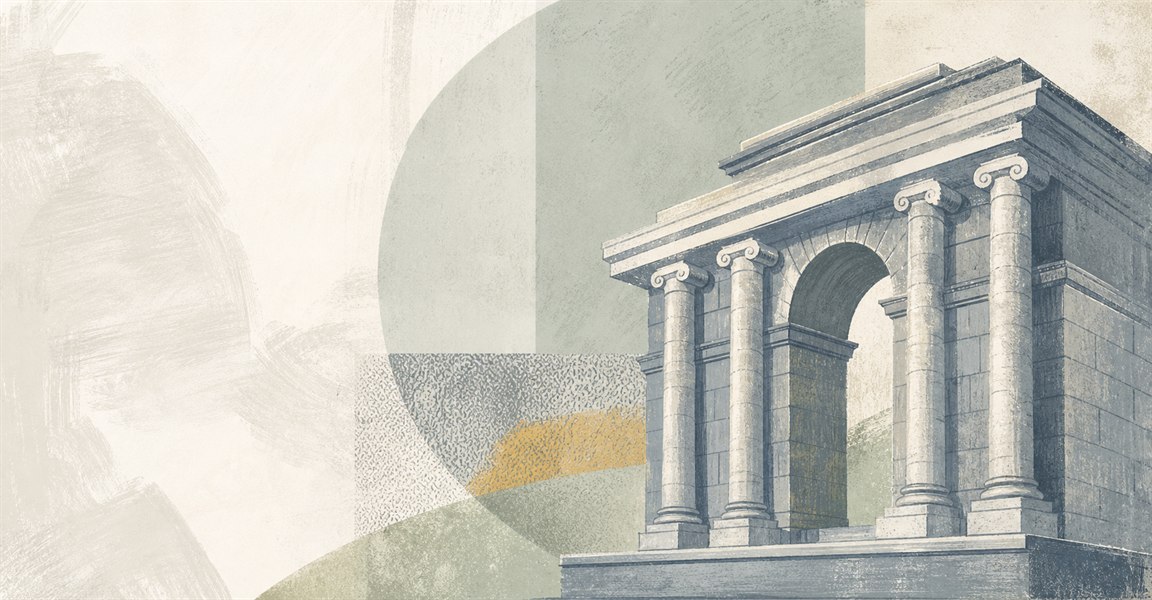
5 EUR banknote · Classical gateway
EUR
Euro
10
10
EUR banknote
10EUR
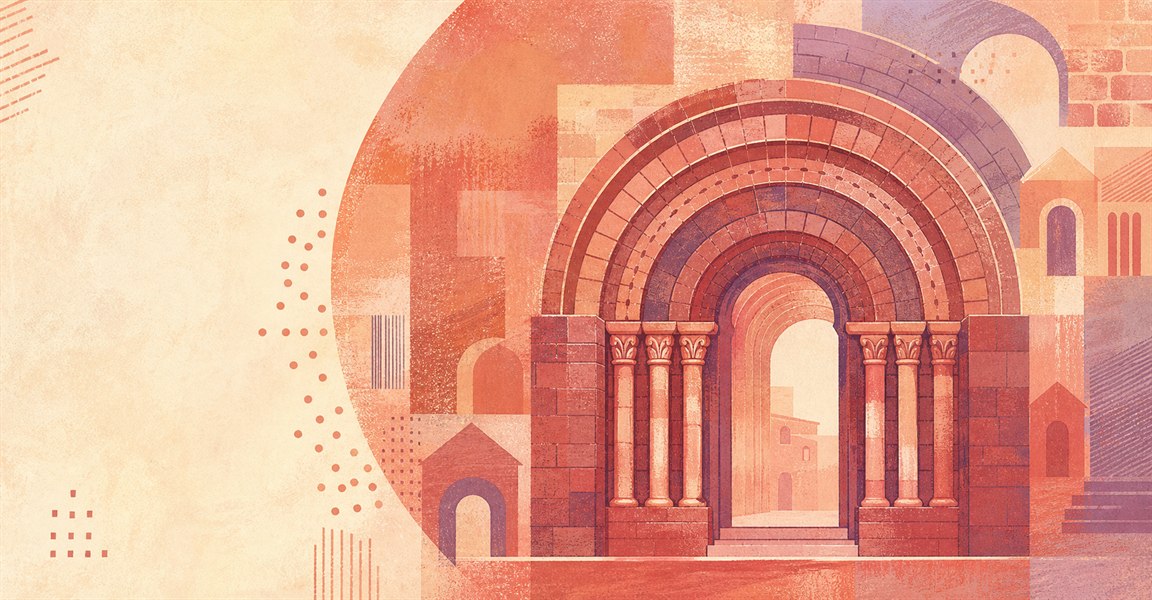
10 EUR banknote · Romanesque arch
EUR
Euro
20
20
EUR banknote
20EUR
20 EUR banknote · Gothic windows
EUR
Euro
50
50
EUR banknote
50EUR
50 EUR banknote · Renaissance window
EUR
Euro
100
100
EUR banknote
100EUR
100 EUR banknote · Baroque gateway
EUR
Euro
200
200
EUR banknote
200EUR
200 EUR banknote · Iron and glass
EUR
Euro
500
500
EUR banknote
500EUR
500 EUR banknote · Modern glass and steelOlder series · no longer issued
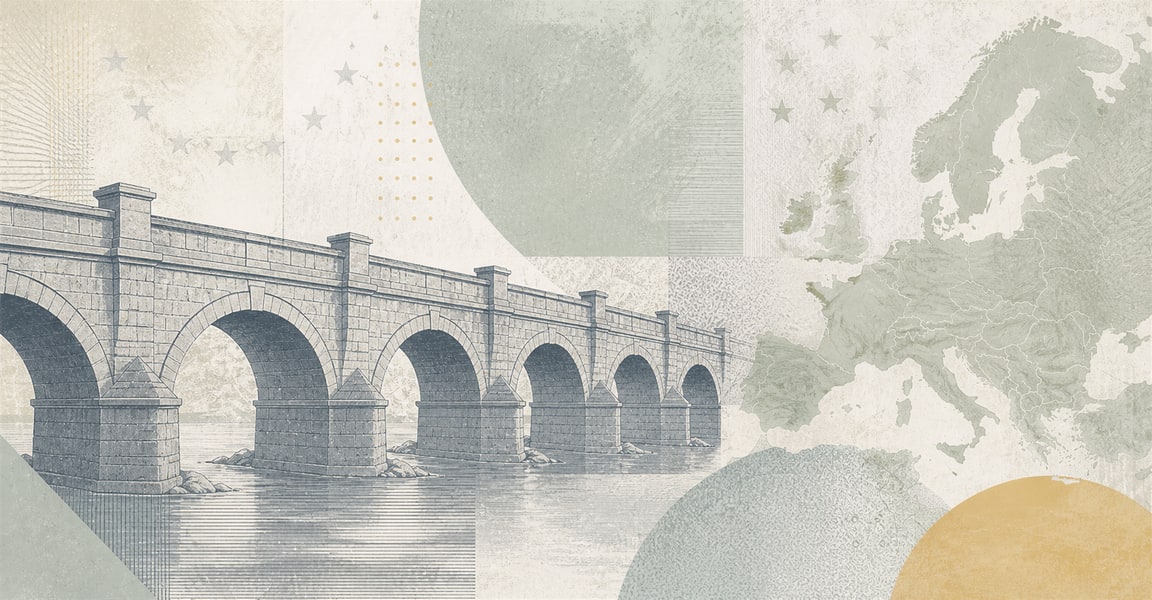
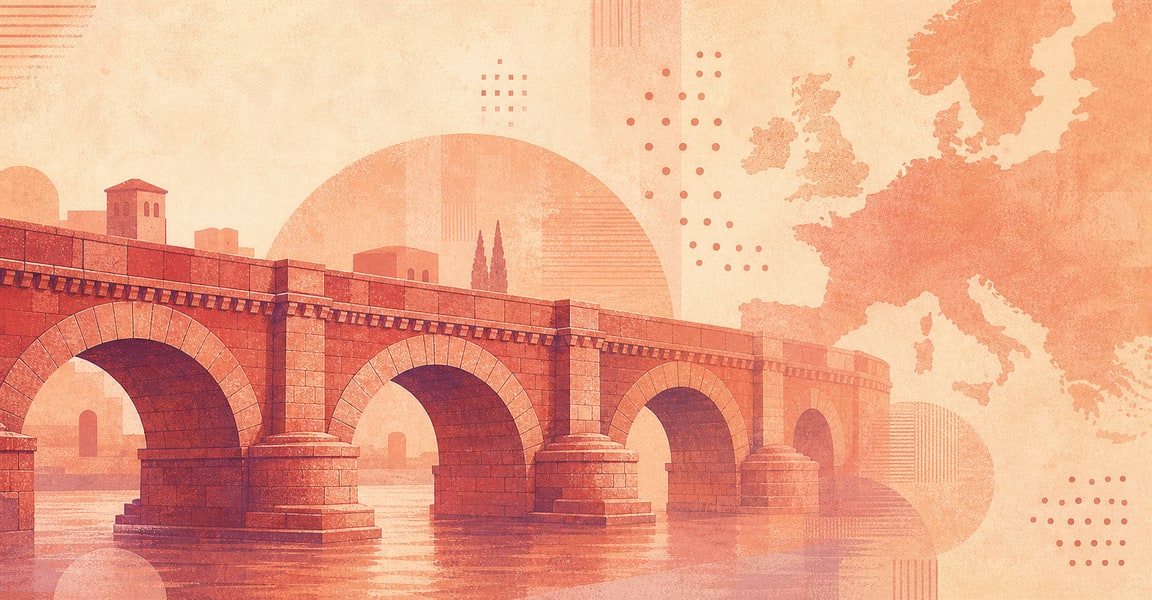
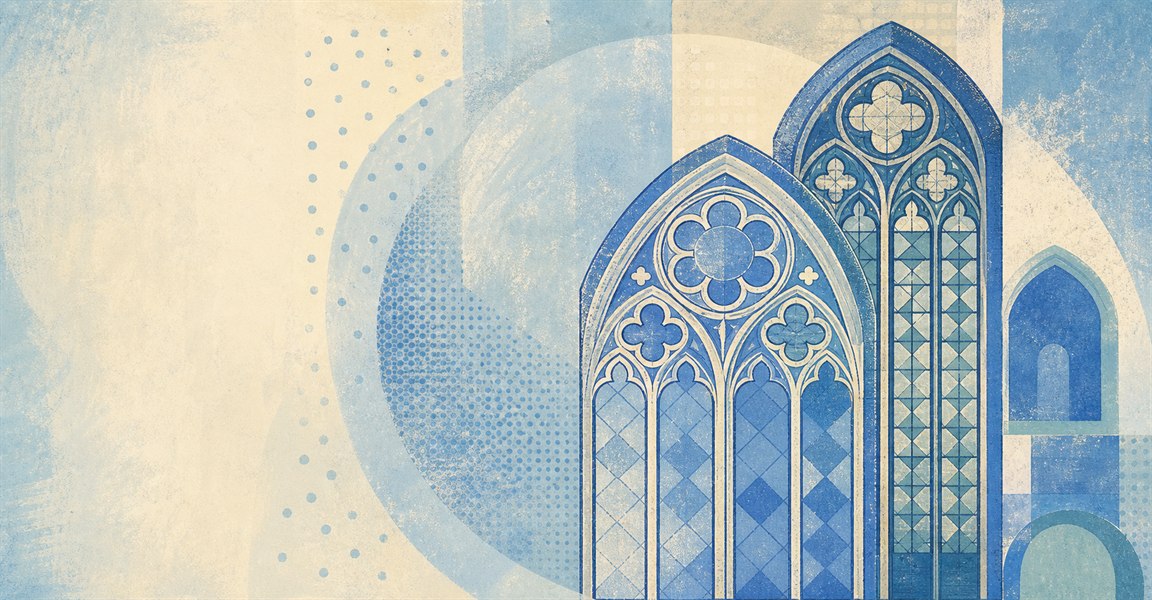
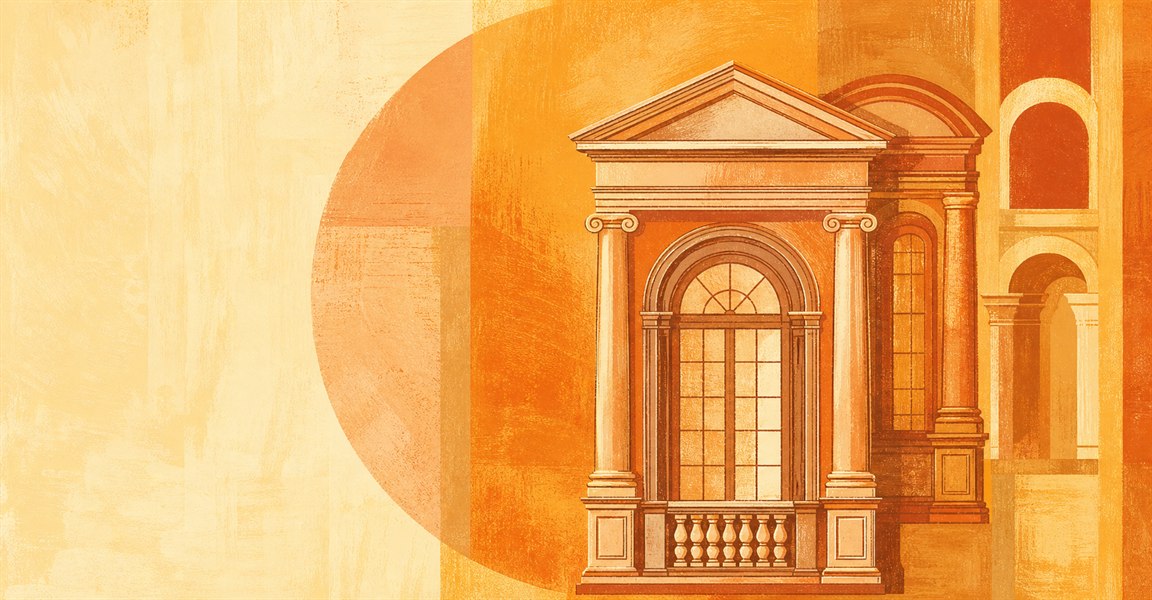
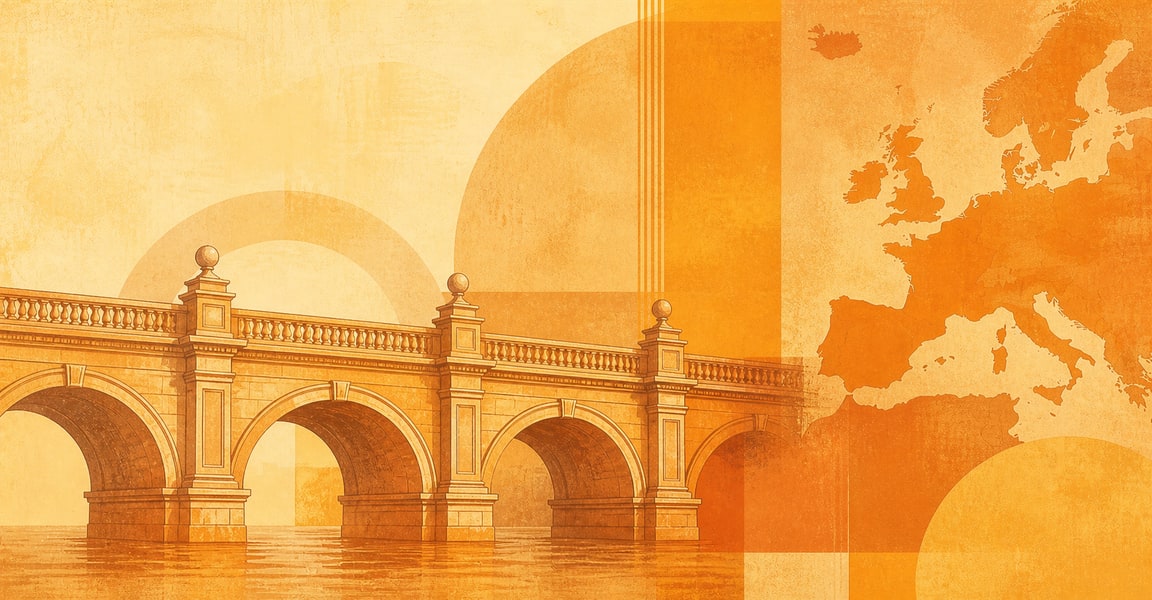
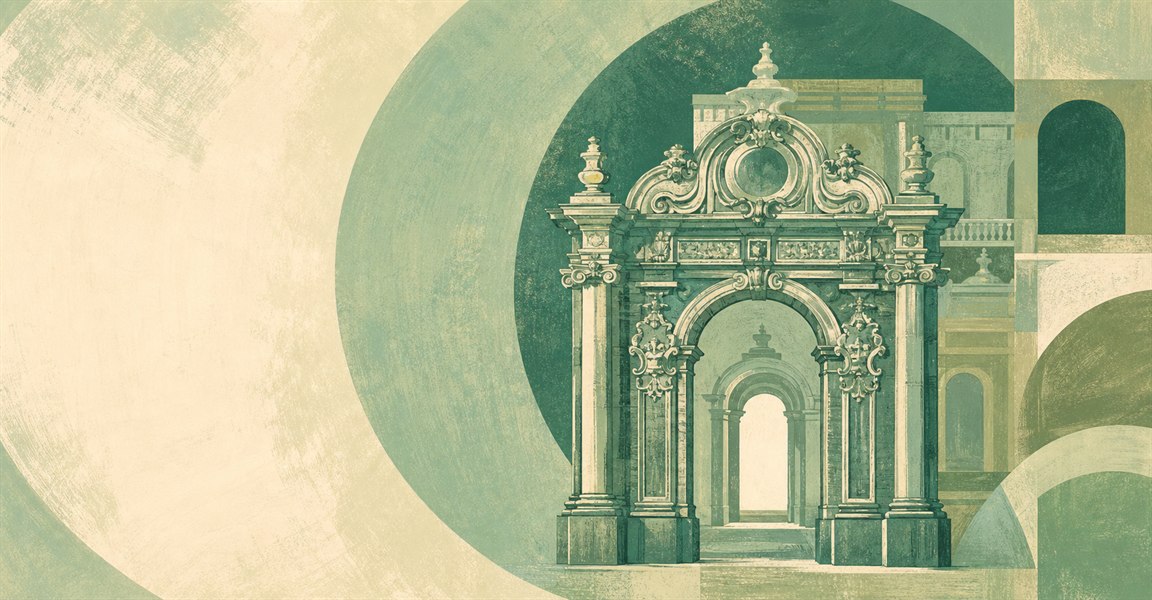
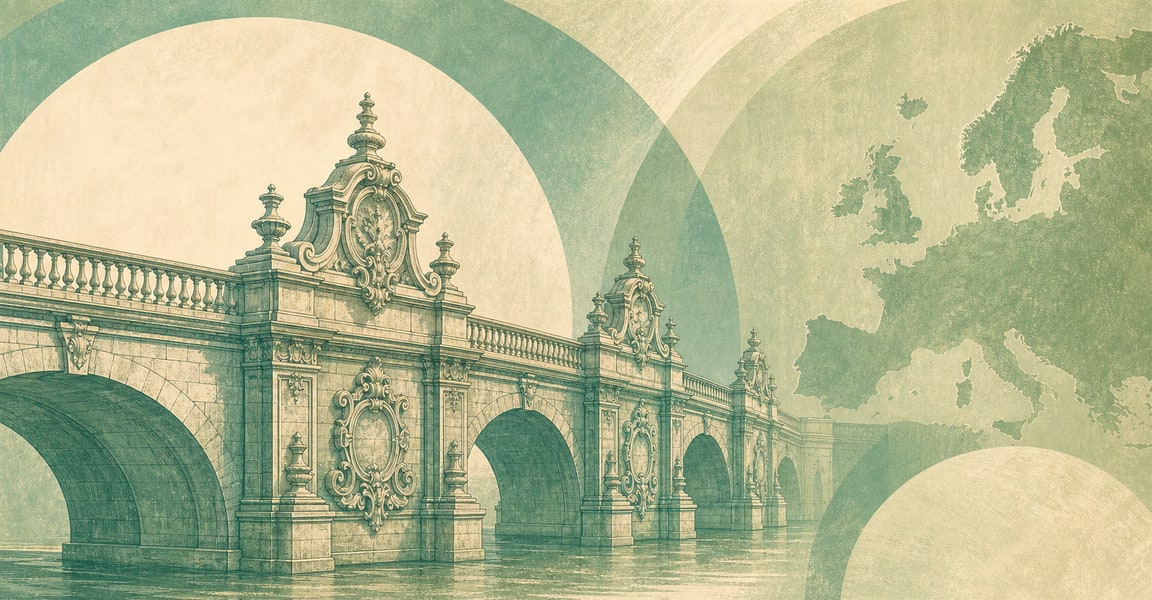
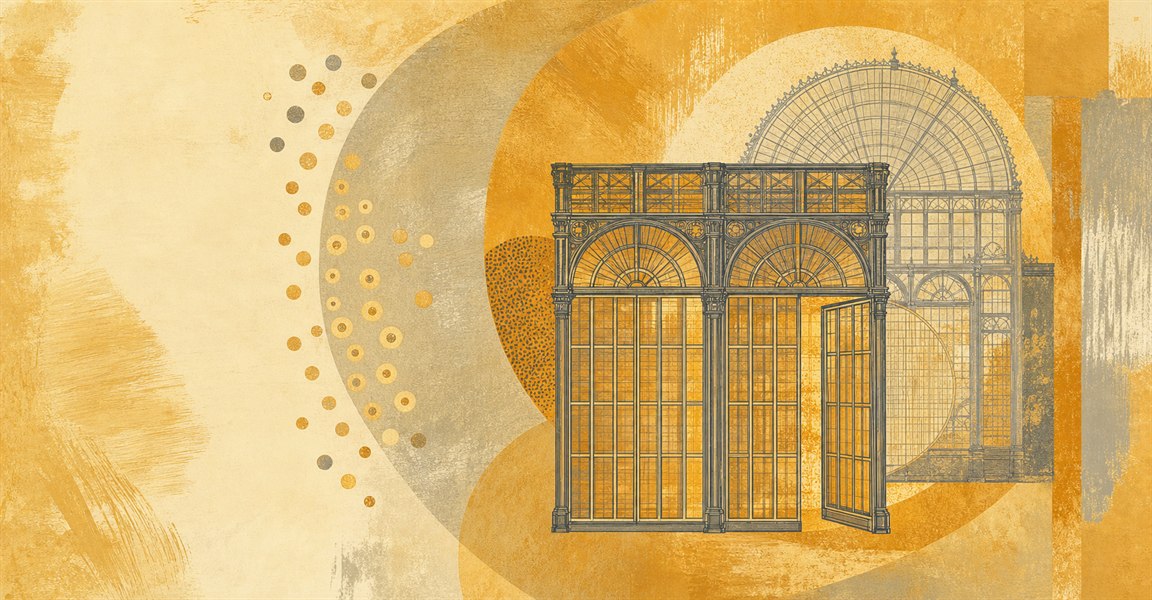
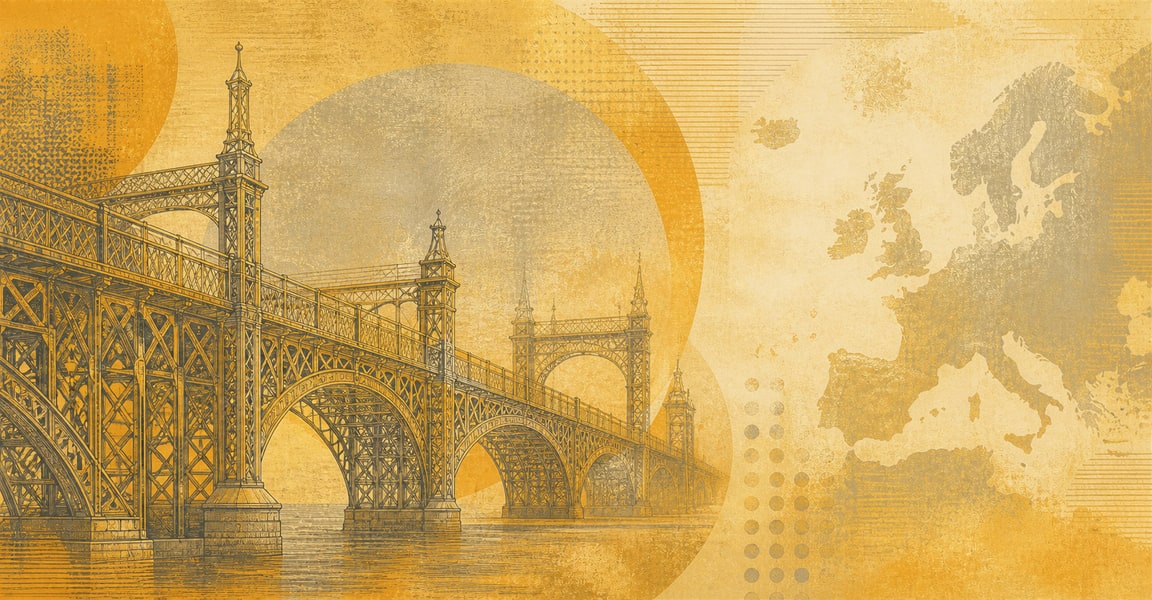
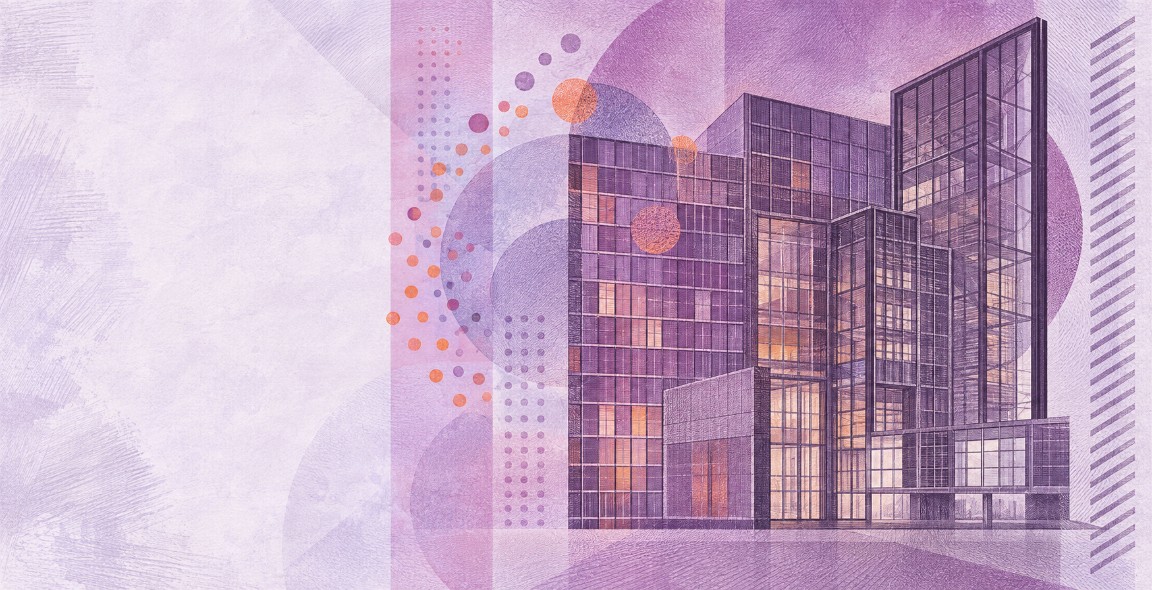
The euro banknote theme is imagined European architecture rather than real monuments: windows and gateways move from classical to modern styles, while bridges on the reverse suggest connection. Cash by Country artwork is an original, simplified interpretation and is not legal tender.
Three seals, one founding king
11341c, 2c and 5c114210c, 20c and 50c1144EUR 1 and EUR 2
The smallest coins start the story
The copper-coloured cent pieces carry the earliest seal and the word Portugal. Their low spending value hides the oldest date in the set, so the historical journey begins with the coins most easily overlooked.
Castles and shields ring the largest values
On the EUR 1 and EUR 2 coins, the 1144 seal sits among the country's castles and coats of arms, all framed by the twelve European stars. It connects the founding image of Portugal with the shared currency around it.
The edge finishes the picture
5 SHIELDS + 7 CASTLESEqually spaced around the edge of the Portuguese EUR 2 coin
The banknotes belong to the whole euro area
A Portuguese EUR 20 note has the same design as one found in France or Finland. The local story lives on the national side of the coins, not on a separate family of Portuguese euro banknotes.
Learn the colour, then check the security
Our original illustrations make denomination, colour and relative size memorable without reproducing legal tender. For a real note, check raised print, watermark, security thread and hologram using the European Central Bank's security guidance.