Monaco's euro notes belong to Europe. Its coins read like a pocket-sized succession story, with three royal series still circulating together.
2 min readReviewed 28 July 2026
3Three series, one royal pocketThe Changing Faces of Monaco
Monaco uses the euro through a monetary agreement and issues a small quantity of coins with national designs. Those coins have changed twice since 2002, so an older portrait is not a sign that the money has expired.
The quick answer Three Monegasque coin series circulate. The 2002 series features Prince Rainier III, a double portrait with Albert, the Prince's seal and the Grimaldi arms. The 2006 series moves Albert II onto EUR 1 and EUR 2 and puts his monogram on the middle cents. The 2025 series keeps those groups but introduces a new frontal portrait.
Meet the EUR
Paper money
Euro notes follow an easy architectural colour ladder - grey €5, red €10, blue €20, orange €50, green €100 and yellow €200 - wherever you spend them in Europe.
Checking the latest reference rate...
EUR
Euro
5
5
EUR banknote
5EUR
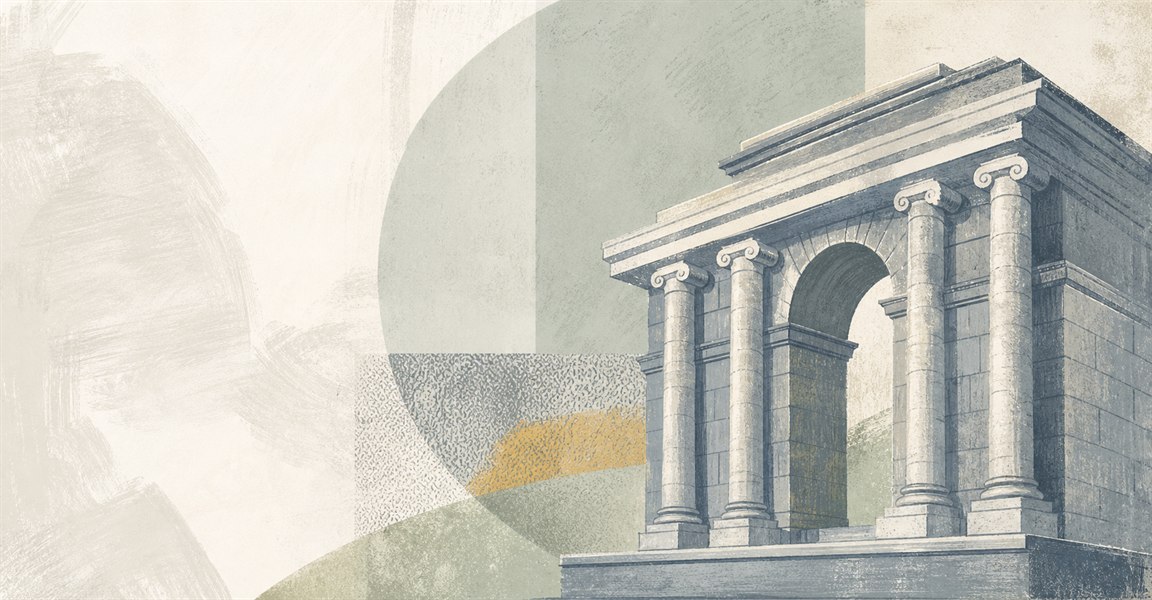
5 EUR banknote · Classical gateway
EUR
Euro
10
10
EUR banknote
10EUR
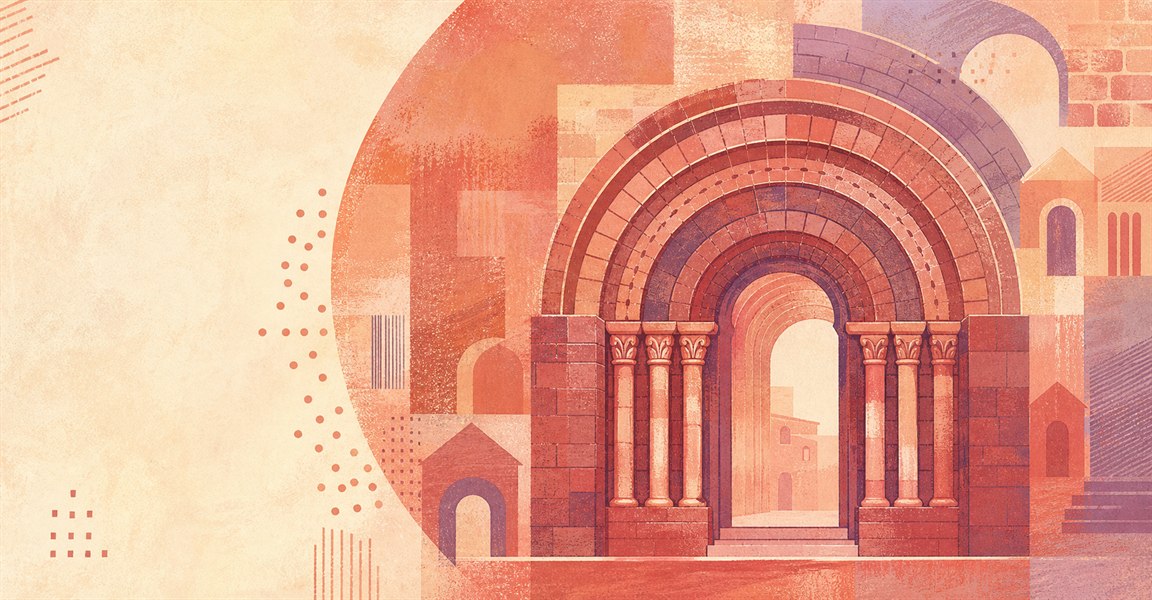
10 EUR banknote · Romanesque arch
EUR
Euro
20
20
EUR banknote
20EUR
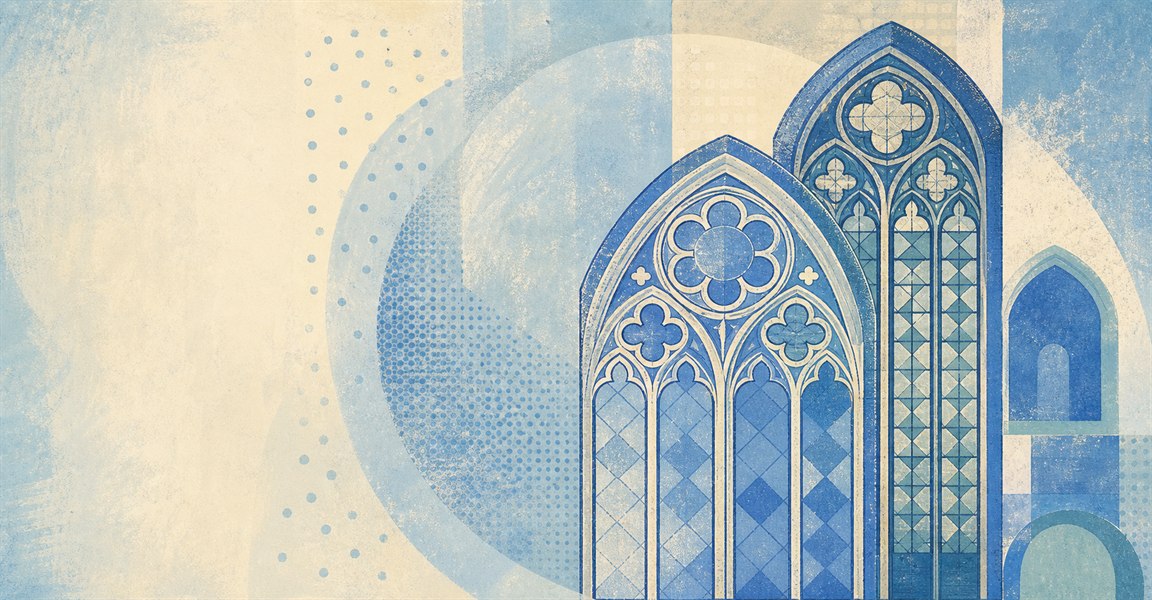
20 EUR banknote · Gothic windows
EUR
Euro
50
50
EUR banknote
50EUR
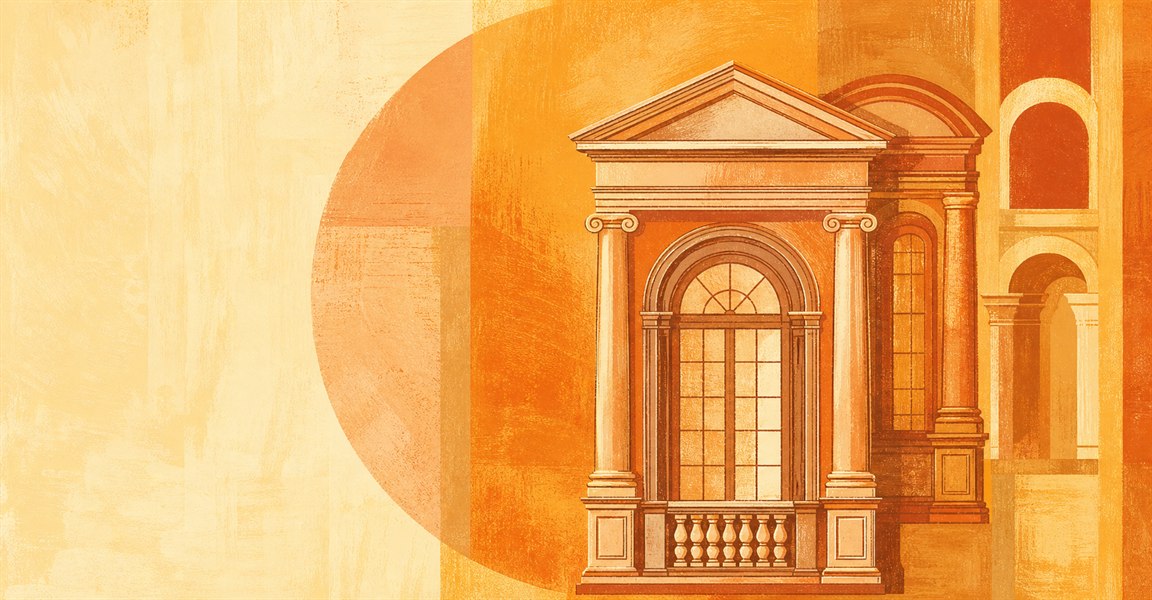
50 EUR banknote · Renaissance window
EUR
Euro
100
100
EUR banknote
100EUR
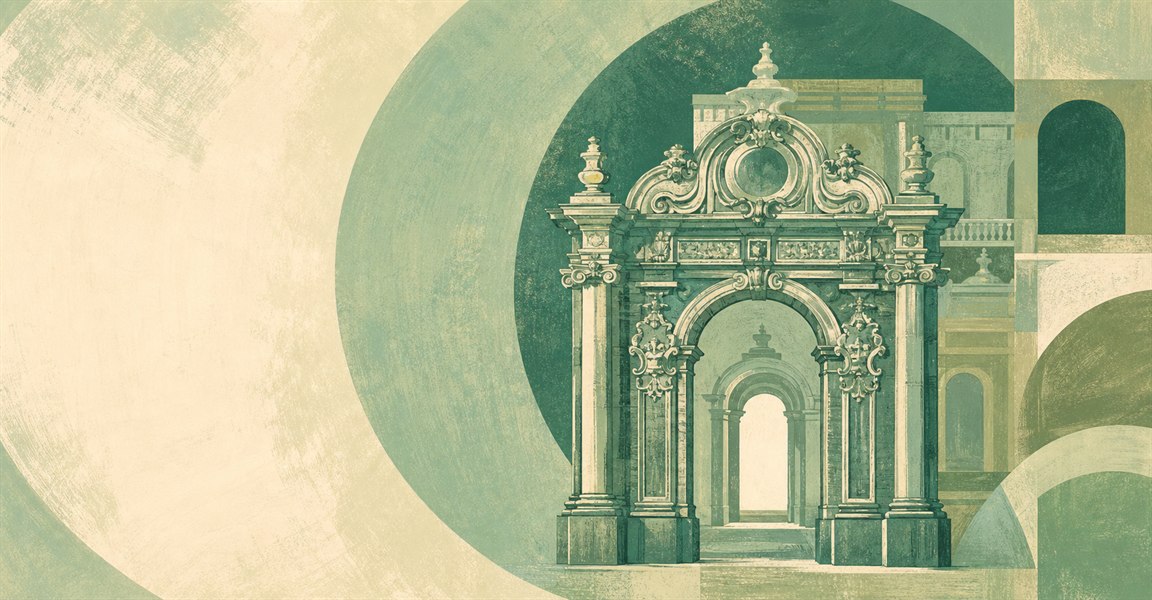
100 EUR banknote · Baroque gateway
EUR
Euro
200
200
EUR banknote
200EUR
200 EUR banknote · Iron and glass
EUR
Euro
500
500
EUR banknote
500EUR
500 EUR banknote · Modern glass and steelOlder series · no longer issued
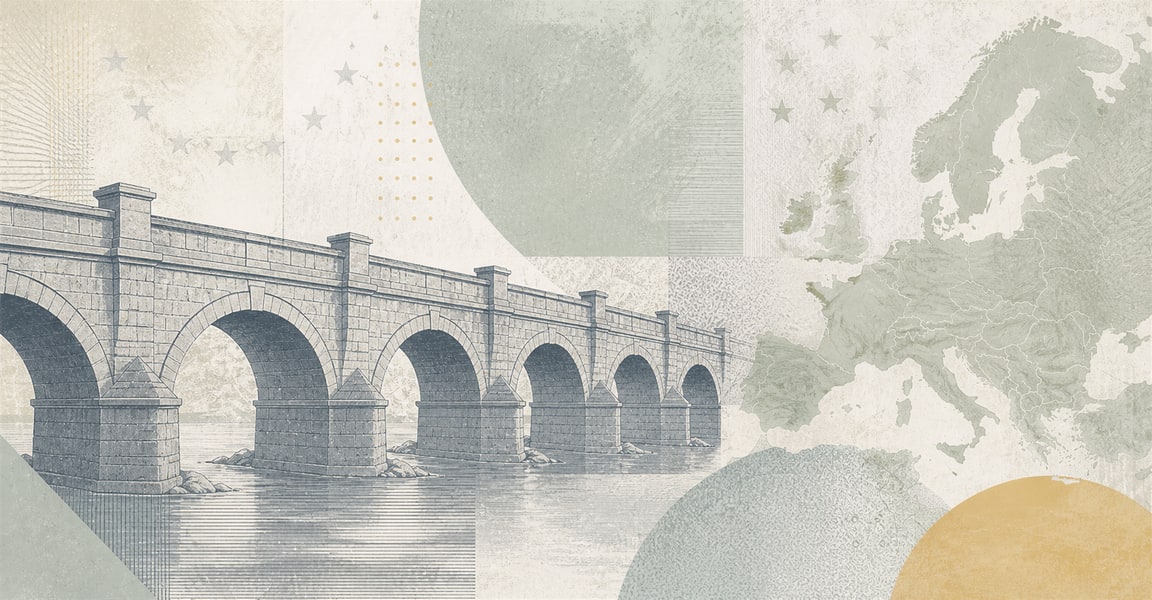
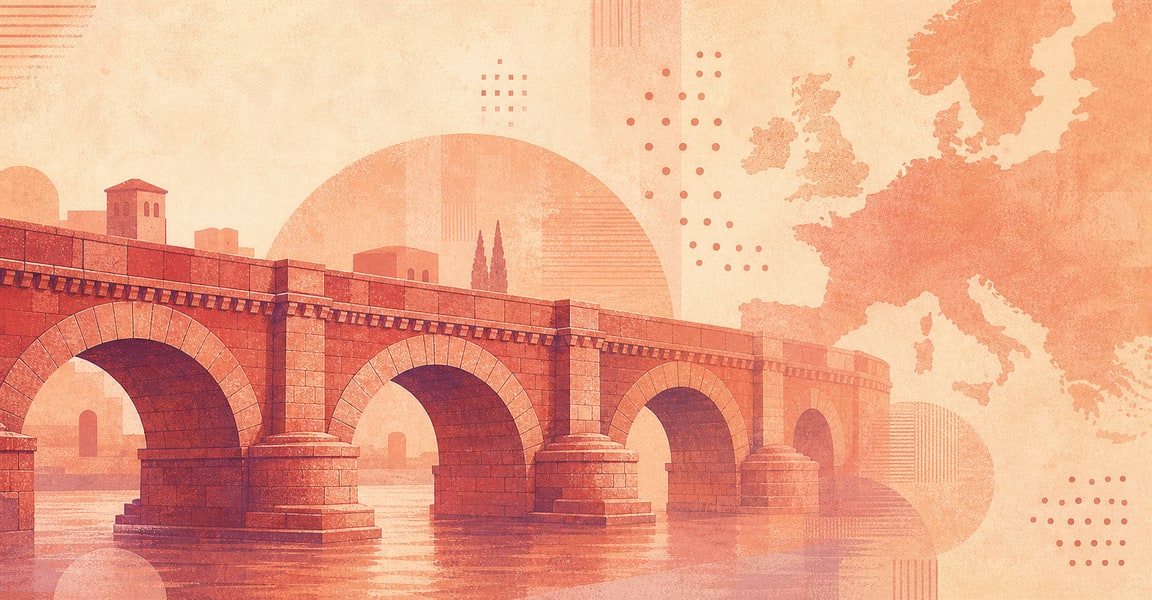
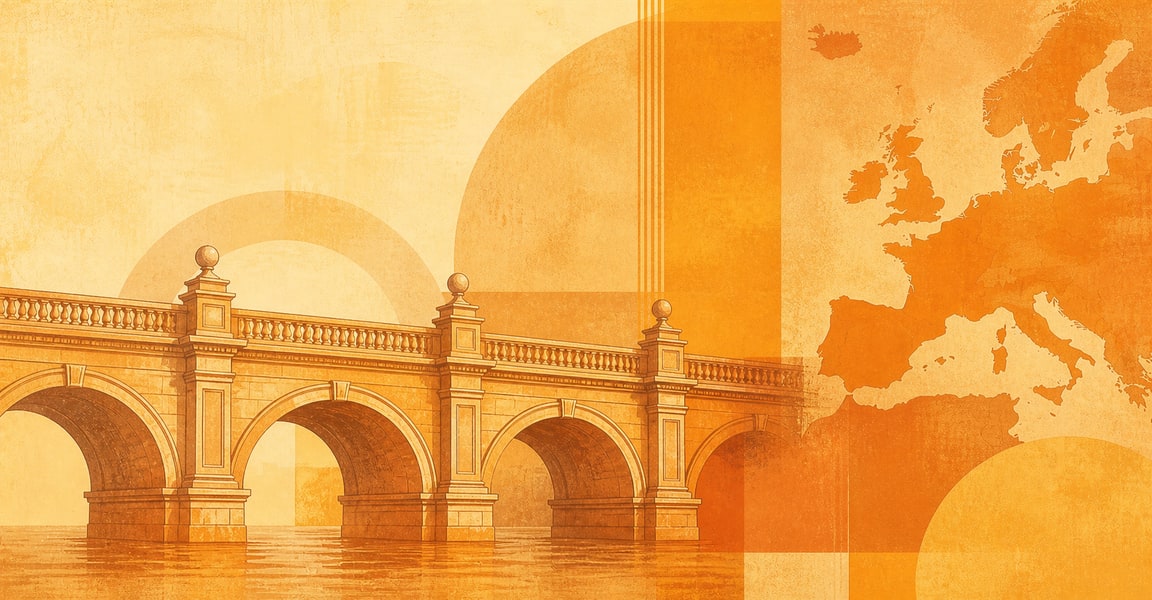
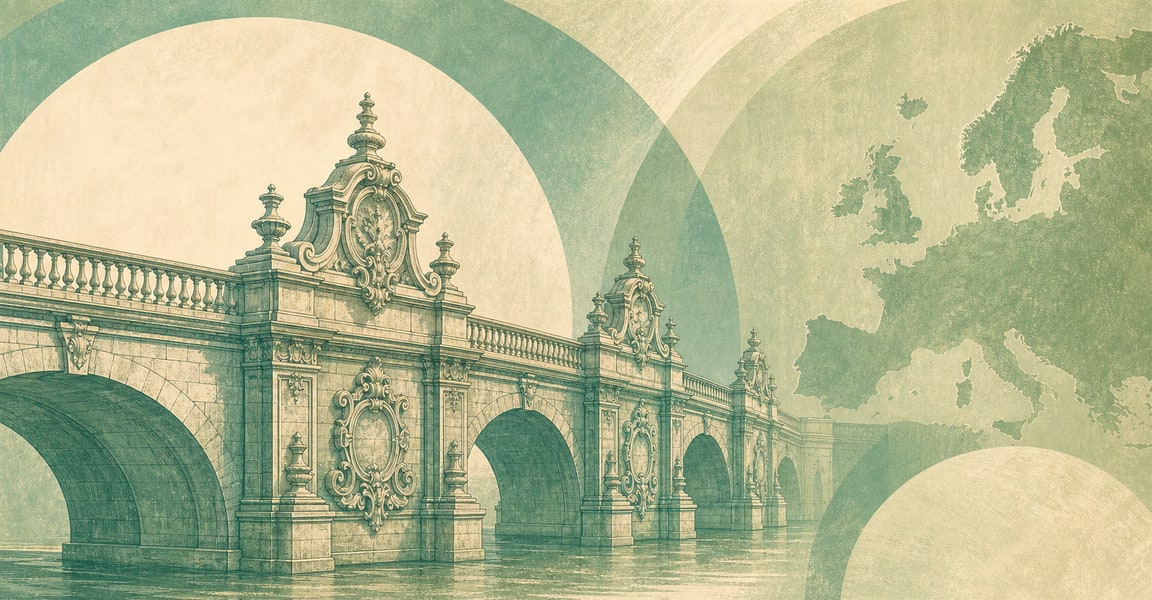
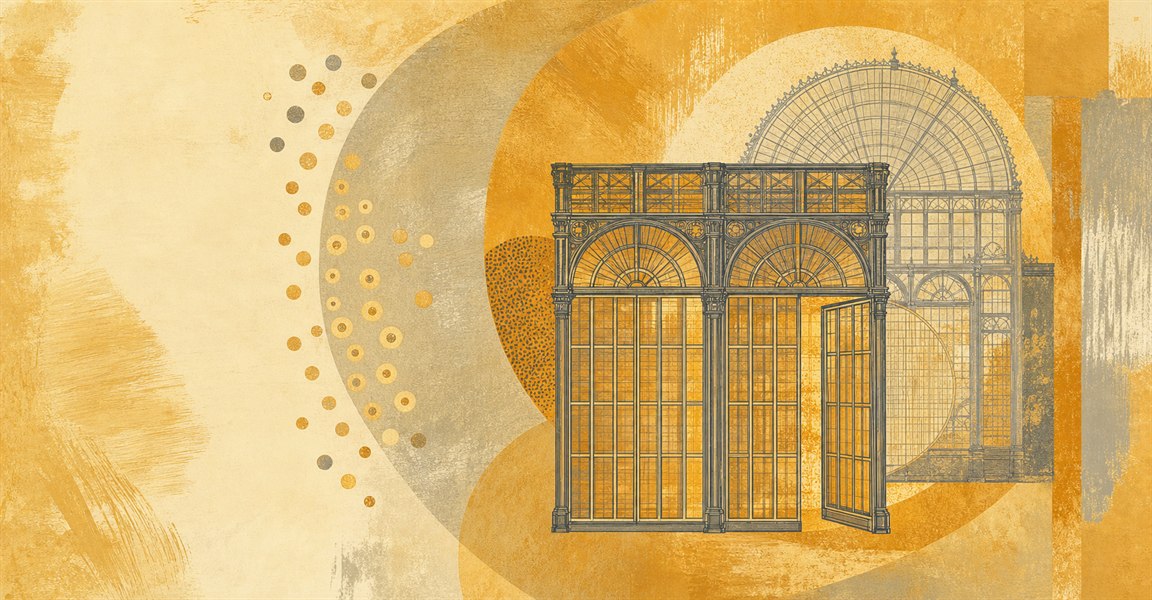
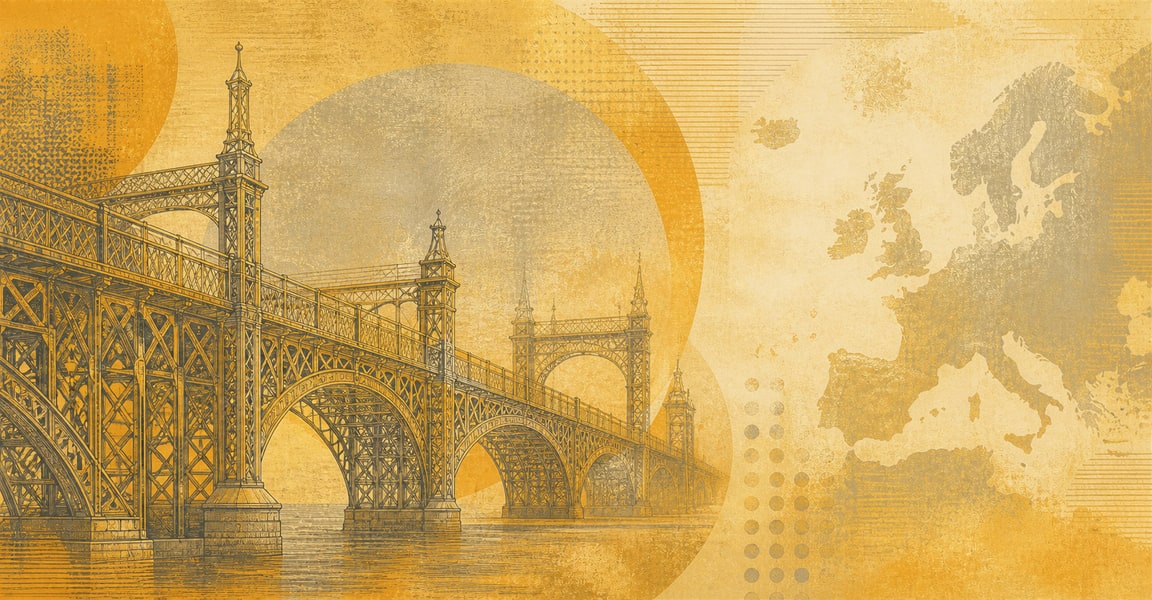
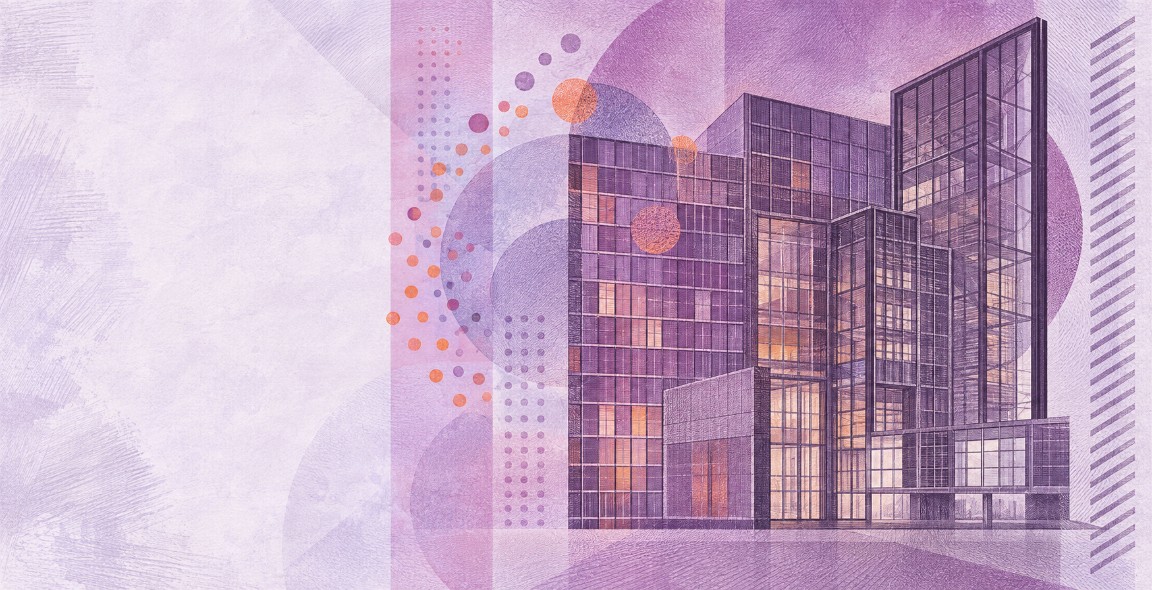
The euro banknote theme is imagined European architecture rather than real monuments: windows and gateways move from classical to modern styles, while bridges on the reverse suggest connection. Cash by Country artwork is an original, simplified interpretation and is not legal tender.
Three dates unlock the coin tray
2002Rainier + Albert2006Albert II profile2025Albert II frontal
The first series tells the handover
Prince Rainier III appears alone on EUR 2 and beside his son Albert on EUR 1. The 10, 20 and 50 cent coins carry the Prince's seal, while the copper values show the Grimaldi coat of arms.
The second series changes the sovereign
Introduced in 2006, the second series places Prince Albert II on EUR 1 and EUR 2. His monogram replaces the older seal on the middle denominations, while the Grimaldi arms remain on 1, 2 and 5 cent.
The newest portrait looks straight ahead
The third series arrived in 2025. The high values now show a frontal portrait of Albert II, making the newest EUR 1 and EUR 2 easy to distinguish from the profile used before.
Old faces still spend
The ECB lists all three series as circulating. A portrait of Rainier III or the earlier profile of Albert II is not obsolete money, and the coins remain legal tender throughout the euro area.
The notes carry no Monaco portrait
Euro banknotes use the shared European designs. Monaco's local identity lives on the national sides of the coins, so turn the change over when you want to find the principality.