Kosovo spends the euro every day without belonging to the euro area or issuing a Kosovo national coin. Every pocket is therefore a small collection imported from elsewhere.
2 min readReviewed 29 July 2026
EURA currency with no local reverseThe Euro Without a Kosovo Side
Kosovo's euro use is unilateral. The Deutsche Mark became the main currency in 1999 under the international administration, and the physical euro replaced it in 2002. The European Central Bank describes Kosovo as using the euro de facto, outside the euro area and without a monetary agreement.
The quick answer Use ordinary euro notes and coins exactly as their face values show. Kosovo does not issue its own national side, so a coin with German, Italian, French or another participating design is normal. There is no separate Kosovo exchange rate and no local banknote series to learn.
Meet the EUR
Paper money
Euro notes follow an easy architectural colour ladder - grey €5, red €10, blue €20, orange €50, green €100 and yellow €200 - wherever you spend them in Europe.
Checking the latest reference rate...
EUR
Euro
5
5
EUR banknote
5EUR
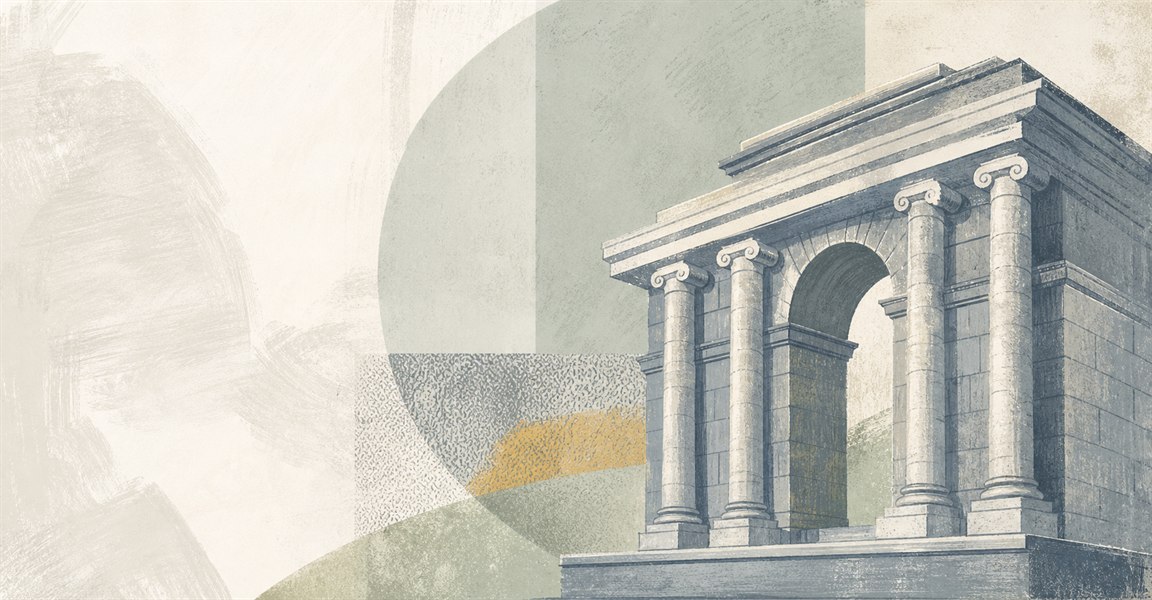
5 EUR banknote · Classical gateway
EUR
Euro
10
10
EUR banknote
10EUR
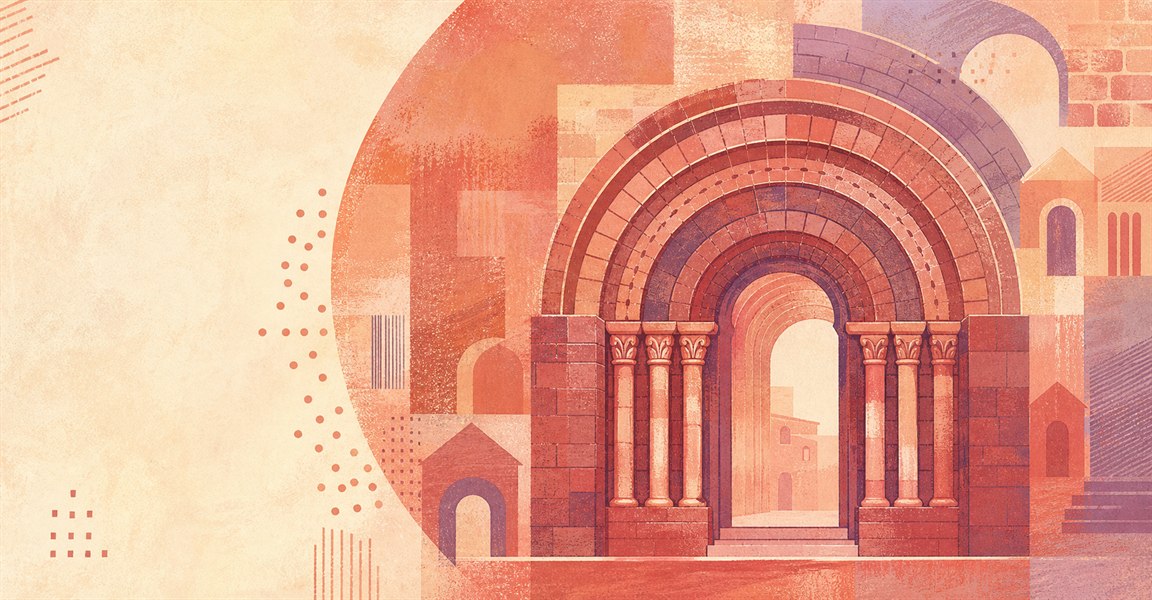
10 EUR banknote · Romanesque arch
EUR
Euro
20
20
EUR banknote
20EUR
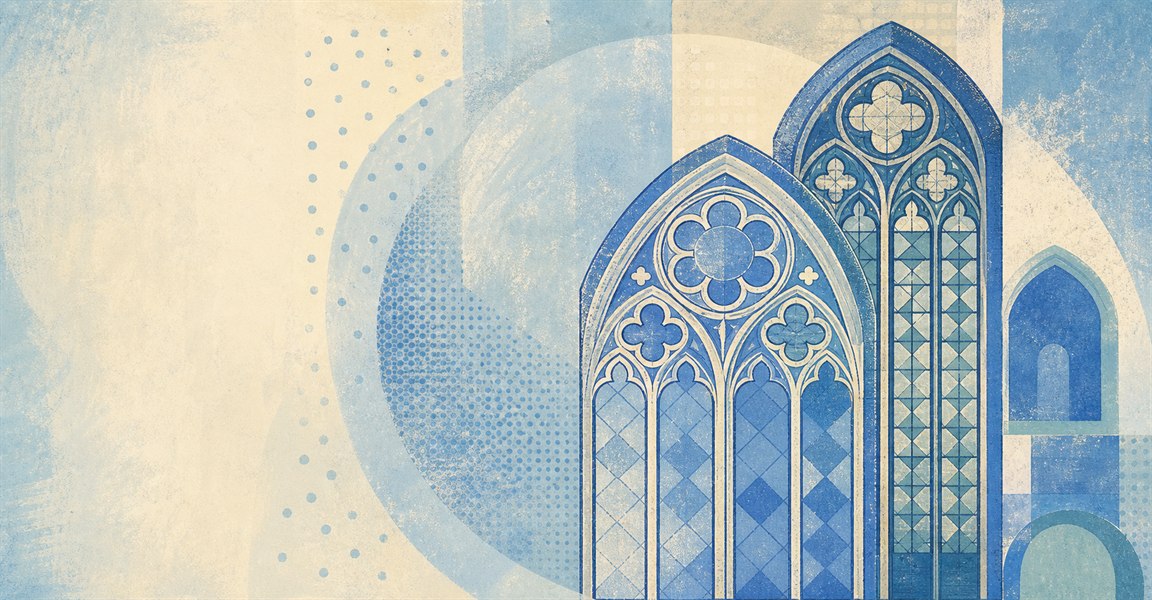
20 EUR banknote · Gothic windows
EUR
Euro
50
50
EUR banknote
50EUR
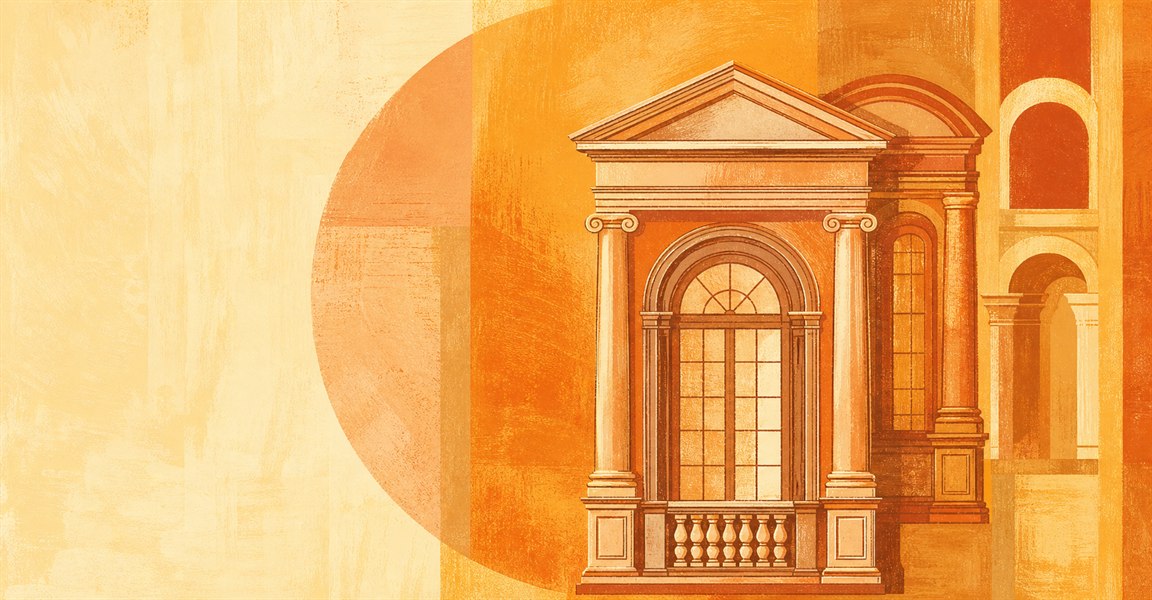
50 EUR banknote · Renaissance window
EUR
Euro
100
100
EUR banknote
100EUR
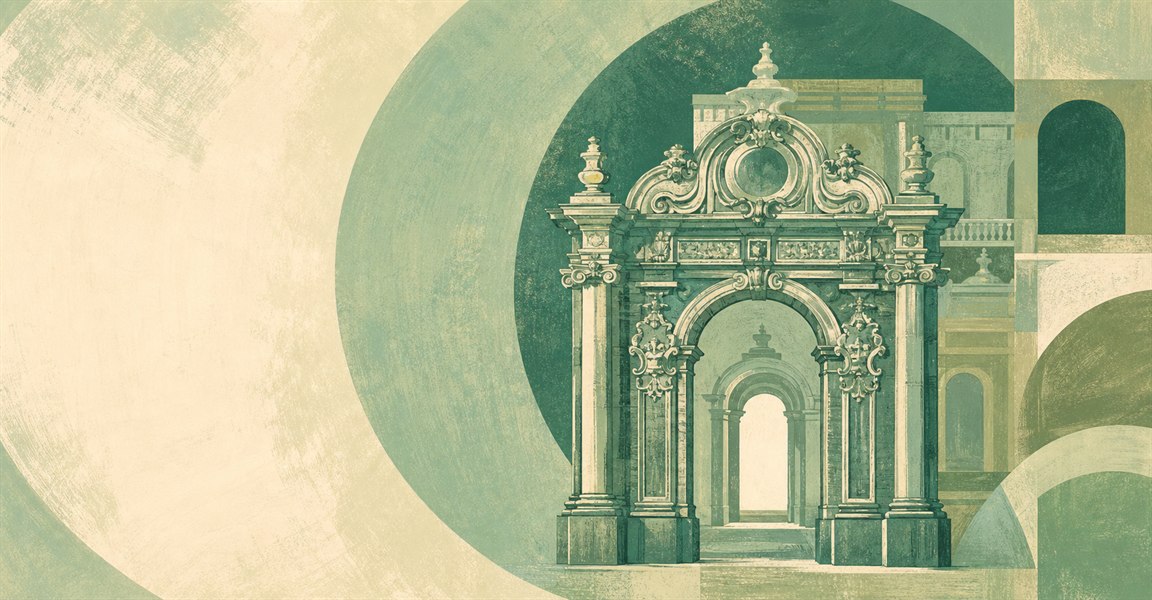
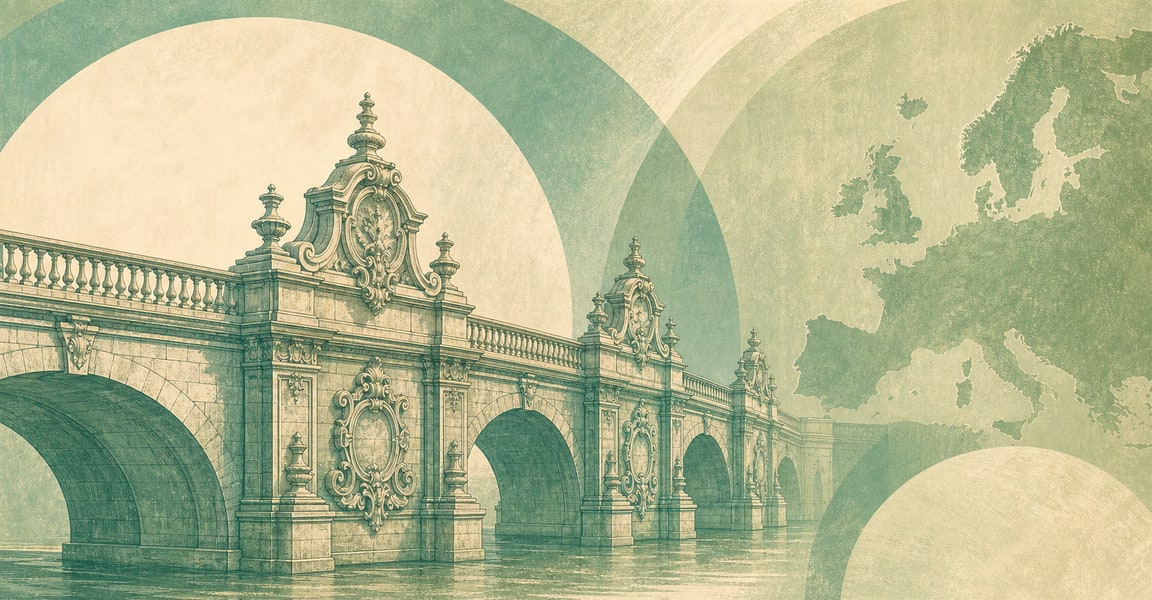
100 EUR banknote · Baroque gateway
EUR
Euro
200
200
EUR banknote
200EUR
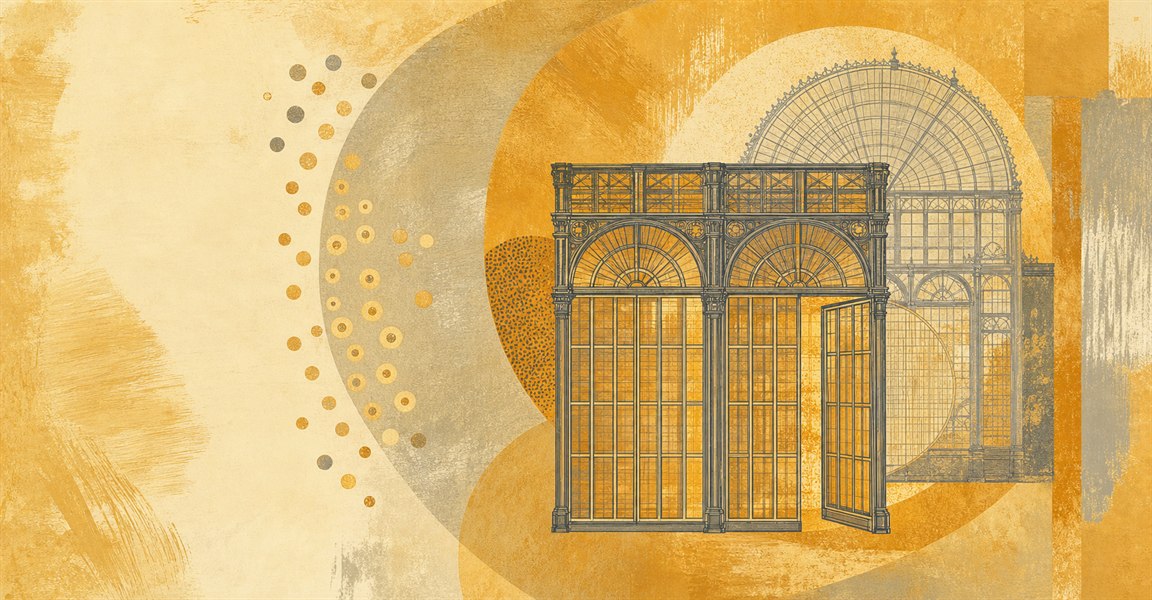
200 EUR banknote · Iron and glass
EUR
Euro
500
500
EUR banknote
500EUR
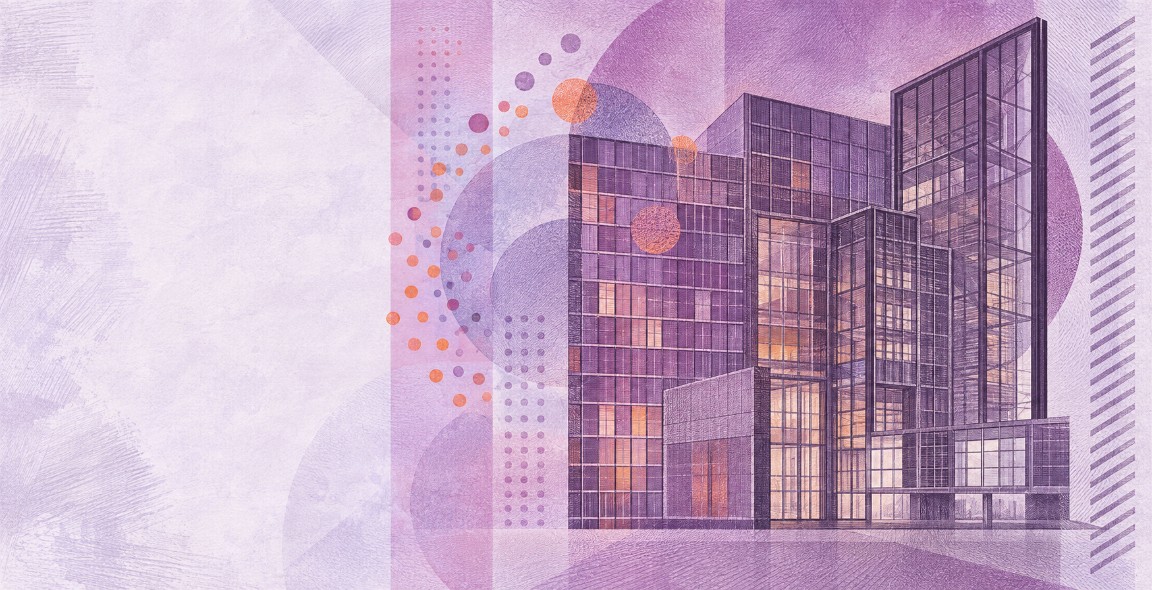
500 EUR banknote · Modern glass and steelOlder series · no longer issued
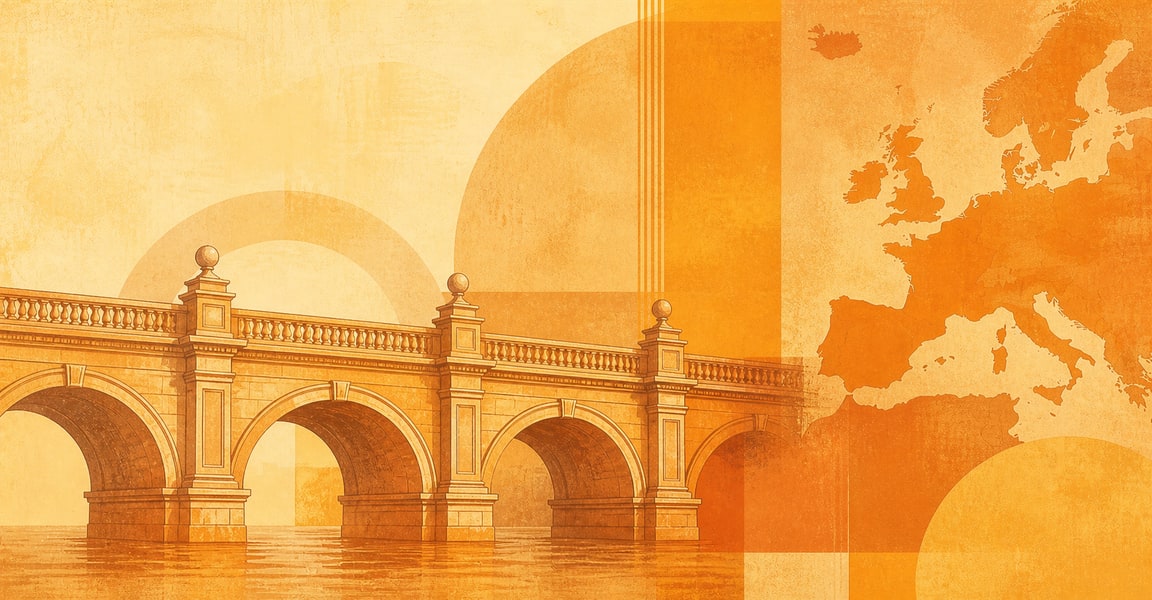
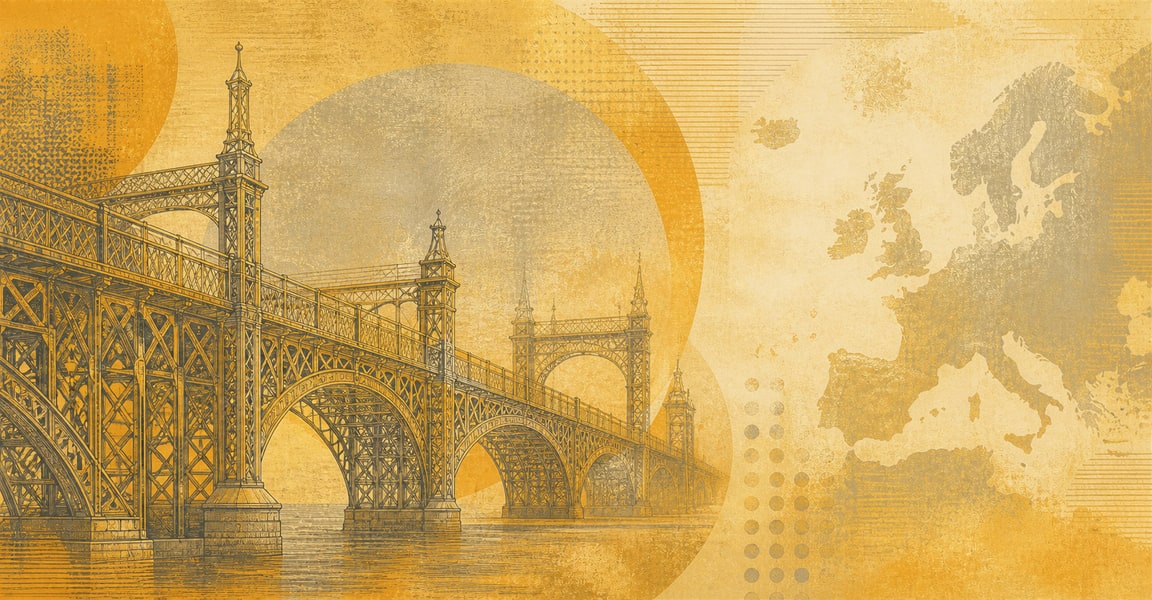
The euro banknote theme is imagined European architecture rather than real monuments: windows and gateways move from classical to modern styles, while bridges on the reverse suggest connection. Cash by Country artwork is an original, simplified interpretation and is not legal tender.
The money changed, but no exchange board arrived
1999Deutsche Mark becomes the main currency
EUR
2002Euro cash replaces the mark
Unilateral means useful, but institutionally different
Kosovo chose the euro without joining the euro area or signing the kind of monetary agreement used by Andorra, Monaco, San Marino and Vatican City. Travellers still spend the same cash, but Kosovo has no seat in euro-area monetary policy.
There is no Kosovo coin to hunt in your change
Euro coins have one common side and one national side from an authorised issuer. Kosovo has no minting agreement, so a coin marked with another country's design is not foreign money inside Kosovo; it is simply the euro in circulation.
The notes are completely shared
Euro banknotes do not have country-specific fronts or backs. A EUR 20 note withdrawn in Pristina looks and spends like a genuine EUR 20 note obtained in Paris, Vienna or Zagreb.
Small values deserve more attention than designs
For a practical visit, EUR 5, 10 and 20 notes plus EUR 1 and 2 coins matter more than the national motif. They keep bakeries, buses, market stalls and small cafe bills from depending on change for a large note.
A familiar currency does not make Kosovo part of SEPA by magic
Cash use and international bank-transfer membership are separate questions. Do not assume that every euro account, transfer fee or consumer rule works exactly as it does inside the EU simply because the notes are identical.