

Japan currently issues ¥1,000, ¥2,000, ¥5,000 and ¥10,000 banknotes, plus ¥1, ¥5, ¥10, ¥50, ¥100 and ¥500 coins. In normal travel you are most likely to see the ¥1,000, ¥5,000 and ¥10,000 notes; the ¥2,000 note remains valid but is not common in circulation.
Paper money
Japanese yen notes are easy to tell apart once you know their colours and landmarks; the 2024 ¥1,000, ¥5,000 and ¥10,000 designs add a fresh look to the familiar wallet.
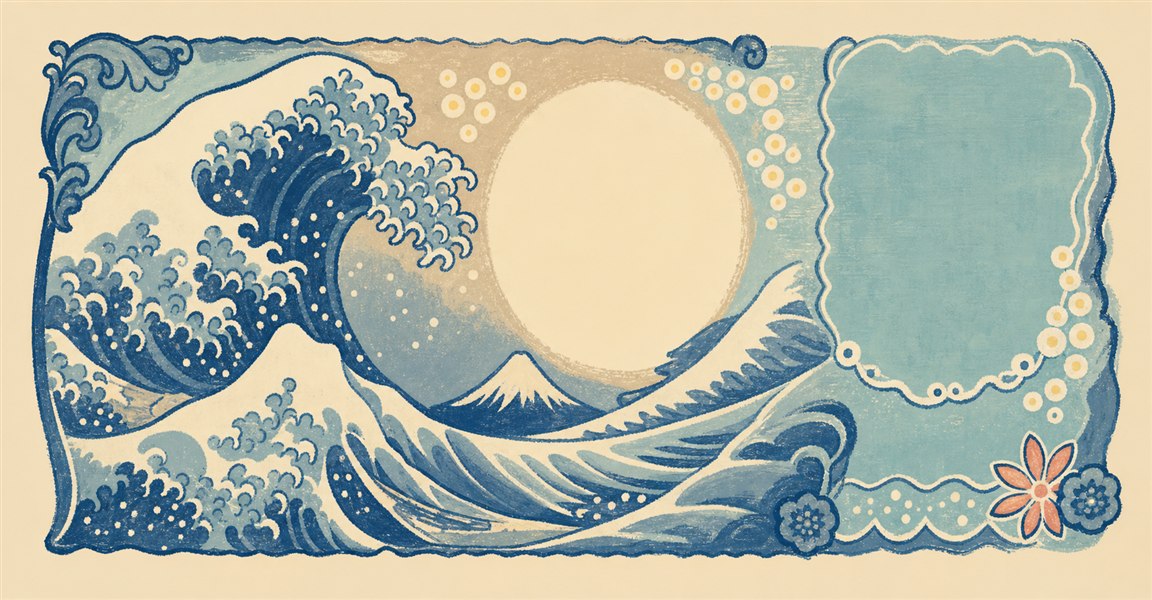
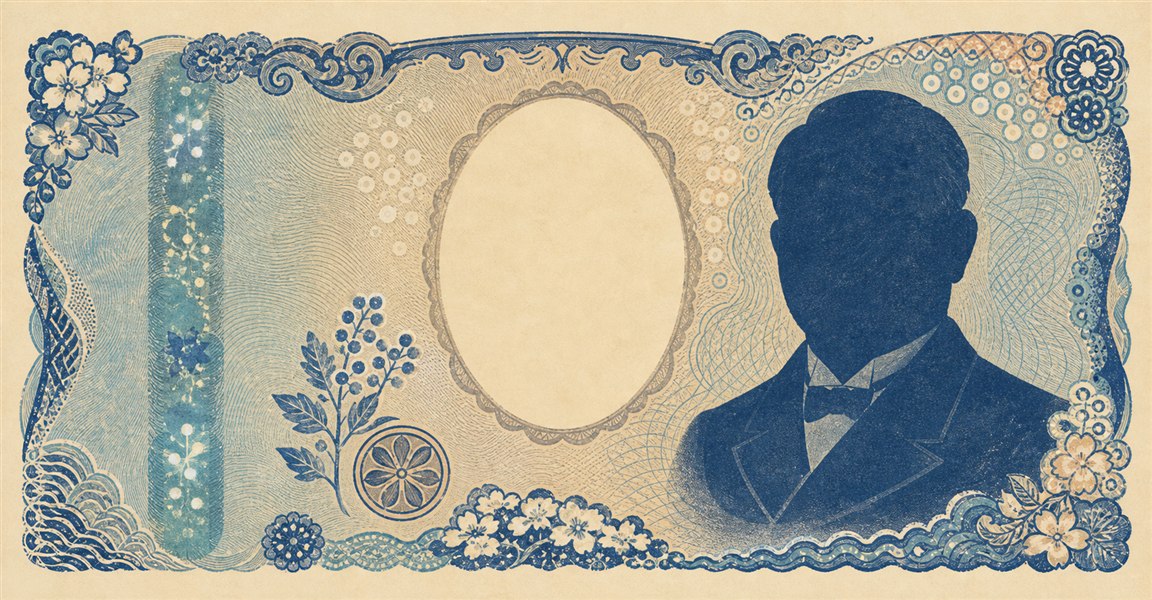
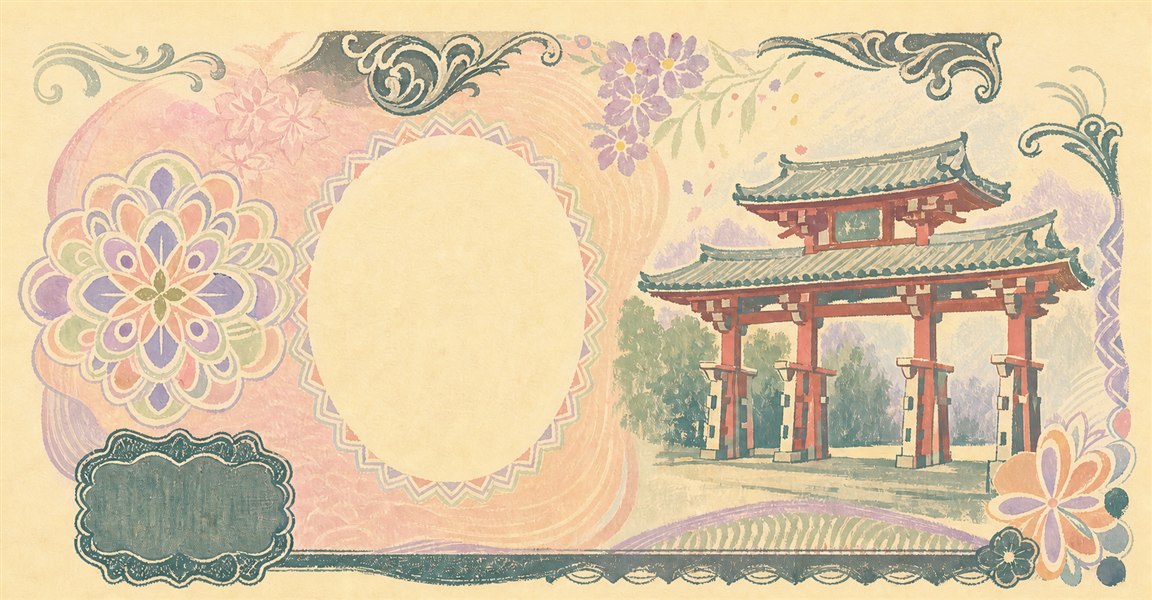
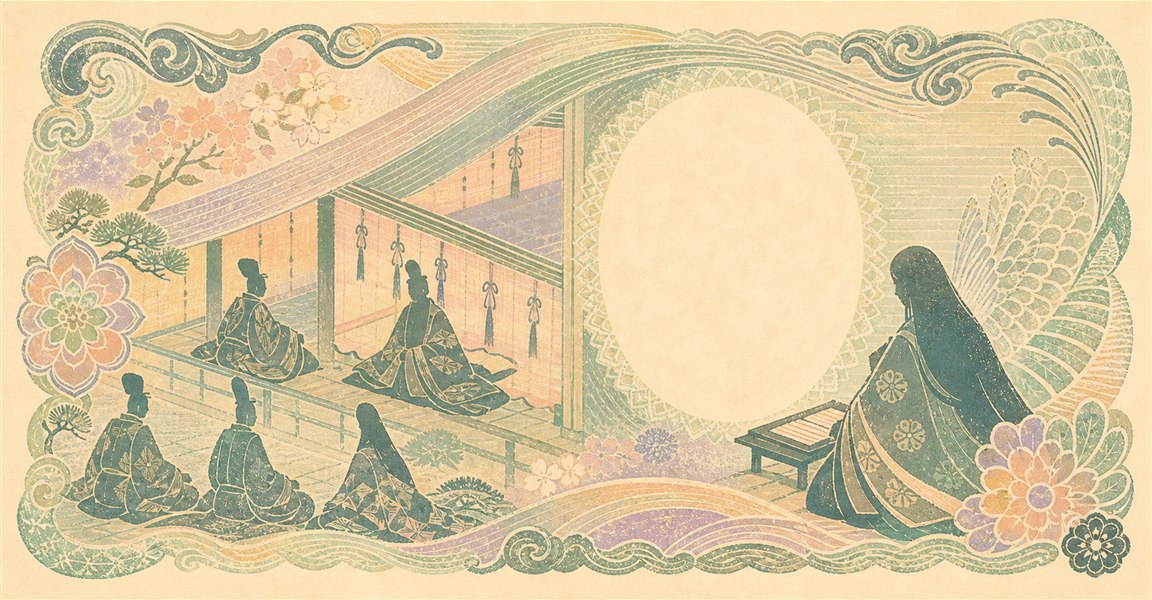
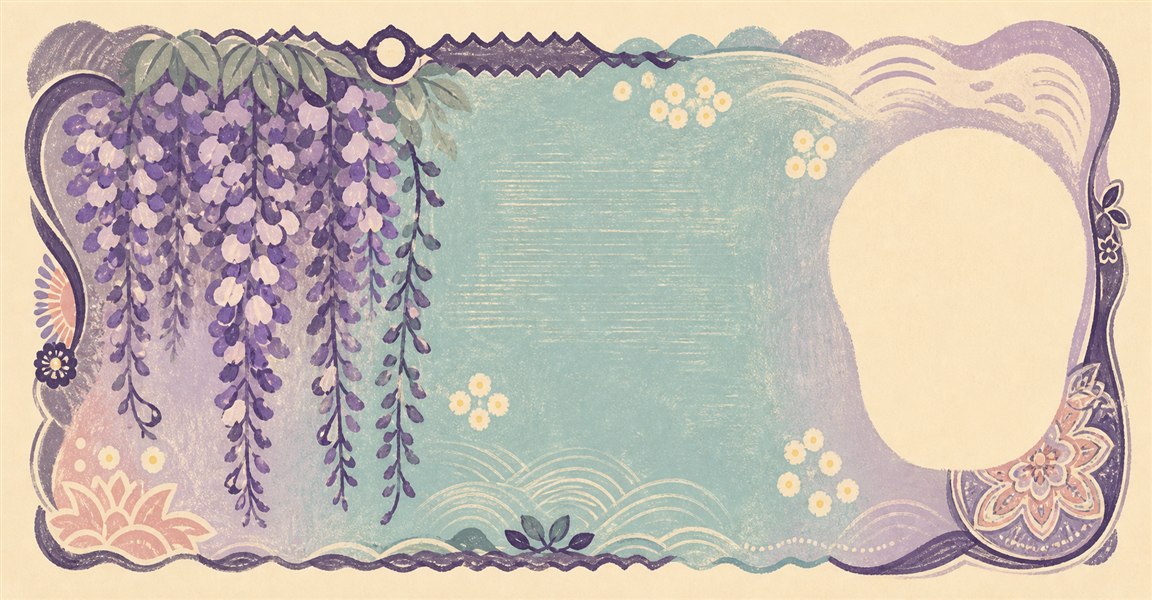
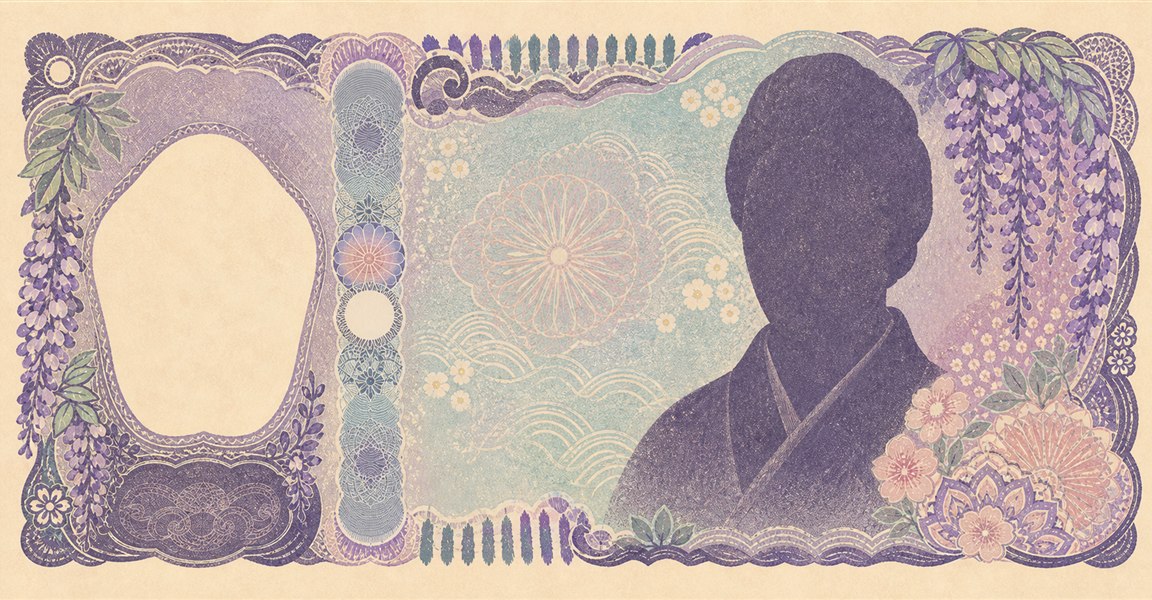
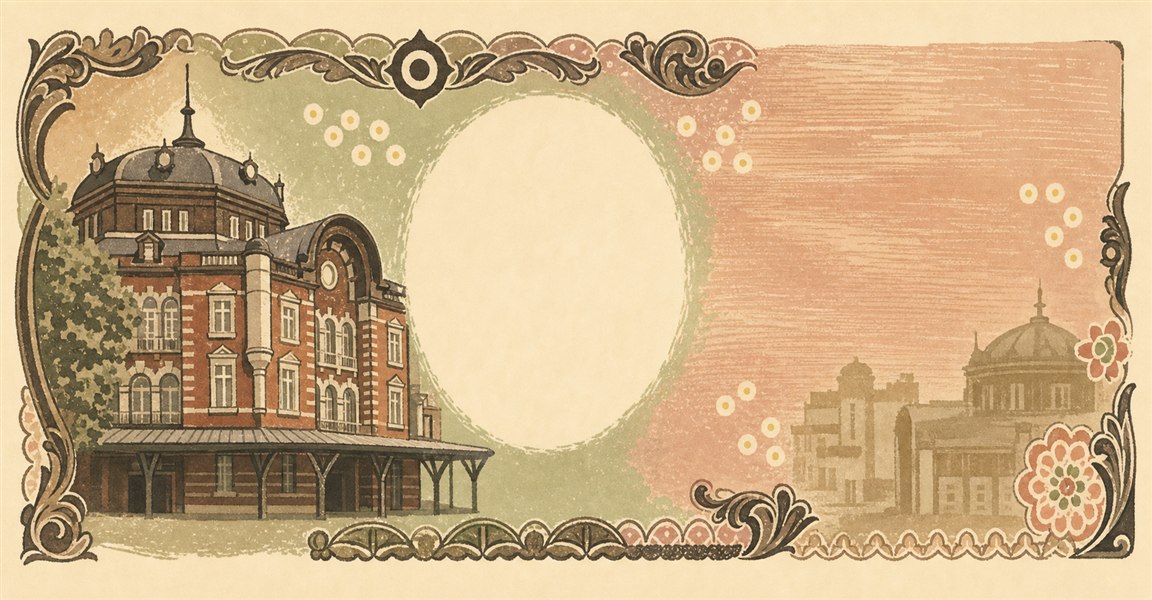
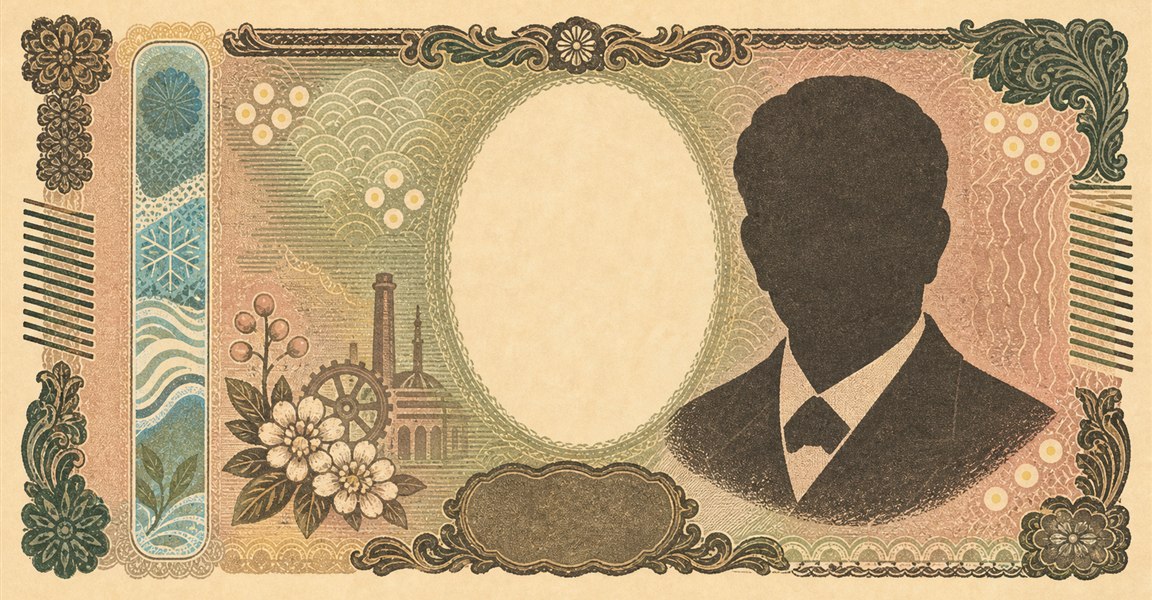
Japan's 2024 notes pair influential figures with subjects such as the Great Wave, wisteria flowers and Tokyo Station; the less-common 2,000 yen note keeps Shureimon Gate in the set. Cash by Country artwork is an original, simplified interpretation and is not legal tender.
¥1,000: the everyday workhorse
This is the note to keep within easy reach for casual meals, transport top-ups and small purchases. The current 2024 series shows physician and bacteriologist Kitasato Shibasaburo on the front and Hokusai's Great Wave on the back.
¥2,000: valid, but unusual
The ¥2,000 note was first issued in 2000 and shows Shurei-mon Gate on the front. Official tourism guidance notes that relatively few circulate. If one appears in your change, it is real spending money, not merely a souvenir.
¥5,000 and ¥10,000
The current ¥5,000 note features educator Tsuda Umeko and Japanese wisteria. The ¥10,000 note features industrialist Shibusawa Eiichi and Tokyo Station's Marunouchi building. JNTO says the ¥10,000 note is generally accepted even when making a smaller purchase, though it is still considerate to use a smaller denomination when you have one.
The coins
Japanese change is easy to sort once you know the clues. The ¥5 and ¥50 coins have center holes, the ¥10 has a warm bronze color, and the large ¥500 coin is worth keeping track of. A few of them can add up quickly.
| Coin | Fast visual clue | Useful to remember |
|---|---|---|
| ¥1 | Very light silver-colored aluminum | Worth little, but still in use |
| ¥5 | Brass-colored with a center hole | No Arabic numeral on the face |
| ¥10 | Bronze-colored | Easy to separate from silver coins |
| ¥50 | Silver-colored with a center hole | Smaller than the ¥100 coin |
| ¥100 | Silver-colored with cherry blossoms | A common vending and small-purchase coin |
| ¥500 | Large, bimetallic current design | A high-value coin worth keeping track of |
Why a coin pouch genuinely helps
Yen coins carry more spending power than many travelers expect. A few ¥100 and ¥500 coins can represent a useful amount of money, and they accumulate quickly when paying cash. A small pouch makes it easier to see what you have before handing over another note.
A note about tipping
Tipping is not generally expected in Japanese bars, cafes, restaurants, taxis or hotels. JNTO describes a limited custom called kokorozuke for particular situations, but it is not normal everyday tipping. This means your small notes and coins are primarily for paying the stated price, not calculating an added percentage.