Every Irish euro coin sings the same visual note: a Celtic harp, the year and the Irish name for Ireland.
2 min readReviewed 28 July 2026
HARPOne national symbol, every valueOne Harp, Eight Values
Euro banknotes are shared across the euro area. Ireland chose one national design for all eight coin values, making its change unusually consistent and easy to identify.
The quick answer Look for the Celtic harp designed by Jarlath Hayes, the year of issue and the inscription Éire. All eight values share that face, but cash totals may be voluntarily rounded to the nearest five cent.
Meet the EUR
Paper money
Euro notes follow an easy architectural colour ladder - grey €5, red €10, blue €20, orange €50, green €100 and yellow €200 - wherever you spend them in Europe.
Checking the latest reference rate...
EUR
Euro
5
5
EUR banknote
5EUR
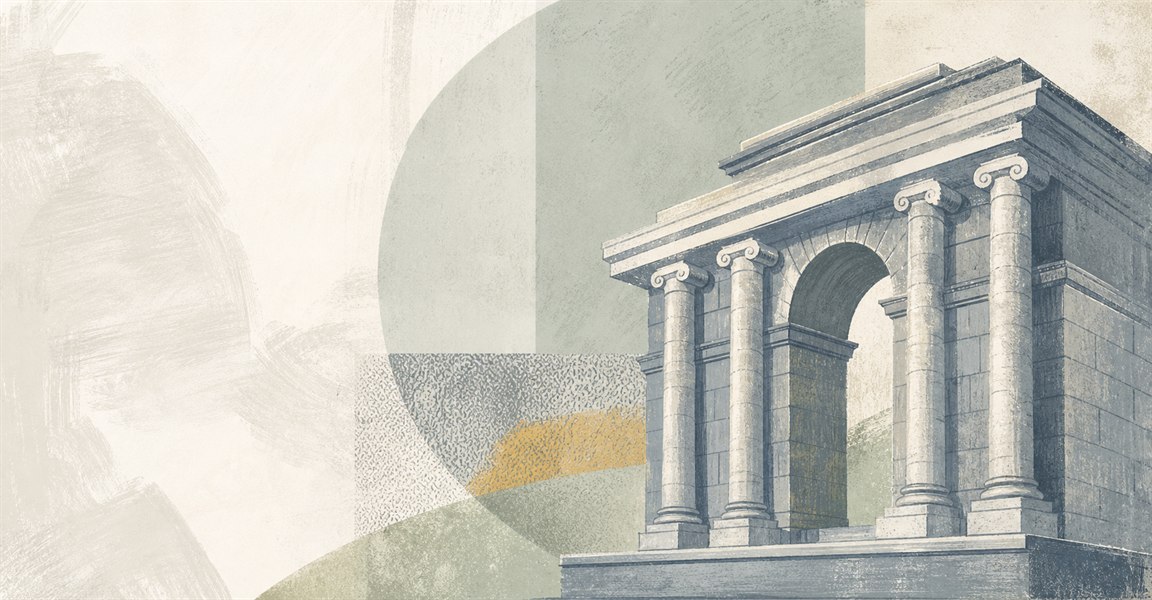
5 EUR banknote · Classical gateway
EUR
Euro
10
10
EUR banknote
10EUR
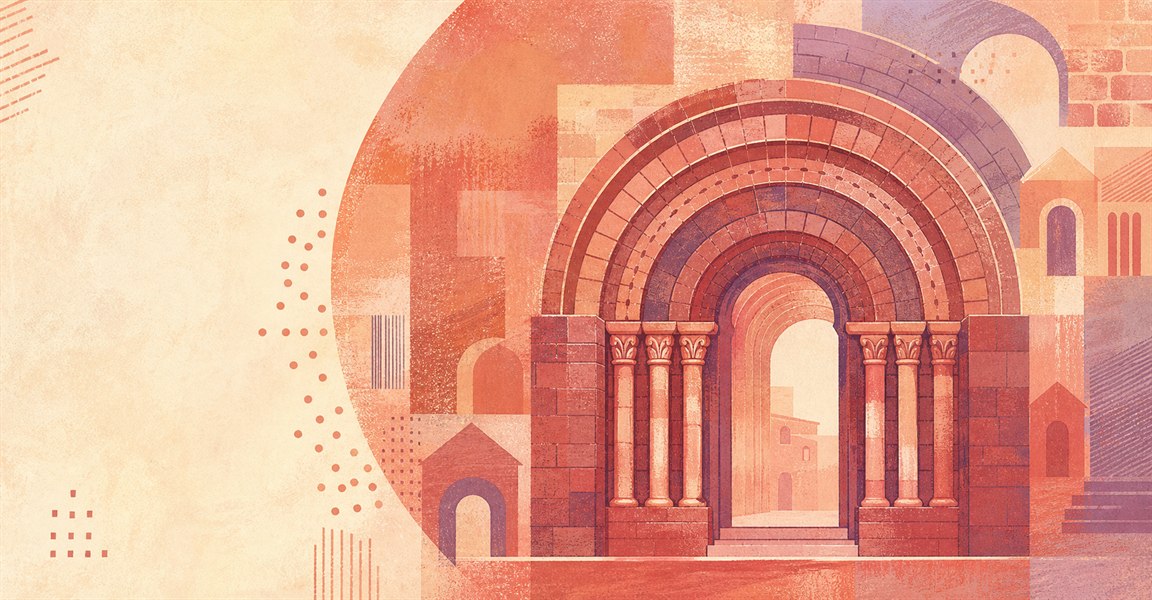
10 EUR banknote · Romanesque arch
EUR
Euro
20
20
EUR banknote
20EUR
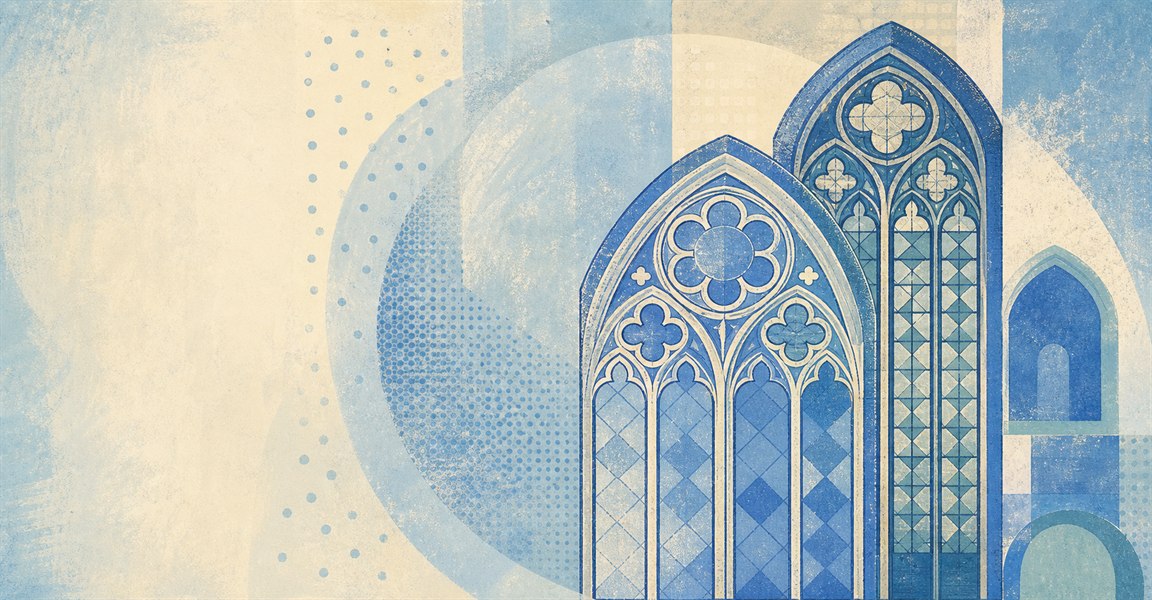
20 EUR banknote · Gothic windows
EUR
Euro
50
50
EUR banknote
50EUR
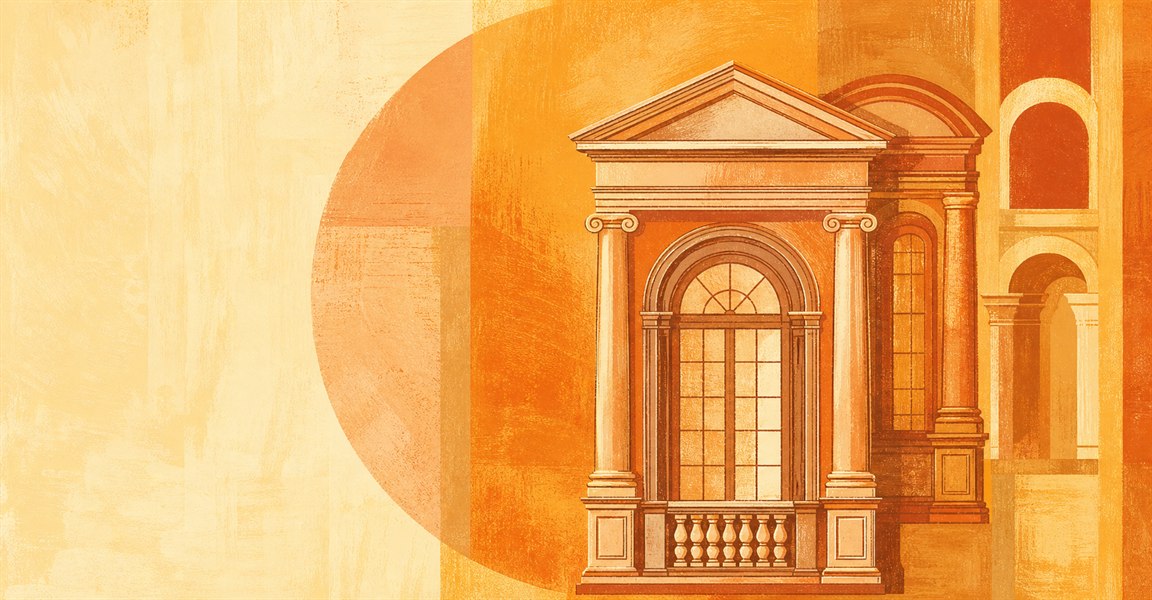
50 EUR banknote · Renaissance window
EUR
Euro
100
100
EUR banknote
100EUR
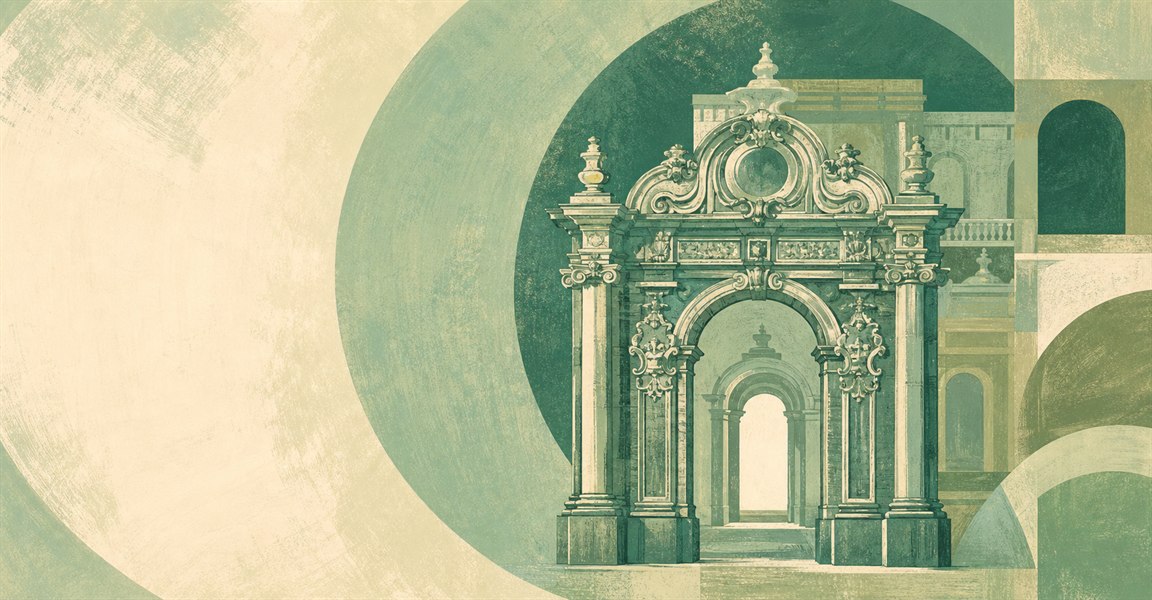
100 EUR banknote · Baroque gateway
EUR
Euro
200
200
EUR banknote
200EUR
200 EUR banknote · Iron and glass
EUR
Euro
500
500
EUR banknote
500EUR
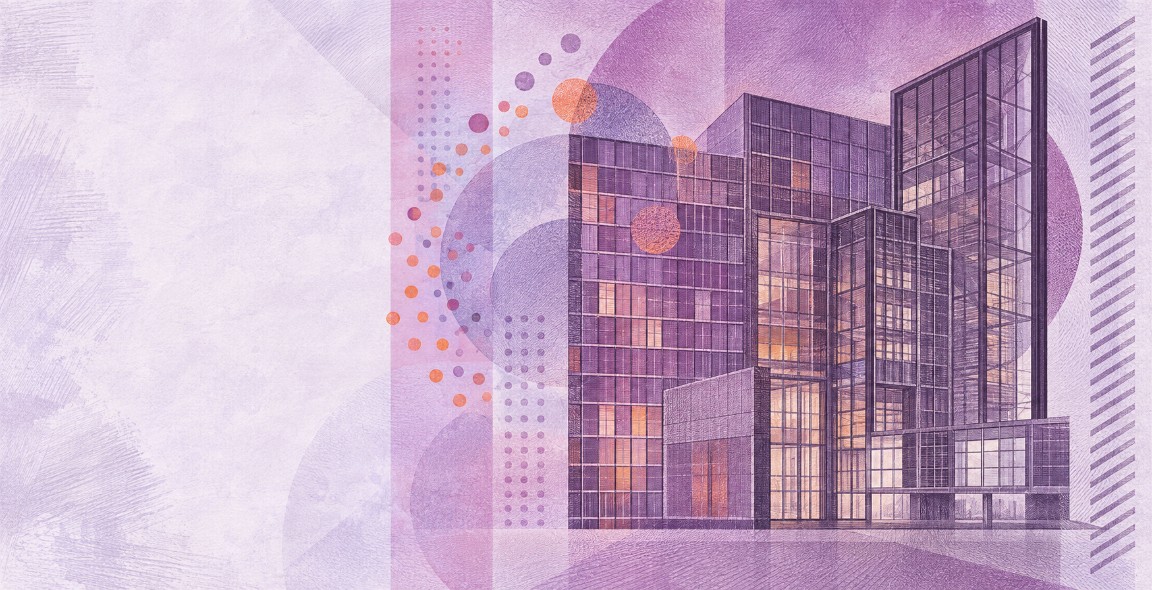
500 EUR banknote · Modern glass and steelOlder series · no longer issued
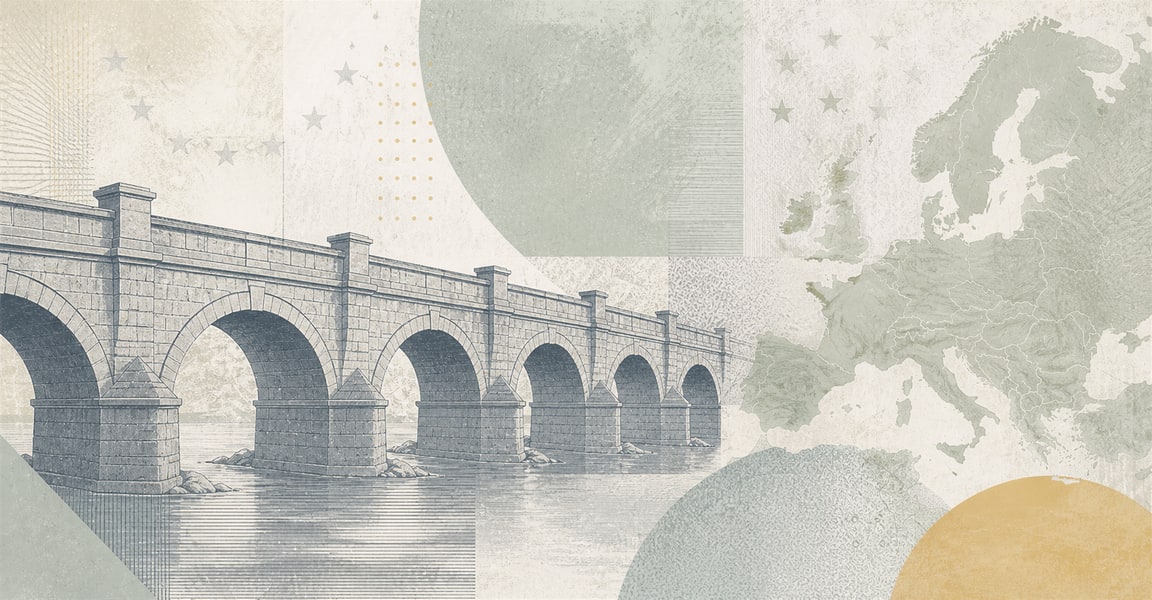
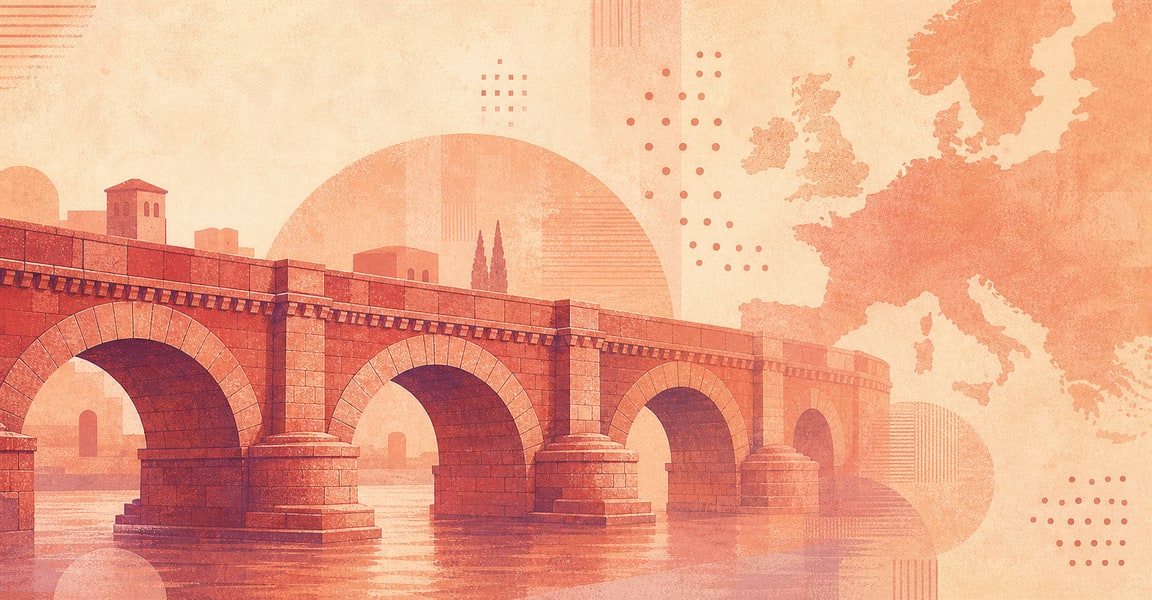
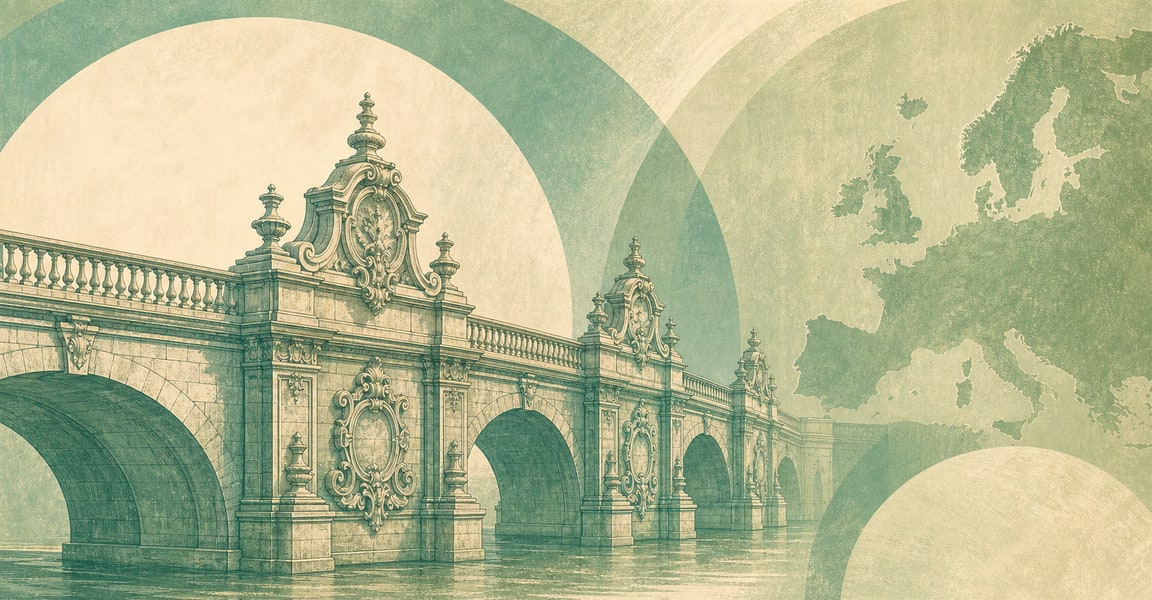
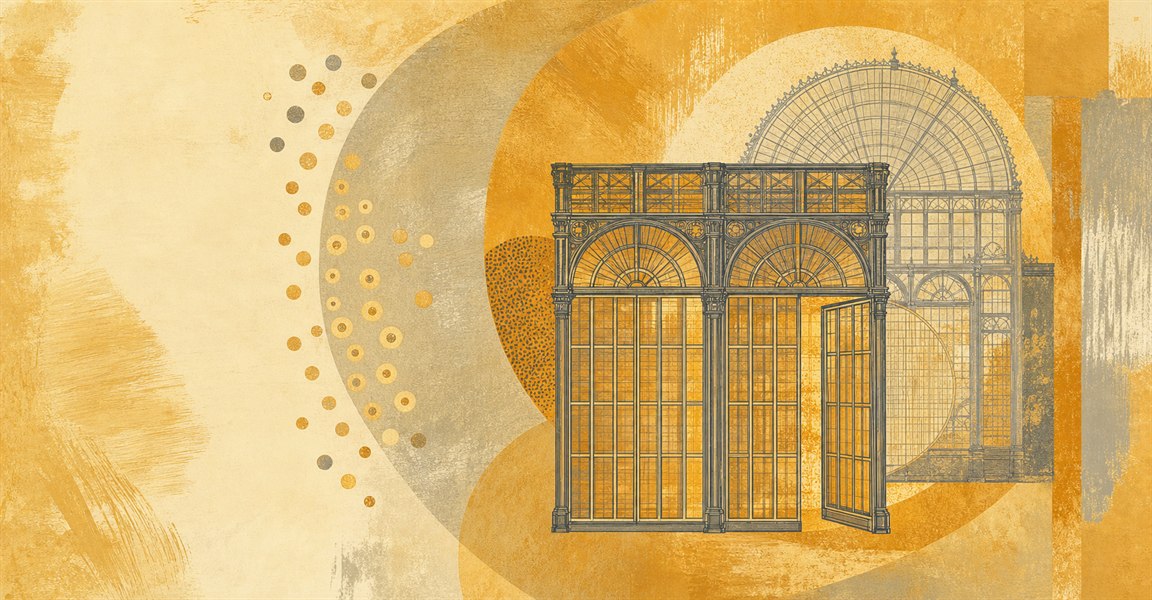
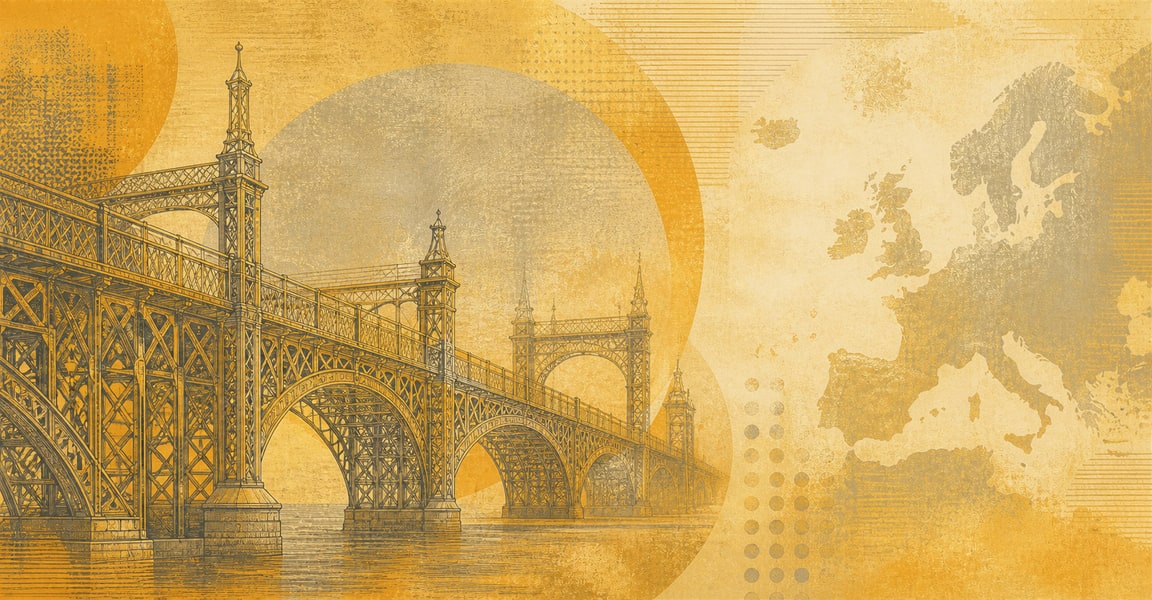
The euro banknote theme is imagined European architecture rather than real monuments: windows and gateways move from classical to modern styles, while bridges on the reverse suggest connection. Cash by Country artwork is an original, simplified interpretation and is not legal tender.
The harp does all eight jobs
1, 2 and 5 centThe copper-coloured values carry the same harp as the larger coins.
10, 20 and 50 centThe Nordic-gold values repeat the national design at three sizes.
EUR 1 and 2The bimetal coins keep the harp, year and Irish name.
EUR 2 edgeThe mark 2** repeats six times, alternating direction.
A symbol older than the euro
The harp has represented Ireland for centuries. Designer Jarlath Hayes turned it into a clean modern coin face that remains legible from the tiny 1 cent to the broad EUR 2.
The cash total can move by a few cents
21-22 cround to 20 c23-24 cround to 25 c26-27 cround to 25 c28-29 cround to 30 c
Rounding applies only to the final cash total, not each item's price. It is voluntary for both sides. Card payments stay exact, and 1 and 2 cent coins remain legal tender.
Shared notes, Irish change
An Irish EUR 20 note is the same note used throughout the euro area. The local identity is on the coins. Use our original note illustrations for denomination and colour, then check real notes by touch, watermark, security thread and hologram.