Hungary's banknotes turn rulers, reformers, castles and parliament into a colour-coded pocket history. Its coins finish the story with birds, flowers and the Chain Bridge.
3 min readReviewed 29 July 2026
6Six portraits, six places, no tiny coinsHistory Folded into Six Forint Notes
The Hungarian forint is easy to underestimate because its numbers are large. Look past the zeros and the system becomes compact: six banknotes, six coins and no physical denomination below 5 forint. Each note pairs a historical portrait with a related place or scene, while the coin set moves from protected wildlife to one of Budapest's best-known bridges.
The quick answer Current Hungarian cash consists of 500, 1,000, 2,000, 5,000, 10,000 and 20,000 forint banknotes plus 5, 10, 20, 50, 100 and 200 forint coins. The price symbol is Ft and the international code is HUF. The 1- and 2-forint coins were withdrawn in 2008, so only a cash invoice total is rounded to the nearest 0 or 5; card and electronic payments keep the exact amount.
Meet the HUF
Paper money
Hungarian forint notes blend historical figures, architecture and a strong colour ladder, from the green 500 to the blue 20,000.
Checking the latest reference rate...
HUF
Hungarian Forint
500
500
HUF banknote
500HUF
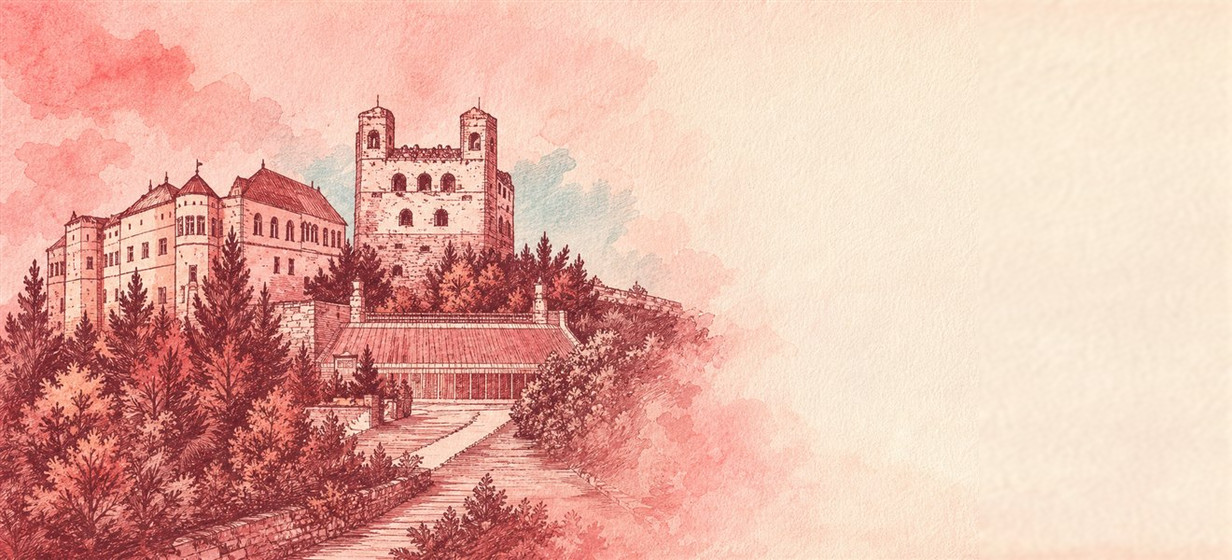
500 HUF banknote · Sárospatak Castle
HUF
Hungarian Forint
1,000
1,000
HUF banknote
1,000HUF
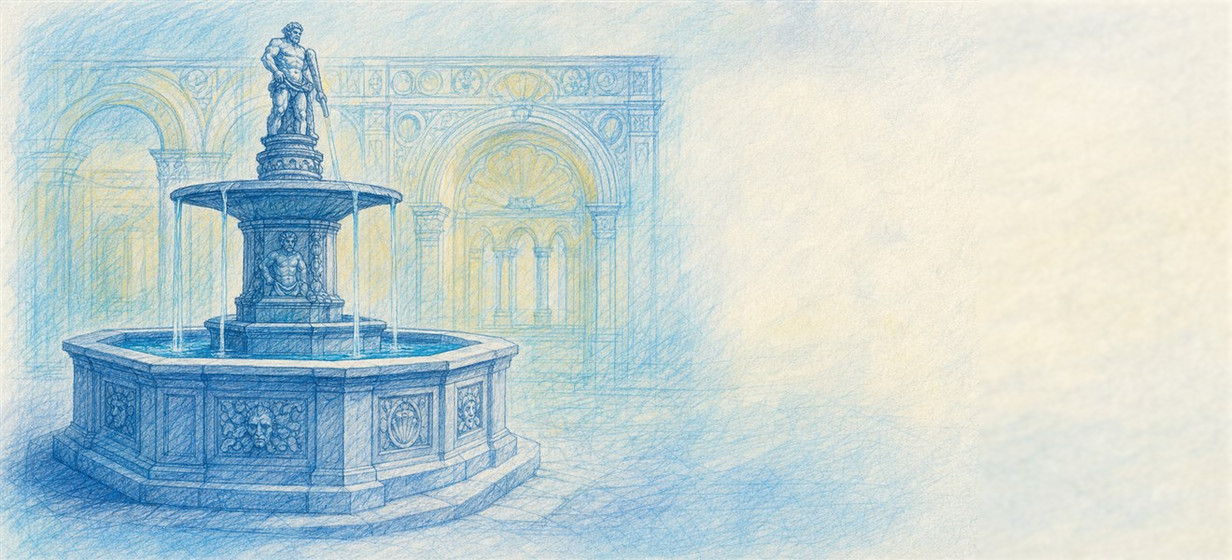
1,000 HUF banknote · Hercules Fountain
HUF
Hungarian Forint
2,000
2,000
HUF banknote
2,000HUF
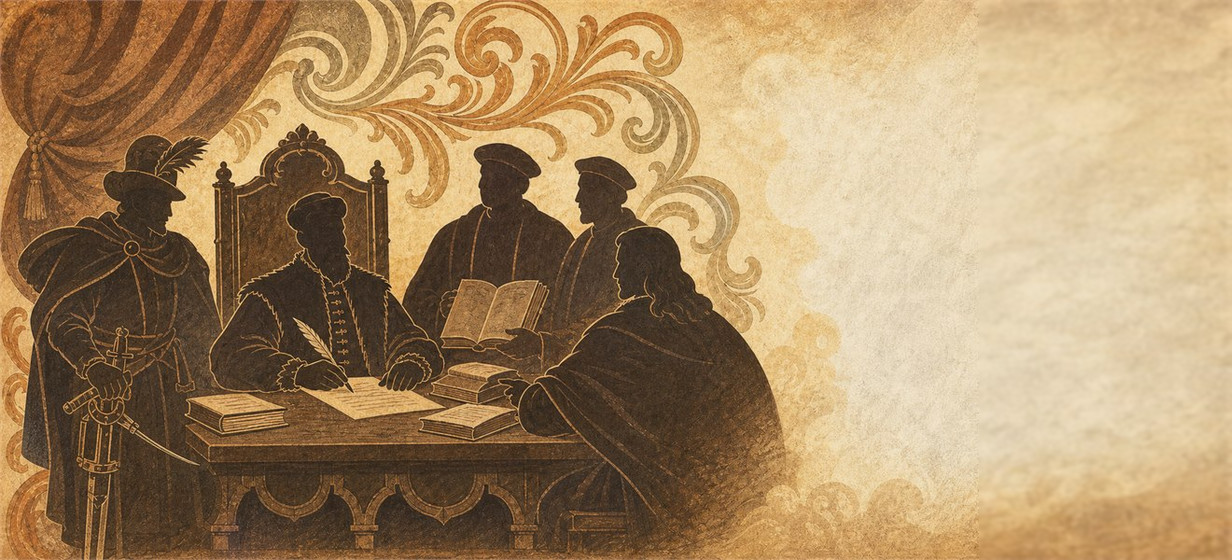
2,000 HUF banknote · Bethlen among his scholars
HUF
Hungarian Forint
5,000
5,000
HUF banknote
5,000HUF
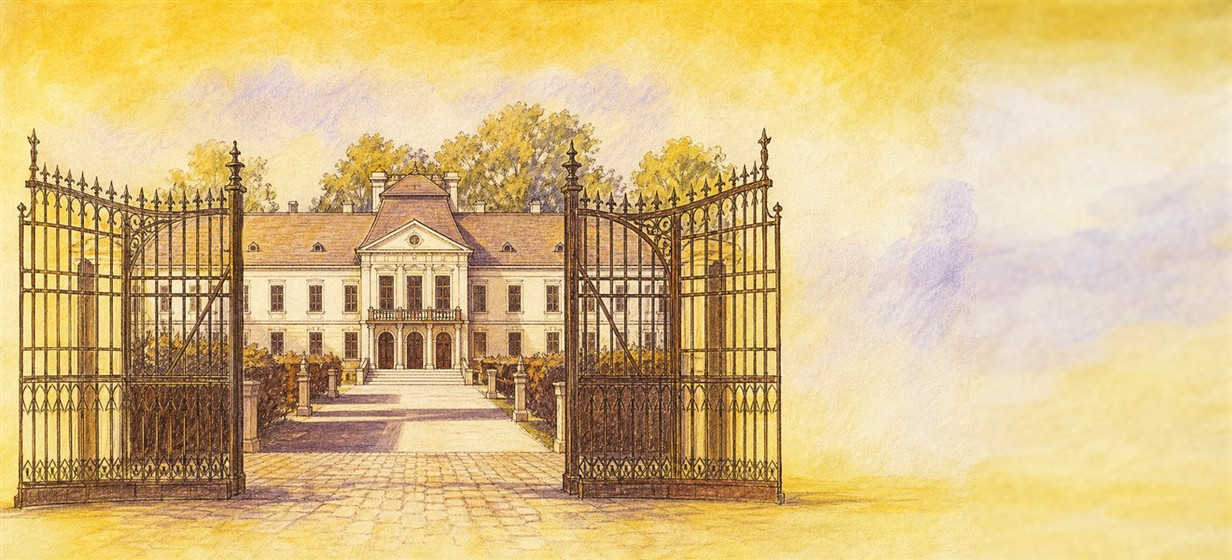
5,000 HUF banknote · Széchenyi Mansion
HUF
Hungarian Forint
10,000
10,000
HUF banknote
10,000HUF
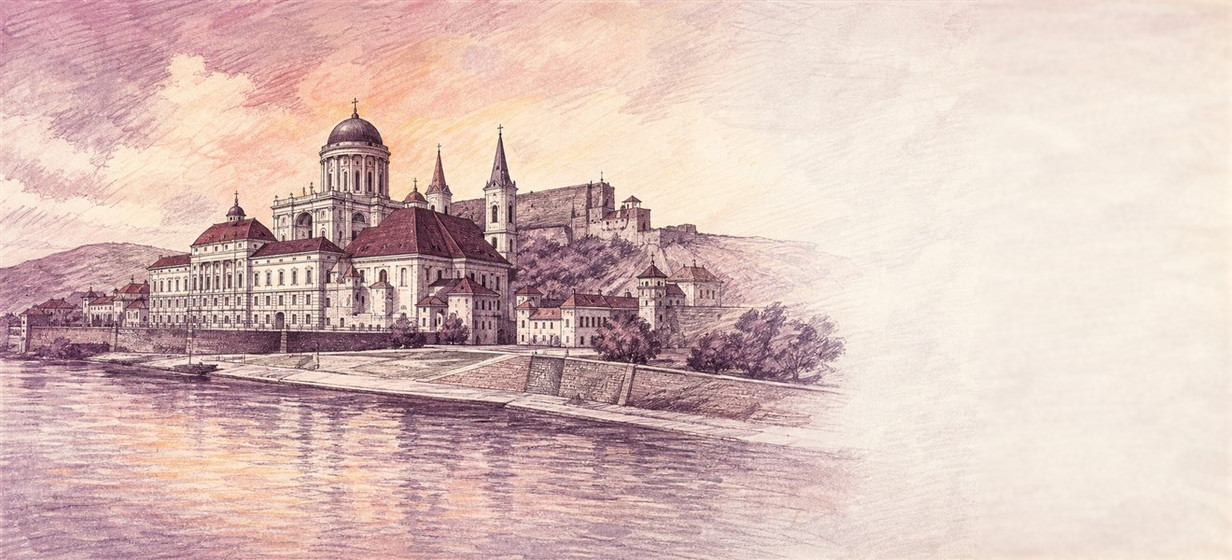
10,000 HUF banknote · View of Esztergom
HUF
Hungarian Forint
20,000
20,000
HUF banknote
20,000HUF
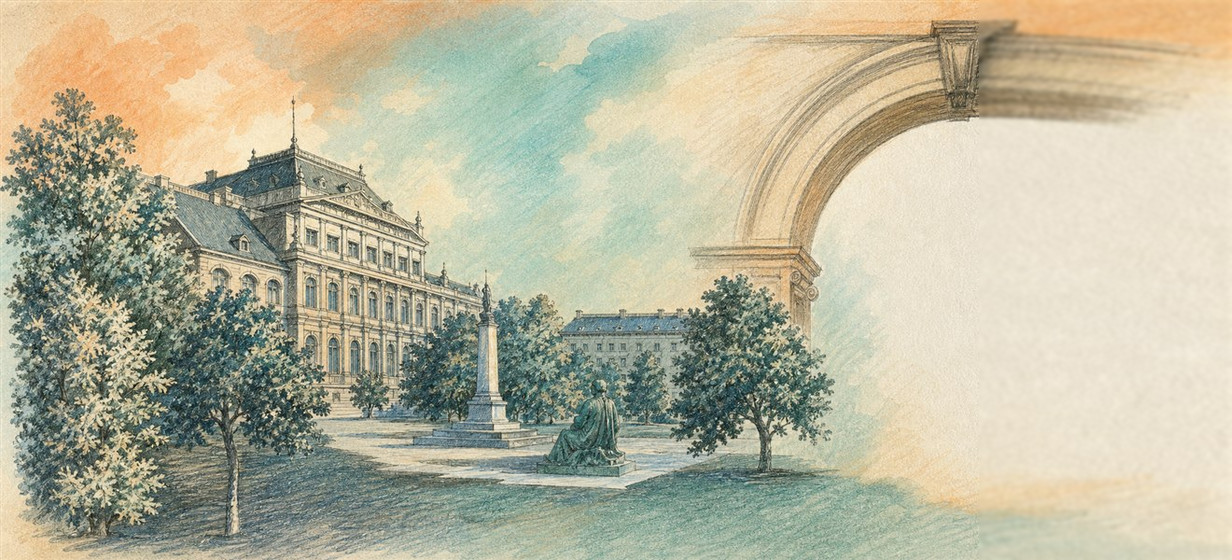
20,000 HUF banknote · Old House of Representatives
Hungary's forint notes pair rulers and statesmen with castles, fountains, mansions and parliamentary landmarks connected to their lives and eras. Cash by Country artwork is an original, simplified interpretation and is not legal tender.
Six notes make a paper history book
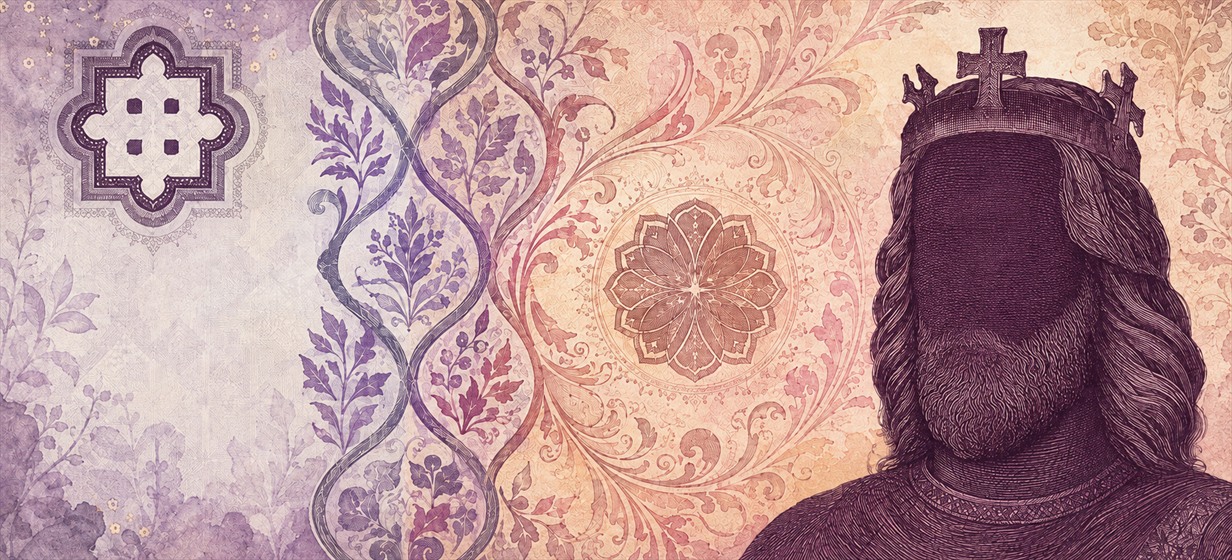
500 FTRákóczi II + Sárospatak Castle1,000 FTMatthias Corvinus + Hercules Fountain2,000 FTGábor Bethlen + his scientists5,000 FTIstván Széchenyi + Nagycenk10,000 FTSaint Stephen + Esztergom20,000 FTFerenc Deák + the old Commons
The same size makes colour do more work
Every denomination in the redesigned series measures the same 154 by 70 millimetres. Orange, blue, brown, yellow, rose and green therefore provide the first quick clue. Confirm with the large printed value, the portrait and the tactile or optical security features rather than trusting colour alone under warm restaurant lighting.
The coin set ends on the Chain Bridge
The 5-forint coin carries a great egret, the 20 carries a Hungarian iris and the 50 carries a saker falcon. The 10 shows the national coat of arms. The bicolour 100 also uses the coat of arms, while the larger bimetal 200-forint coin shows the Chain Bridge. A 200 coin is useful money, not loose-metal clutter.
Only cash totals are rounded to five forints
THE LAST DIGIT DECIDESCASH TOTALS END IN 0 OR 5
Ends in 1 or 2Round down to 0
Ends in 3 or 4Round up to 5
Ends in 6 or 7Round down to 5
Ends in 8 or 9Round up to 10
One item can still end in any number
The rounding happens to the invoice total, not to each shelf price. A basket can contain prices ending in 1, 2, 3 or 4 forint. Pay with cash and only the final sum moves to the nearest multiple of five. Pay by card and the terminal can charge the exact total because the forint remains the accounting unit.
Build change below the twenty-thousand
A 20,000-forint note is valid but can be awkward for a small pastry, market snack or single transit purchase. A calm pocket uses 500-, 1,000- and 2,000-forint notes plus 100- and 200-forint coins. Break a large note during a genuine purchase at a supermarket, hotel or larger restaurant.