
The Czech koruna is one of the first clues that a trip to Prague is not a trip into the euro area. Prices use Kč, bank screens use CZK, and everyday speech bends koruna into koruny or korun. The money is simple once those labels and its compact set of six notes and six coins are connected.
Paper money
Czech koruna notes pair national figures with warm colour changes, so the portrait and the value work together at a glance.
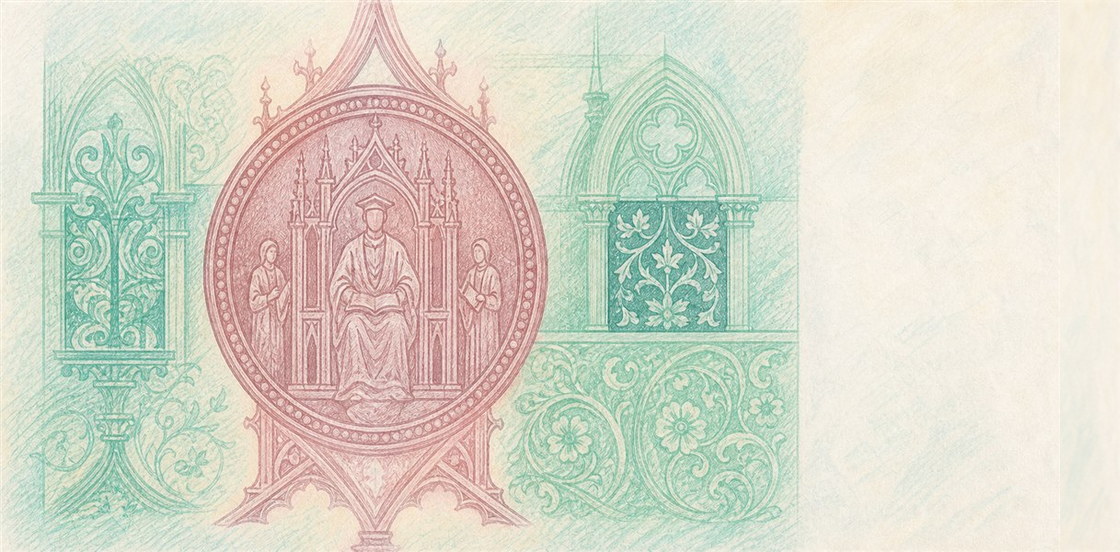
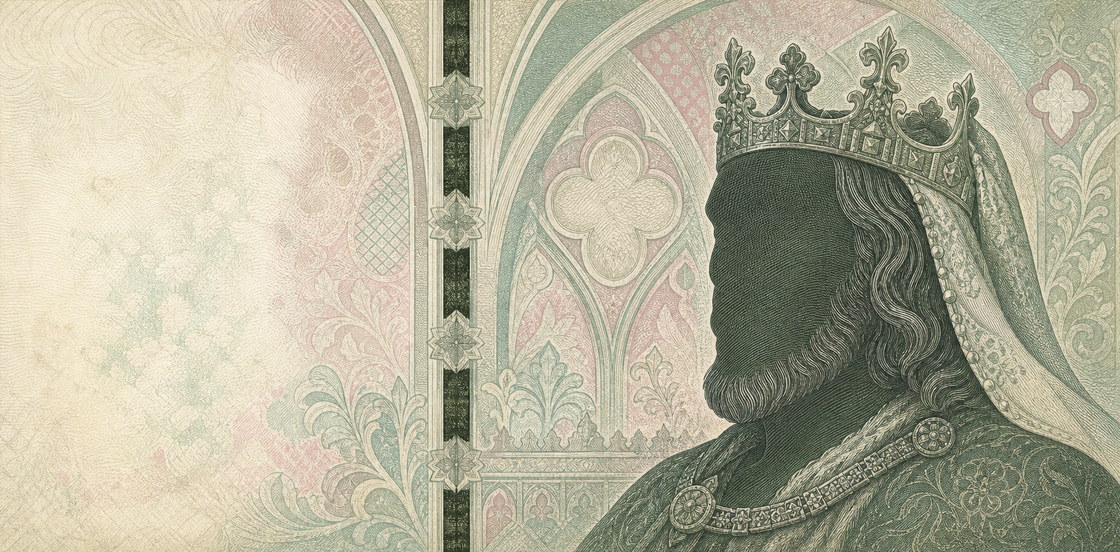

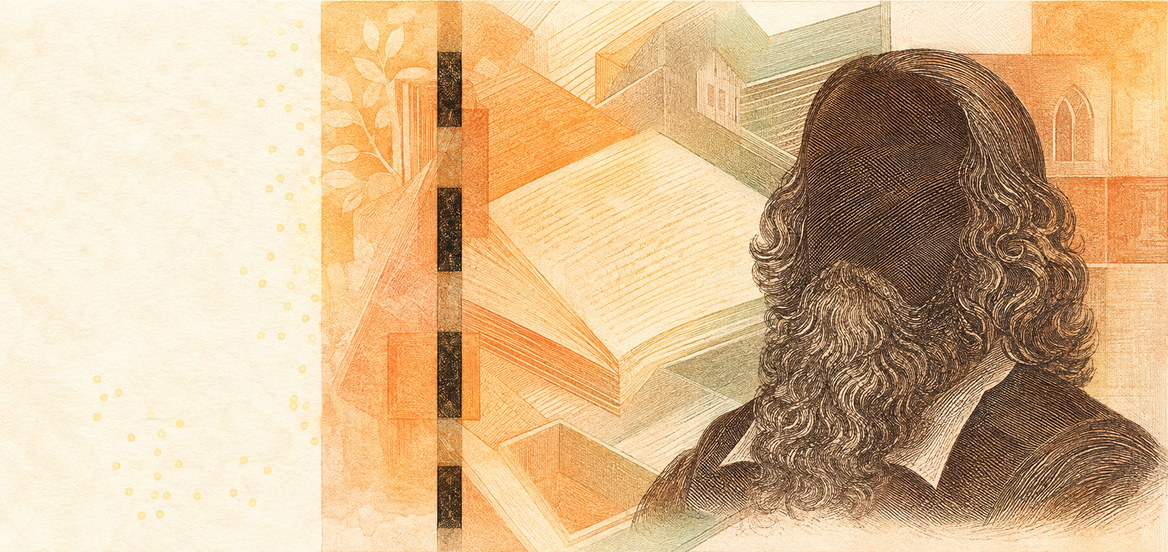
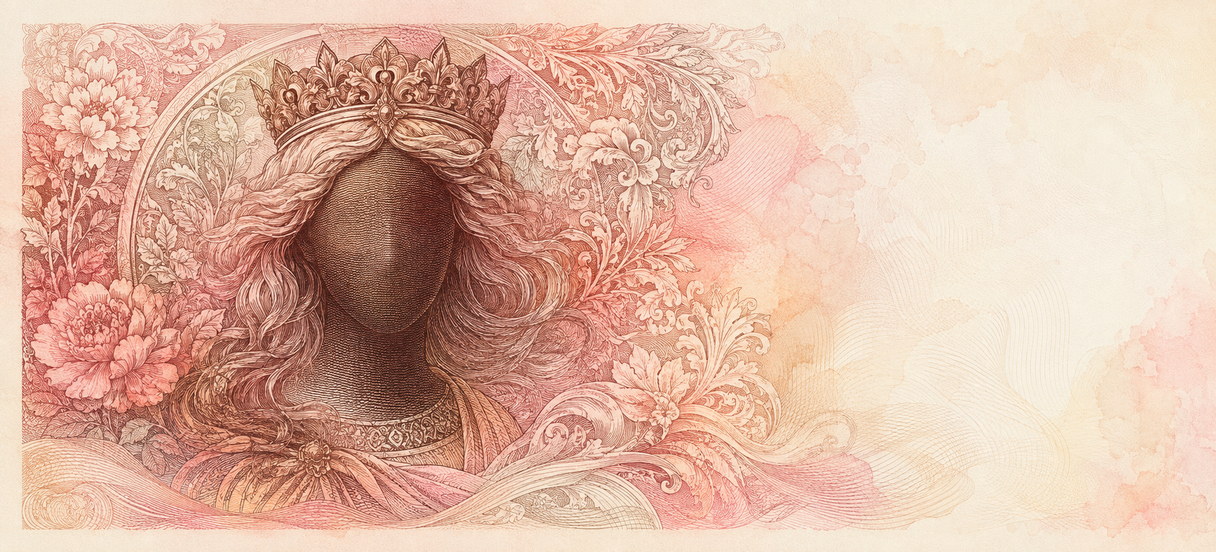
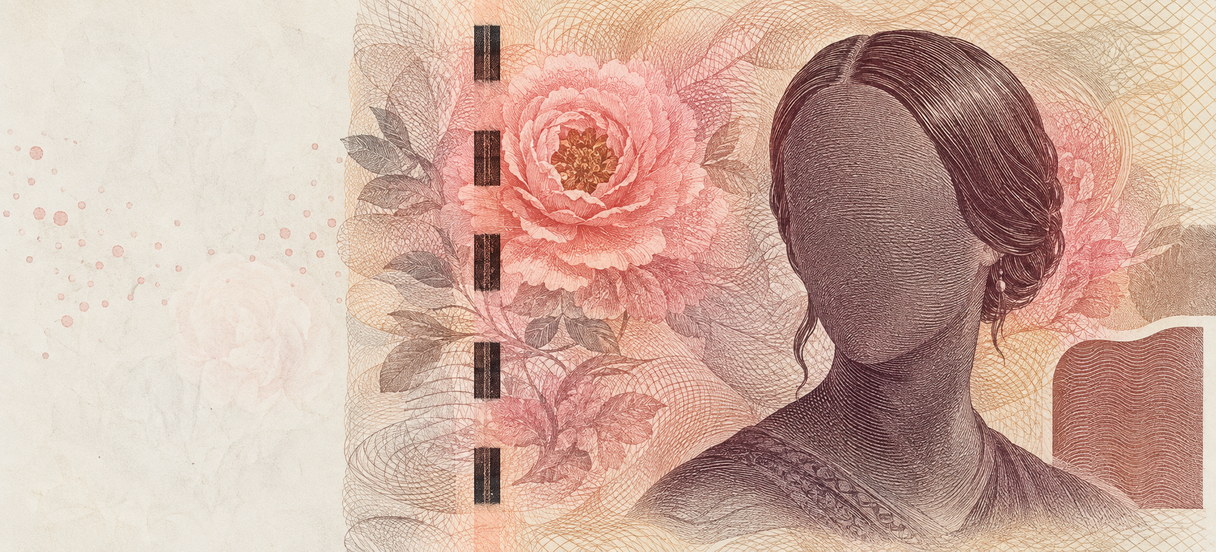

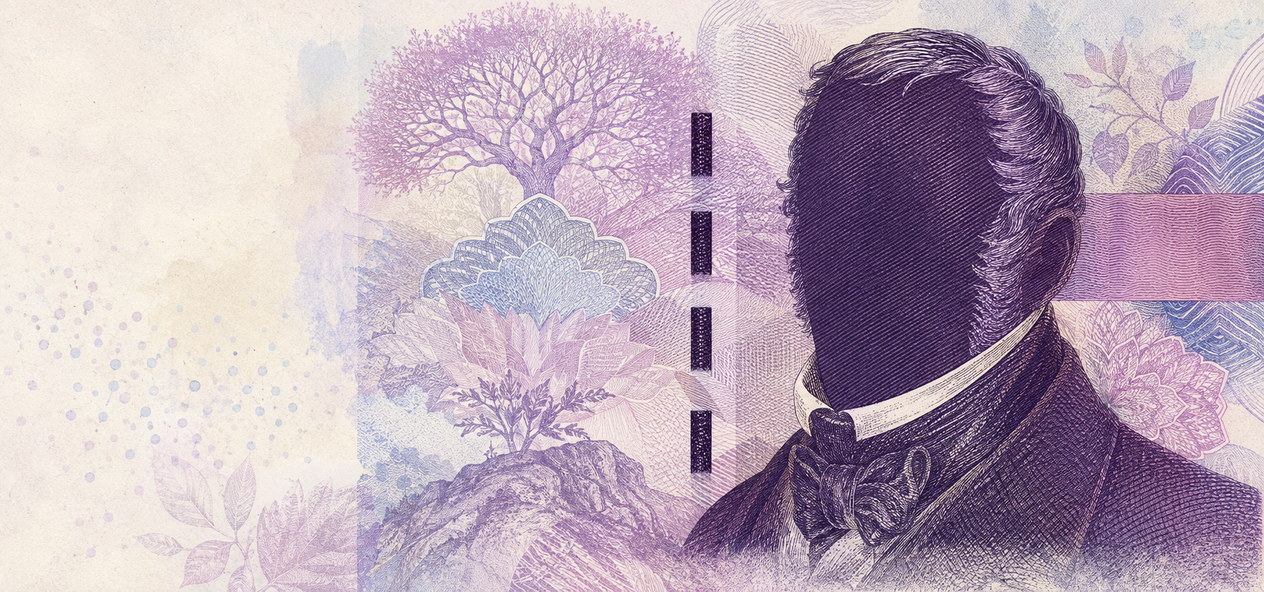
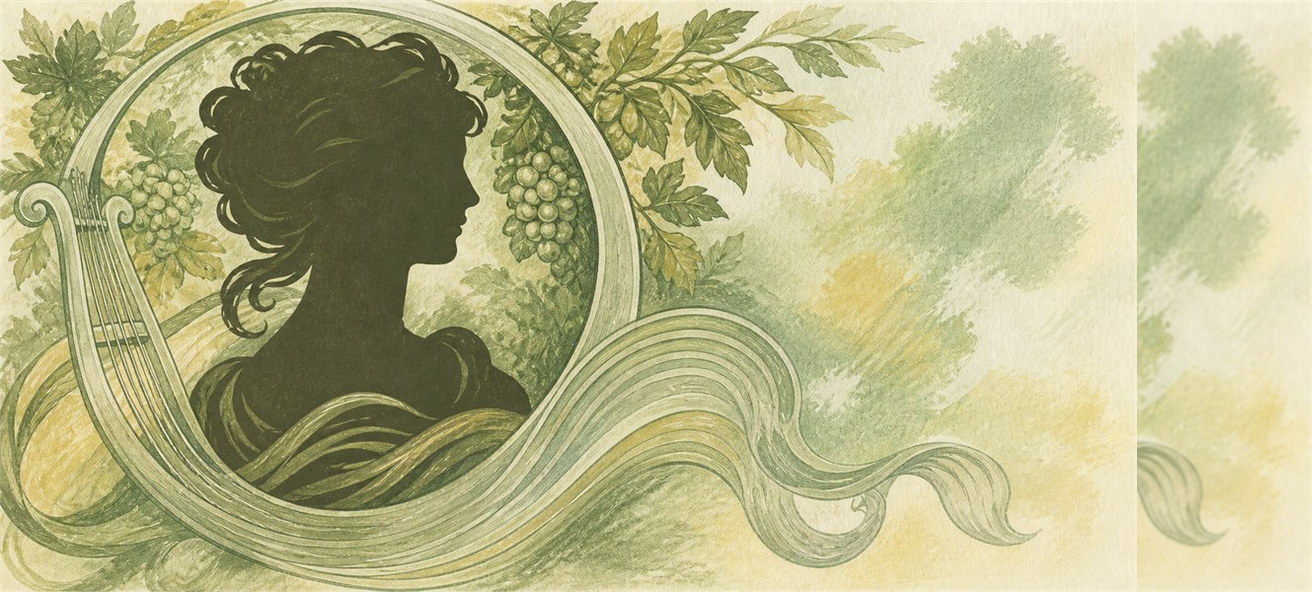
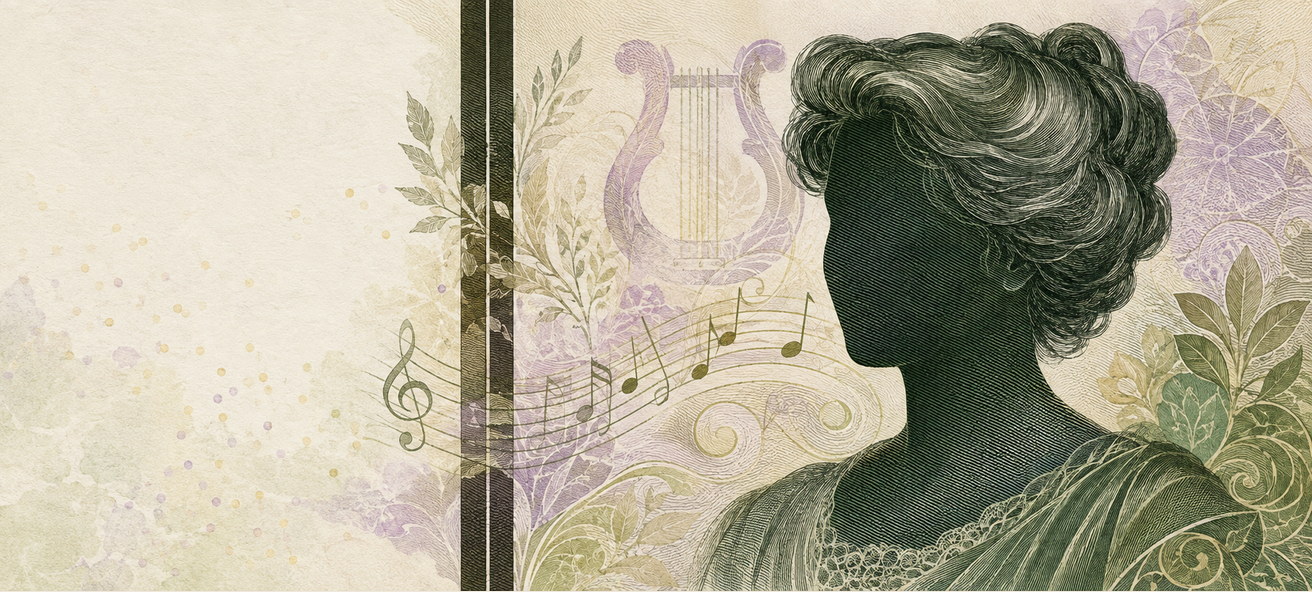

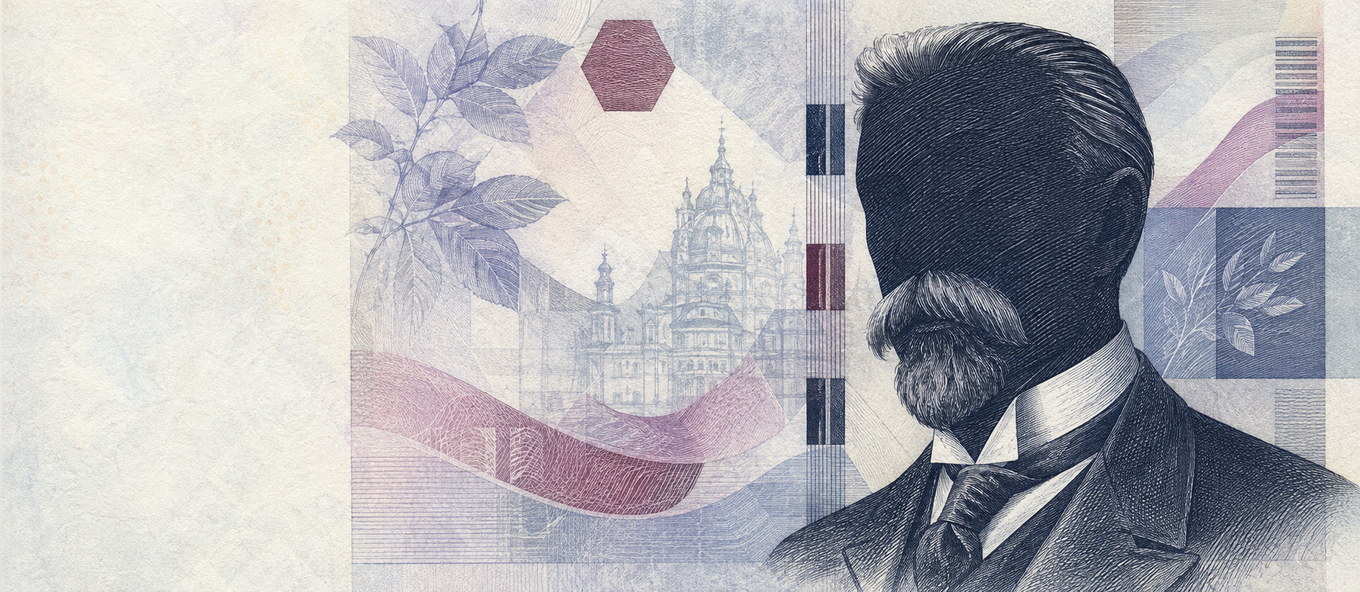
Czech koruna notes bring together major figures, universities, heraldry, music and Prague landmarks in one of Europe's most portrait-led wallets. Cash by Country artwork is an original, simplified interpretation and is not legal tender.
Three labels unlock the price
The euro is nearby, not local
Czechia joined the European Union in 2004 but remains outside the euro area and its koruna is not in ERM II. Some tourist businesses may accept euros, yet the shop can set its own exchange rate and return change in koruna. A clearly priced CZK payment is the cleaner default.
Six notes form a colour ladder
The circulation banknotes rise through 100, 200, 500, 1,000, 2,000 and 5,000 Kč. Green, orange, rose, violet, green and grey help separate them at a glance, while the large denomination and security features should make the final identification. The largest note is valuable enough to be awkward for a tiny purchase, so keep smaller paper nearby.
The largest everyday coin is fifty
The coin set is 1, 2, 5, 10, 20 and 50 Kč. That 50-koruna bimetal piece can cover a useful everyday amount, so Czech pockets often carry more spending power than their size suggests. Count the denomination rather than assuming every gold-toned or silver-toned piece has the same value.
Halers survive on labels
One koruna still equals 100 halers in law and accounting. The tiny coins have disappeared from daily cash, however. A shelf label can retain decimals while the final cash amount is rounded to a whole koruna. Card payments can settle the exact total, because no physical coin has to be found.
Build change before the small counter
A 100- or 200-koruna note, 20- and 50-koruna coins and a few smaller pieces make a practical pocket. Use a supermarket, staffed station or larger cafe to break a 1,000-koruna note. The 5,000 is legal money, but it is not the note to lead with for a pastry.