Turn over Croatia's euros and the pocket becomes a map: ancient script, electric genius, the animal behind the old currency and a coastline wrapped around EUR 2.
2 min readReviewed 28 July 2026
HRTESLA / KUNA / COASTHistory in eight small circles
Croatia adopted the euro in 2023. Banknotes match those used throughout the euro area, while every Croatian coin carries the red-and-white checkerboard behind one of four national motifs.
The fast pocket rule Glagolitic HR marks 1–5 cent, Nikola Tesla marks 10–50 cent, the marten that named the kuna appears on EUR 1 and a map of Croatia fills EUR 2.
See the cash
Paper money
Euro notes follow an easy architectural colour ladder - grey €5, red €10, blue €20, orange €50, green €100 and yellow €200 - wherever you spend them in Europe.
Checking the latest reference rate...
EUR
Euro
5
5
EUR banknote
5EUR
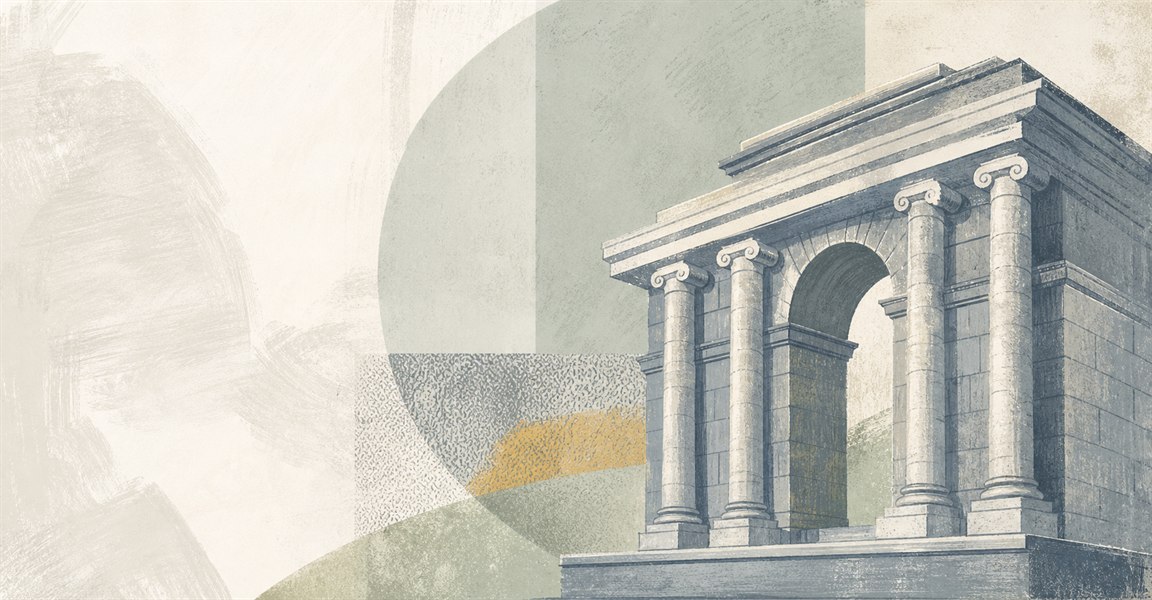
5 EUR banknote · Classical gateway
EUR
Euro
10
10
EUR banknote
10EUR
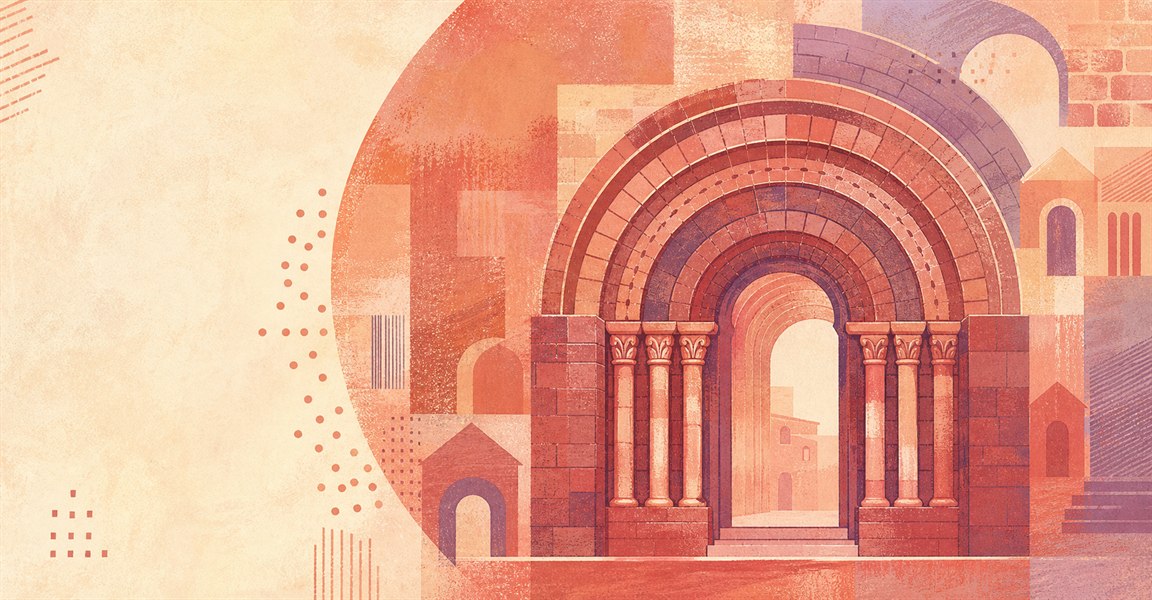
10 EUR banknote · Romanesque arch
EUR
Euro
20
20
EUR banknote
20EUR
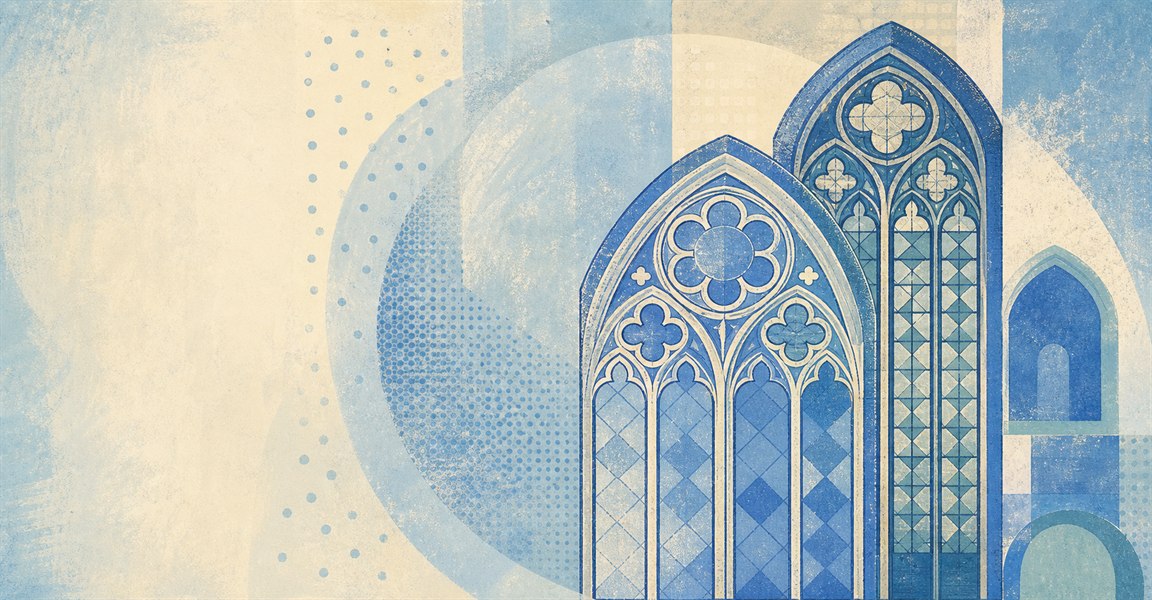
20 EUR banknote · Gothic windows
EUR
Euro
50
50
EUR banknote
50EUR
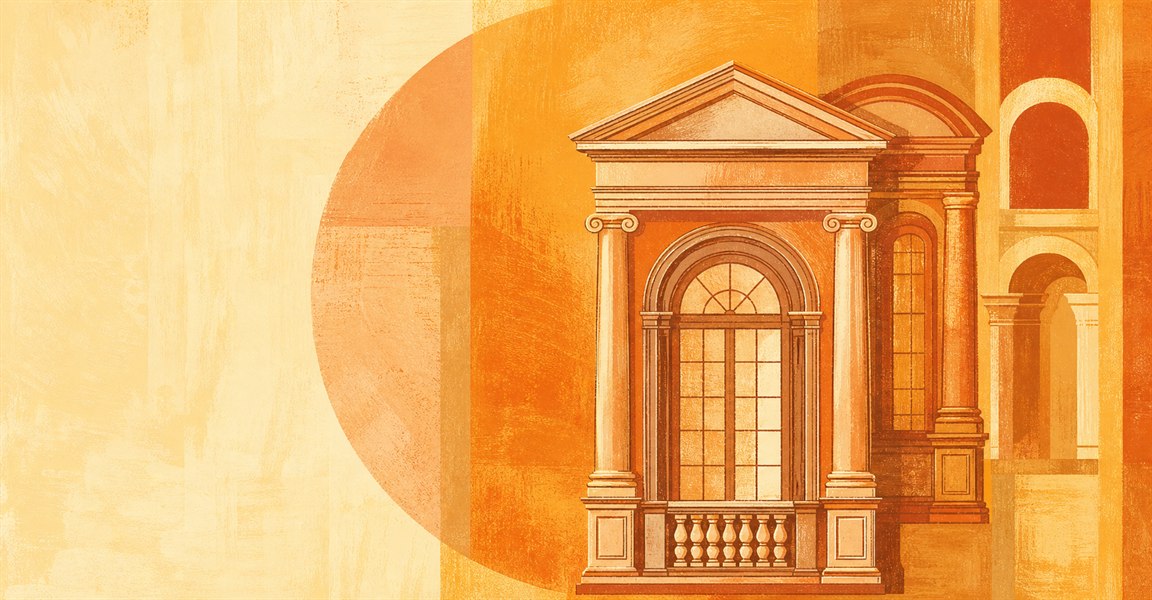
50 EUR banknote · Renaissance window
EUR
Euro
100
100
EUR banknote
100EUR
100 EUR banknote · Baroque gateway
EUR
Euro
200
200
EUR banknote
200EUR
200 EUR banknote · Iron and glass
EUR
Euro
500
500
EUR banknote
500EUR
500 EUR banknote · Modern glass and steelOlder series · no longer issued
The euro banknote theme is imagined European architecture rather than real monuments: windows and gateways move from classical to modern styles, while bridges on the reverse suggest connection. Cash by Country artwork is an original, simplified interpretation and is not legal tender.
Read the national side as four chapters
1–5 cent: Glagolitic HRCroatia's initials appear in the angular form of the oldest known Slavic script.
10–50 cent: Nikola TeslaThe inventor and engineer associated with alternating-current technology was born in Smiljan.
EUR 1: the martenThe animal is called kuna in Croatian and preserves the name of the former currency.
EUR 2: Croatia and freedomThe map sits over the checkerboard; the edge carries a poetic line celebrating freedom.
The kuna survives without being spendableKuna coins can no longer be exchanged after 31 December 2025, but the old currency's animal has a permanent new home on EUR 1.
What to do with old kuna in 2026
Croatian National Bank still exchanges kuna banknotes without a time limit at the fixed conversion rate of EUR 1 = HRK 7.53450. The deadline for kuna coins passed at the end of 2025. Do not offer either at a shop or restaurant.
The note colors are the quickest sort
Note
Main color
Travel job
EUR 5
Grey
Cafes and small island purchases
EUR 10
Red
Markets, tips and simple meals
EUR 20
Blue
The most useful everyday note
EUR 50
Orange
Larger meals and protected reserve
EUR 100/200
Green/yellow-brown
Legal but awkward for ordinary coastal spending
Recognition is not authentication
Use our artwork for color and denomination. For real cash, feel raised print, look for the watermark and security thread, then tilt for the hologram and changing number effects.