Money in Canada

Meet the loonie, toonie and missing penny, then learn why a C$20 price tag is not always a C$20 bill and how Toronto, Vancouver and Montreal each speak a different tap language.

Canada puts a loon in the pocket, leaves tax off many price tags and gives the same bank card a different job in every city.

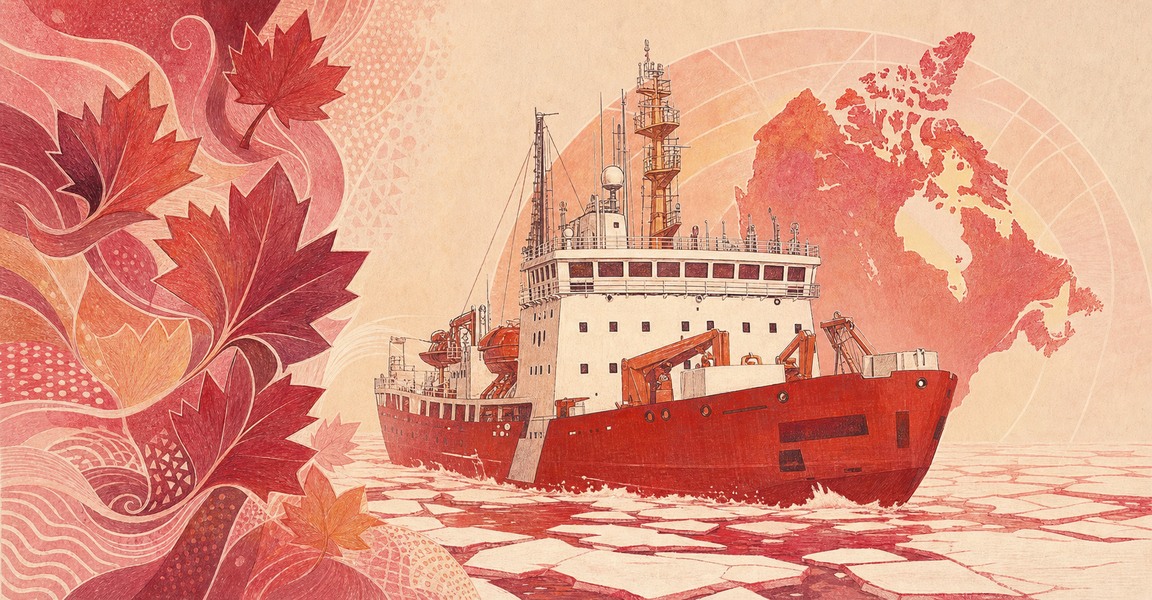
Original illustrated travel scene for {country}
CurrencyCanadian dollar
Pocket celebritiesLoonie + toonie
Smallest daily coin5 cents
Price-tag warningTax usually comes later
Restaurant tip15-20% before tax
The quick answer

Should you carry cash in Canada?

Use a low-fee Visa or Mastercard for most spending, keep a separate backup and carry a small mix of C$5, 10 and 20 notes plus loonies and toonies. Choose CAD at terminals and ATMs.

Canada is easy to pay in, but its small print has personality. Sales tax usually arrives at checkout, cash totals round because the penny is gone, Interac is a Canadian debit system and restaurant tips are best calculated from the pre-tax subtotal.

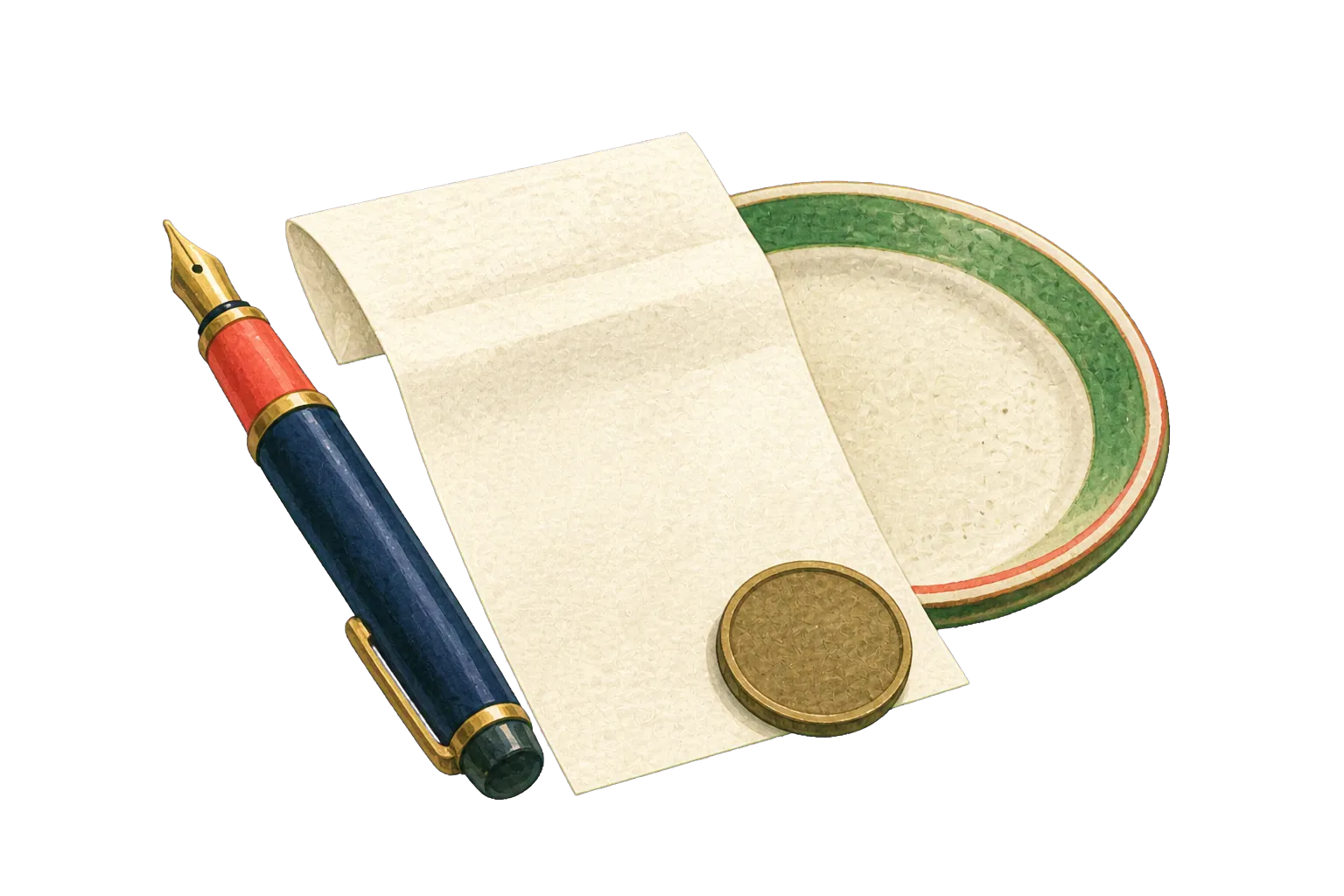
Let the coins introduce themselvesThe gold-coloured loonie and bimetal toonie turn C$1 and C$2 into the two most Canadian words in the wallet.
Add the province before the purchaseA C$100 item becomes C$105 in Alberta, C$113 in Ontario and almost C$115 in Quebec.
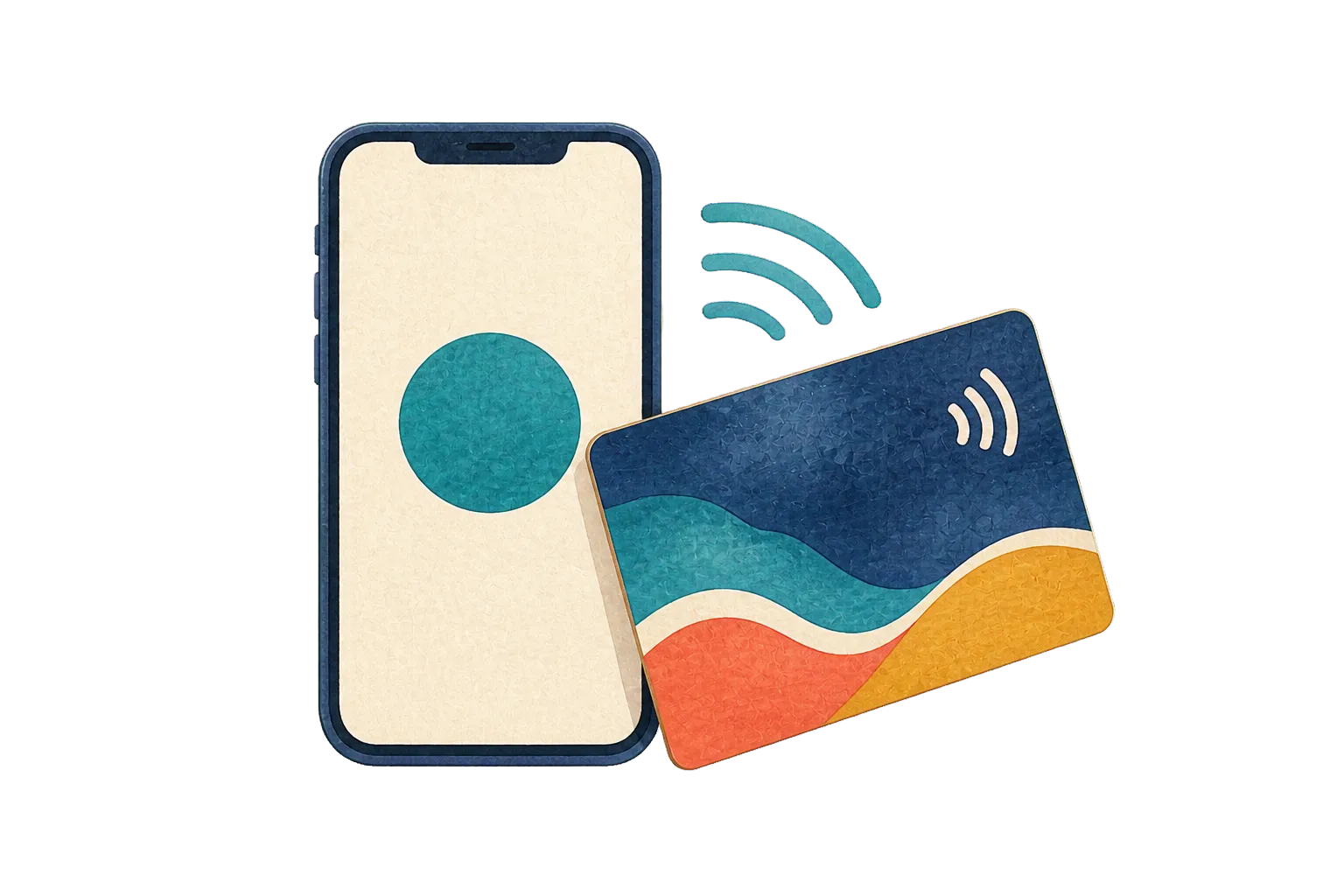
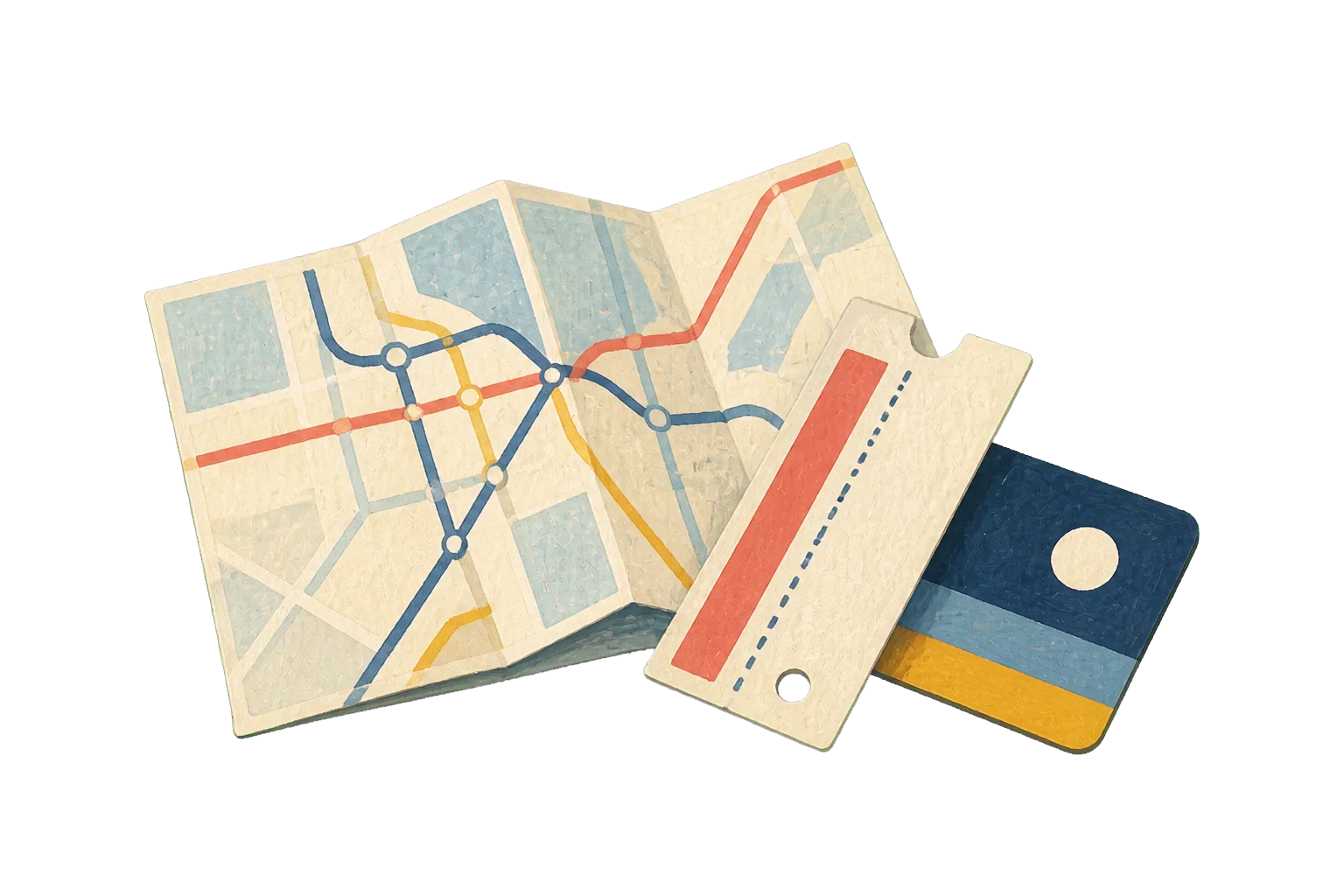
Teach one card three transit verbsToronto says keep tapping, Vancouver says remember the exit, and Montreal says buy the fare product first.
Pocket converter

Turn an amount into cash

Choose your currency. CAD stays locked to this guide.

From
To
CAD Canadian Dollar Canada Guide currency
Checking the latest rate…
Source desk

The Canada source desk

Sources include the Bank of Canada, Royal Canadian Mint, Canada Revenue Agency, Interac and the official transit authorities in Toronto, Vancouver and Montreal.