Bulgaria joined the euro area in 2026, but its coins did not arrive empty. A medieval horseman, a mountain saint and a national-revival writer carried Bulgarian identity into the new currency.
3 min readReviewed 28 July 2026
2026HORSEMAN / SAINT / HISTORIANThe newest face of the euro
Bulgaria adopted the euro on 1 January 2026. Its banknotes are the same notes used throughout the euro area; the national story lives on one side of the coins. All eight Bulgarian circulation coins use Cyrillic lettering and preserve images familiar from the former lev coin series.
The fast pocket rule Euro notes sort by color. Bulgarian cents show the Madara Horseman, EUR 1 shows Saint Ivan of Rila and EUR 2 shows Saint Paisius of Hilendar.
See the cash
Paper money
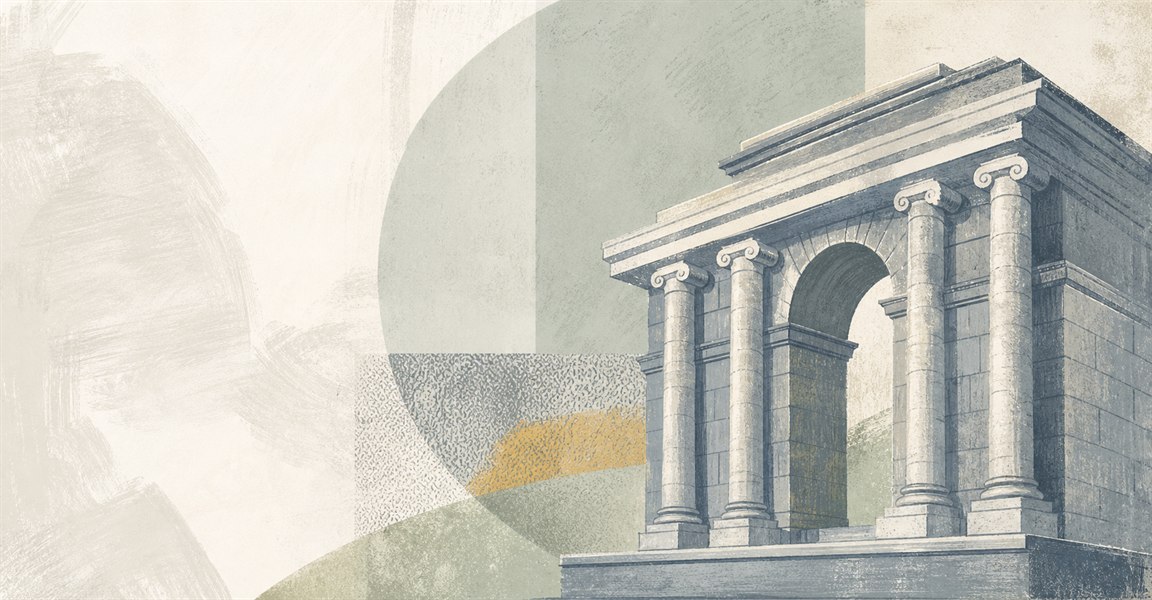
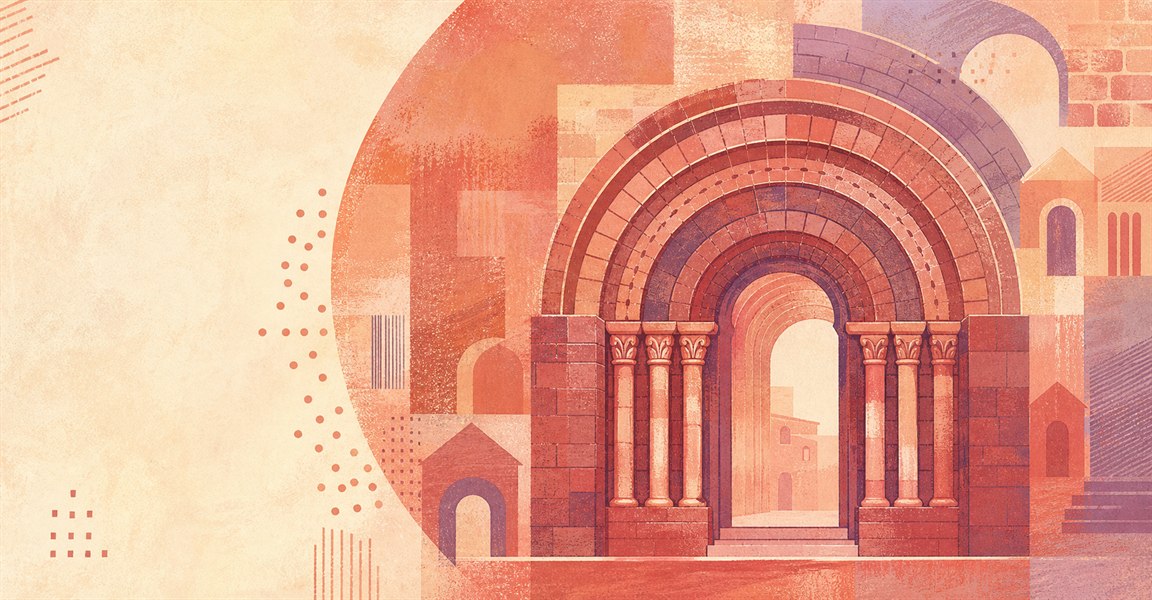
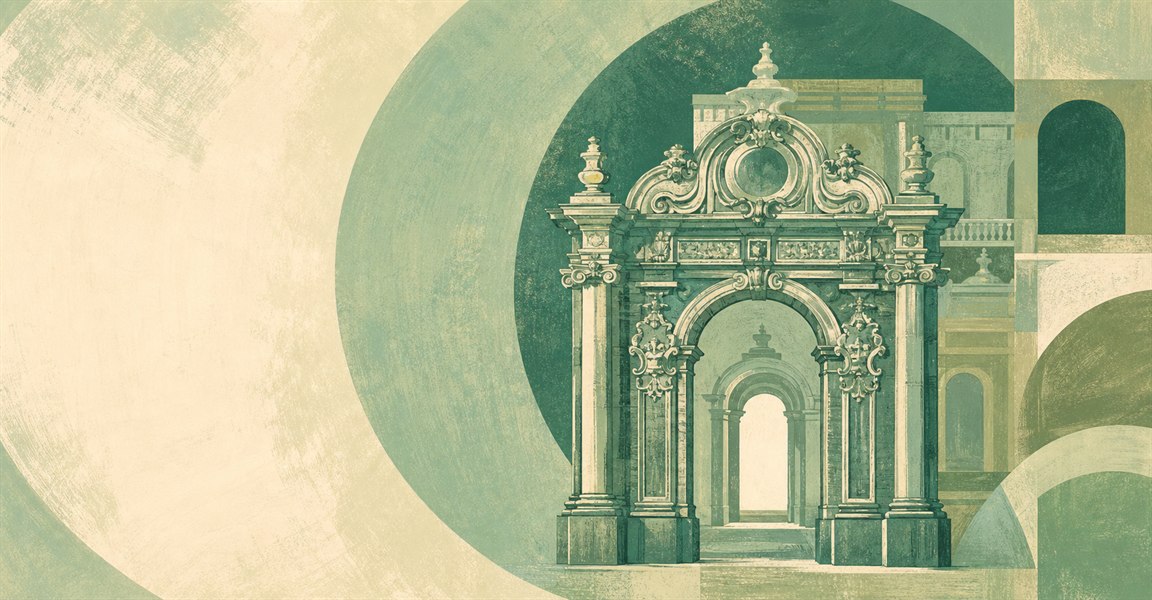
Euro notes follow an easy architectural colour ladder - grey €5, red €10, blue €20, orange €50, green €100 and yellow €200 - wherever you spend them in Europe.
Checking the latest reference rate...
EUR
Euro
5
5
EUR banknote
5EUR
5 EUR banknote · Classical gateway
EUR
Euro
10
10
EUR banknote
10EUR
10 EUR banknote · Romanesque arch
EUR
Euro
20
20
EUR banknote
20EUR
20 EUR banknote · Gothic windows
EUR
Euro
50
50
EUR banknote
50EUR
50 EUR banknote · Renaissance window
EUR
Euro
100
100
EUR banknote
100EUR
100 EUR banknote · Baroque gateway
EUR
Euro
200
200
EUR banknote
200EUR
200 EUR banknote · Iron and glass
EUR
Euro
500
500
EUR banknote
500EUR
500 EUR banknote · Modern glass and steelOlder series · no longer issued
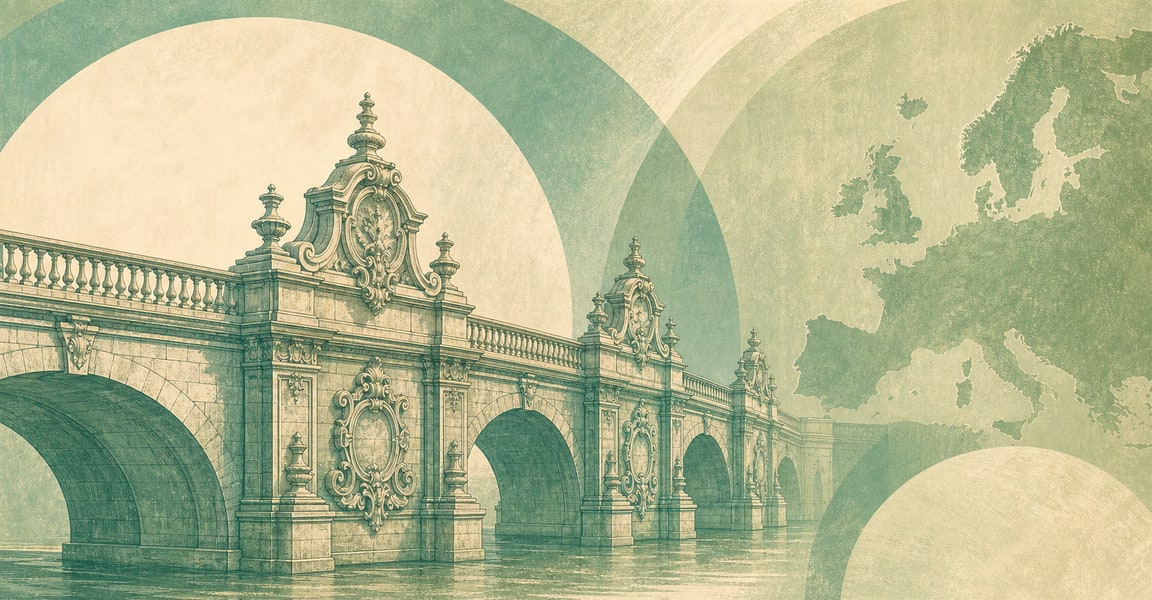
The euro banknote theme is imagined European architecture rather than real monuments: windows and gateways move from classical to modern styles, while bridges on the reverse suggest connection. Cash by Country artwork is an original, simplified interpretation and is not legal tender.
Three designs tell one long story
1–50 cent: Madara HorsemanAn eighth-century rock relief and UNESCO World Heritage symbol rides across all six cent denominations.
EUR 1: Saint Ivan of RilaBulgaria's patron saint and founder of Rila Monastery holds a cross and scroll.
EUR 2: Saint PaisiusThe monk and author linked to Bulgaria's national revival appears on the highest circulation coin.
Cyrillic is part of the designLook for БЪЛГАРИЯ, ЕВРО, СТОТИНКА and СТОТИНКИ on the national side.
The images intentionally continue motifs from Bulgaria's former circulation coins. The metal, size and common European side changed to euro standards; the cultural memory did not.
A Bulgarian coin works far beyond BulgariaIts national side may be new, but it is ordinary euro cash. Spend it anywhere euro coins are accepted across the euro area.
The note colors do the quickest sorting
Note
Main color
Best travel job
EUR 5
Grey
Cafes, small tips and market purchases
EUR 10
Red
Lunch, simple tickets and daily gaps
EUR 20
Blue
The most flexible general-purpose note
EUR 50
Orange
Larger meals, groceries and a protected reserve
EUR 100
Green
Planned larger purchases where acceptance is clear
EUR 200
Yellow-brown
Legal, but awkward for everyday travel spending
Do not confuse circulation coins with collector euros
The Bulgarian National Bank can issue collector euro coins in unusual denominations and precious metals. Those pieces may be legal tender only in Bulgaria and are not designed for ordinary change. The eight standard circulation denominations are the coins to learn for travel.
Old lev is history, not spending money
Lev notes and coins stopped being legal tender on 1 February 2026. Keep any old currency separate and take it to an official exchange route. The fixed conversion is EUR 1 = BGN 1.95583; a souvenir shop or restaurant is not the place to improvise a rate.
Recognition is not authentication
Our illustrations teach color, denomination and visual rhythm. For a real euro note, feel the raised print, look for the watermark and security thread, then tilt for the hologram and changing number effects.