Andorra shares Europe's banknotes, then tells its own mountain story across four groups of national coin designs.
2 min readReviewed 28 July 2026
4Wildlife, church, parliament, crestFour Faces of the Pyrenees
The euro arrived in Andorra in 2002, replacing the French franc and Spanish peseta that had circulated side by side. A monetary agreement with the European Union later gave the principality the right to issue its own coins, and the first Andorran euros entered circulation in 2014.
The quick answer Euro banknotes are the shared euro-area designs. Andorran coins are local on one side: mountain wildlife on 1, 2 and 5 cent; Santa Coloma church on 10, 20 and 50 cent; Casa de la Vall on EUR 1; and the national coat of arms on EUR 2. They remain ordinary legal tender throughout the euro area.
Meet the EUR
Paper money
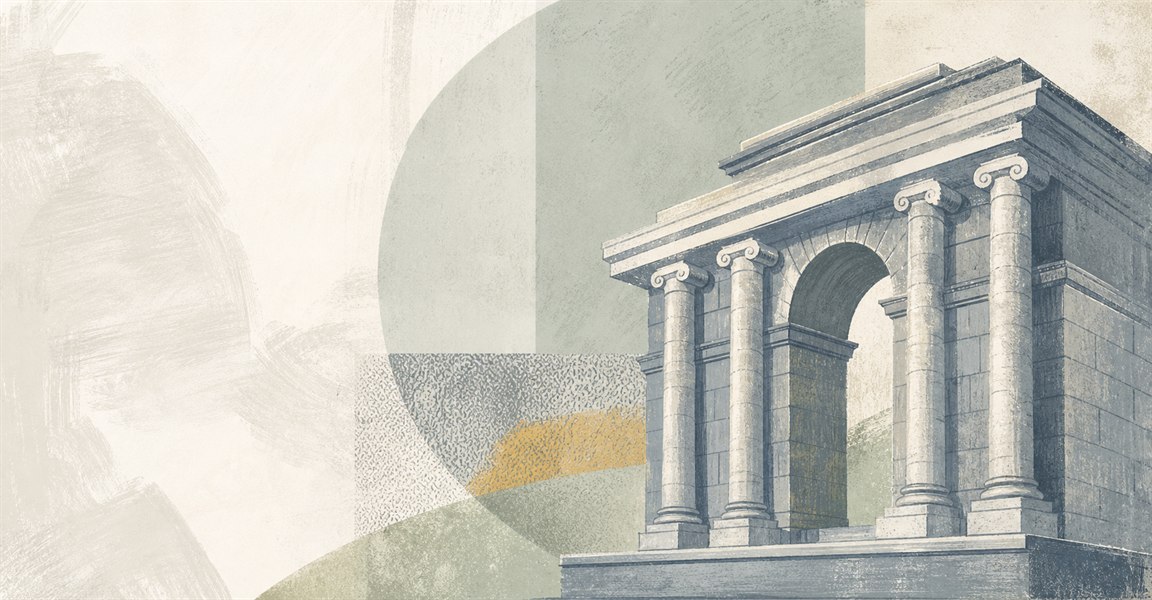
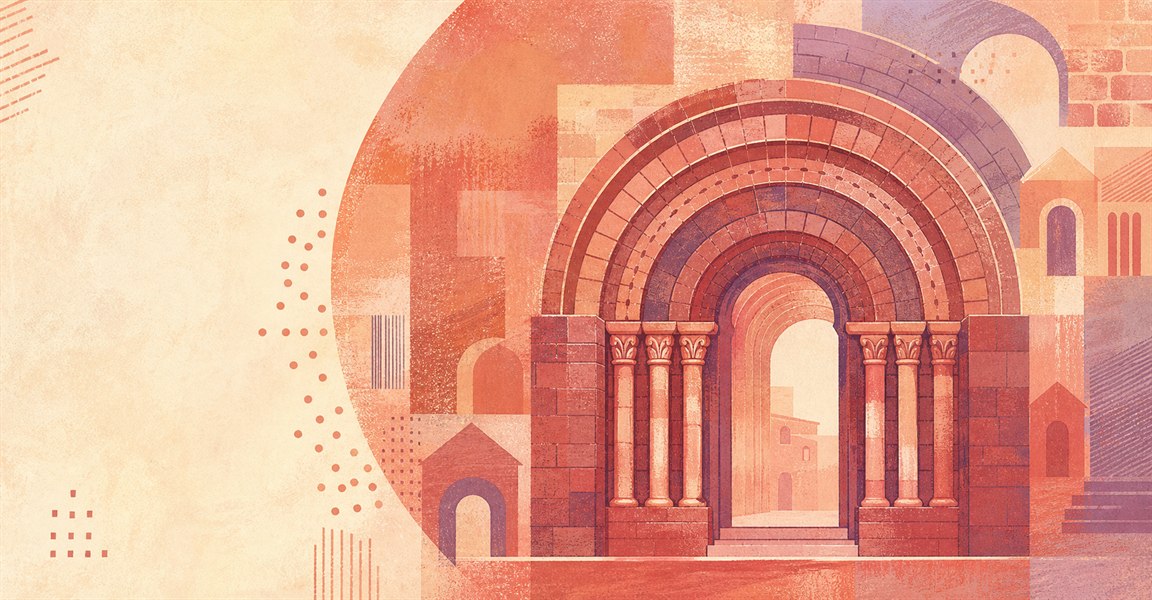
Euro notes follow an easy architectural colour ladder - grey €5, red €10, blue €20, orange €50, green €100 and yellow €200 - wherever you spend them in Europe.
Checking the latest reference rate...
EUR
Euro
5
5
EUR banknote
5EUR
5 EUR banknote · Classical gateway
EUR
Euro
10
10
EUR banknote
10EUR
10 EUR banknote · Romanesque arch
EUR
Euro
20
20
EUR banknote
20EUR
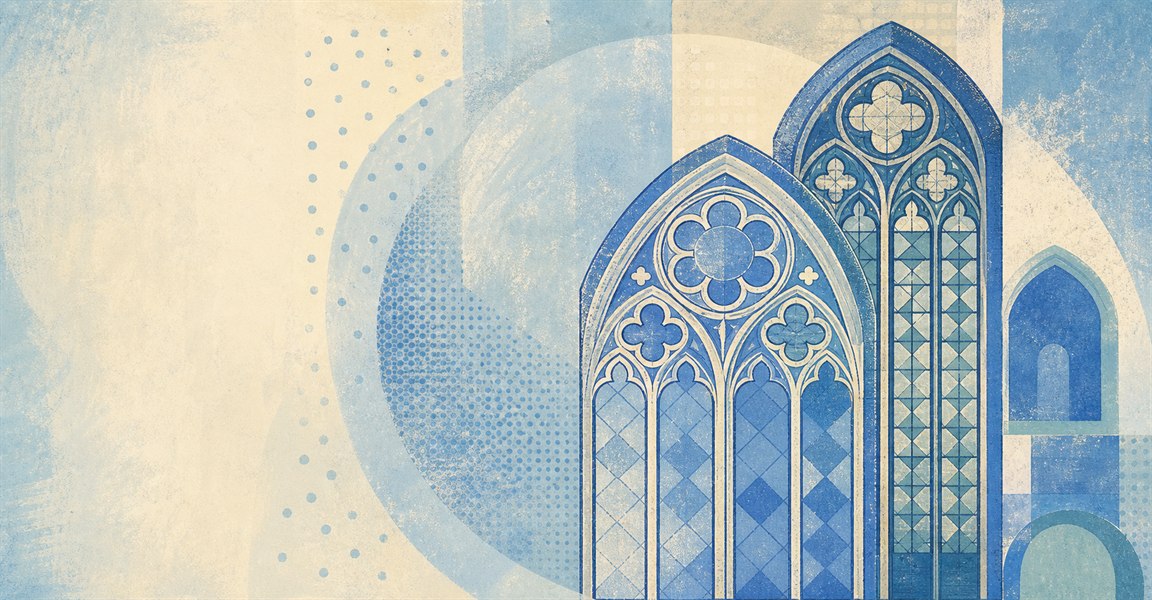
20 EUR banknote · Gothic windows
EUR
Euro
50
50
EUR banknote
50EUR
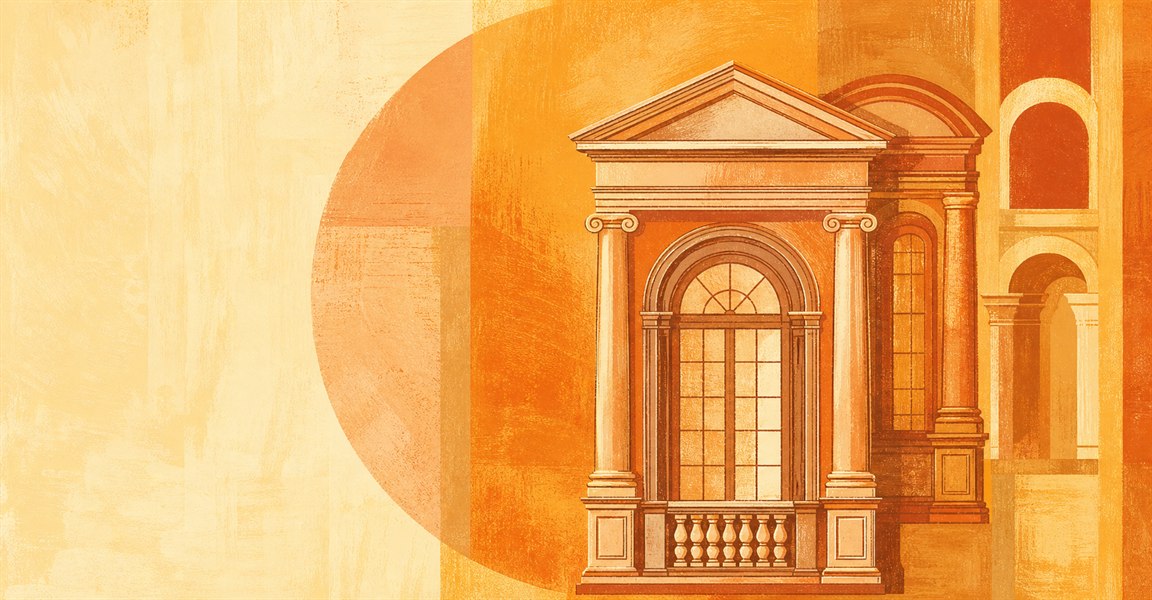
50 EUR banknote · Renaissance window
EUR
Euro
100
100
EUR banknote
100EUR
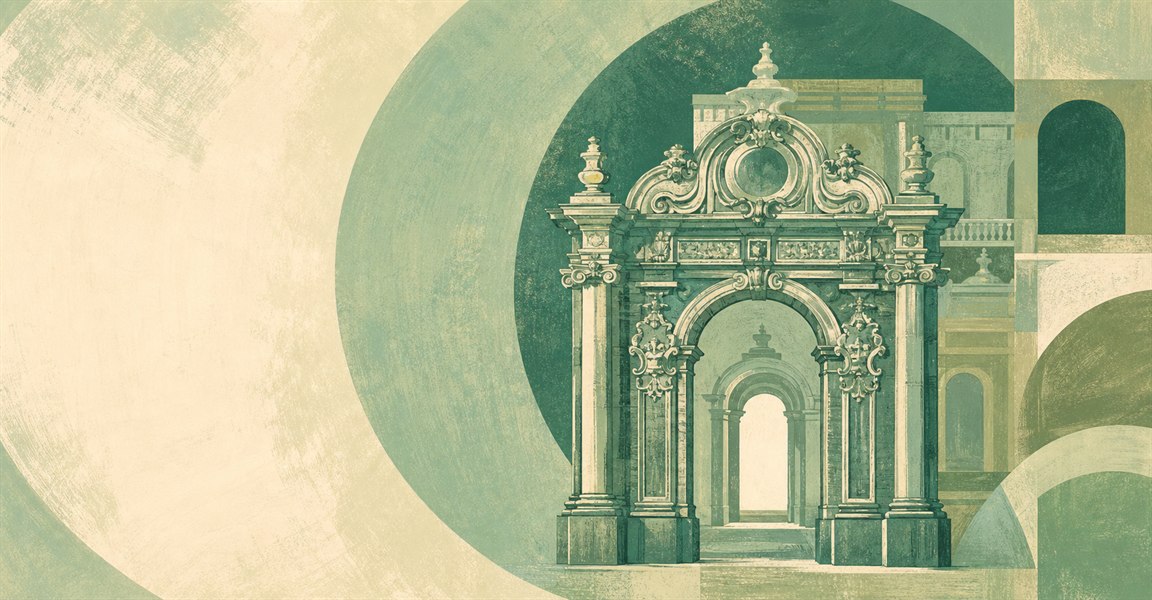
100 EUR banknote · Baroque gateway
EUR
Euro
200
200
EUR banknote
200EUR
200 EUR banknote · Iron and glass
EUR
Euro
500
500
EUR banknote
500EUR
500 EUR banknote · Modern glass and steelOlder series · no longer issued
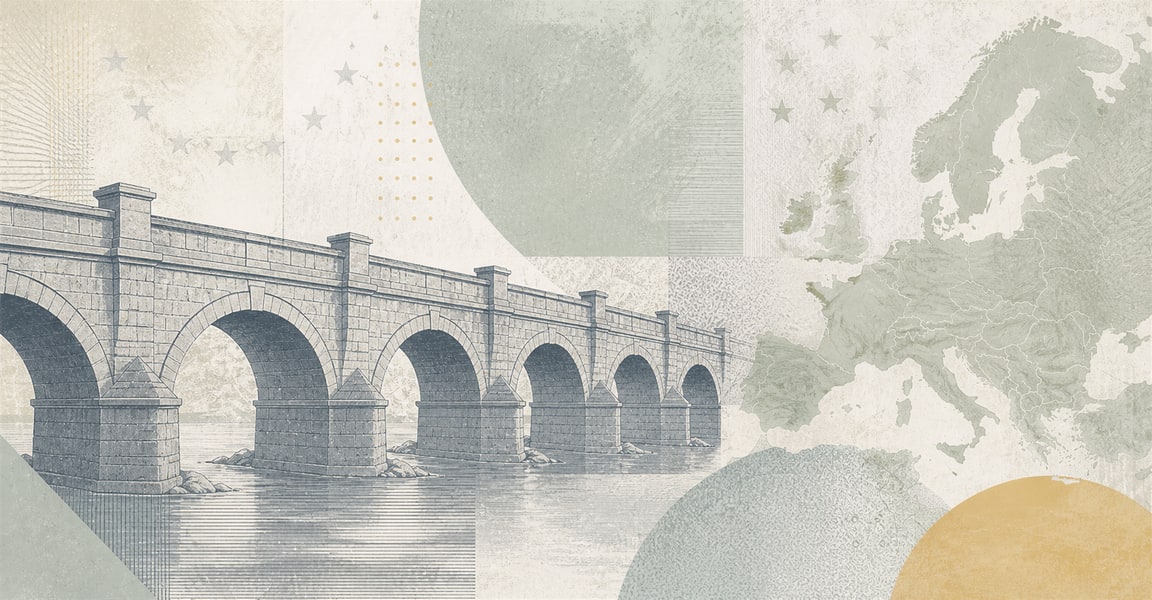
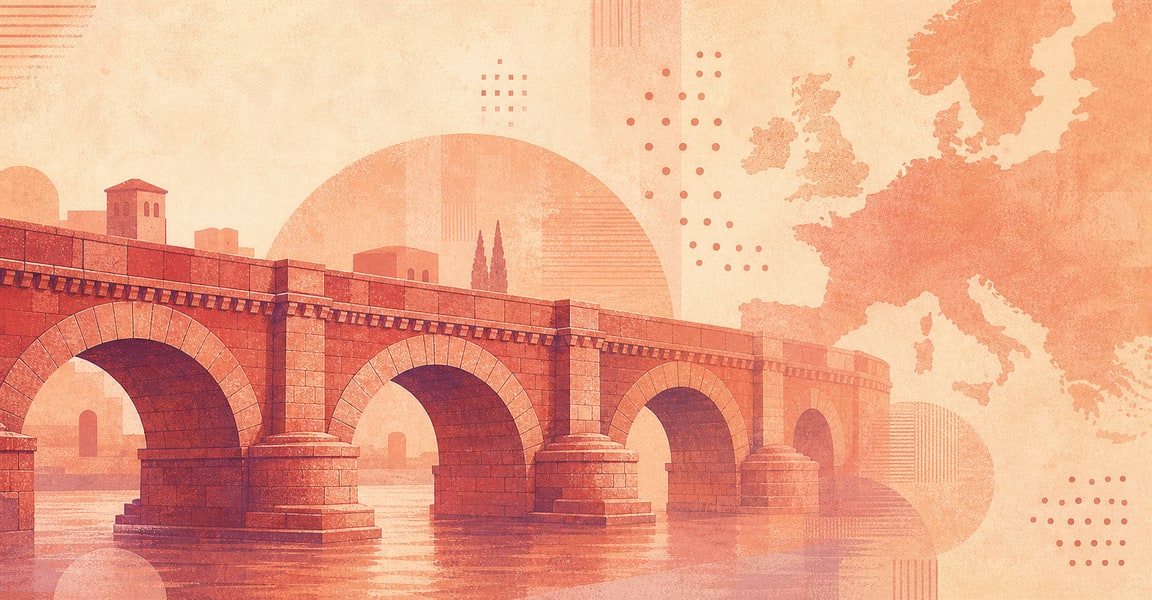
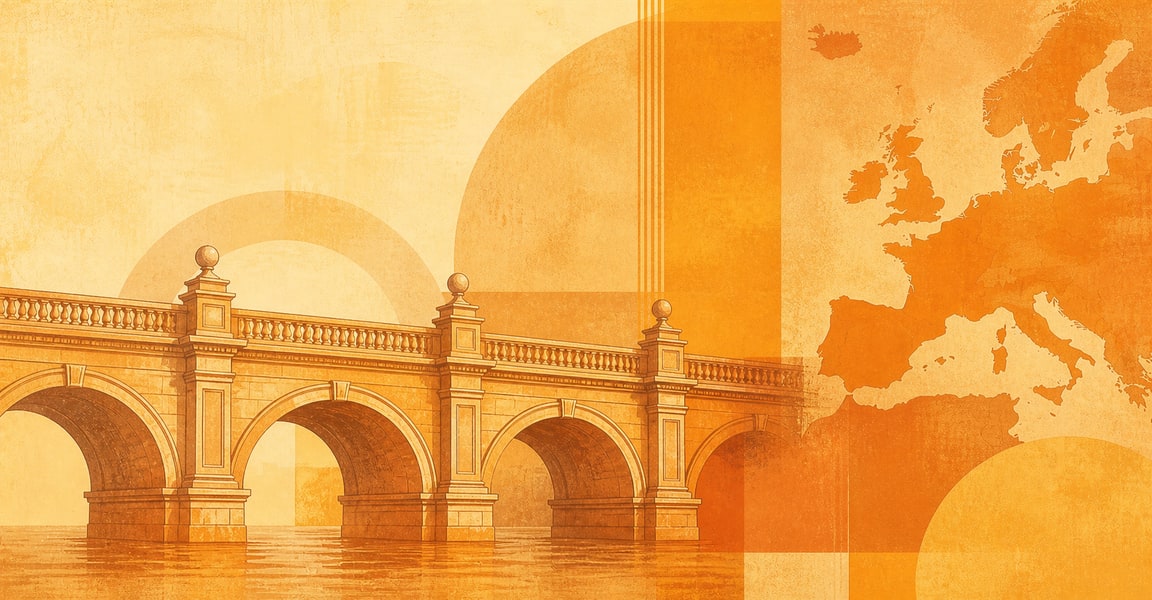
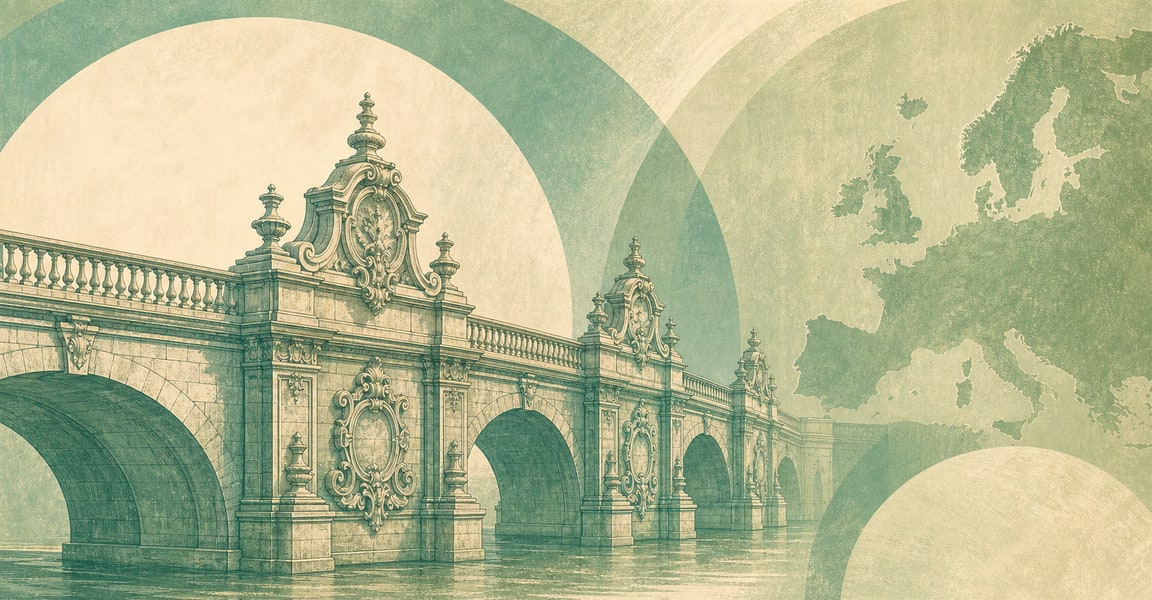
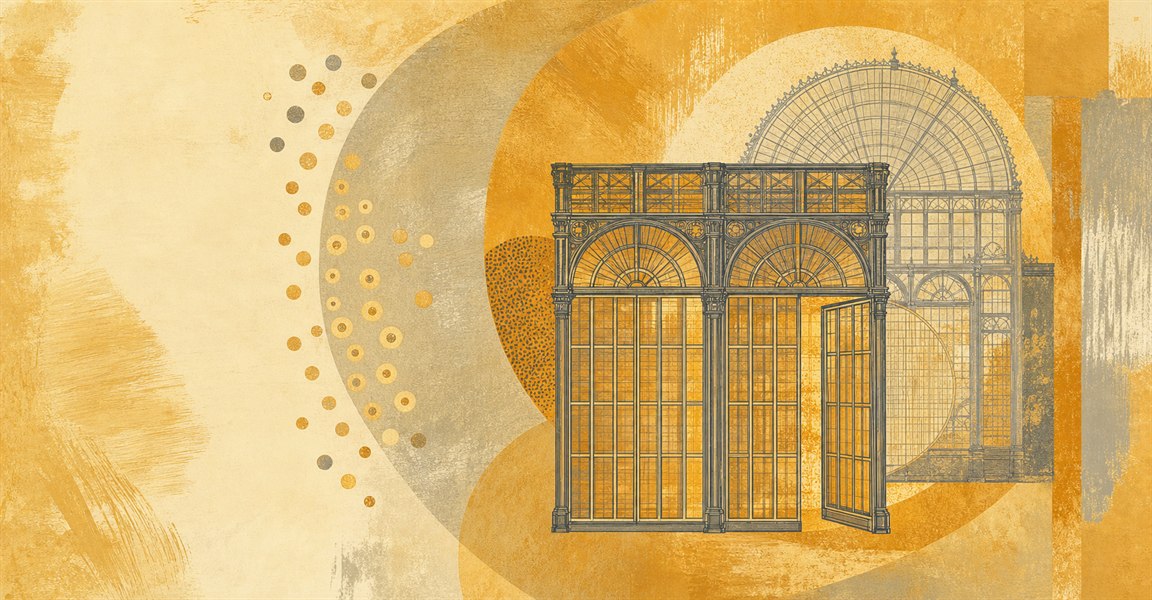
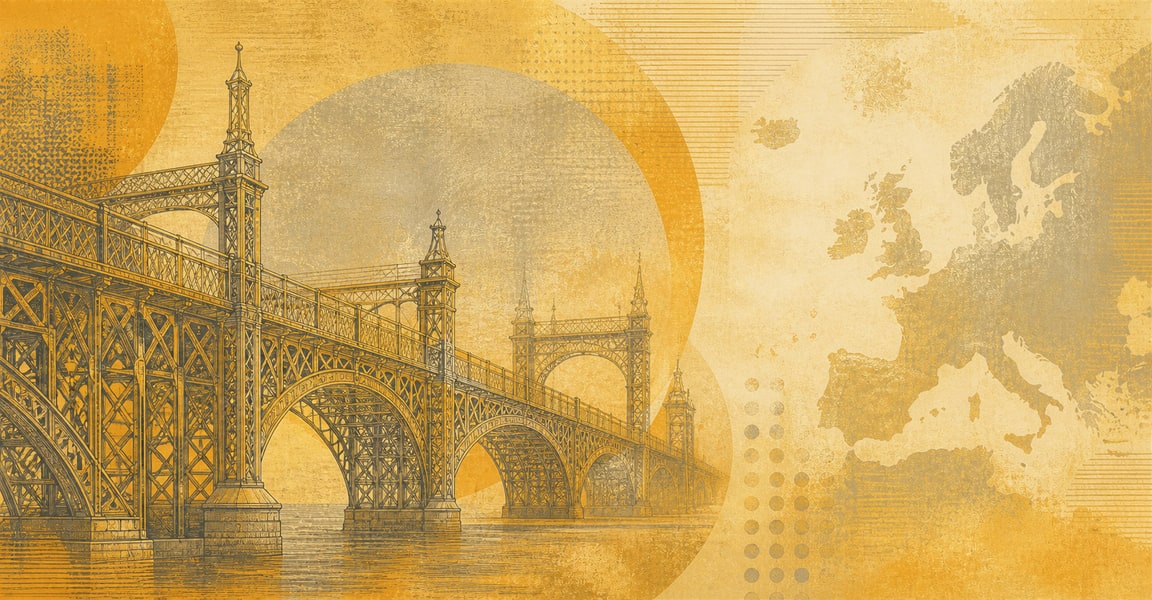
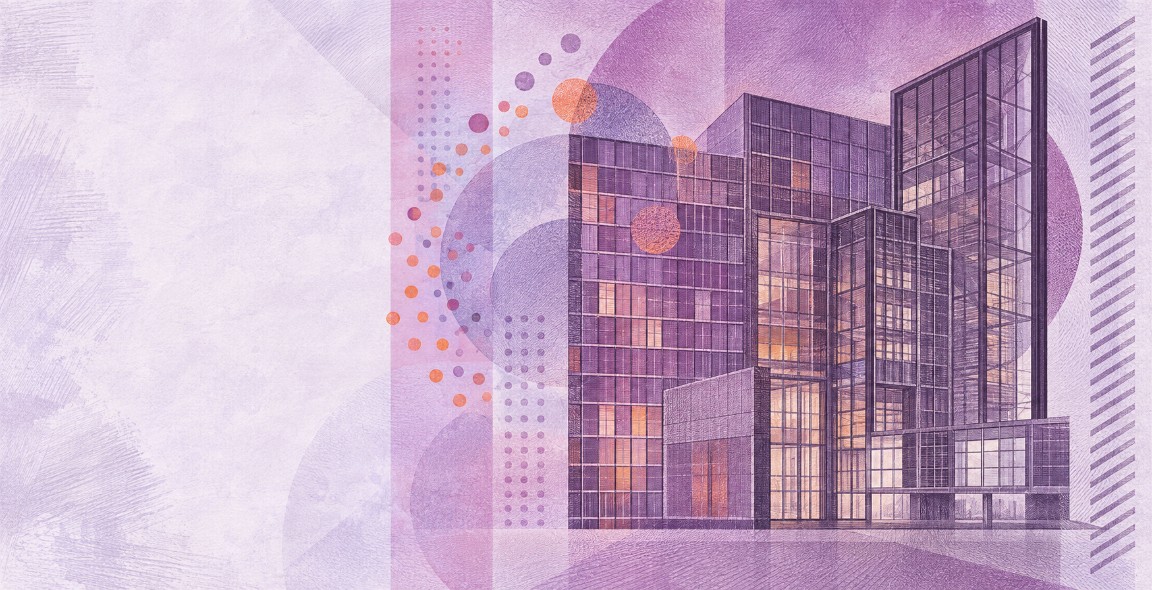
The euro banknote theme is imagined European architecture rather than real monuments: windows and gateways move from classical to modern styles, while bridges on the reverse suggest connection. Cash by Country artwork is an original, simplified interpretation and is not legal tender.
The coin pocket climbs through four scenes
1c-5cChamois + bird of prey10c-50cSanta ColomaEUR 1Casa de la VallEUR 2Coat of arms
The copper coins begin above the tree line
The smallest values show a Pyrenean chamois with a bird of prey. The official ECB description calls it a golden eagle, while Andorra's tourism material calls it a bearded vulture. Either way, the scene belongs unmistakably to the high Pyrenees.
Three gold-coloured cents share one round tower
The 10, 20 and 50 cent pieces show the Romanesque church of Santa Coloma. Its circular bell tower makes the middle denominations easier to recognize even when the coin is worn.
The largest coins move into civic Andorra
Casa de la Vall, the former seat of parliament, appears on EUR 1. The EUR 2 coin carries the coat of arms and the motto virtus unita fortior: "virtue united is stronger."
Andorran does not mean Andorra-only
The national side identifies where a coin was issued, not where it may be spent. An Andorran EUR 1 coin can travel to Lisbon, Paris or Rome, and euro coins from those places work in Andorra.
The banknote clue is denomination, not country
There is no separate Andorran family of euro banknotes. Use colour, size and security features to identify the shared notes, then turn over the coins when you want the local story.